Chiapas Amber
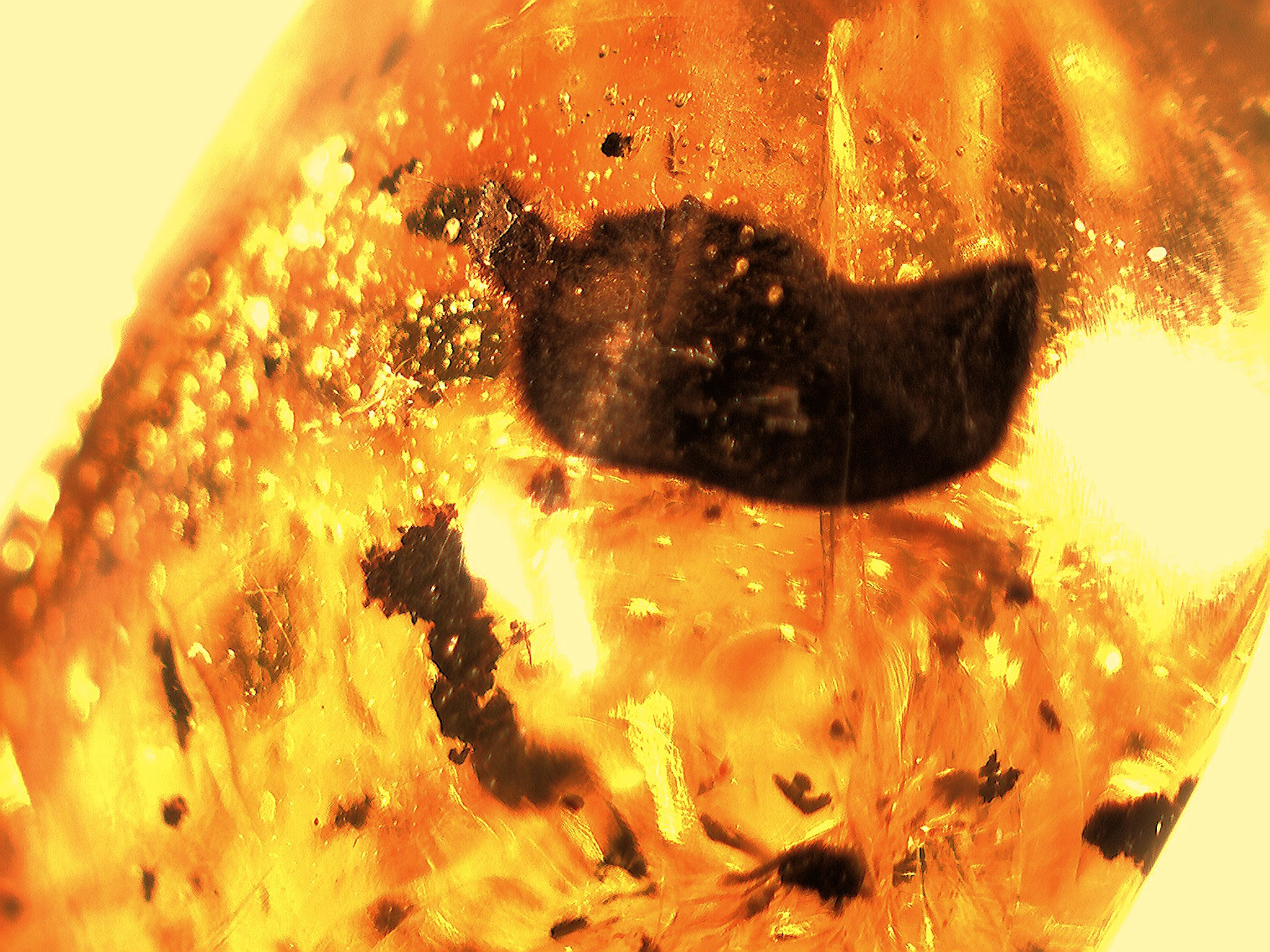
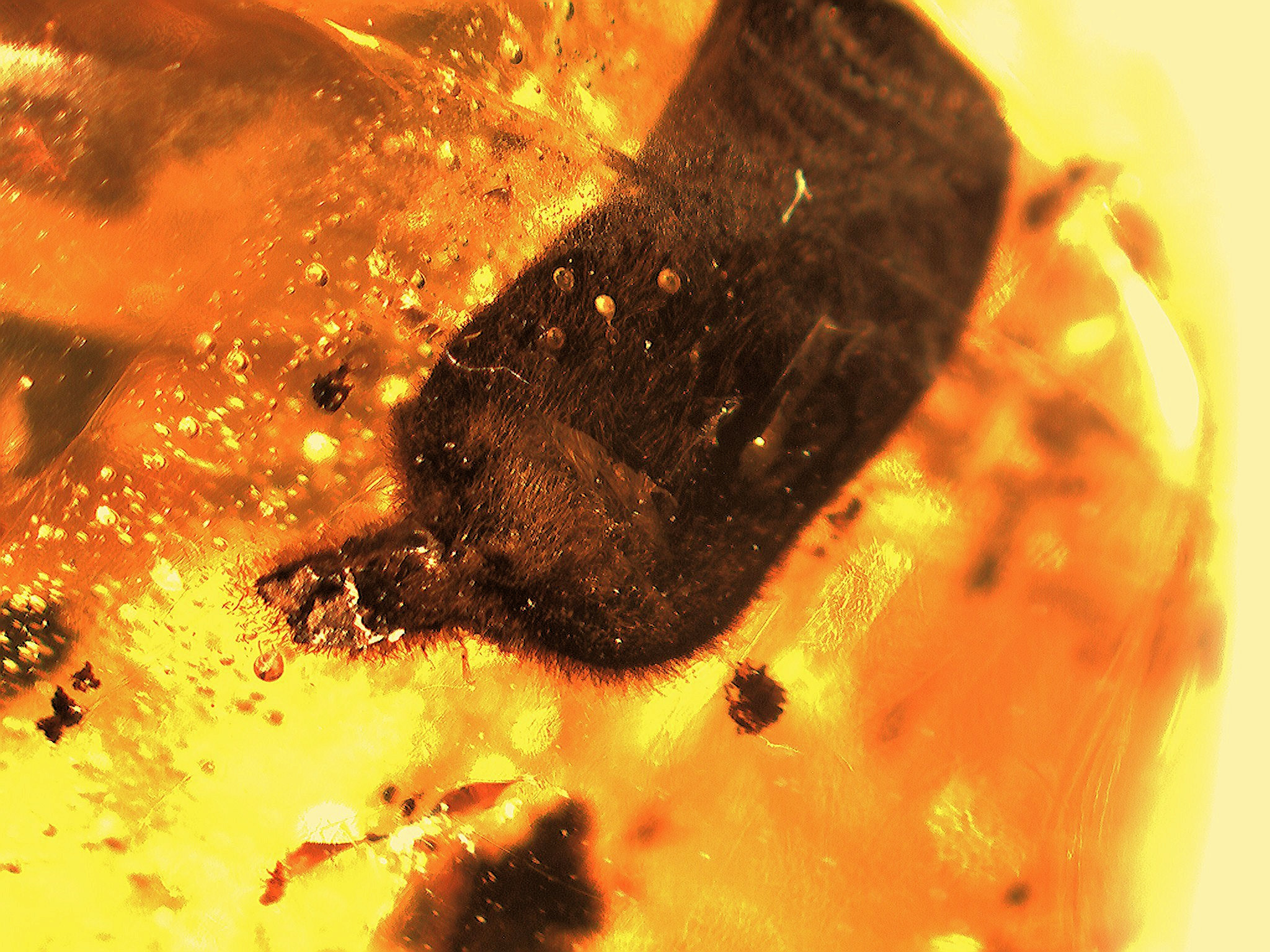
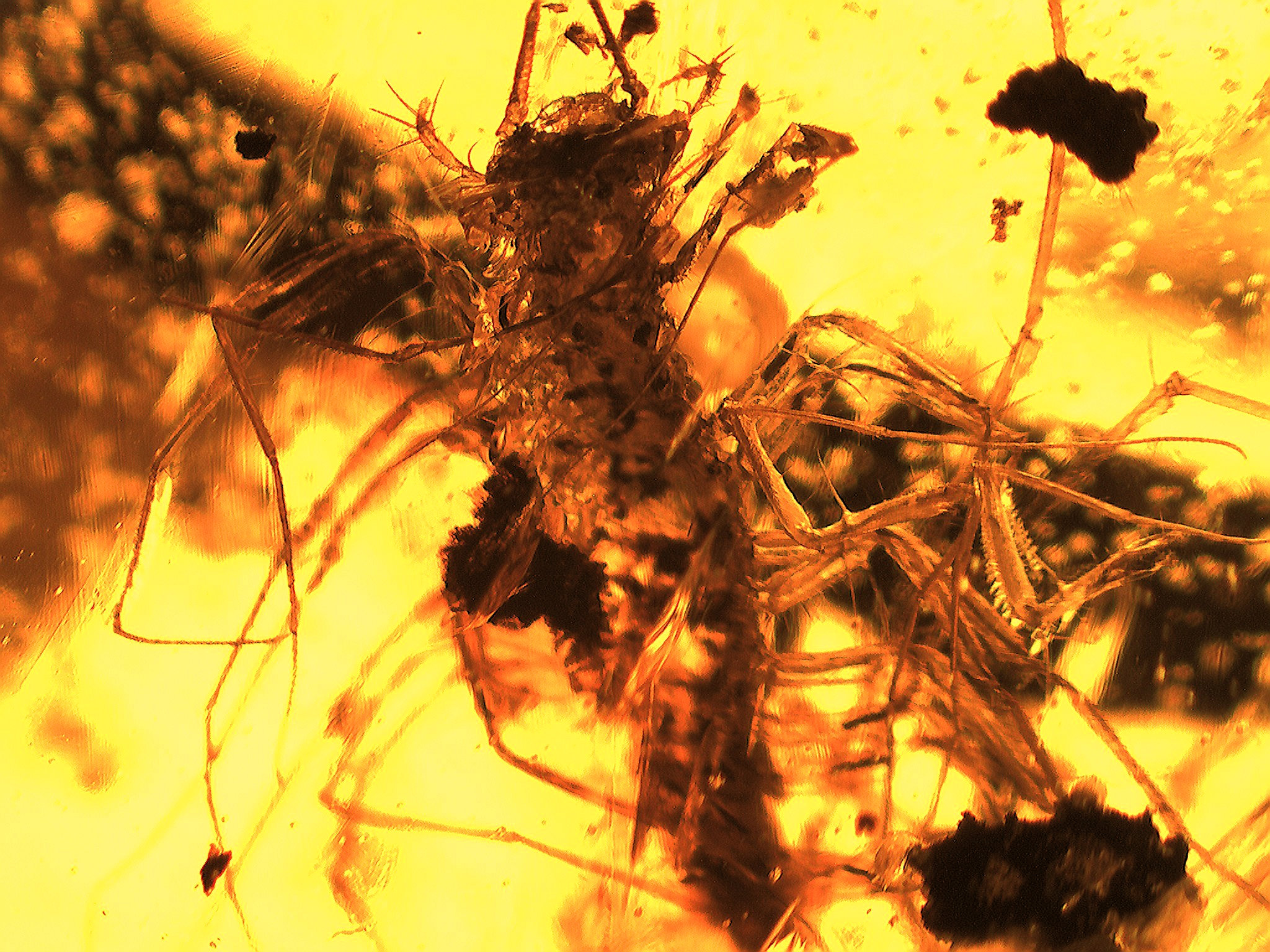
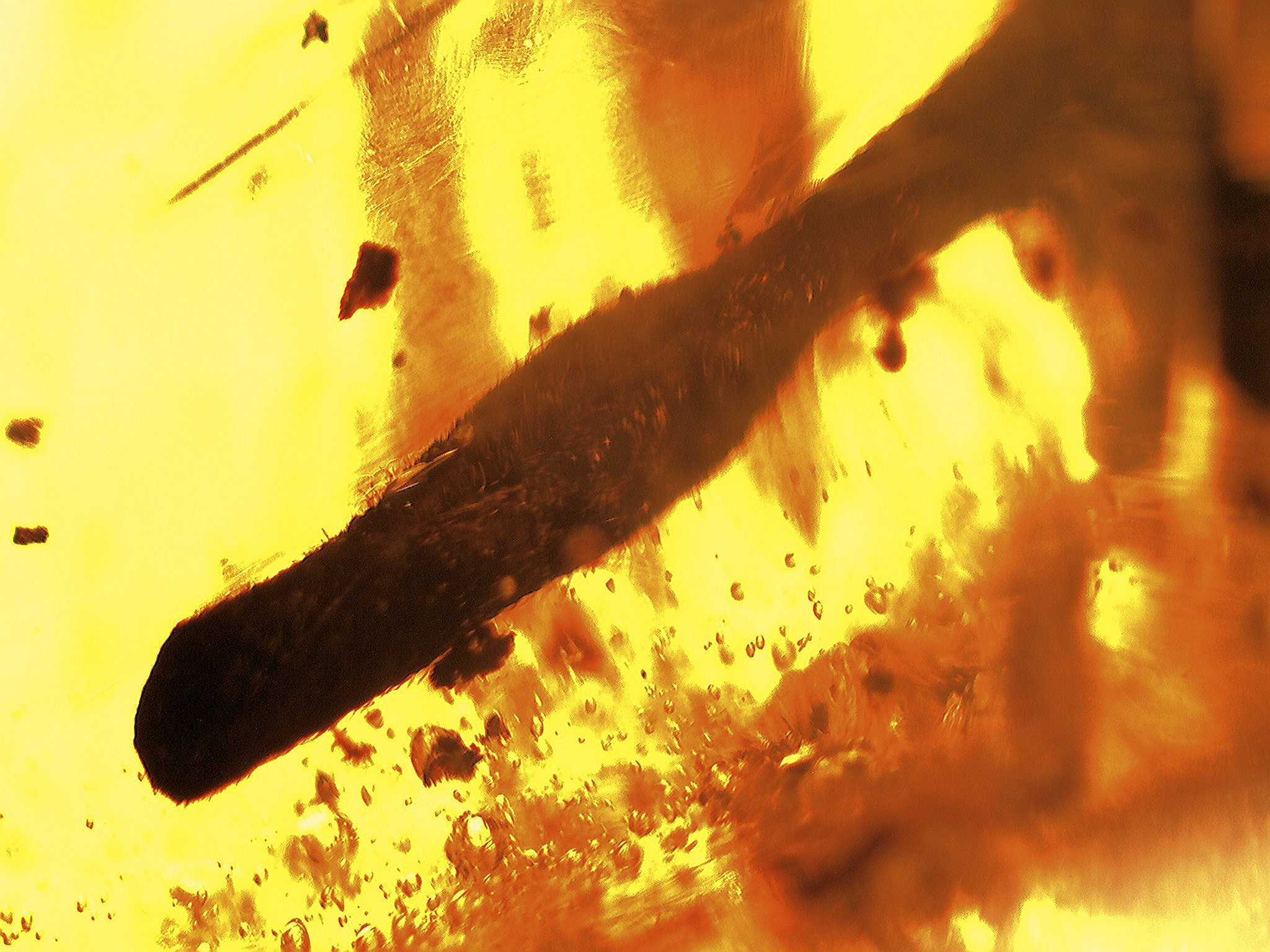
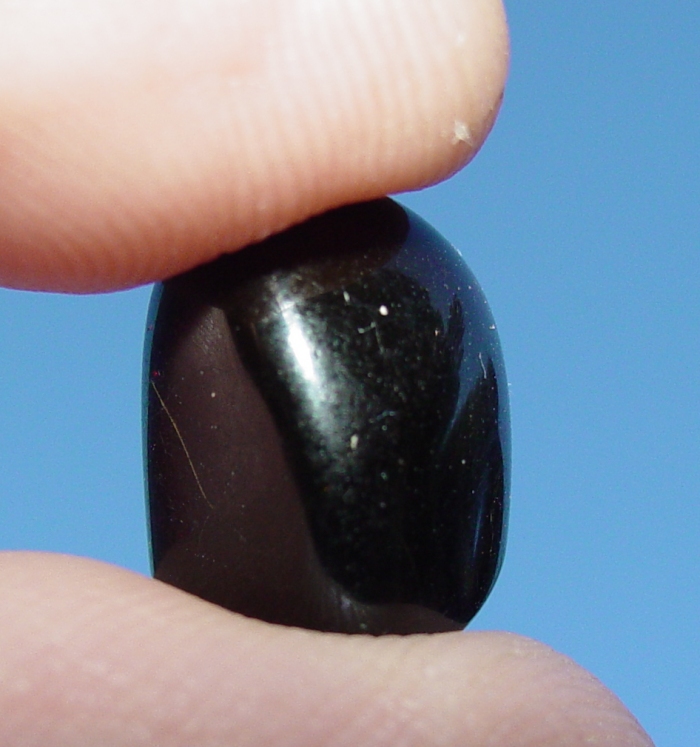
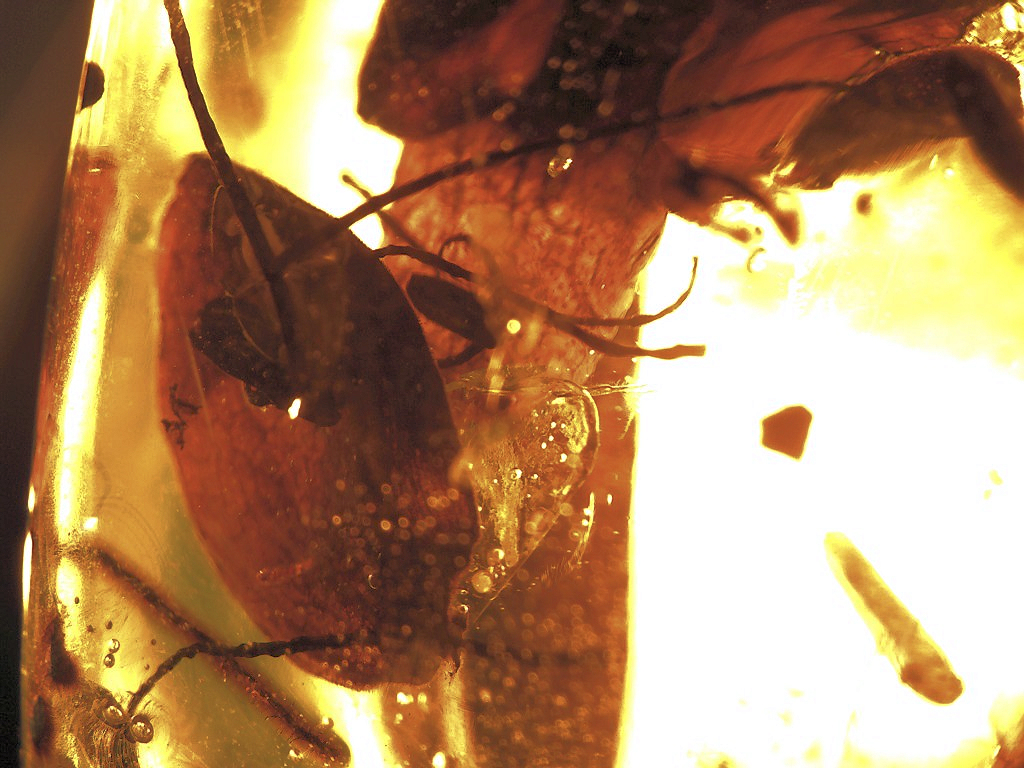
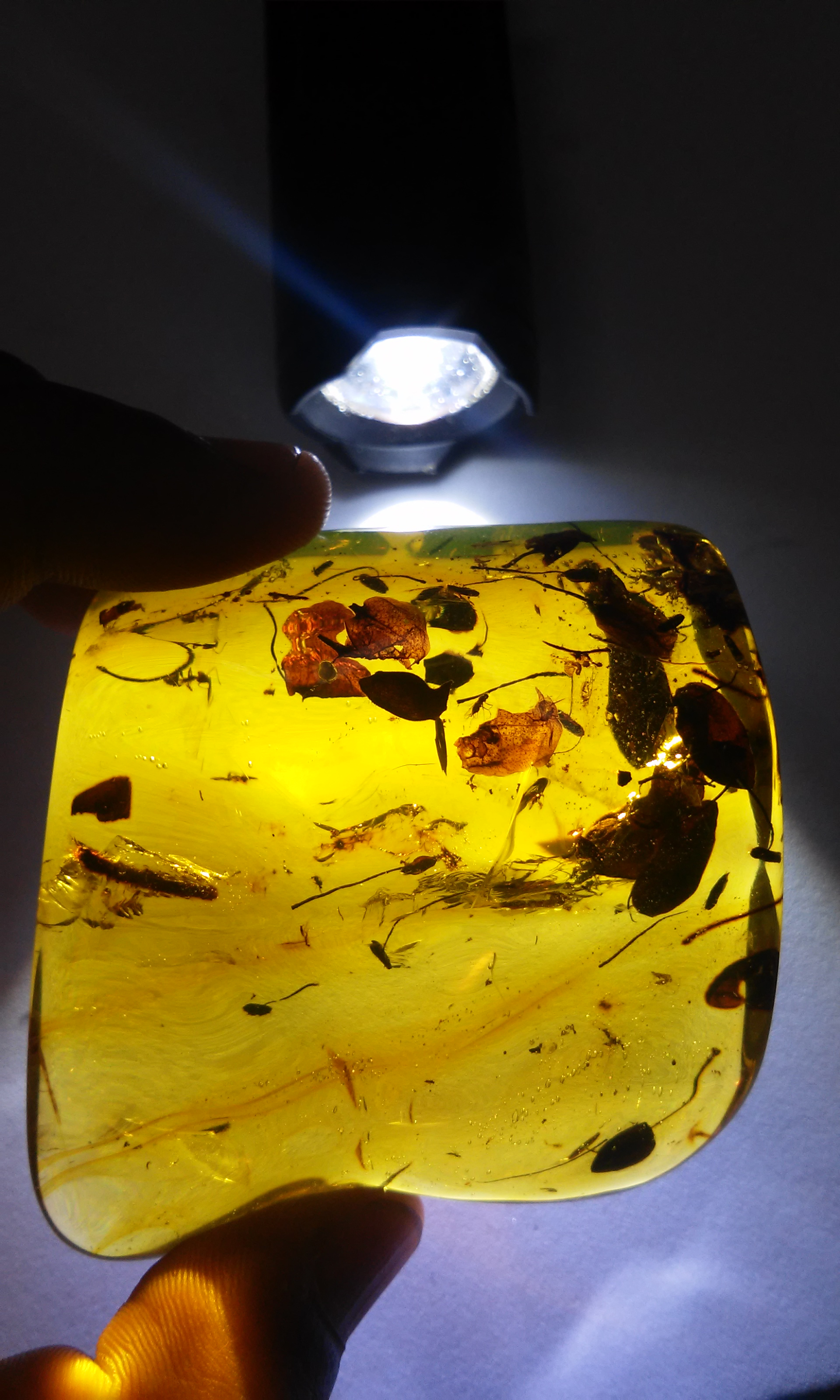
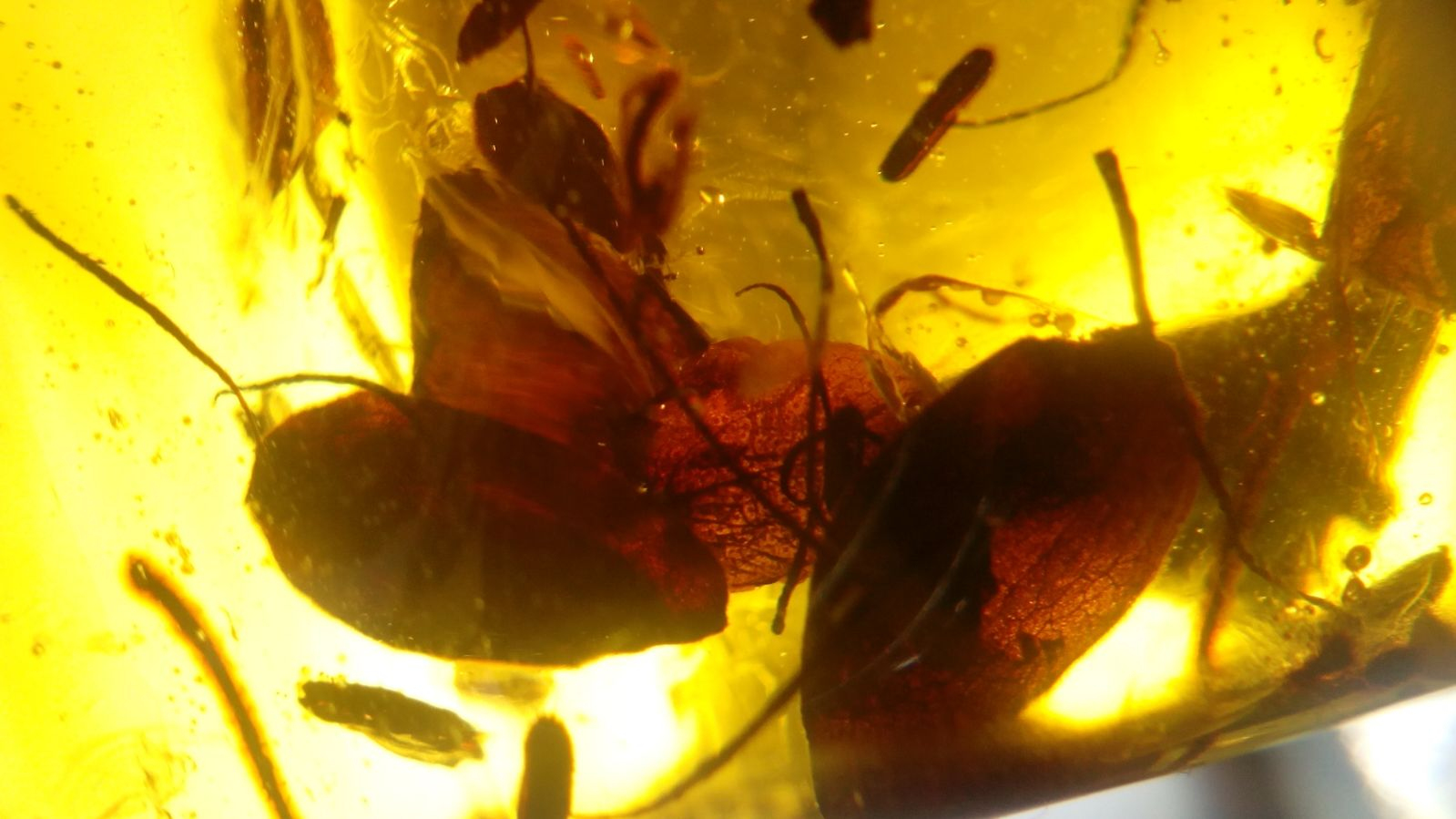
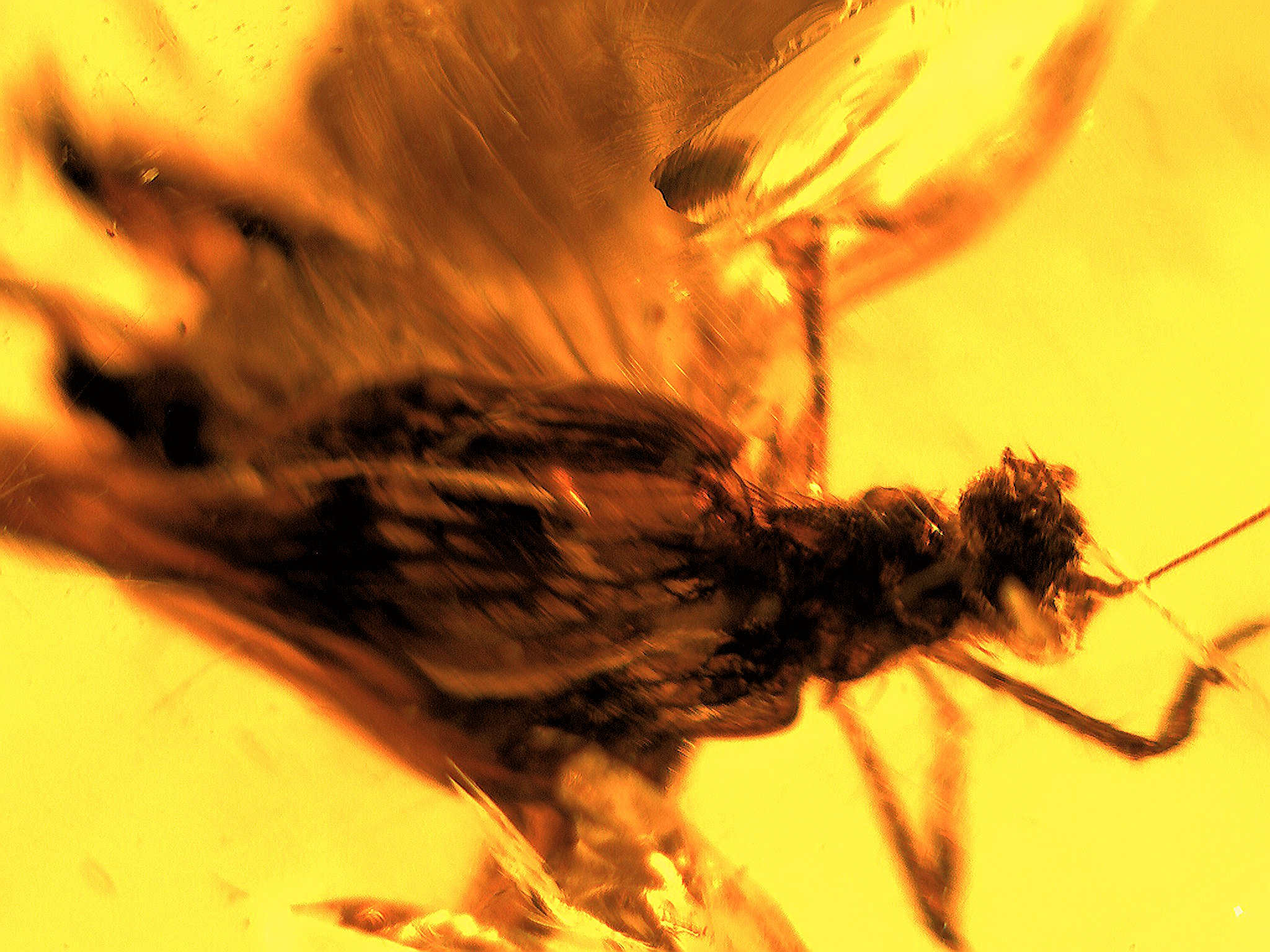
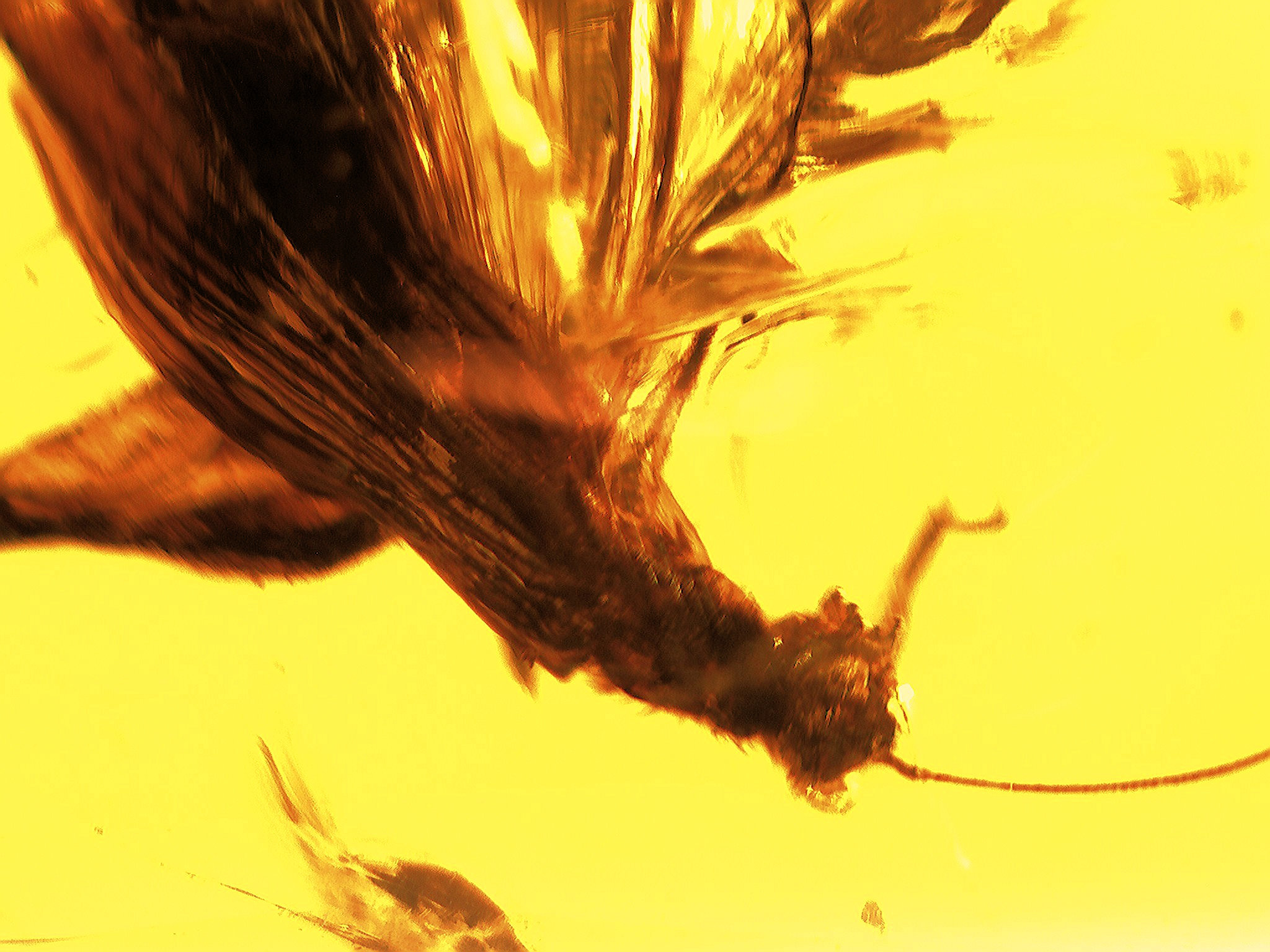
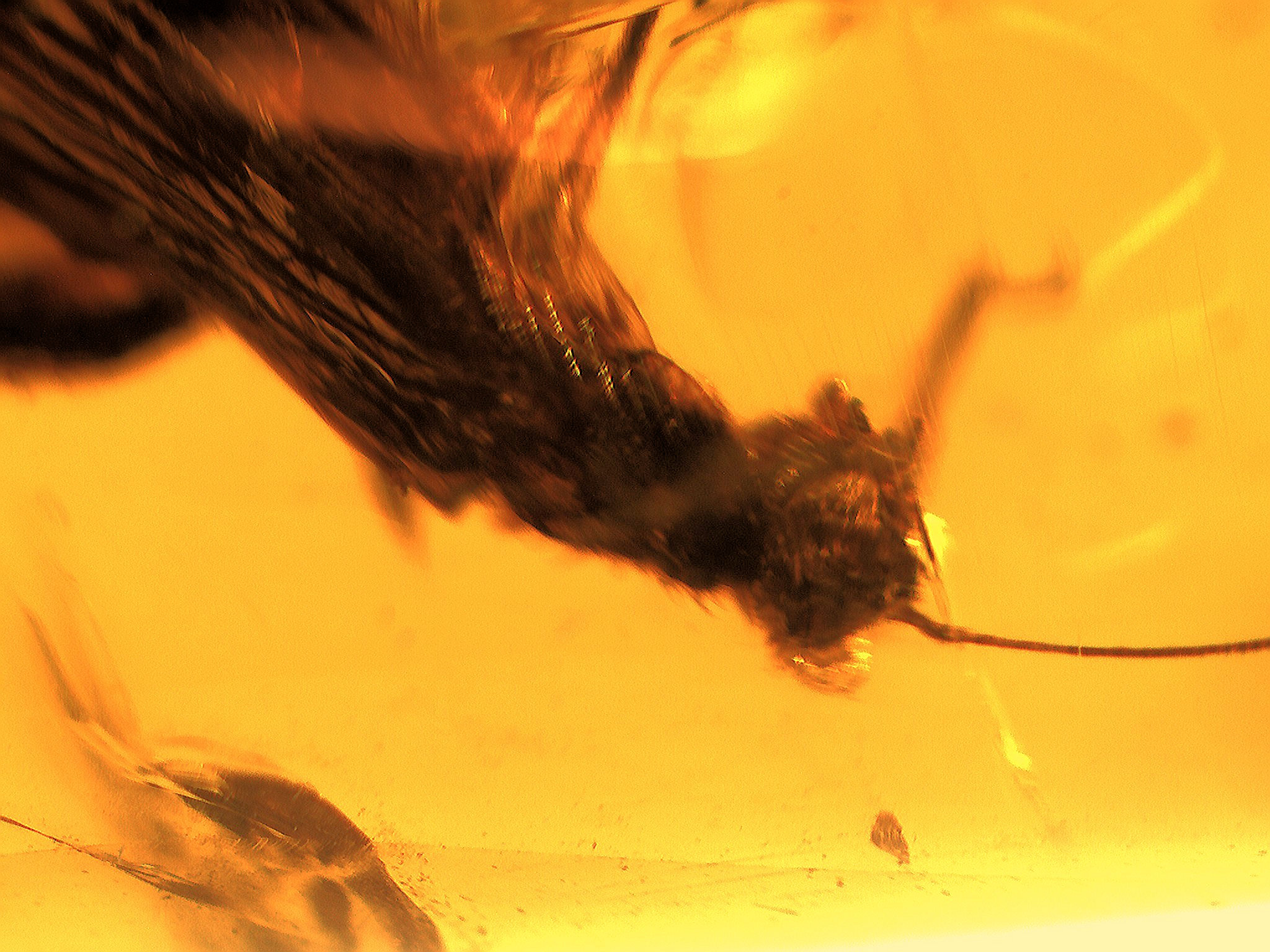
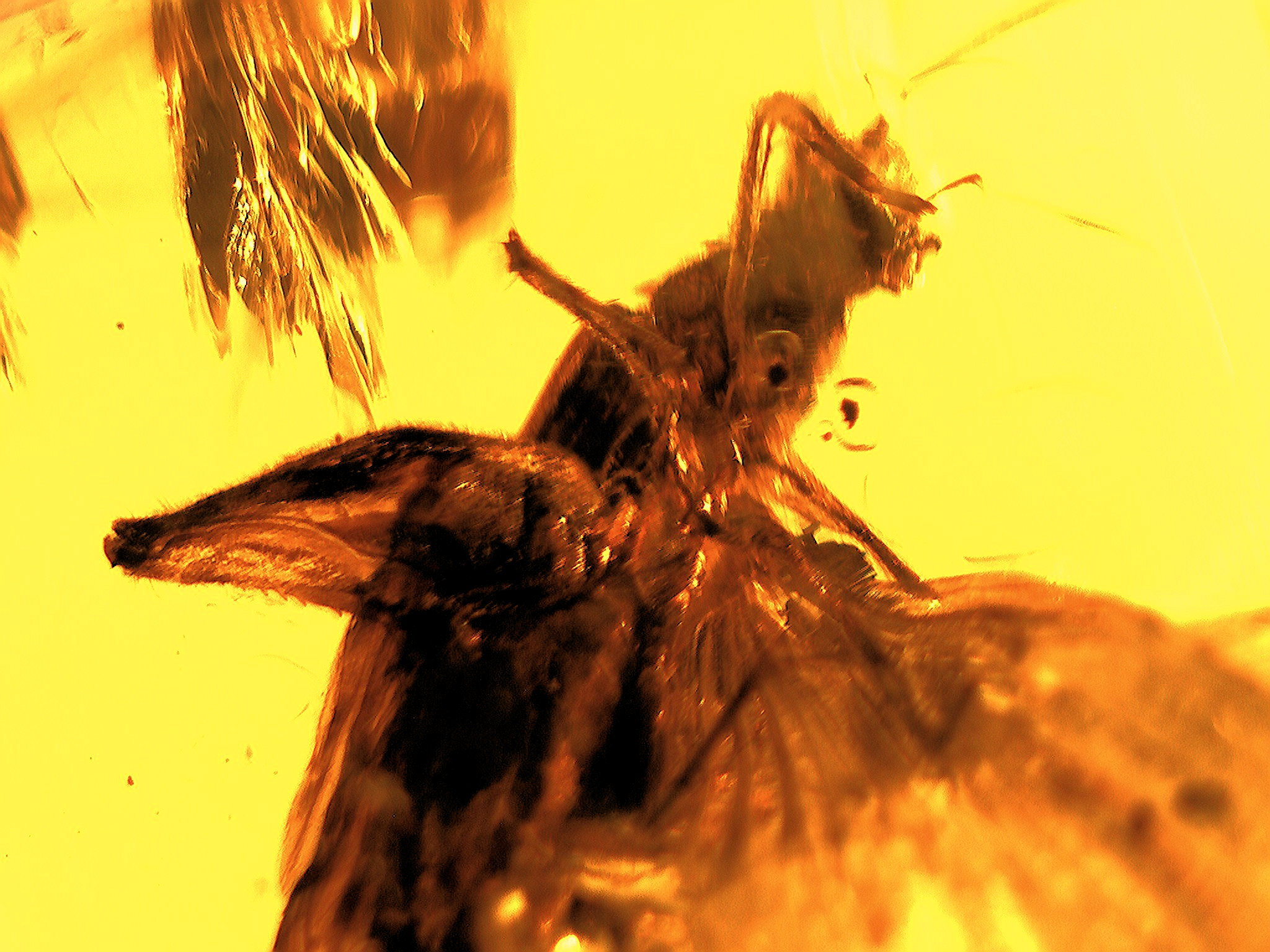
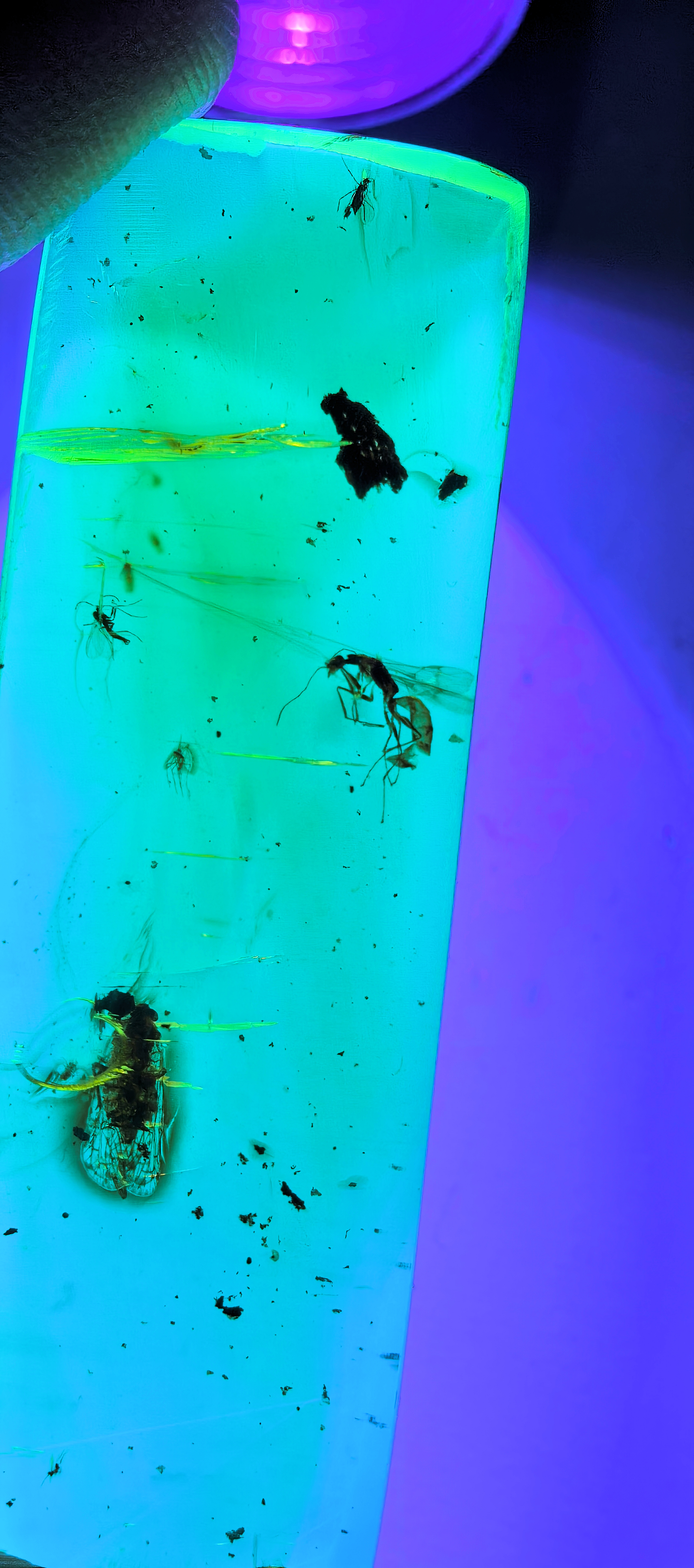
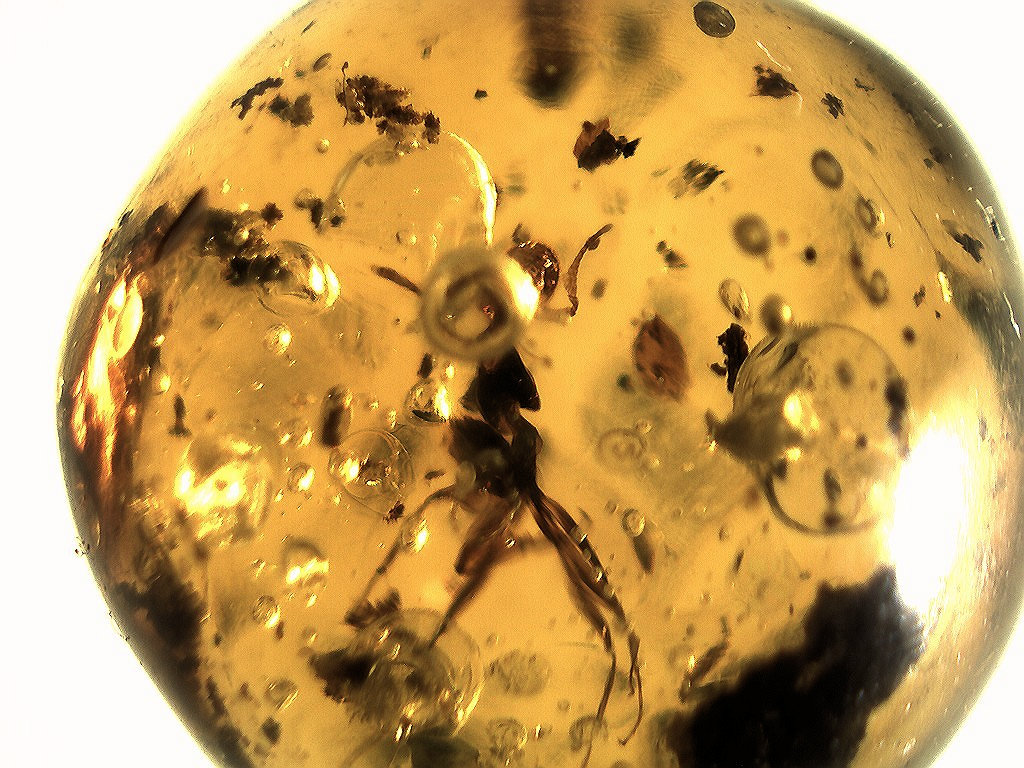
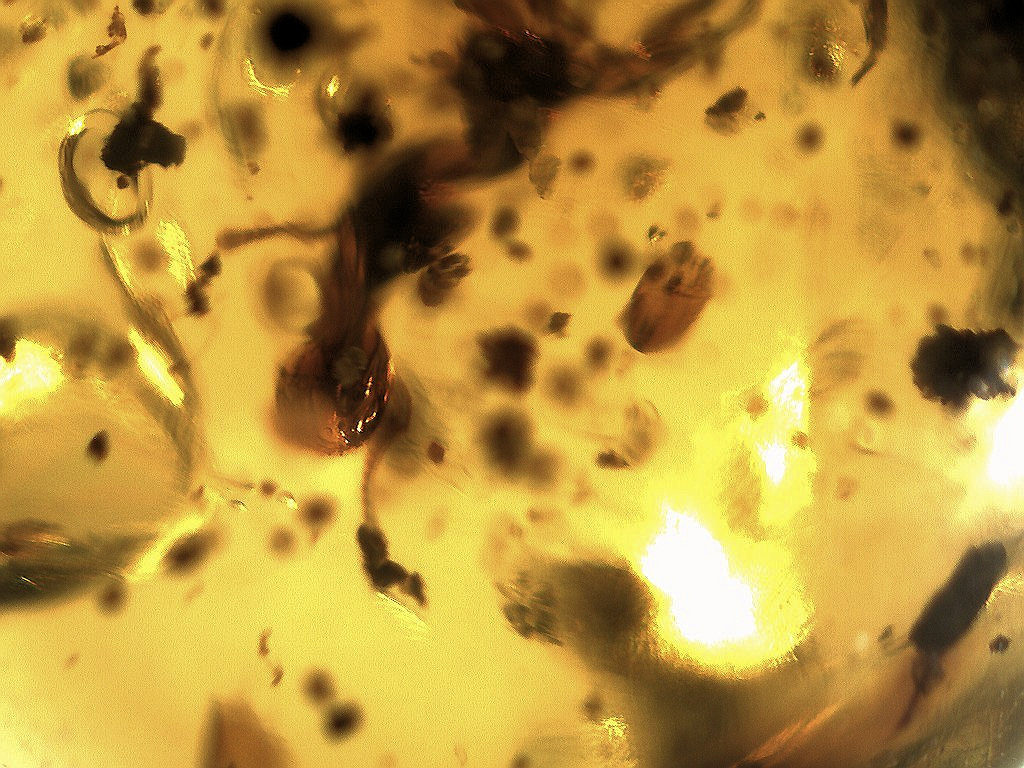
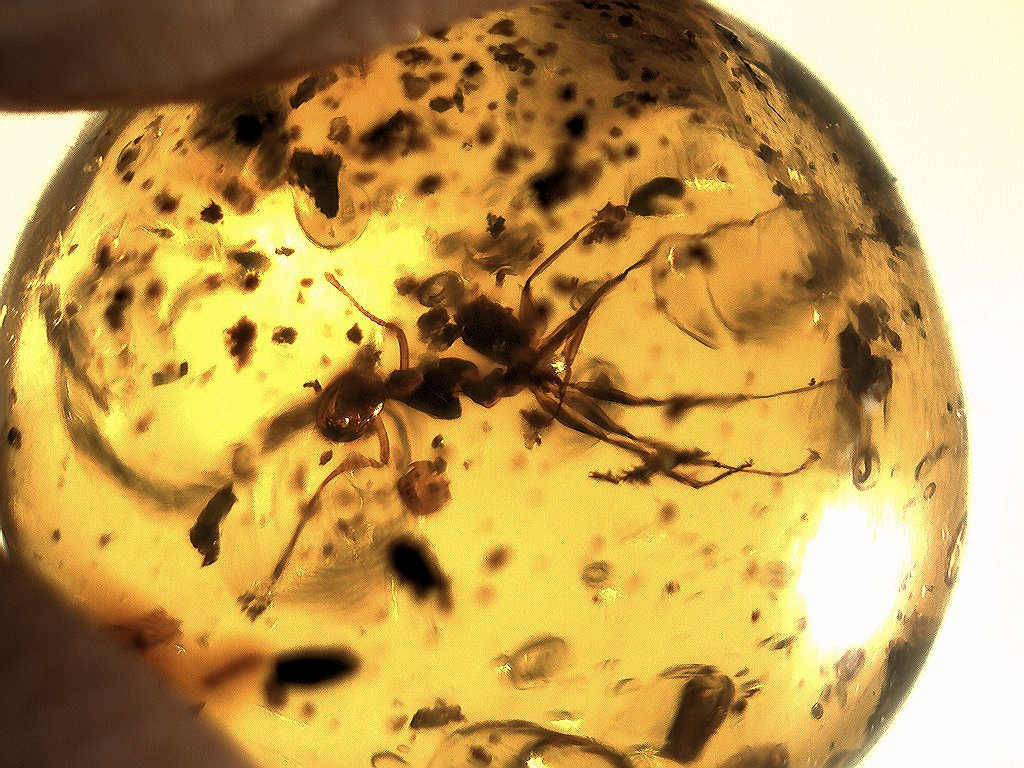
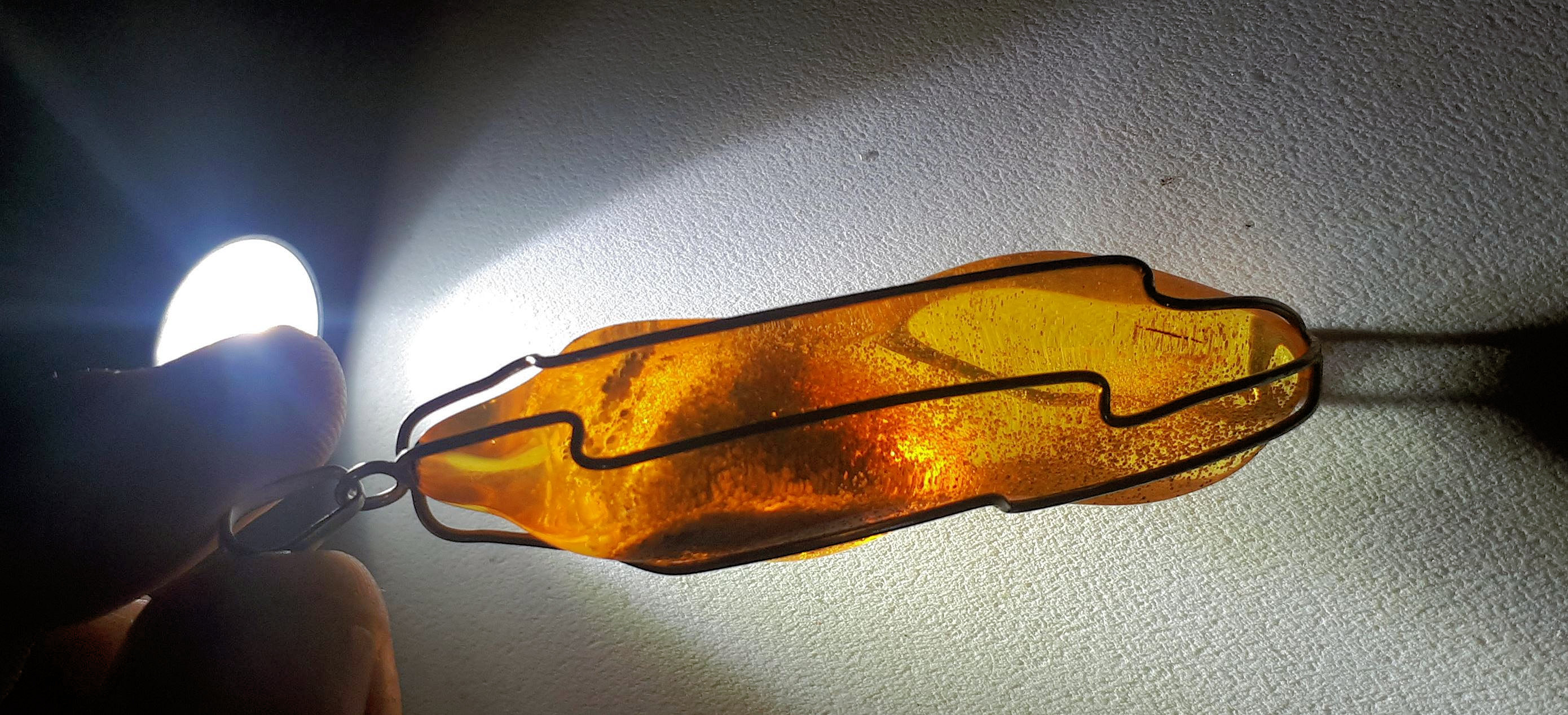
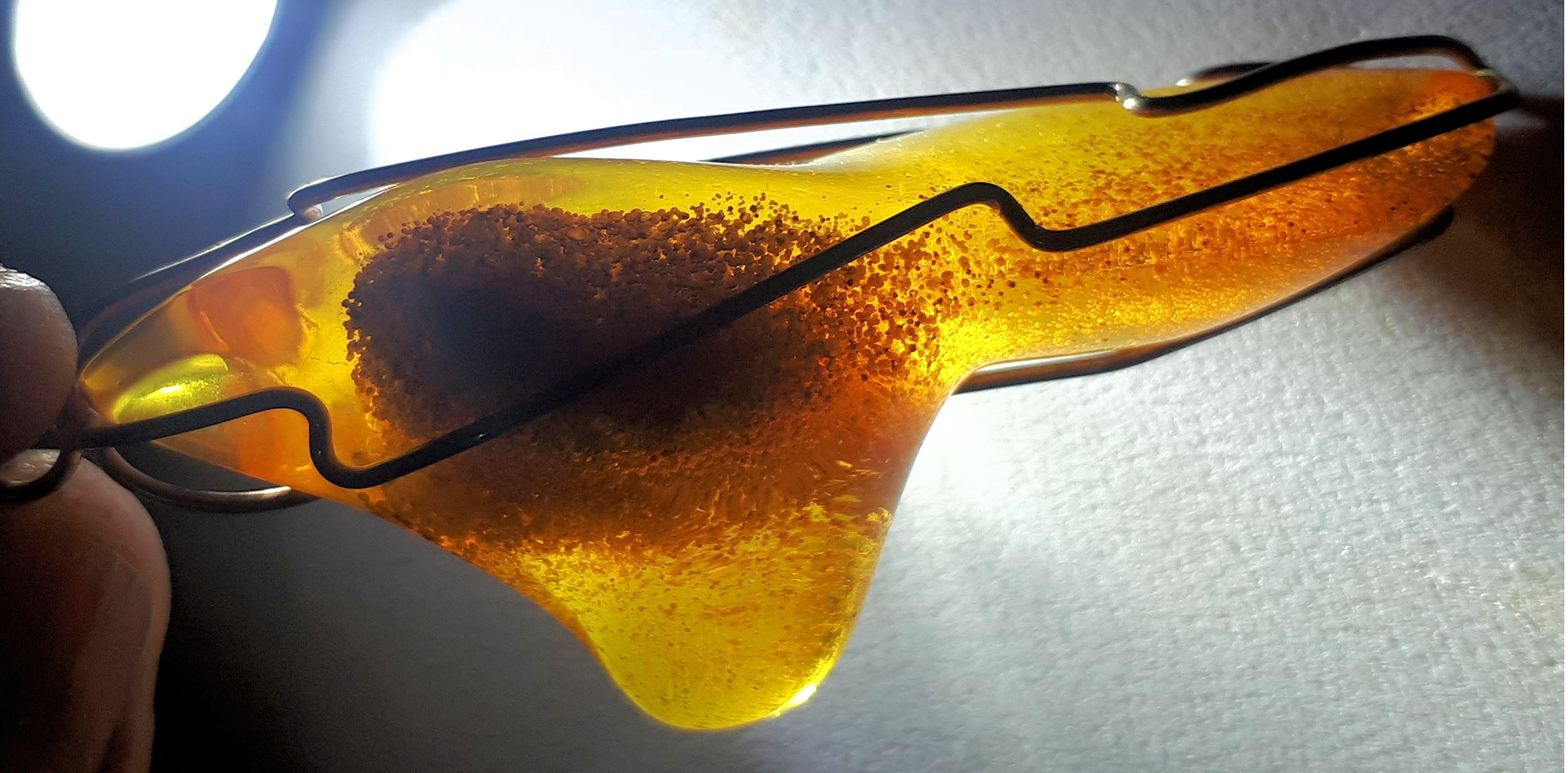
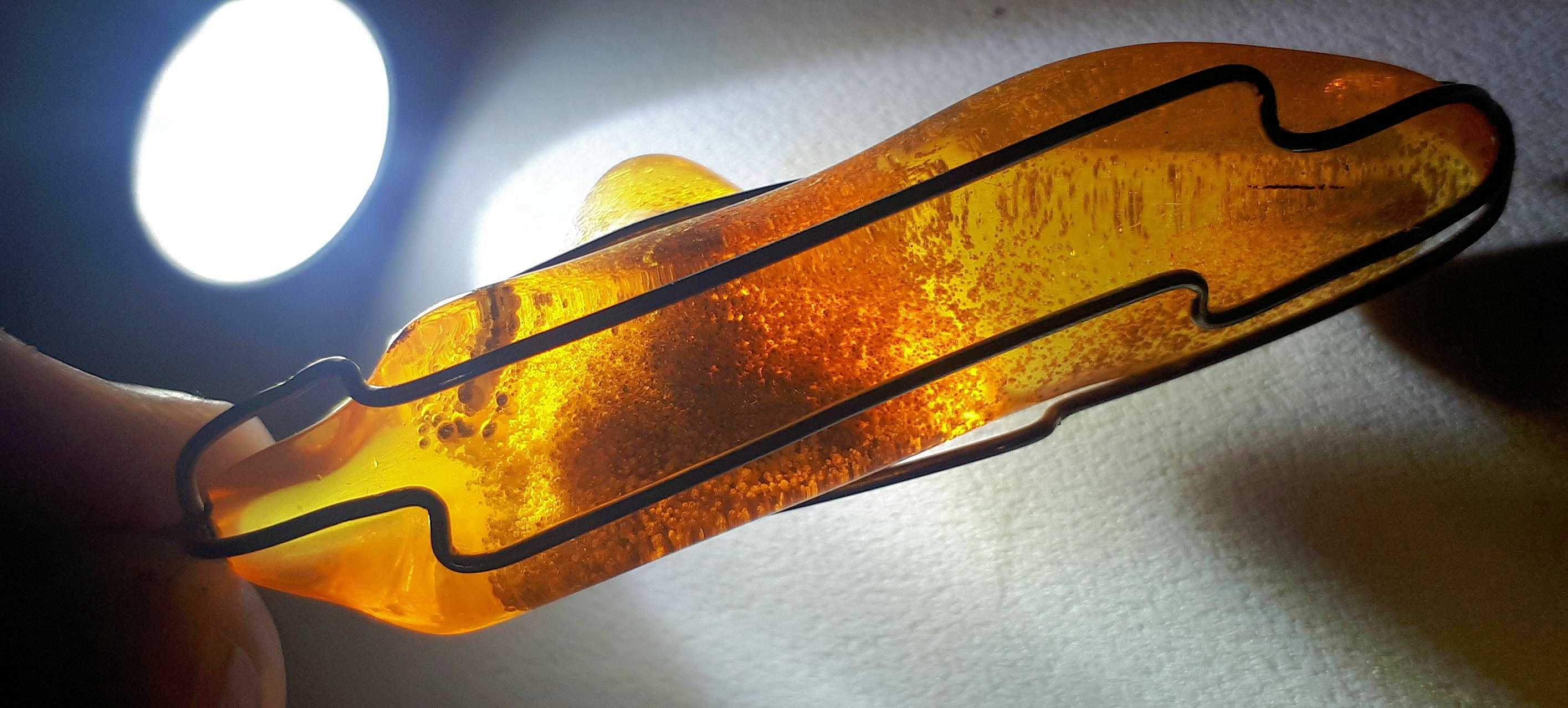
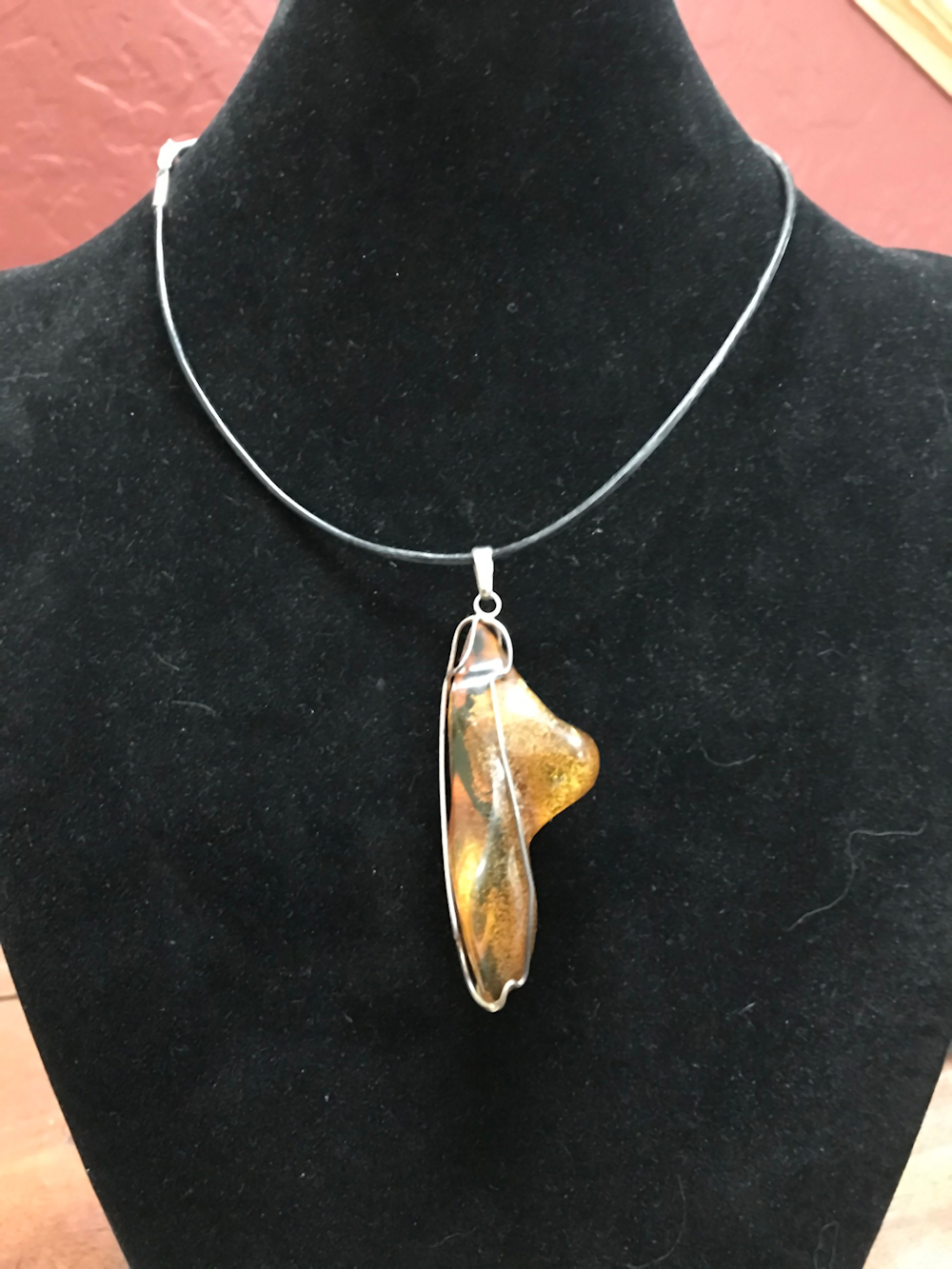
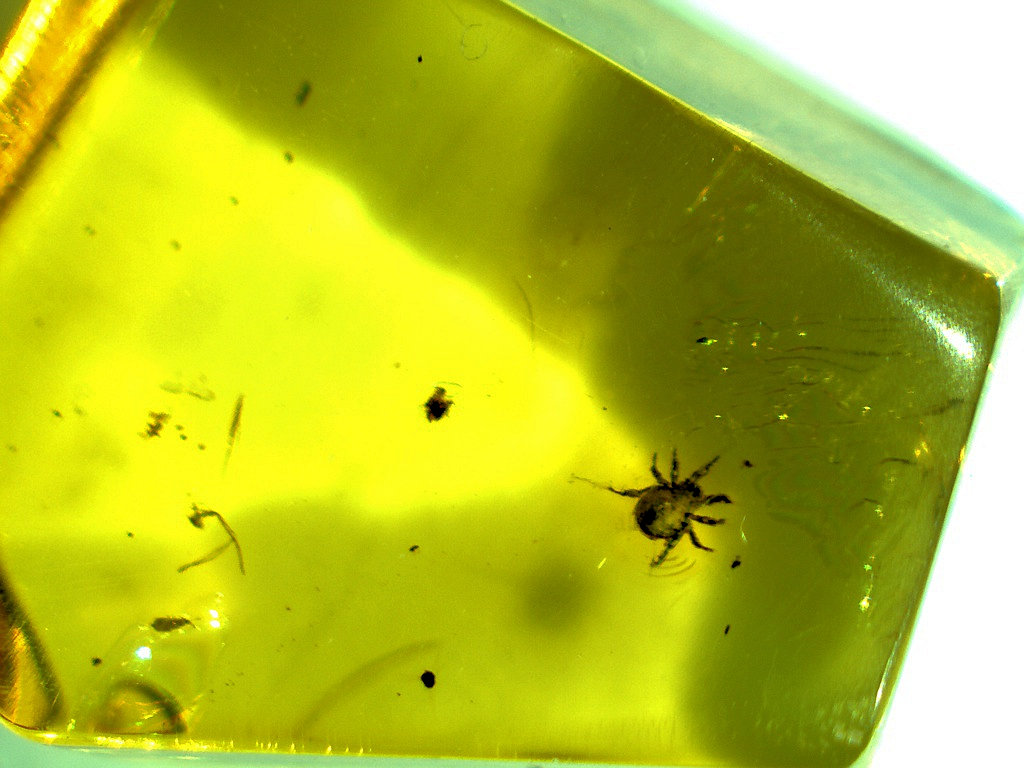
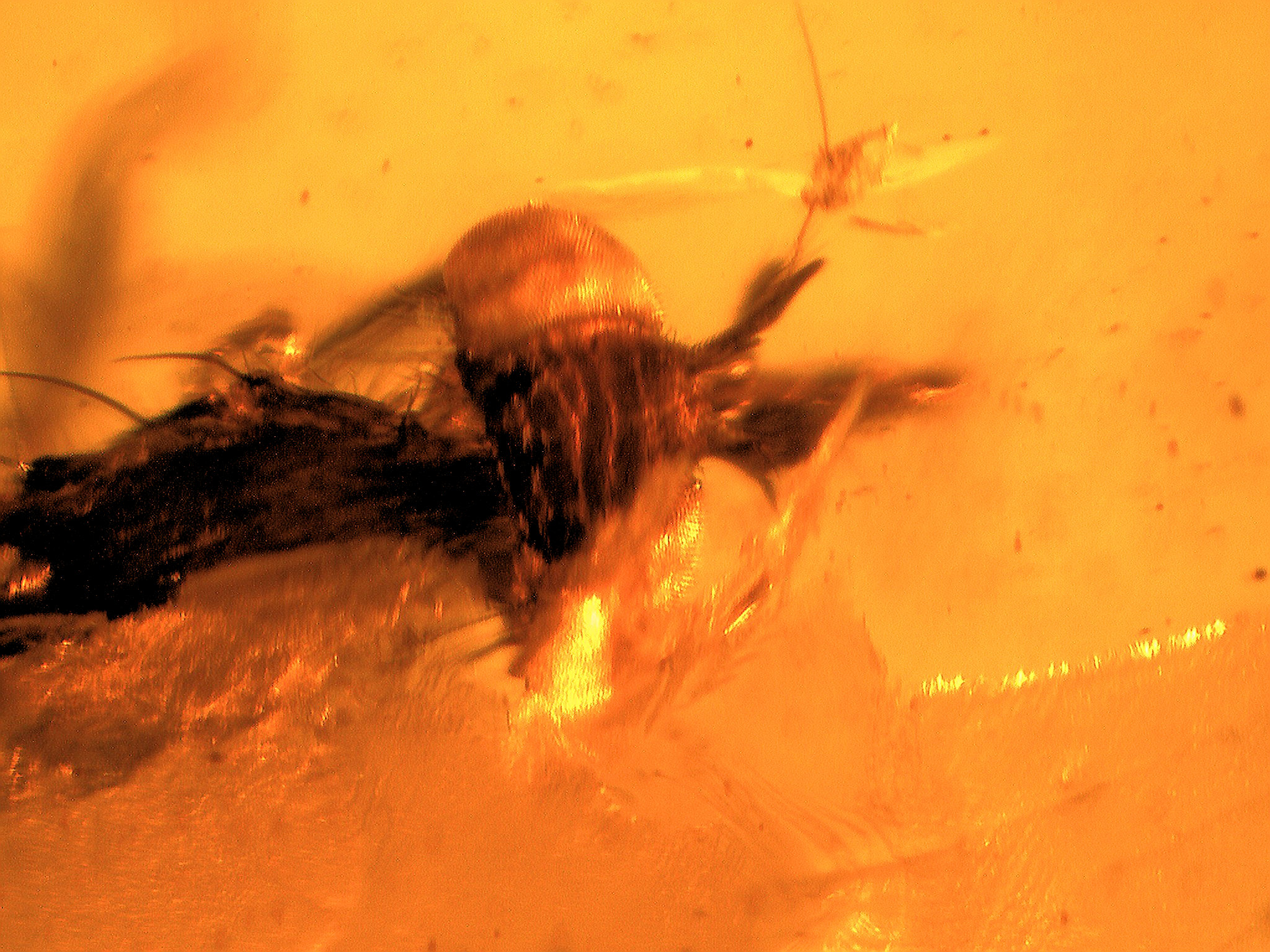
This is the fabled Chiapas amber from the Mayan mines in Chiapas, Mexico. It is fairly difficult to get a hold of and is highly prized for its impressive color and transparency. You can find reds, blues, greens and of course amber colors. This is real color, not like altered Baltic amber. This is quite a find and not seen often! You can do just about anything you want with this amber. My suggestion is for jewelry - the depth of color is seldom seen in any amber from anywhere else!
Item 1
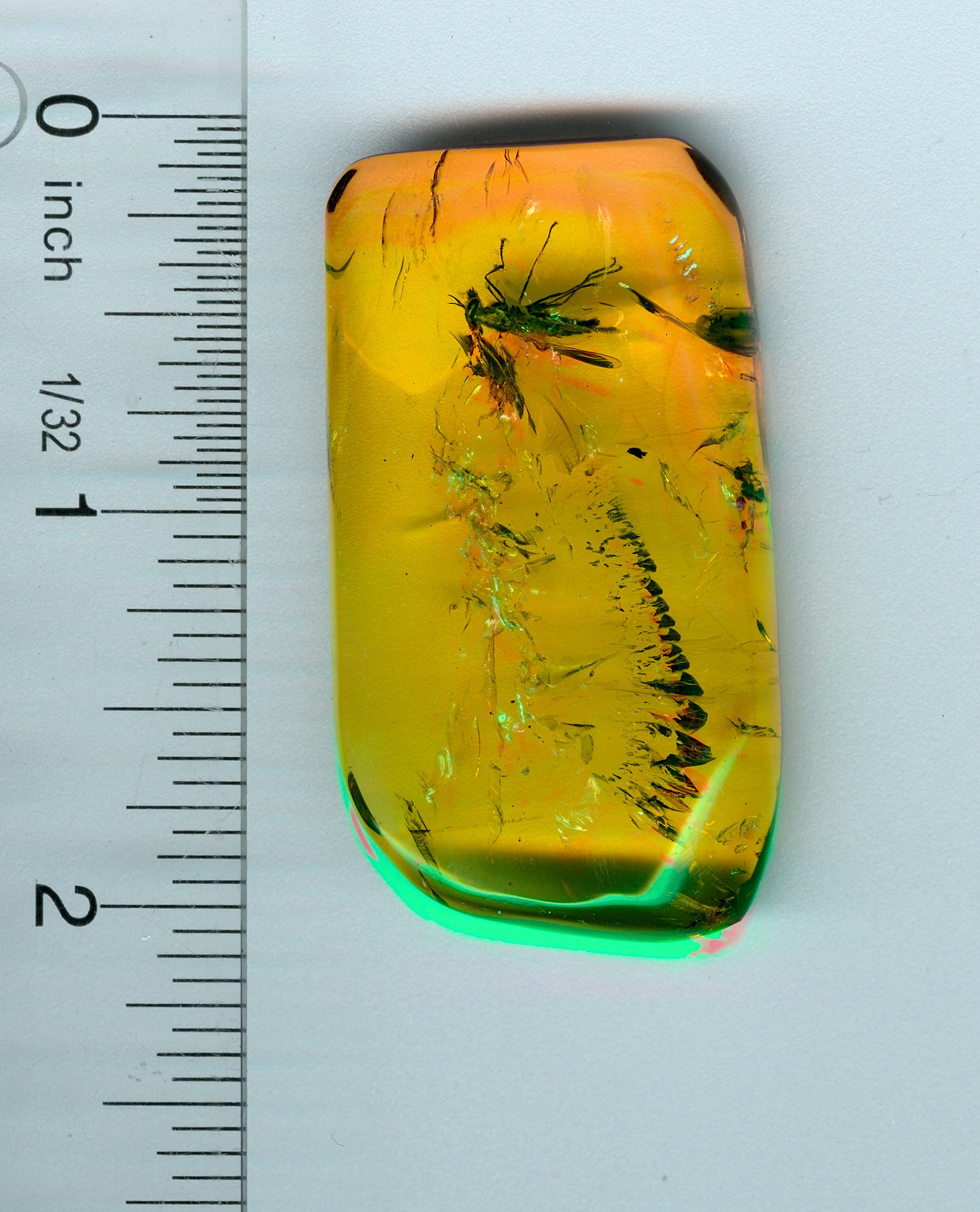
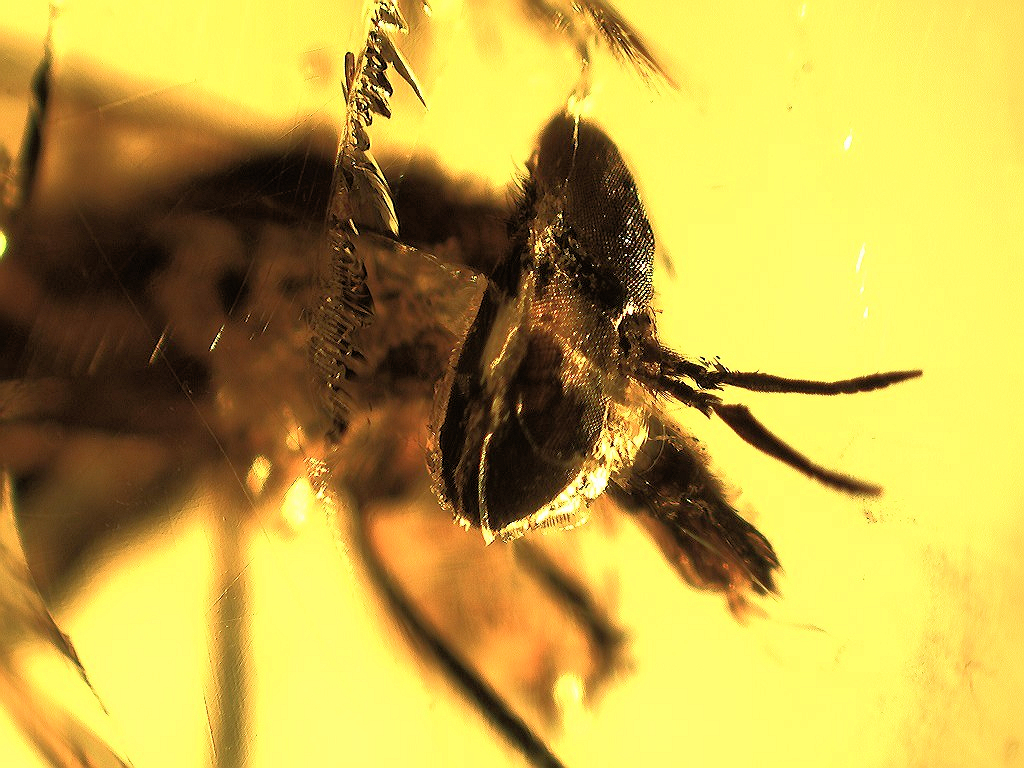
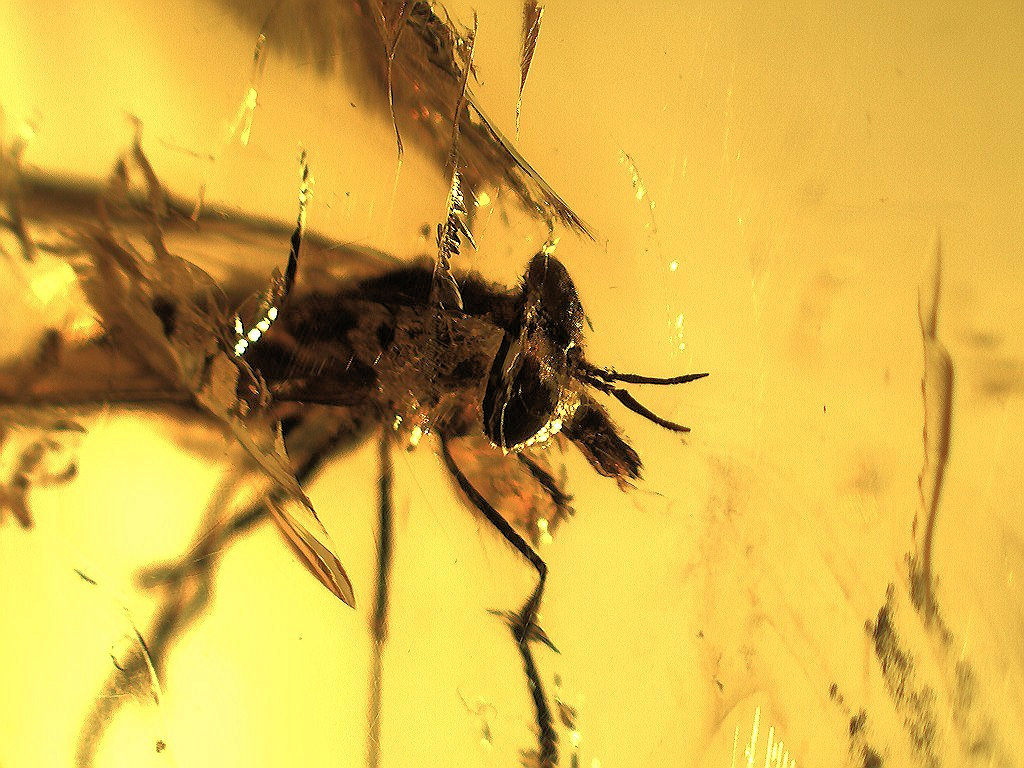
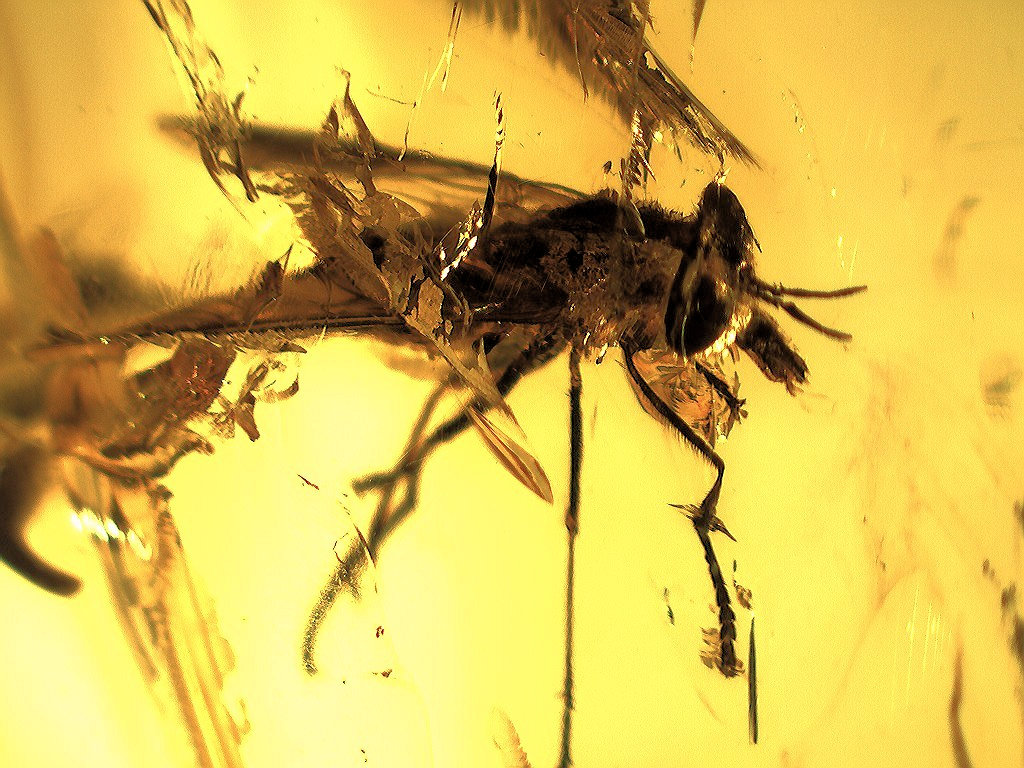
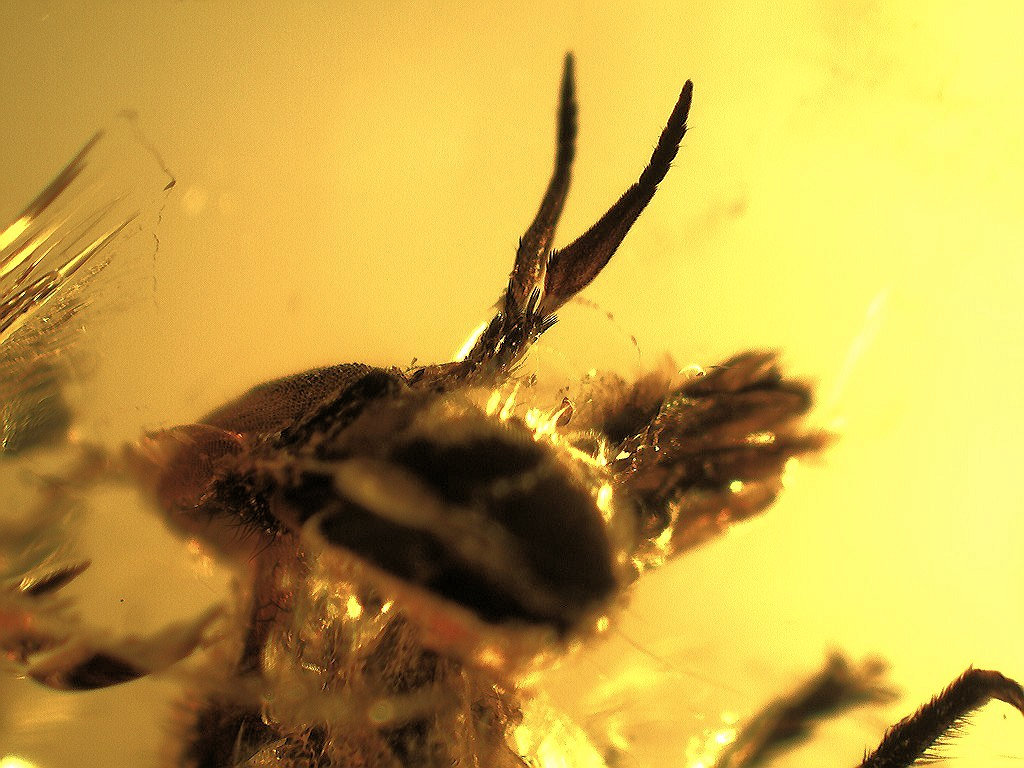
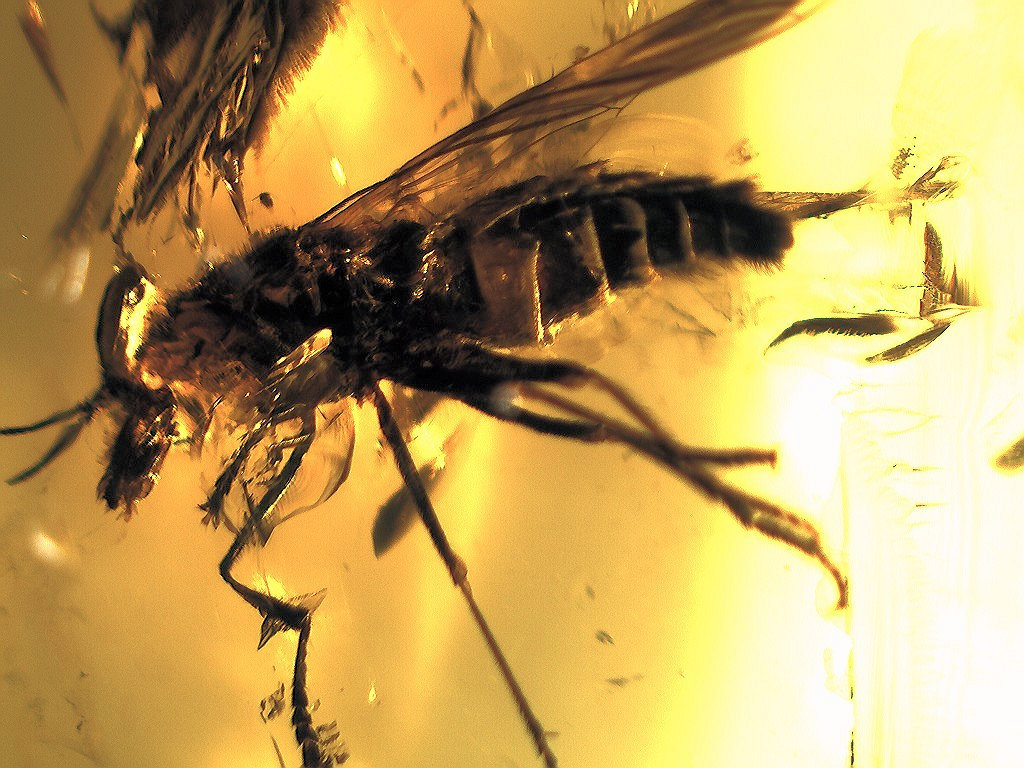
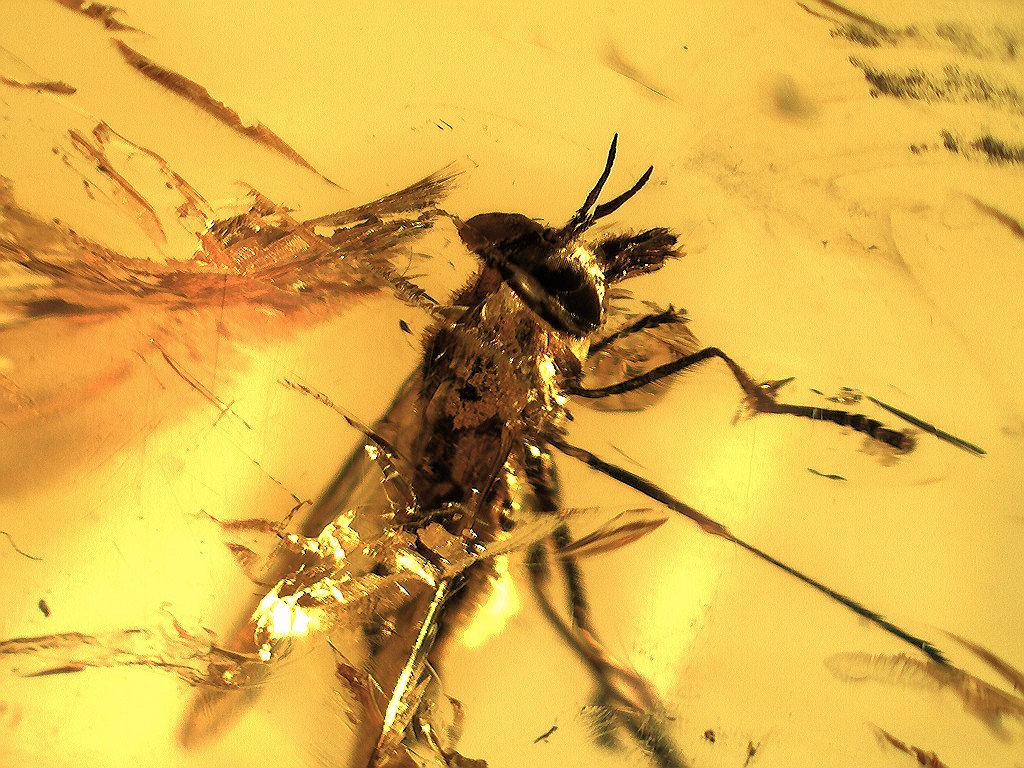
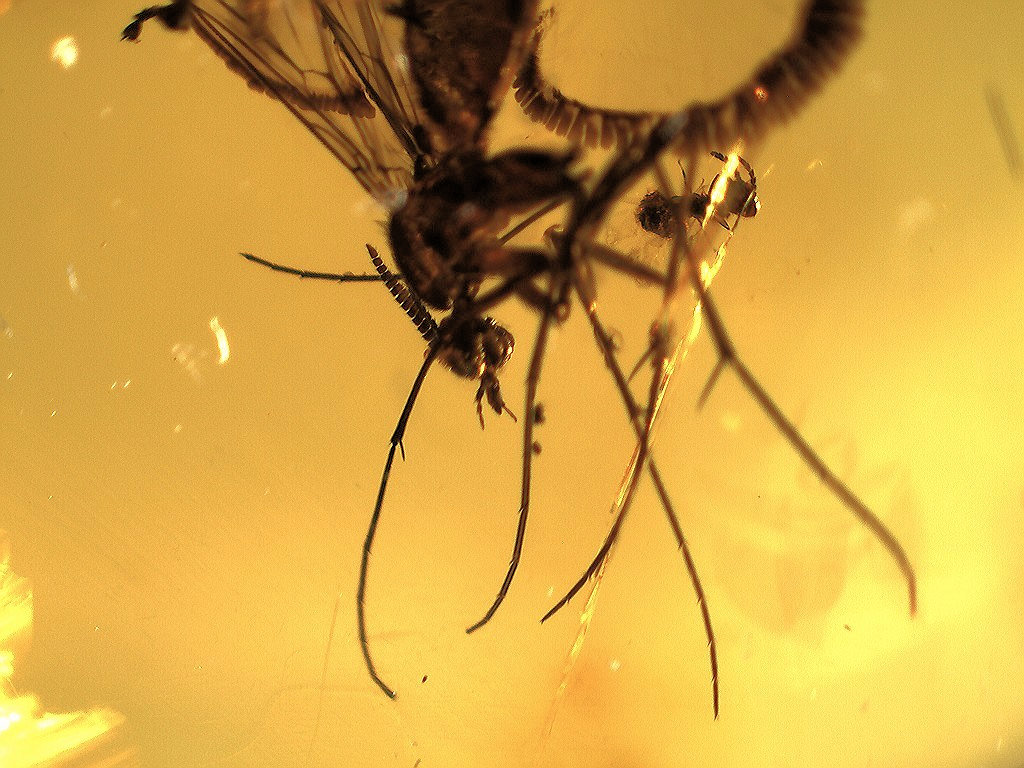
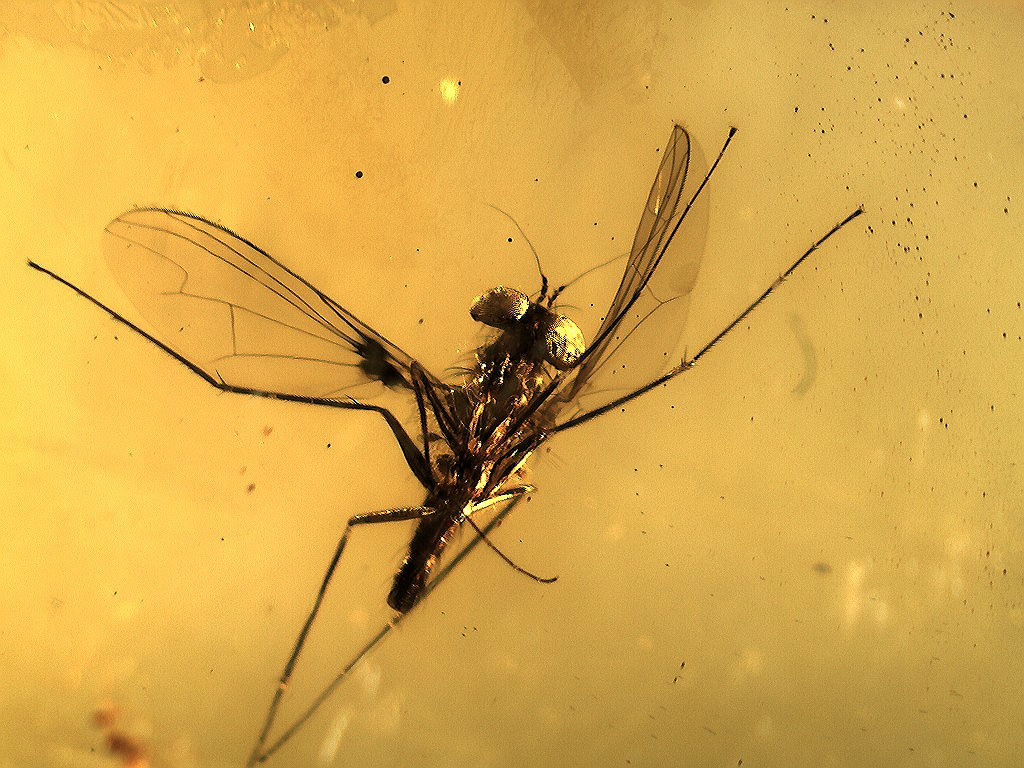
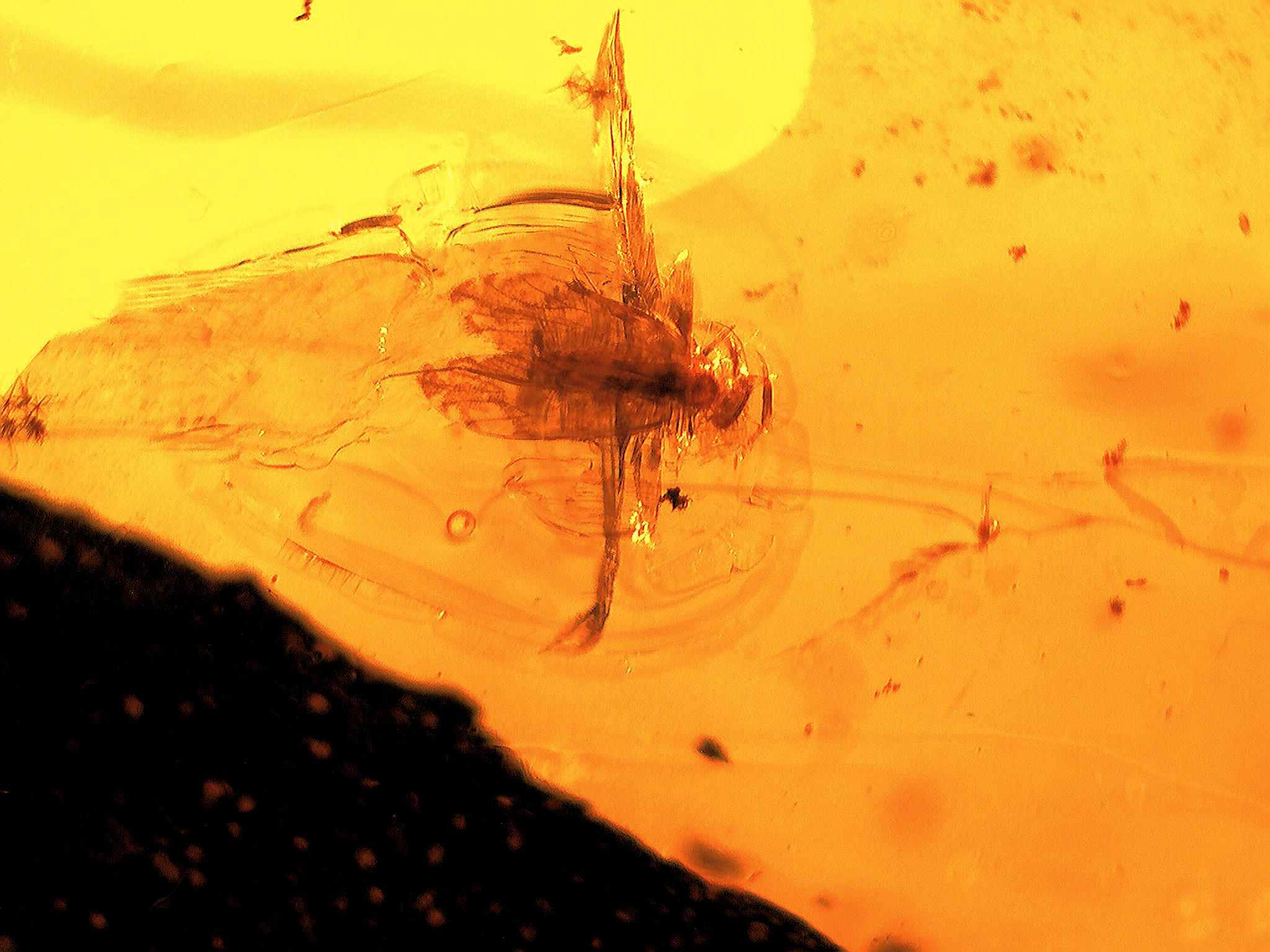
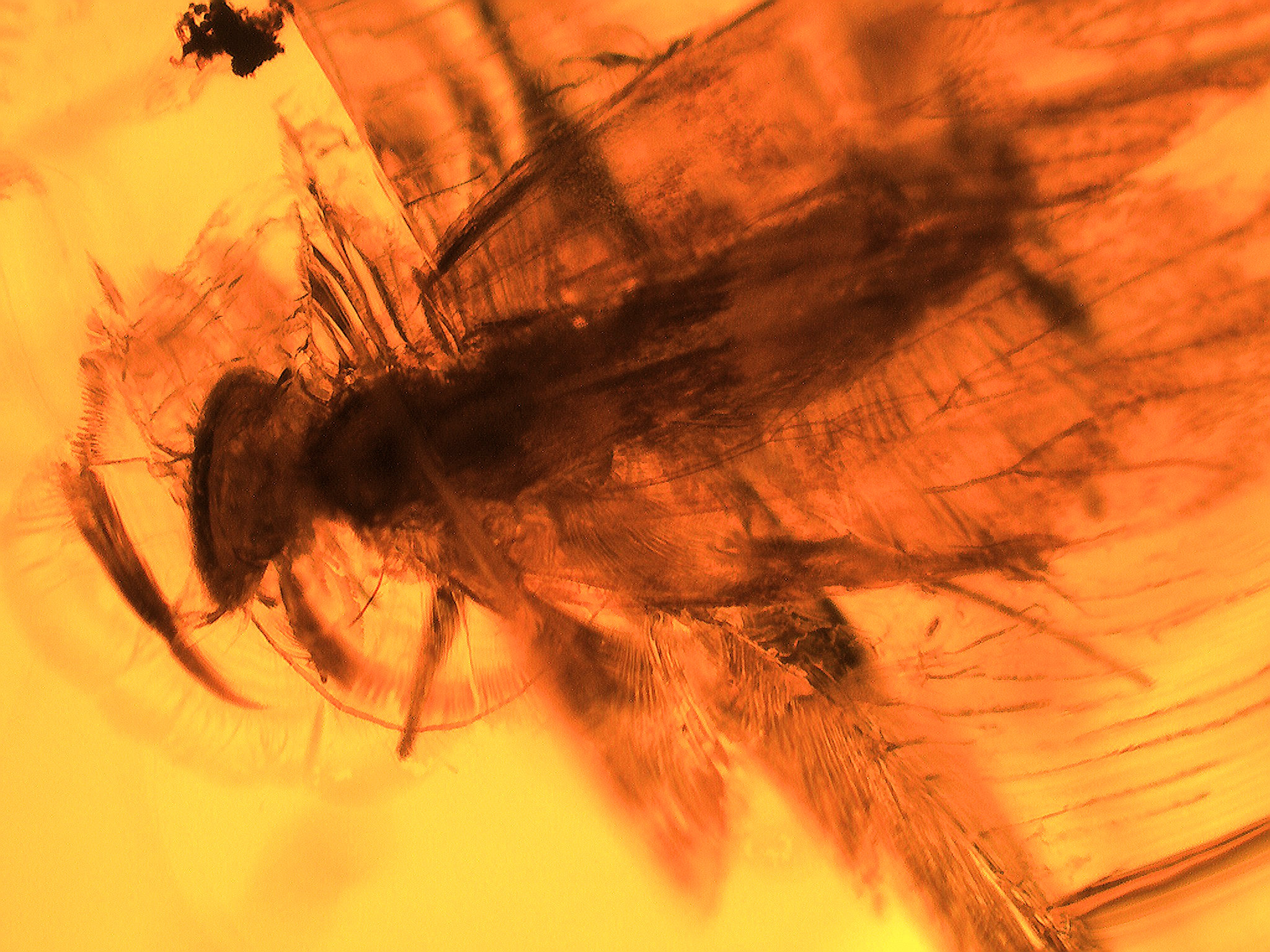
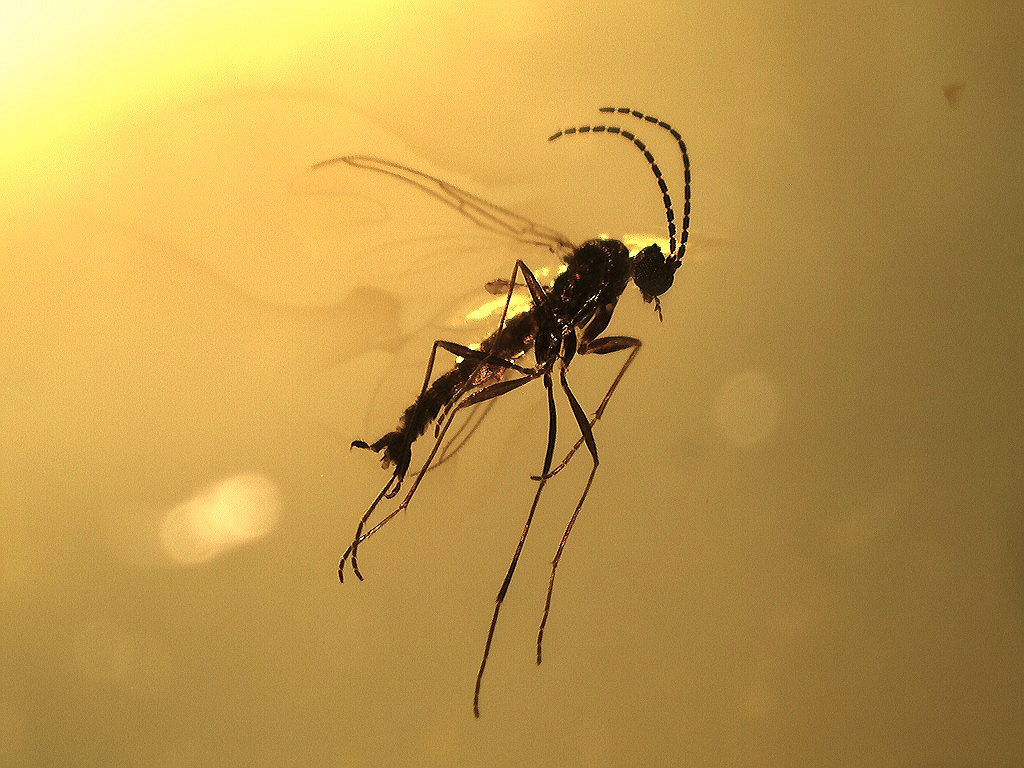
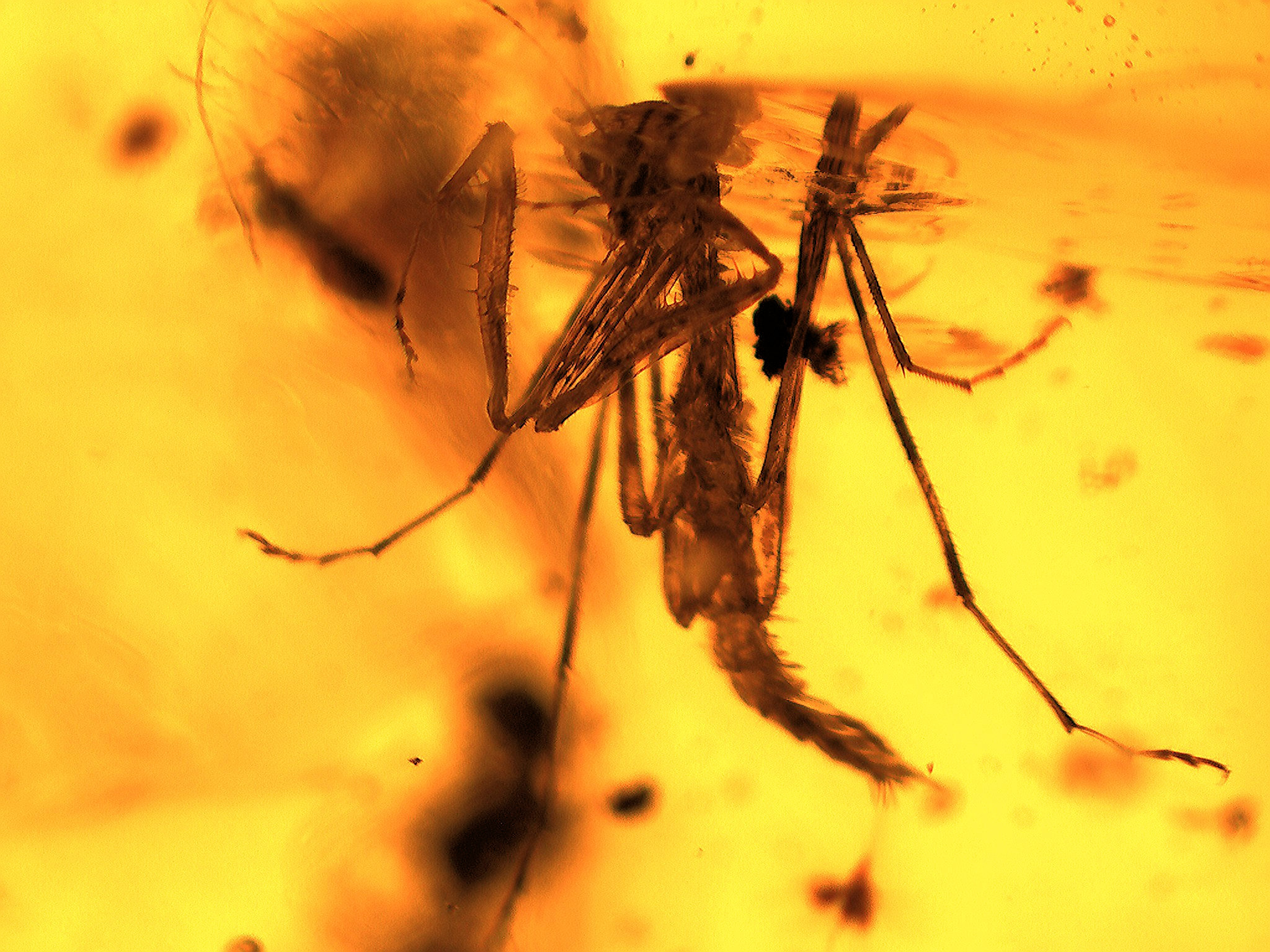
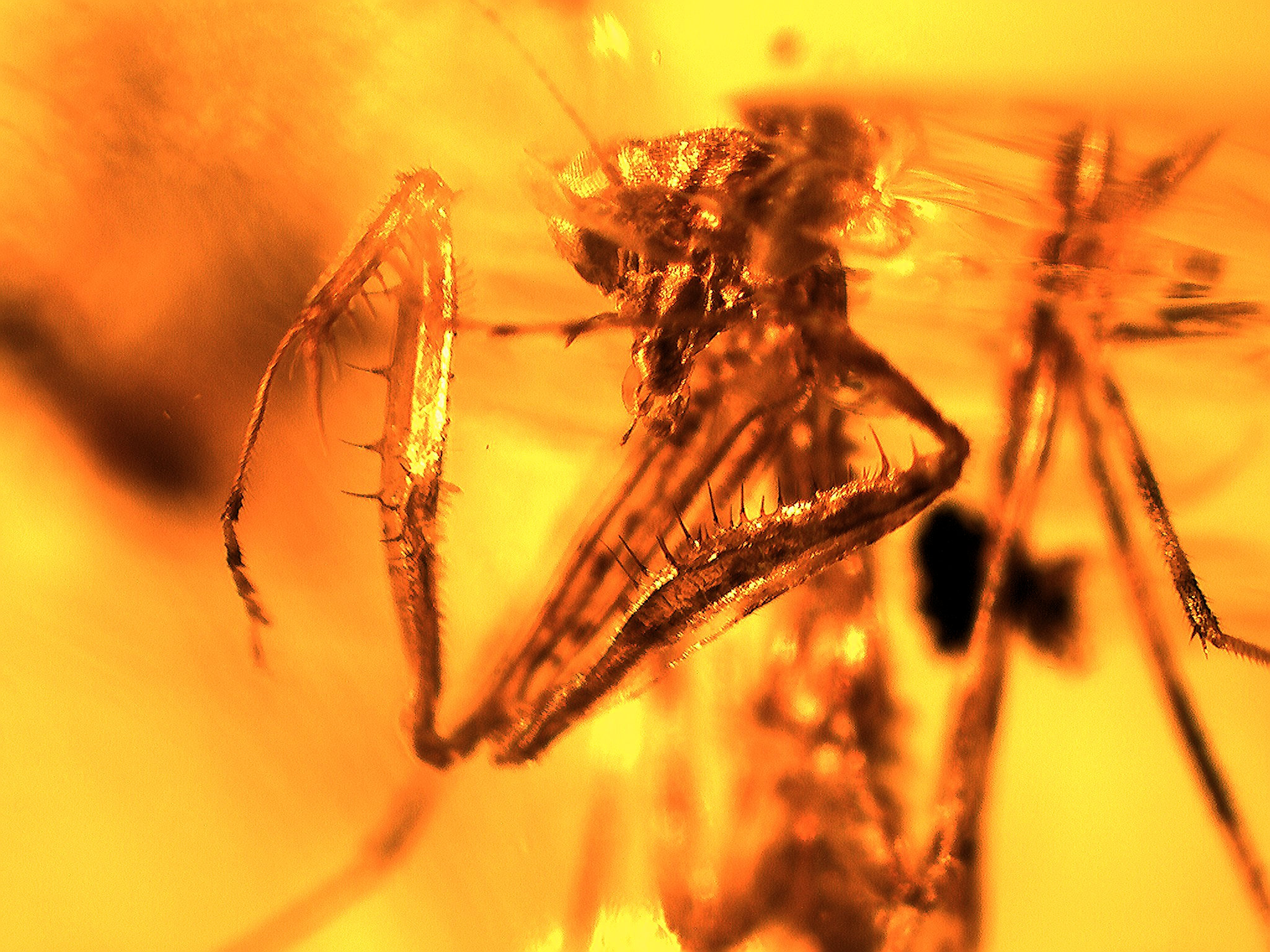
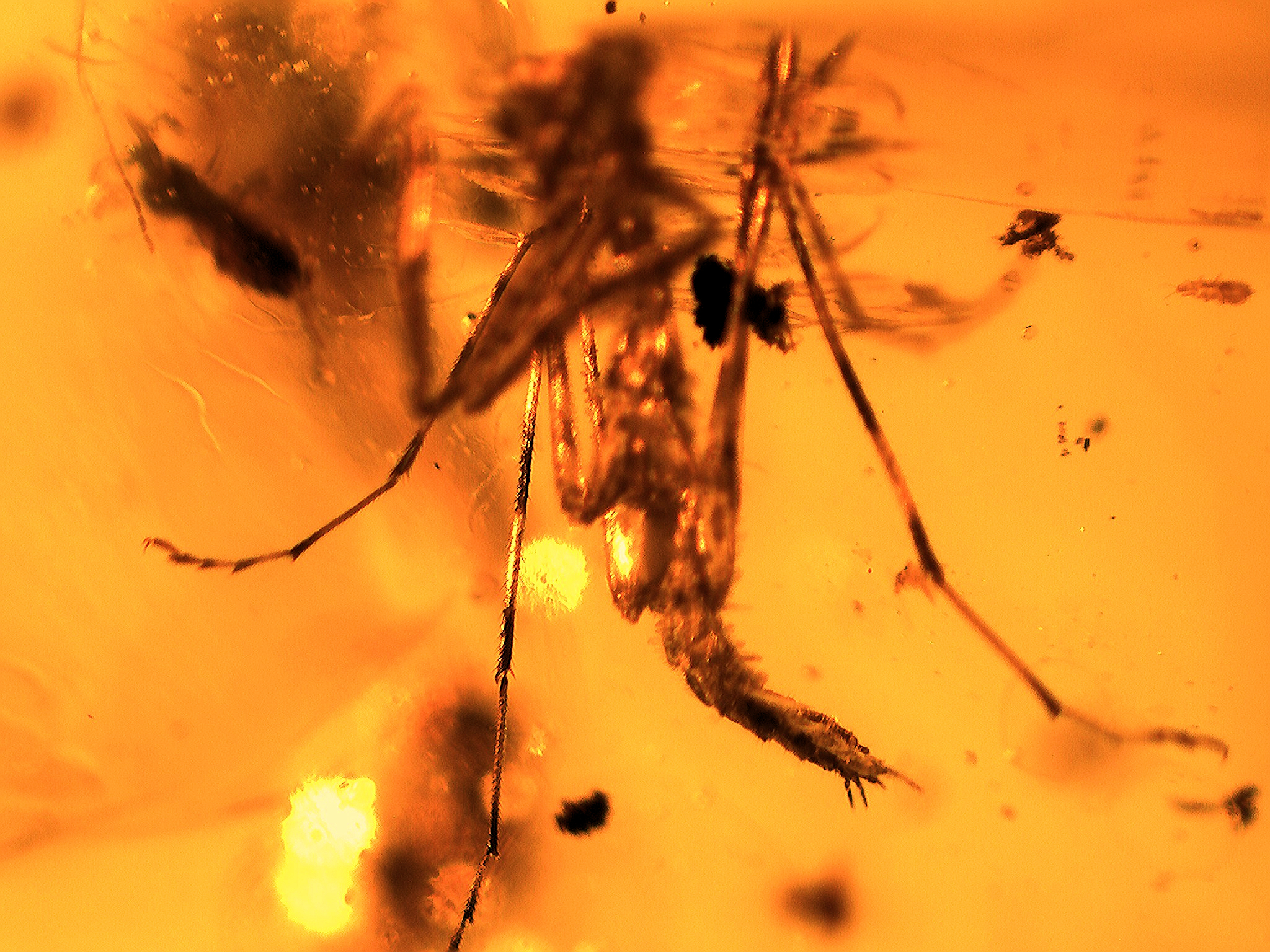
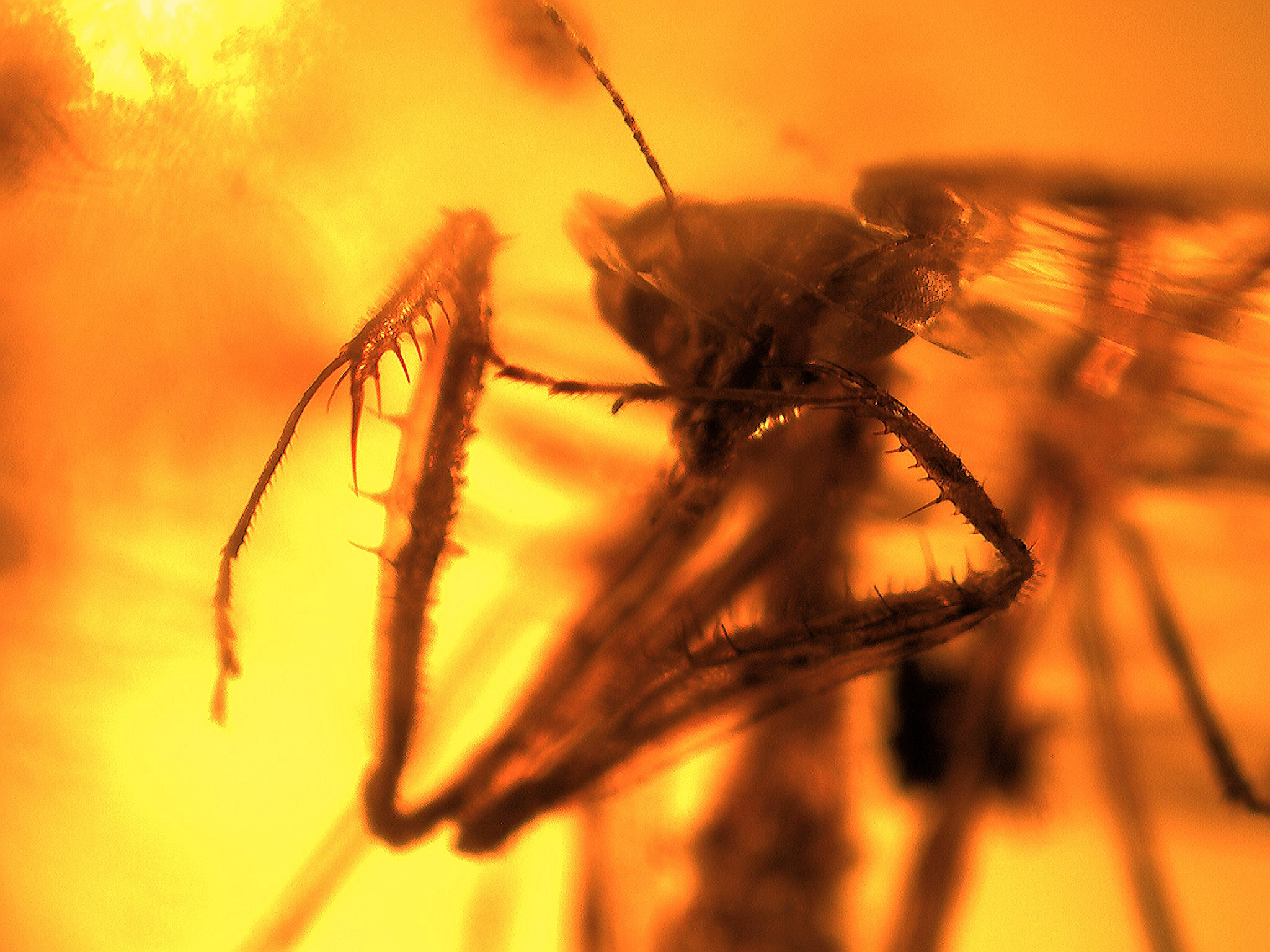
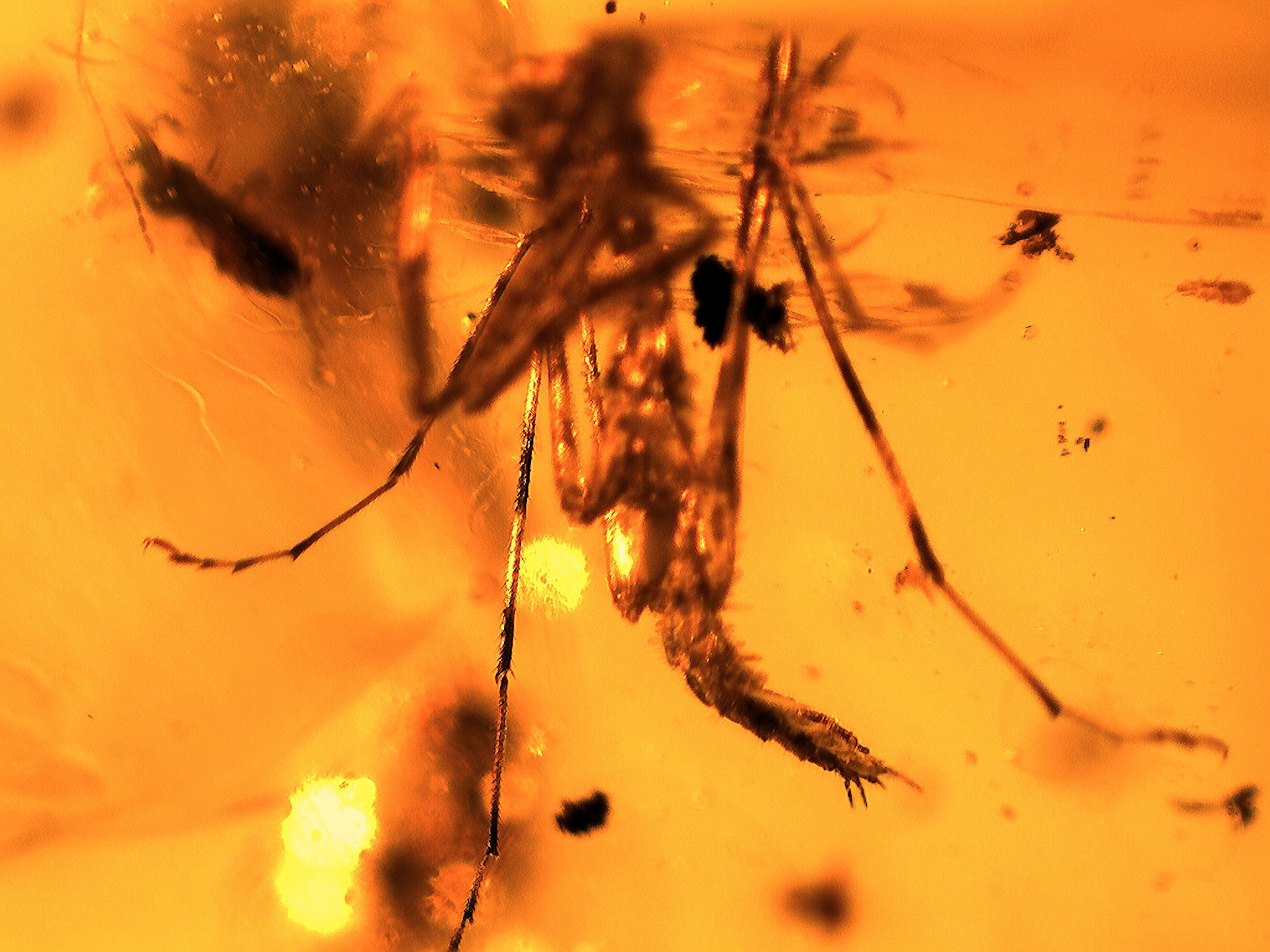
I will not guarantee the ID of this, but it certainly looks like a horsefly to me, Diptera, Rhagionidae. Horse flies are very rare in chiapas or Dominican amber. This guy photographs well.
Item 2

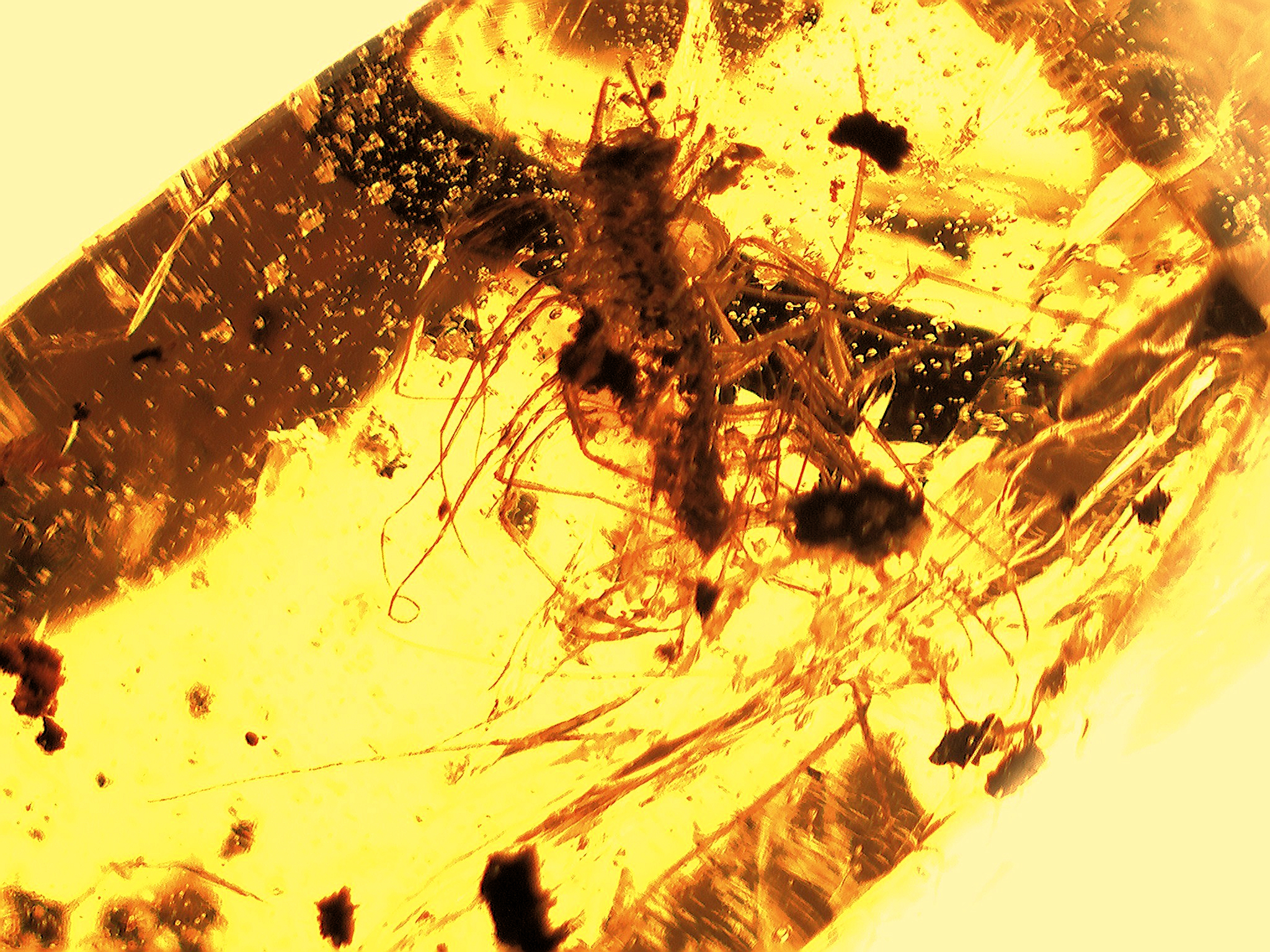
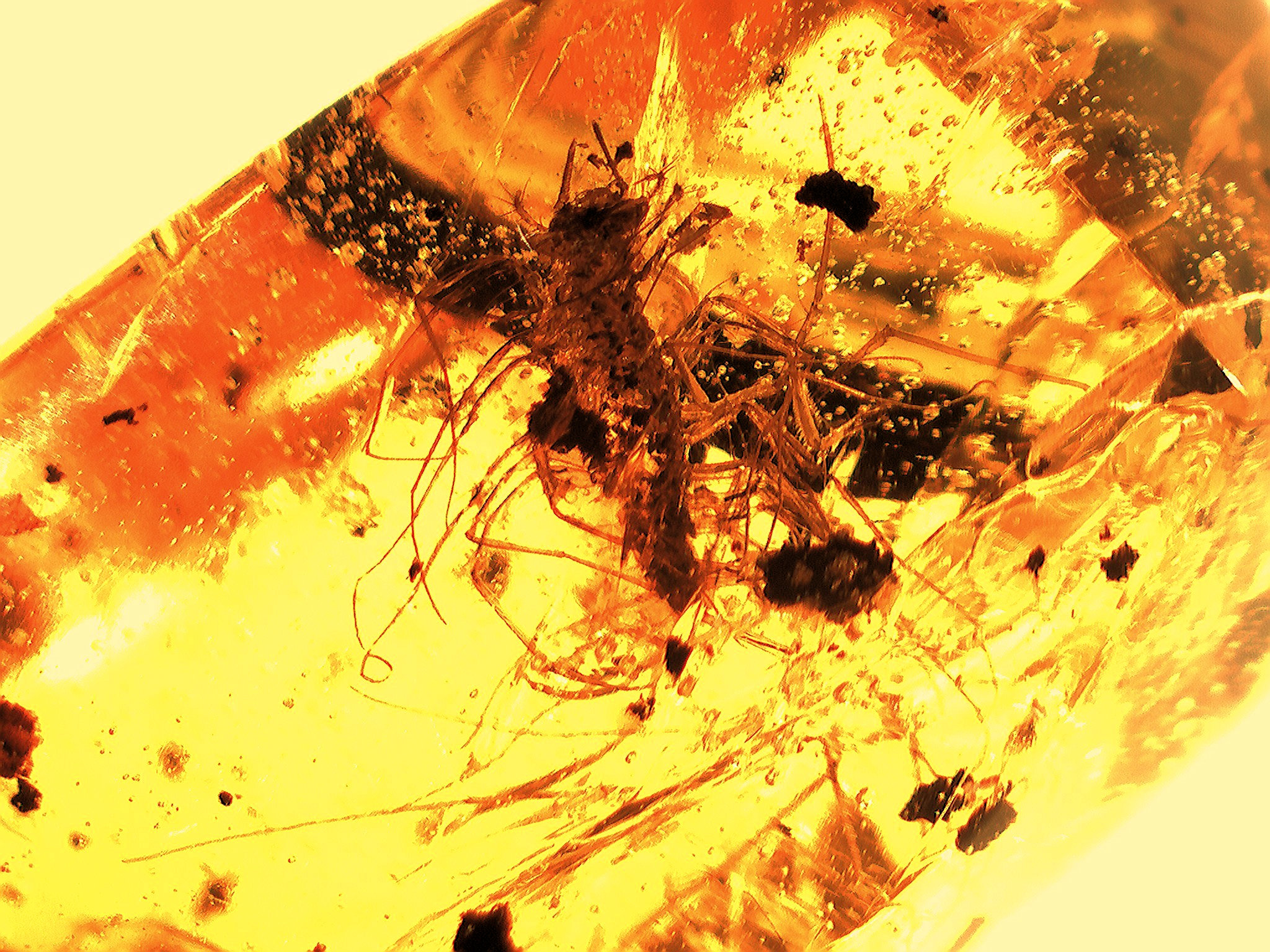
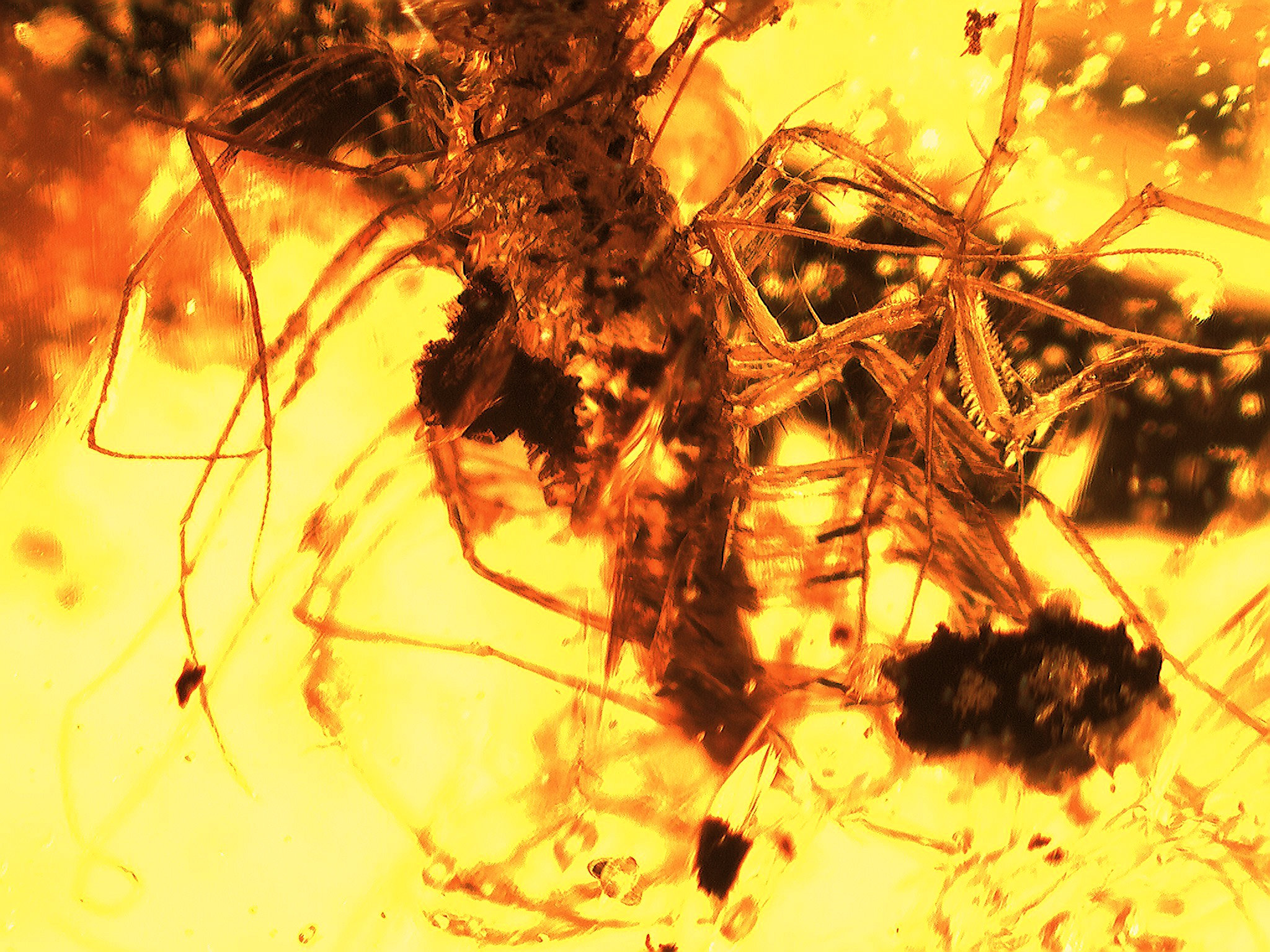
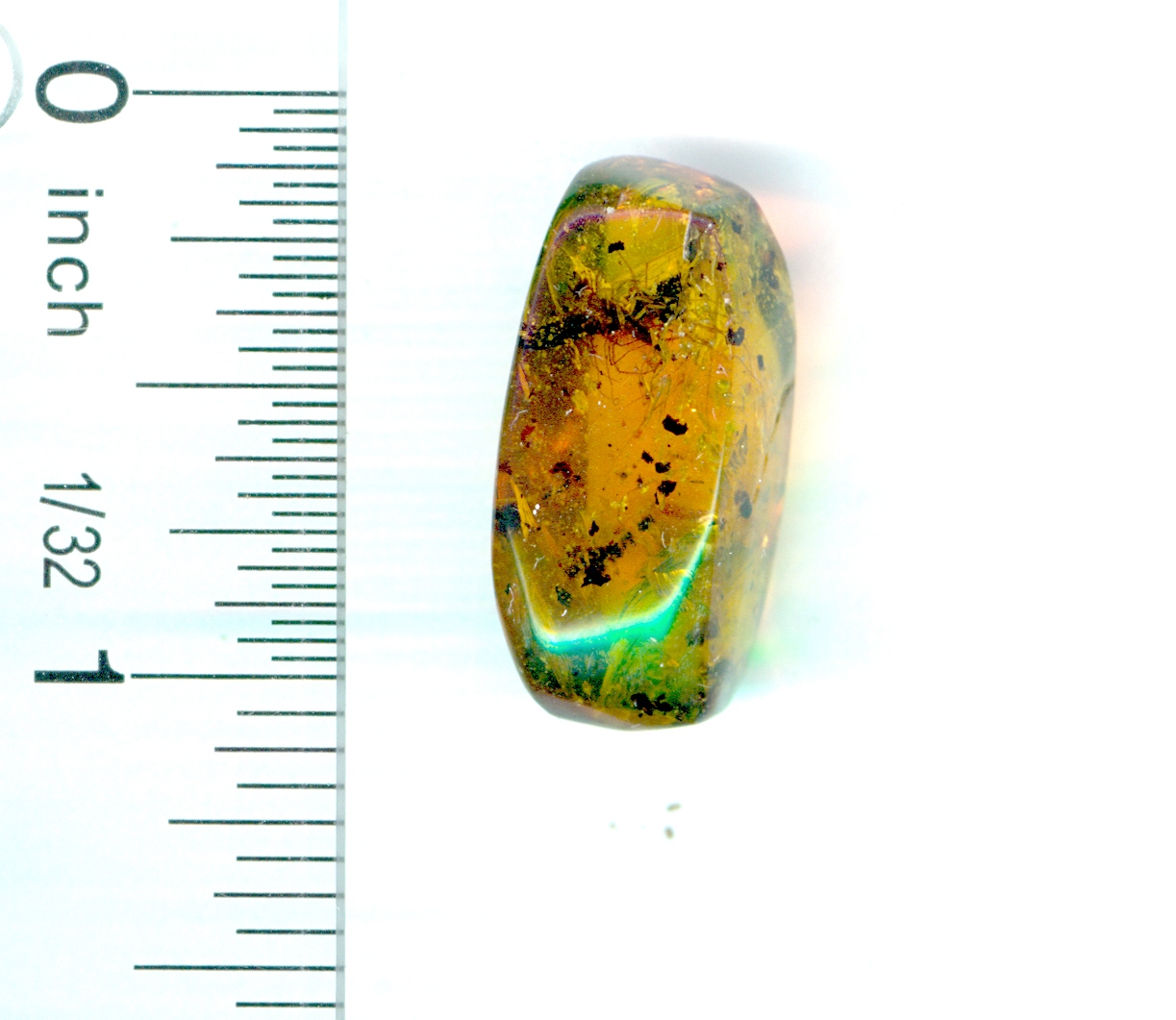
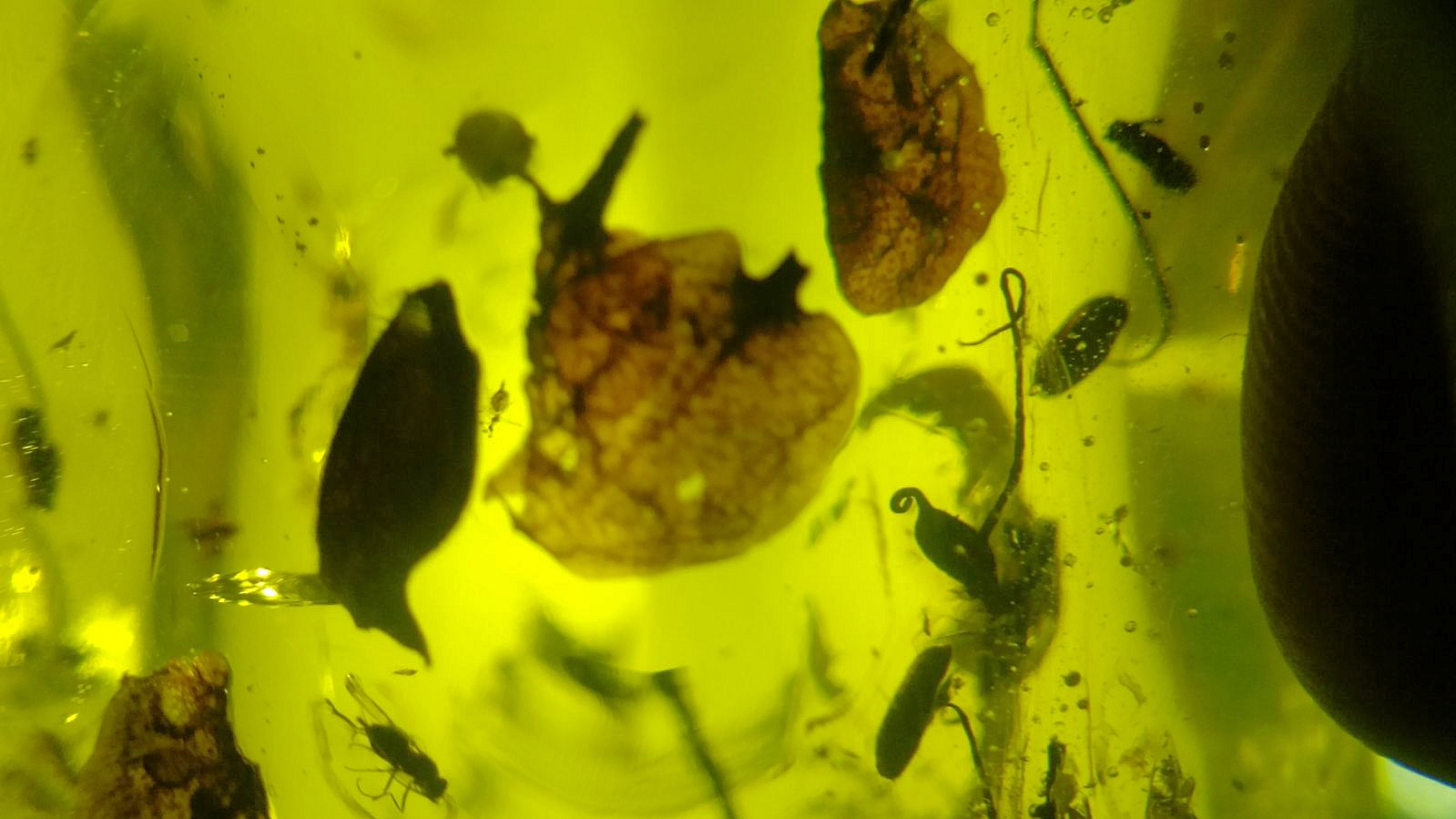
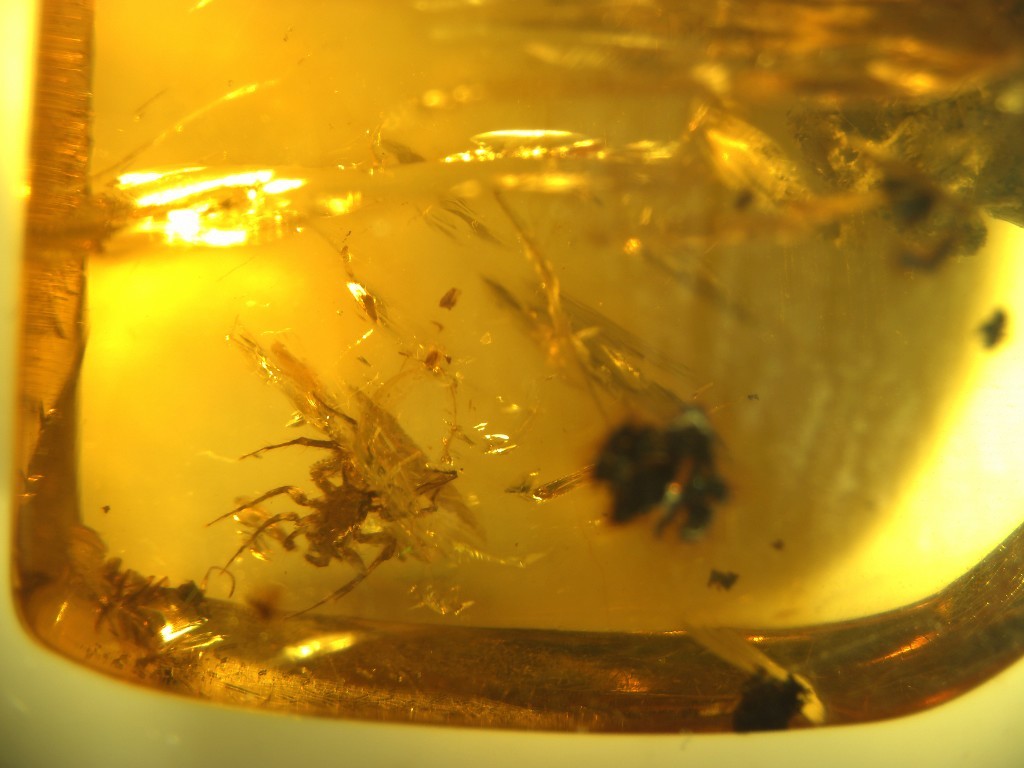
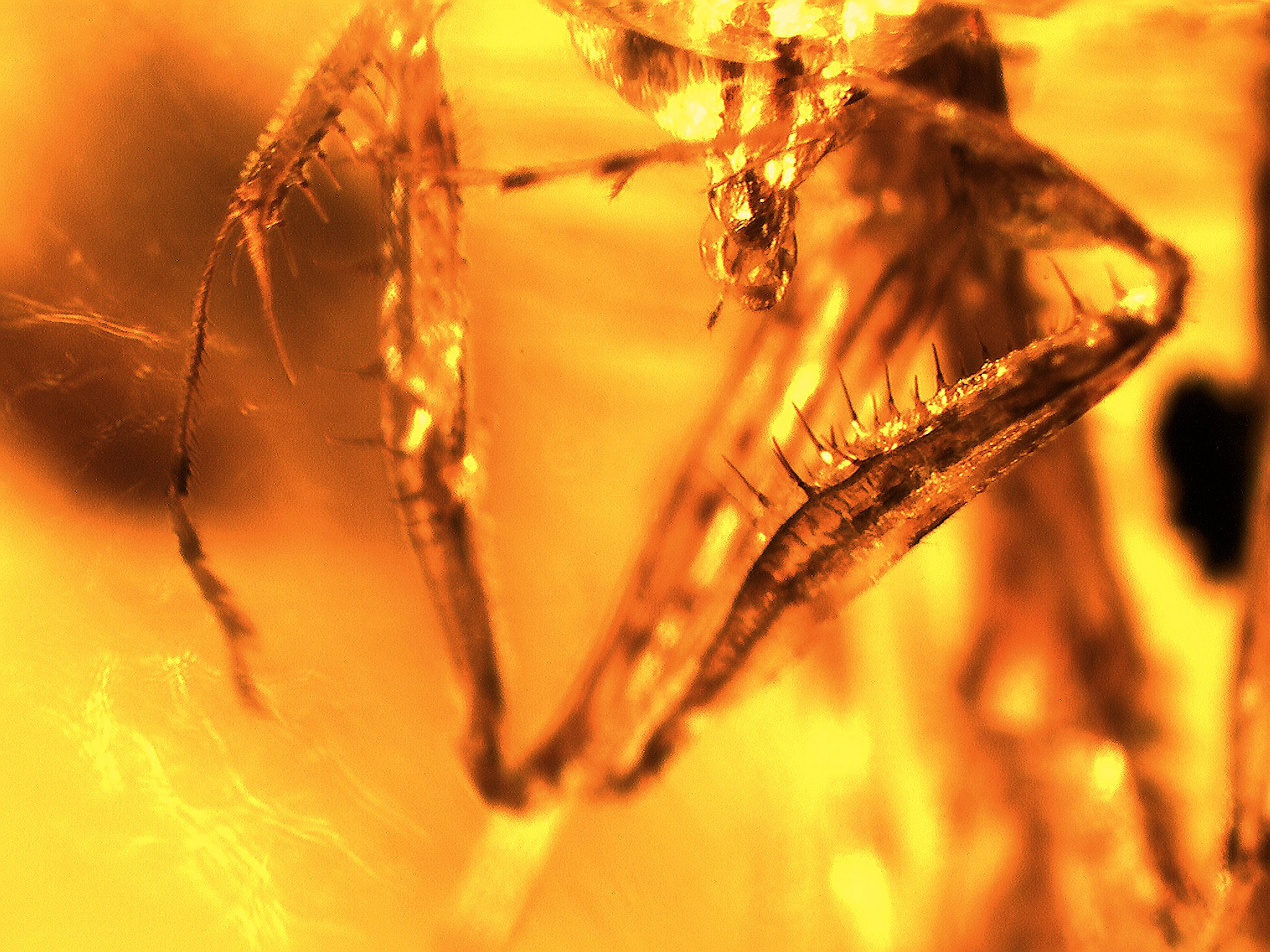
House centipede - Scutigeromorpha. Adult house centipedes have 15 pairs of legs, though only 7 at birth. They add one pair of legs each time they molt, making their age apparent simply by counting the number of legs. This one, as far as I can tell is a full adult. House centipedes are fast creatures in spite of their sluggish appearance. Their legs can rarely be seen intact in amber, because they are often torn off as the centipedes tried to escape from the resin. House centipedes are very rare in amber. There is also what looks like part of a stem and maybe the beginnings of a flower.
Item 3
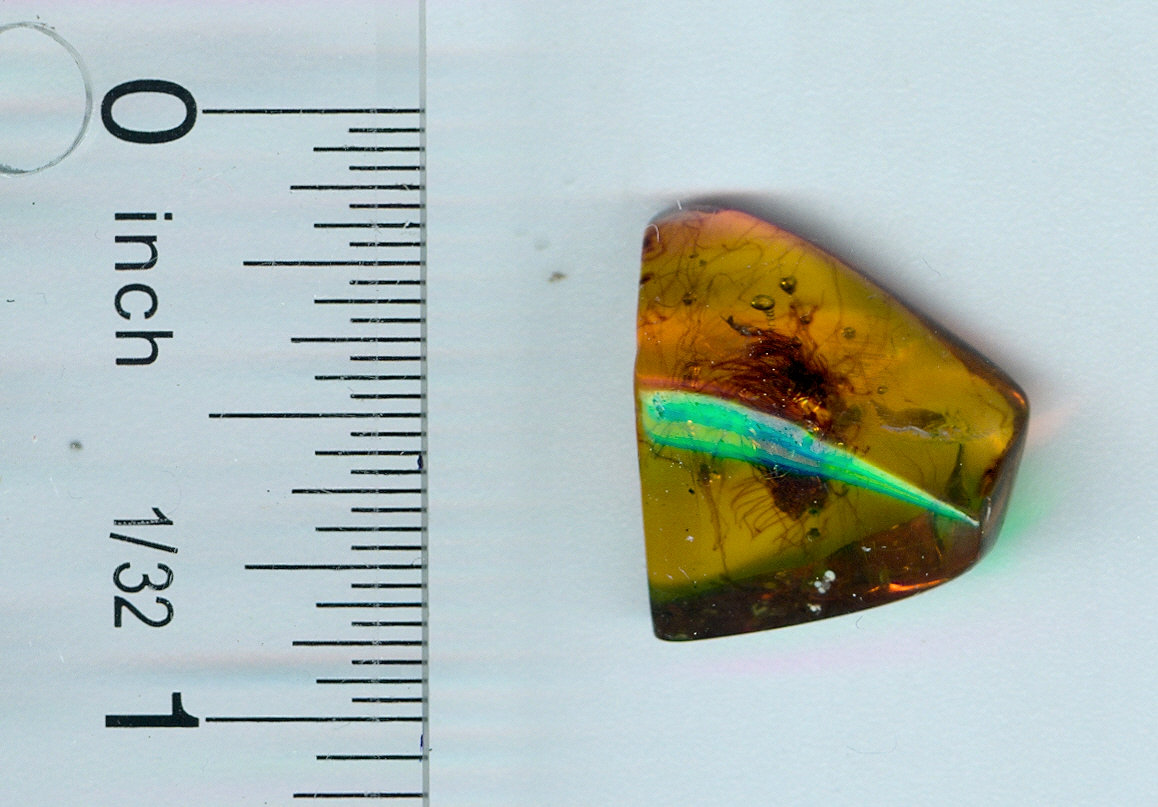
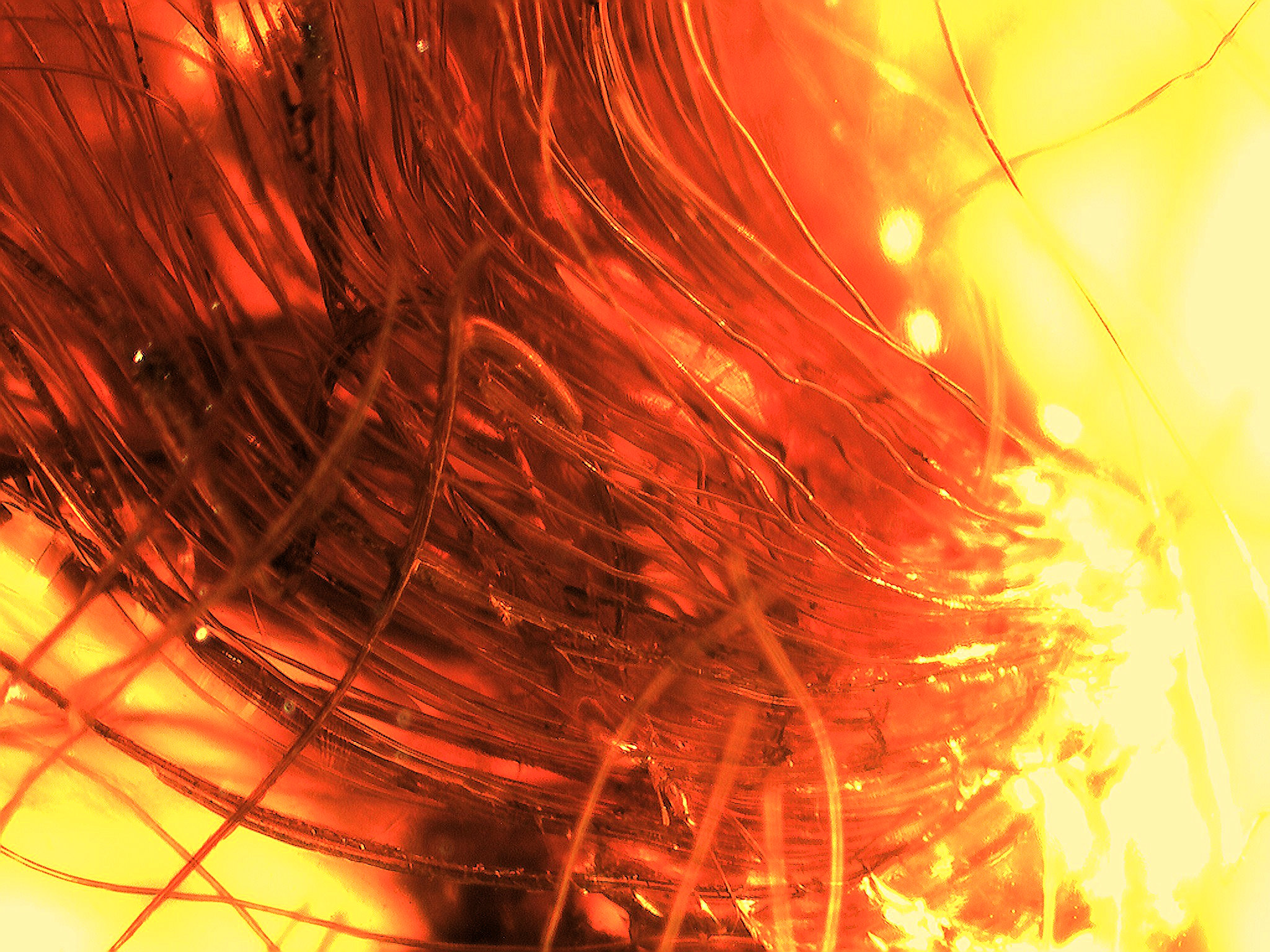
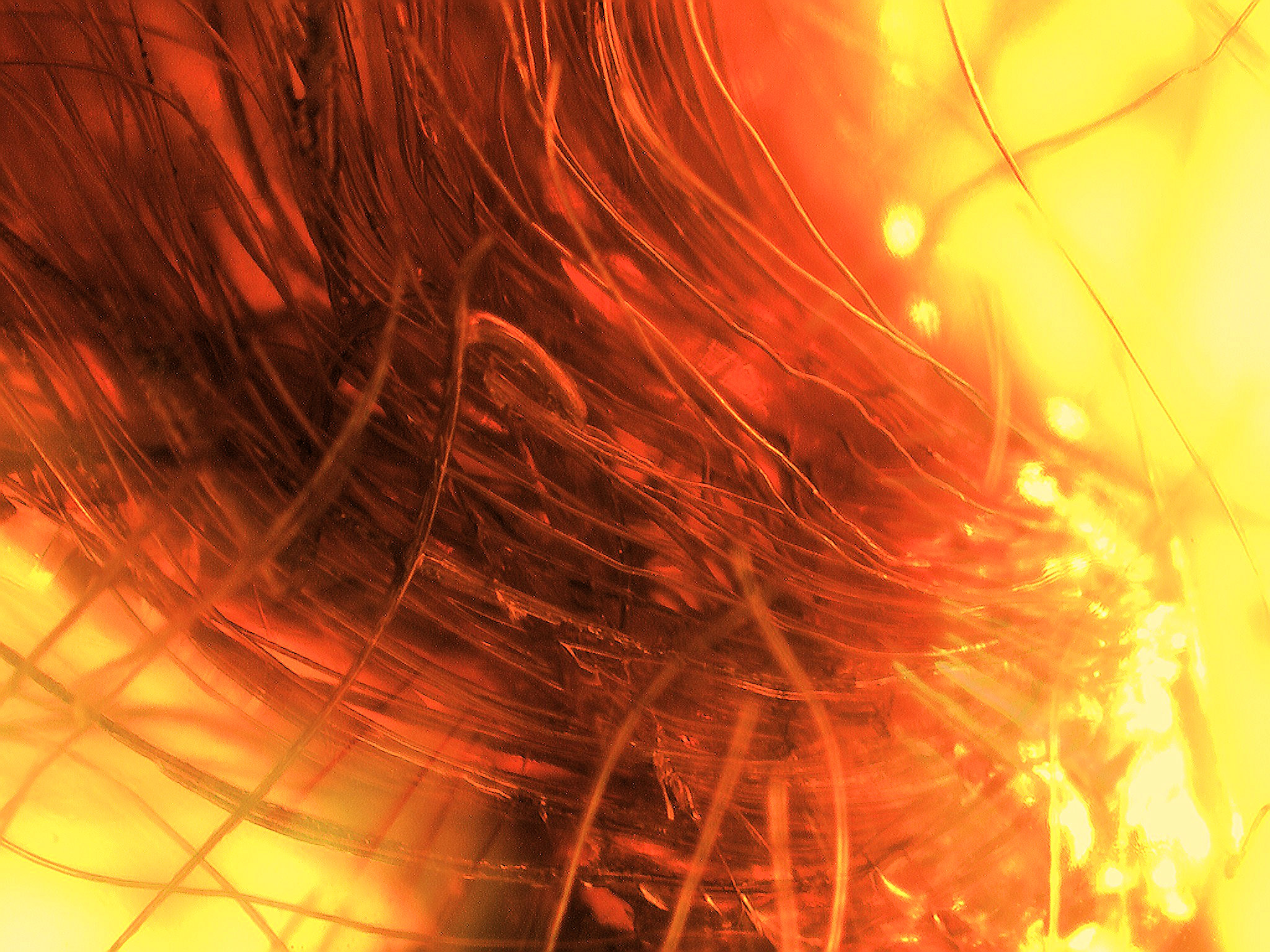
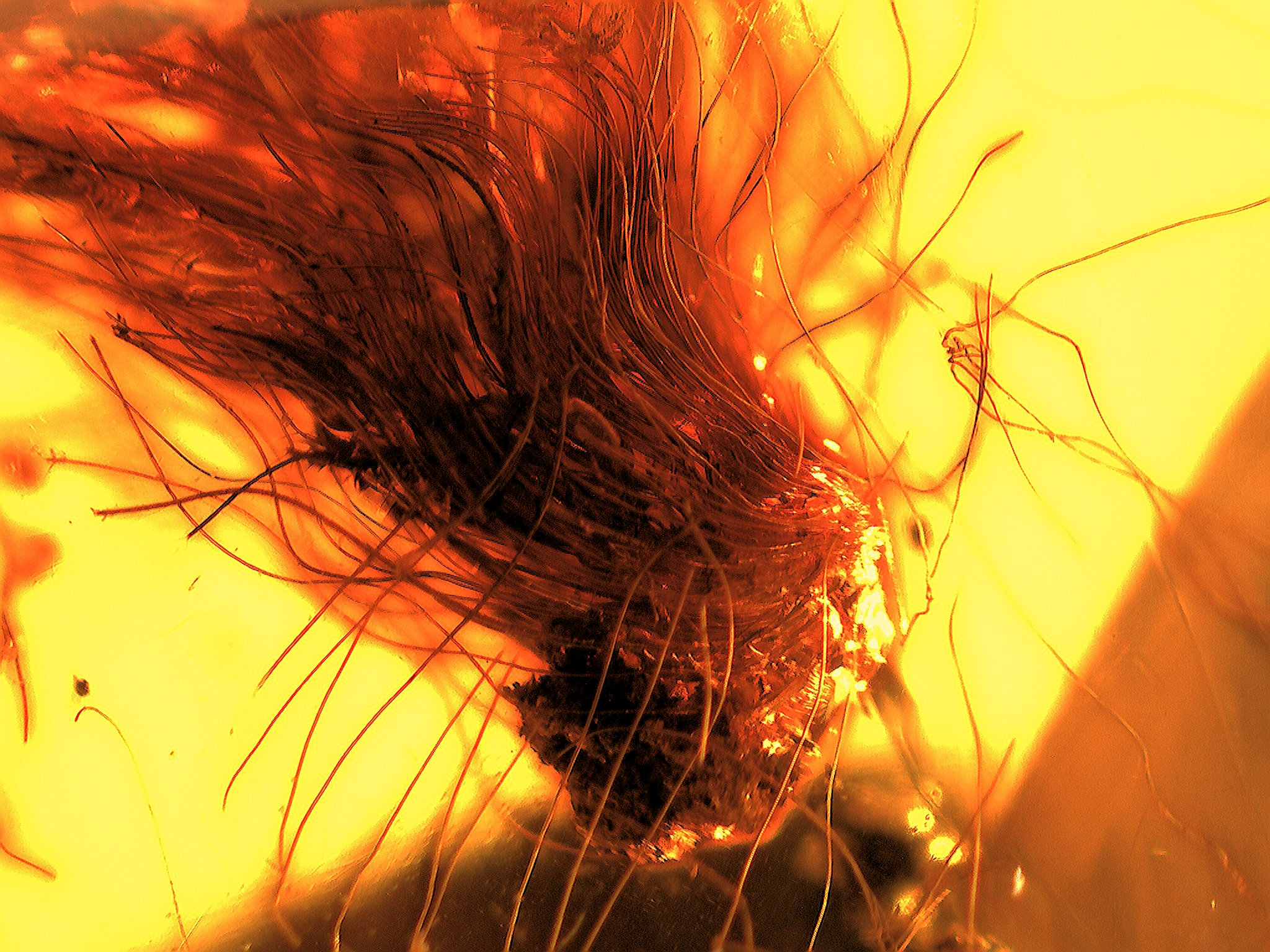
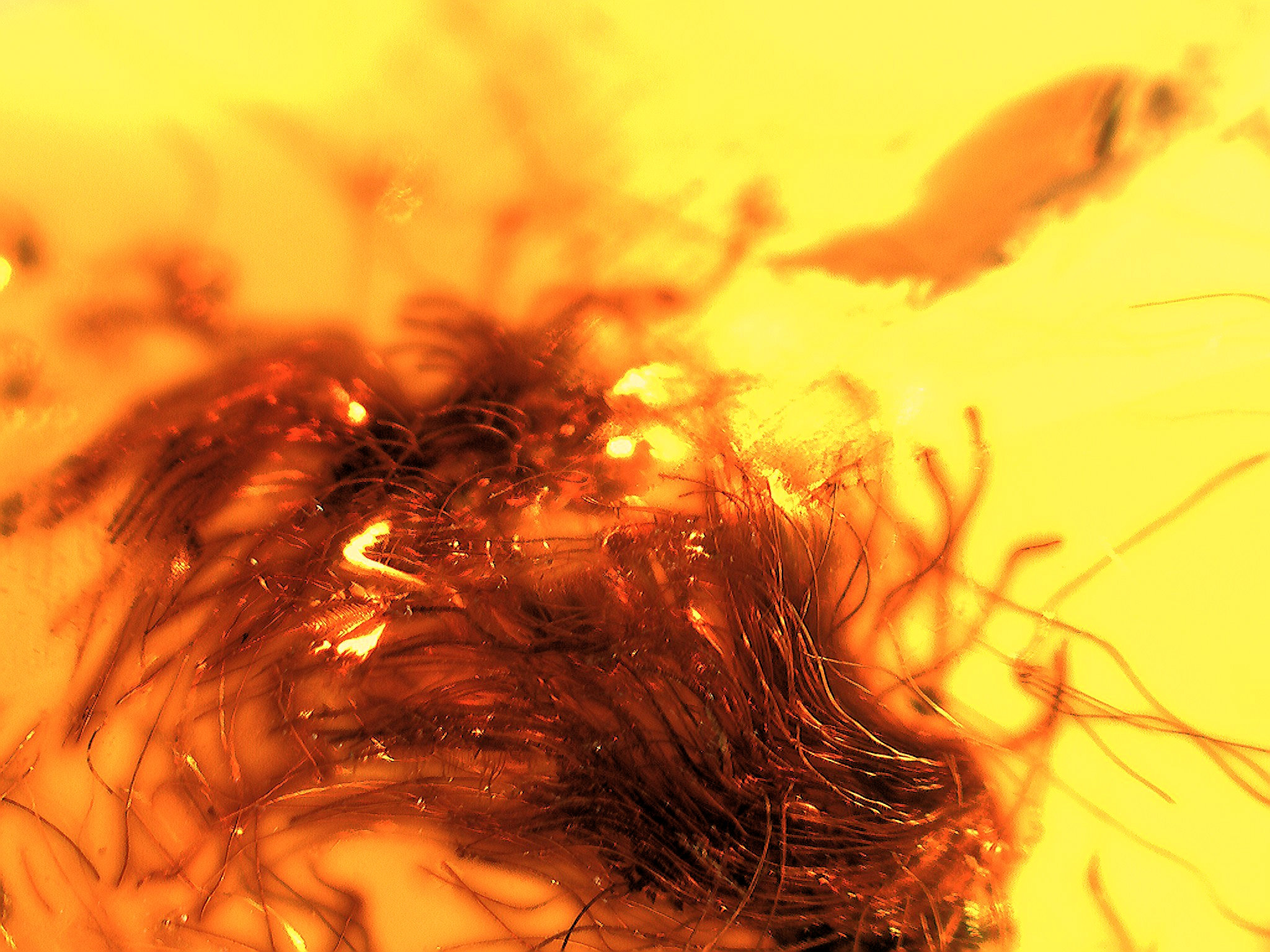
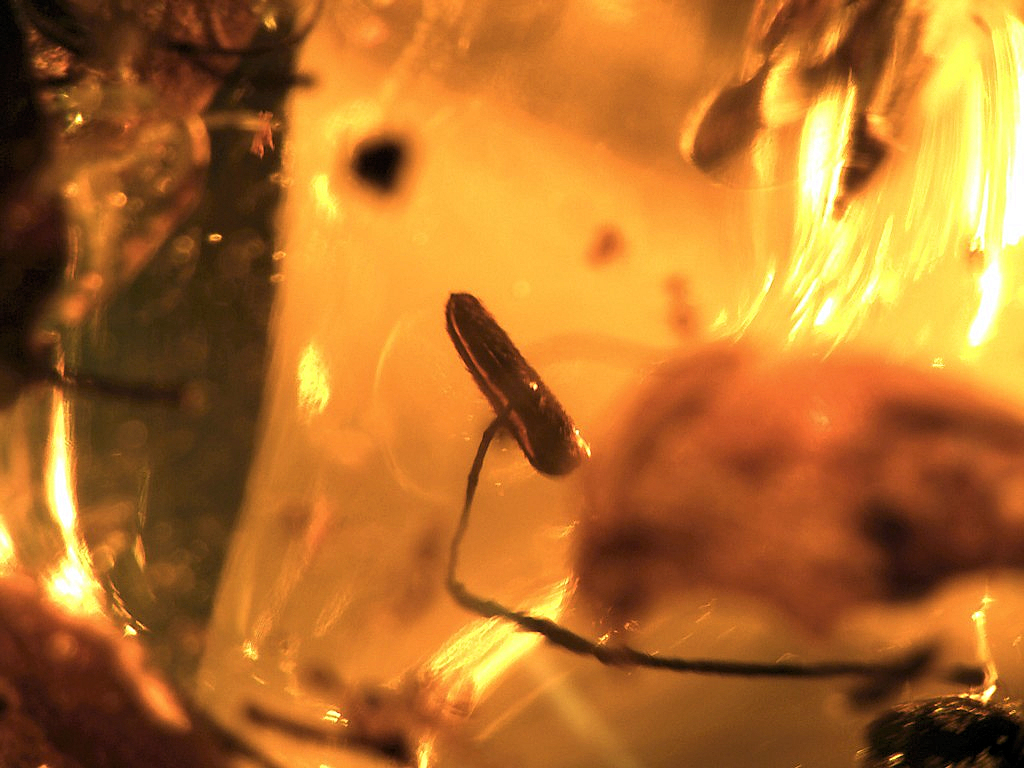
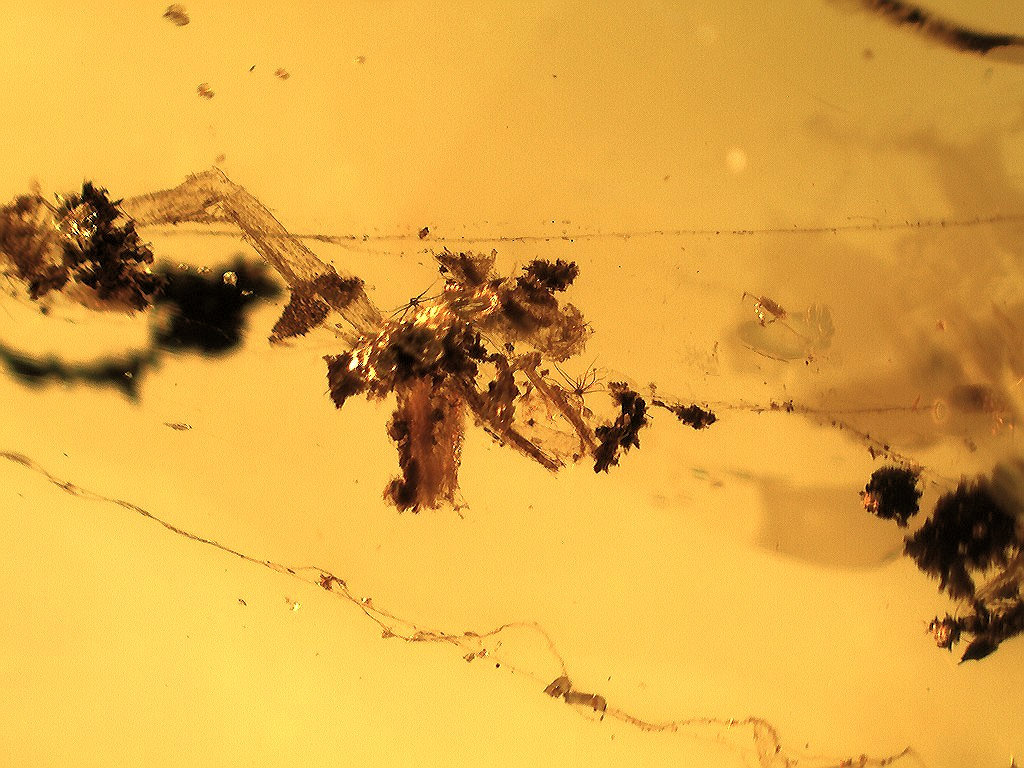
A smallish piece that contains what looks like mammalian hair. Upon a very concentrated observation of this piece, I think it is from a botanical source (fibers) rather than hair. Now I am counting on that since if this was real mammalian hairs, it would be very expensive. It is a good piece and great fun to look at with a magnifier.
$92
Item 4
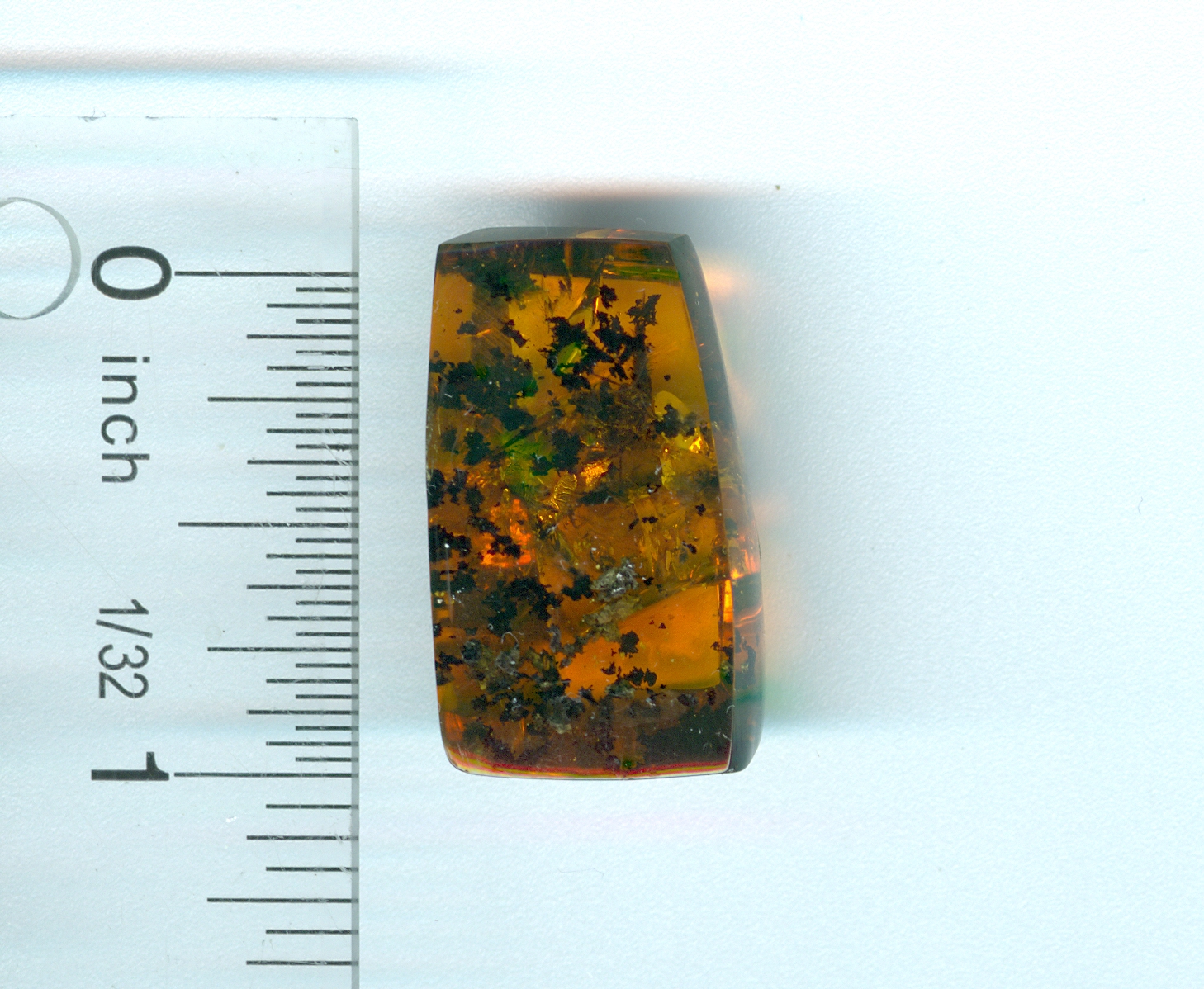
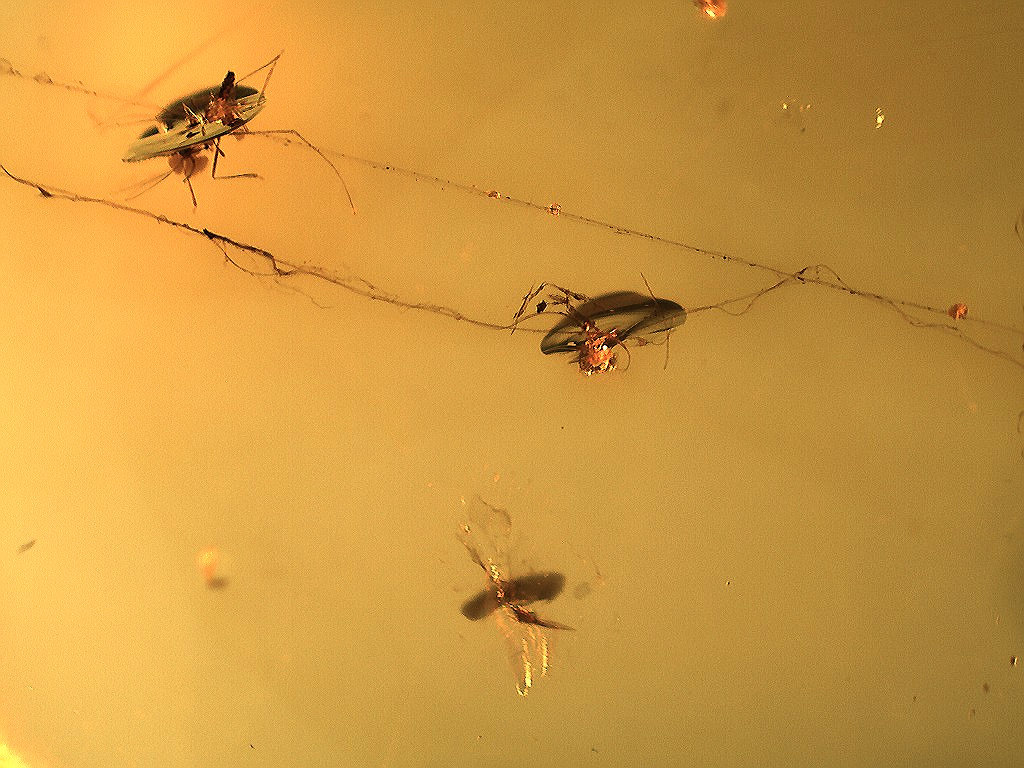
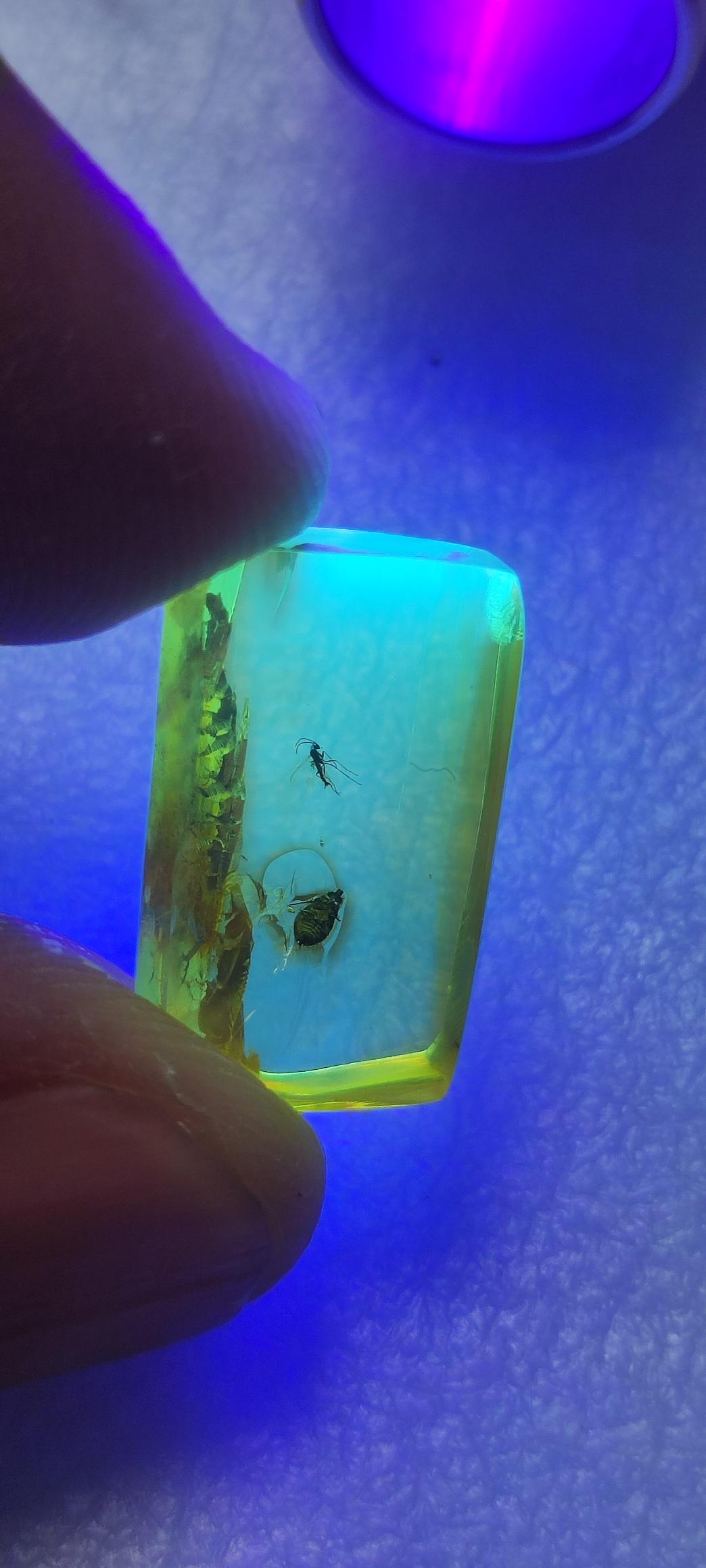
A nice sized, rectangular shaped piece of amber that contains 2 long winged, male termites and also a set of wings off to the side. Nice piece.
Item 5
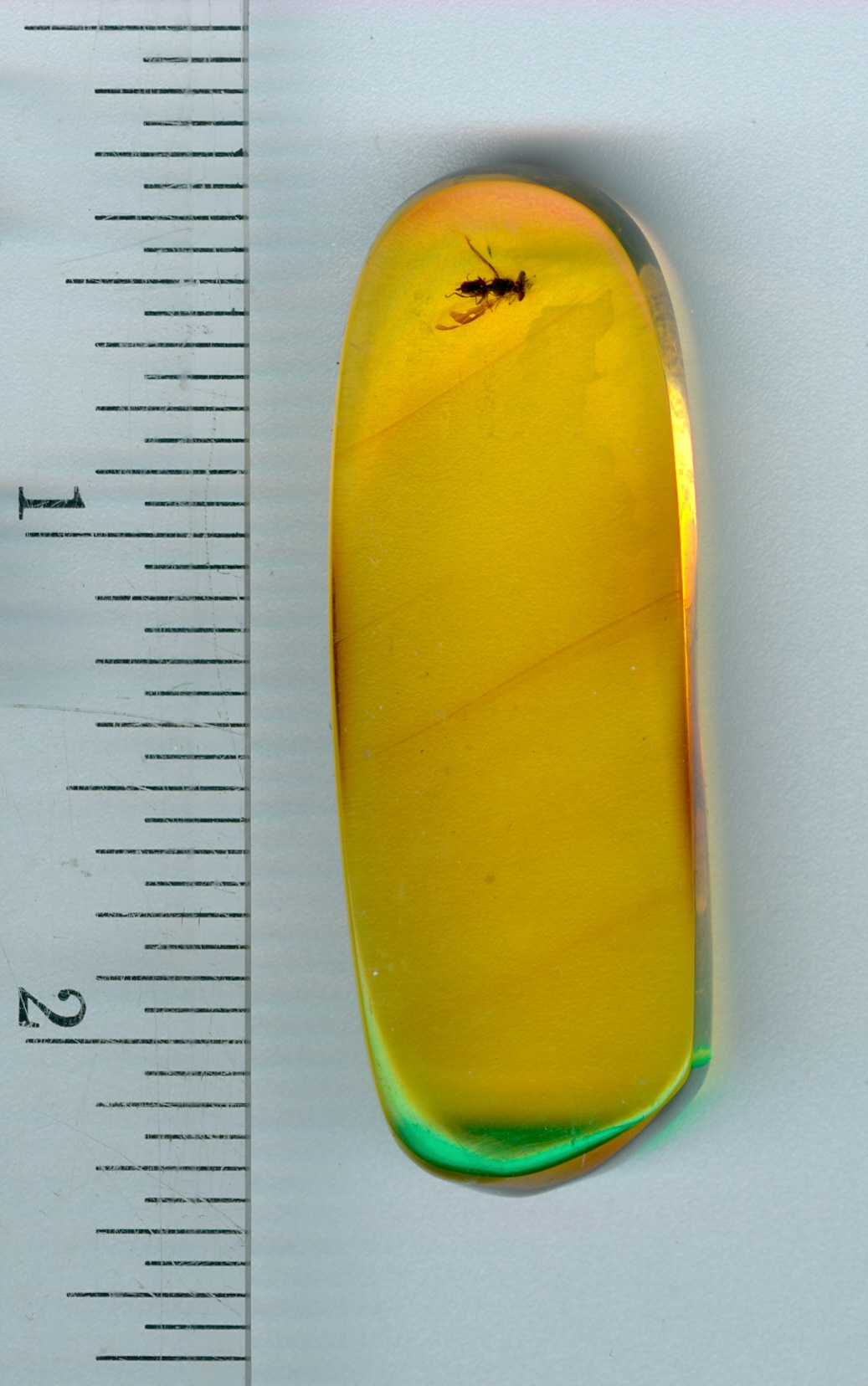
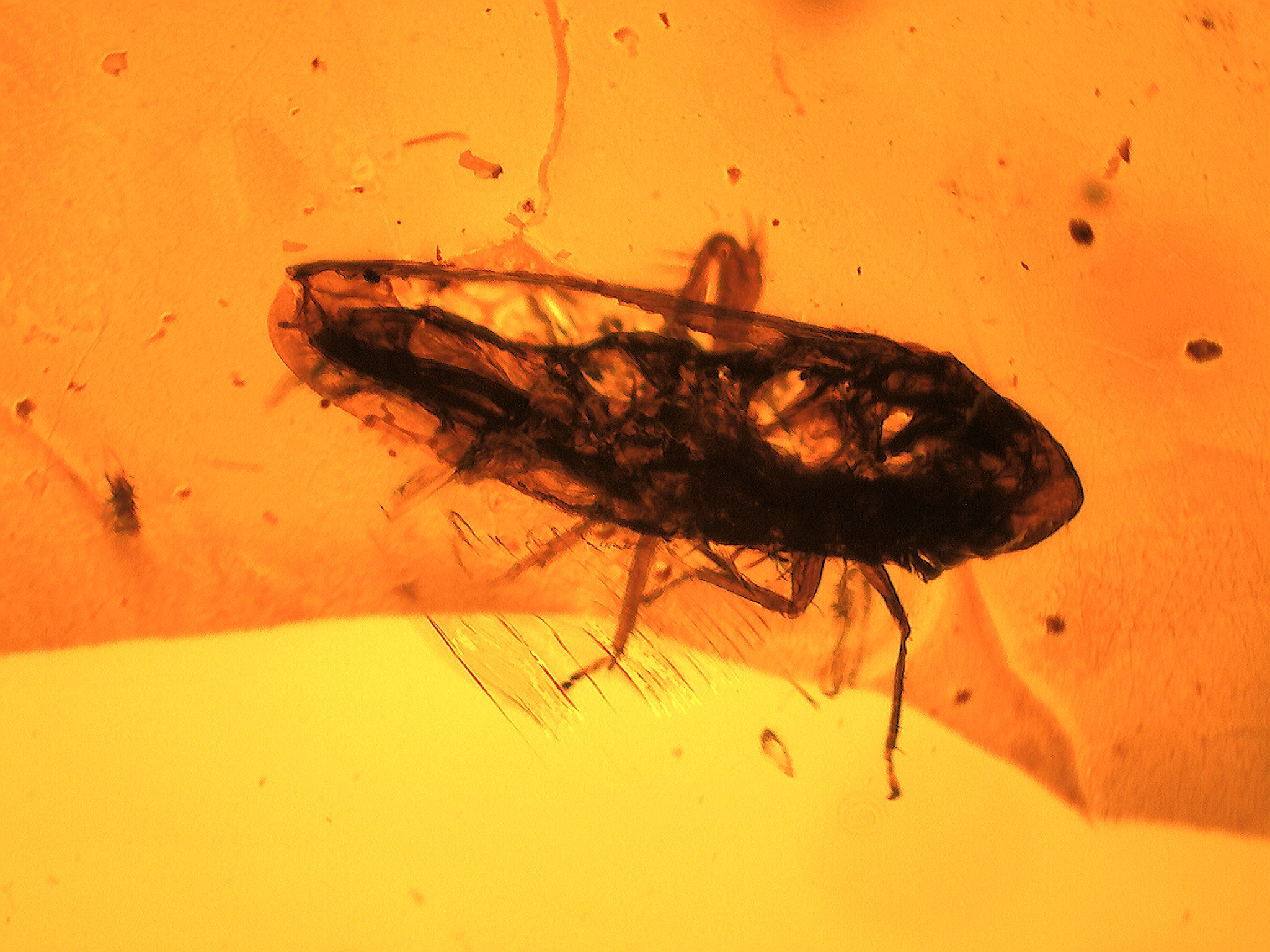
Order: Homoptera, Infra Order: Fulgoromorpha - this is a planthopper nymph - almost an adult. You can see the wings on the dorsal side of this insect. The amber is a dak yellow color.
Item 6

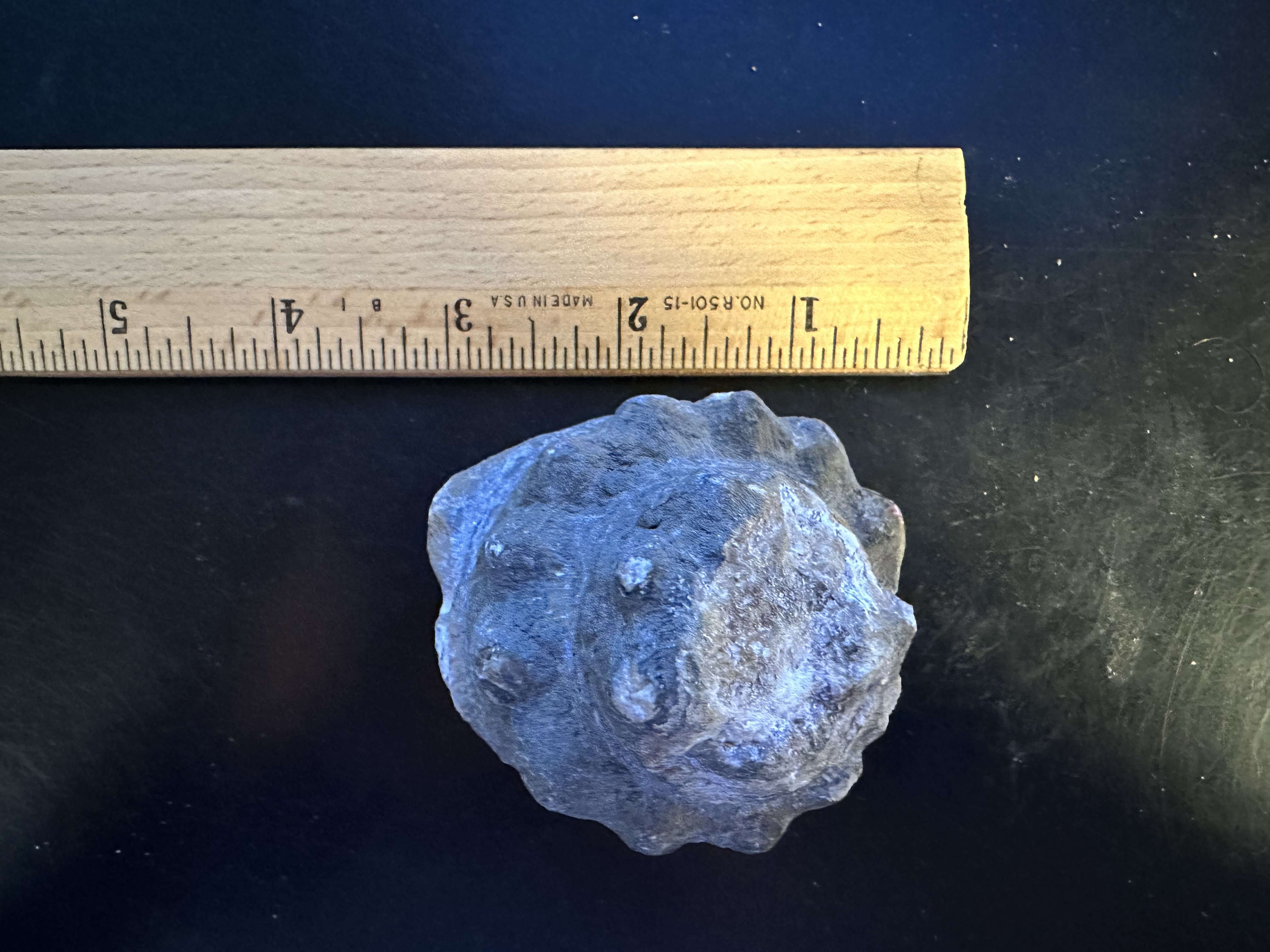
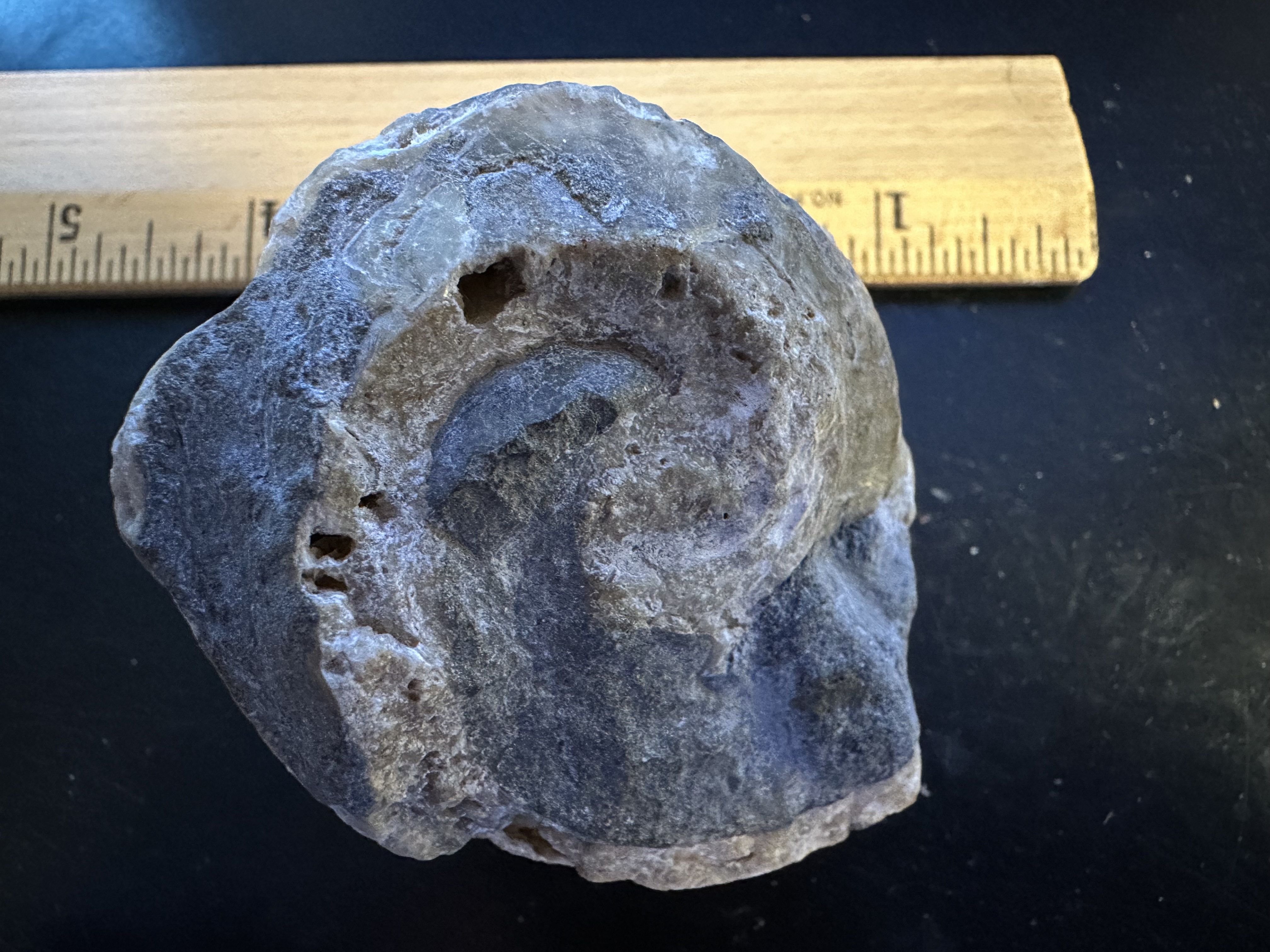
This is a fossil from the Pocitos mines in Simojovel, Chiapas. I do no know what it is, but it is circular, similar to a nautilus. My guess is that this is scientifically important.
Item 7
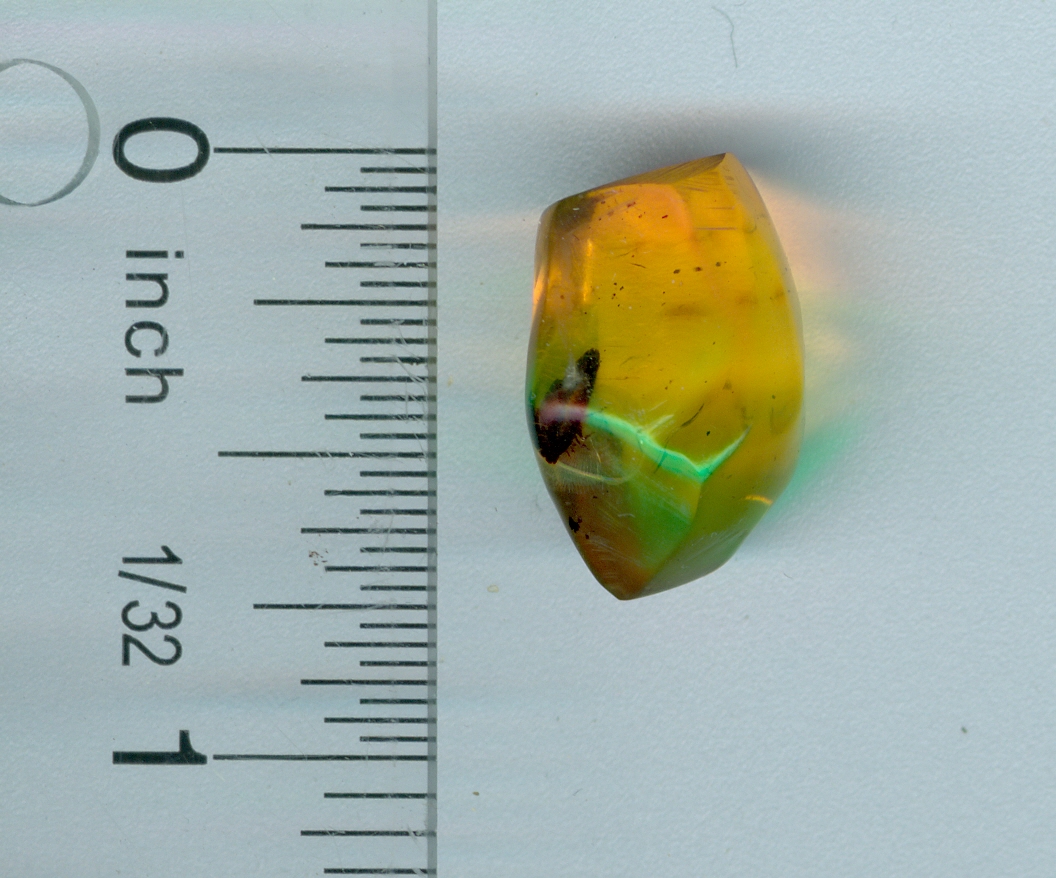
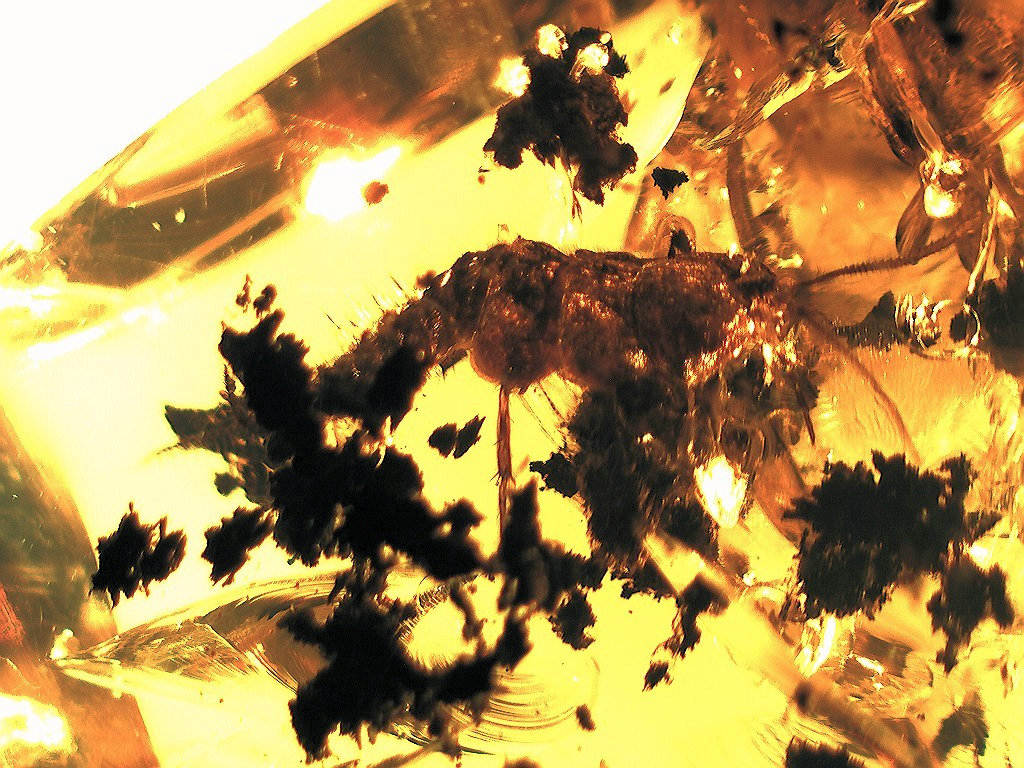
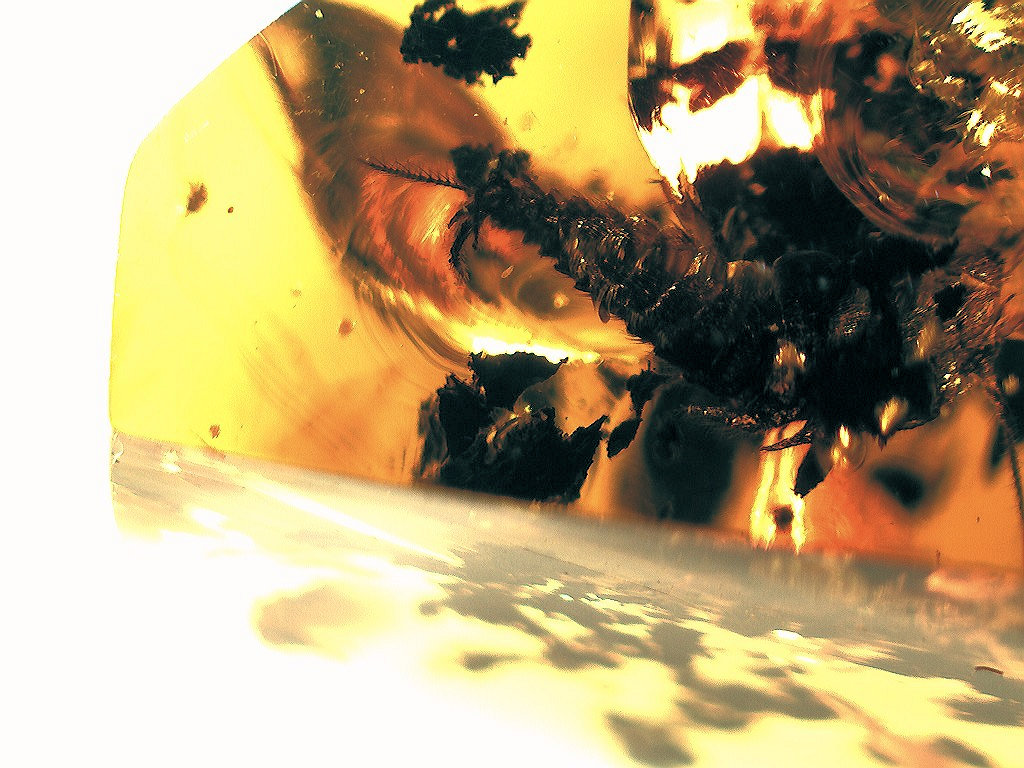
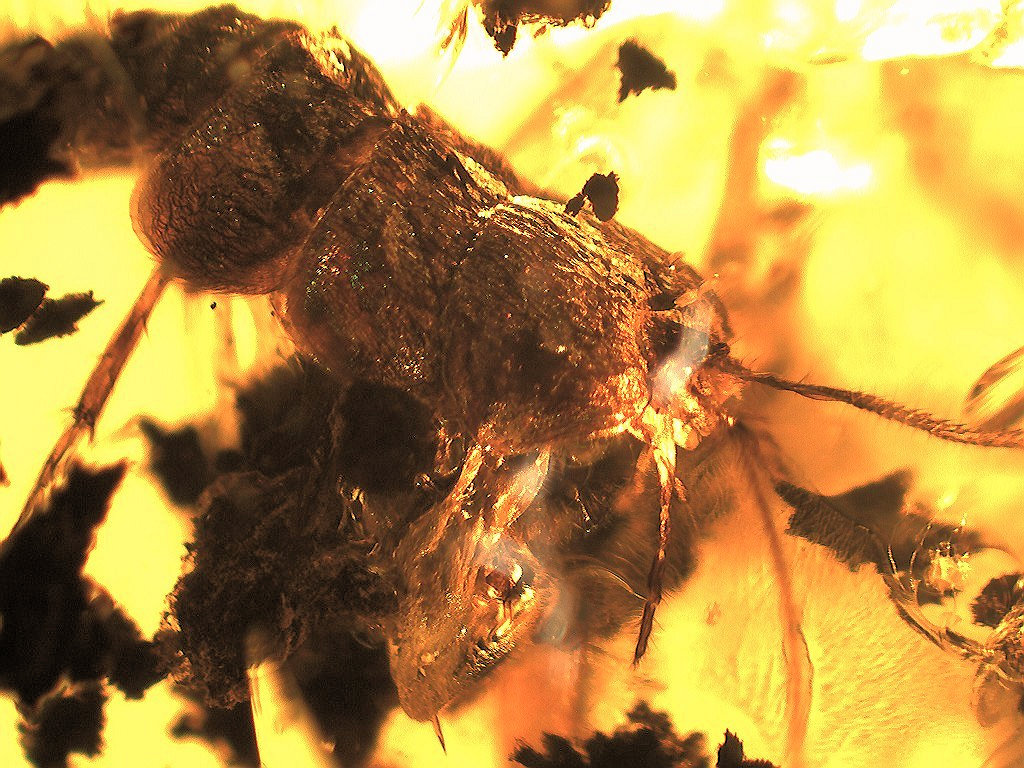
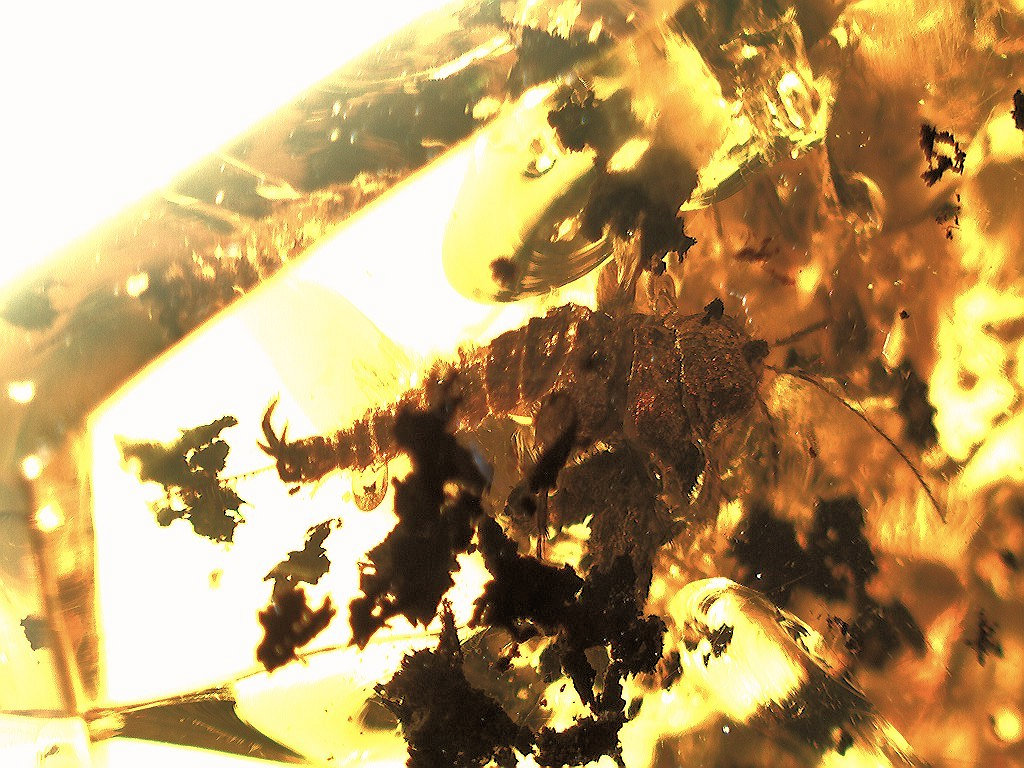
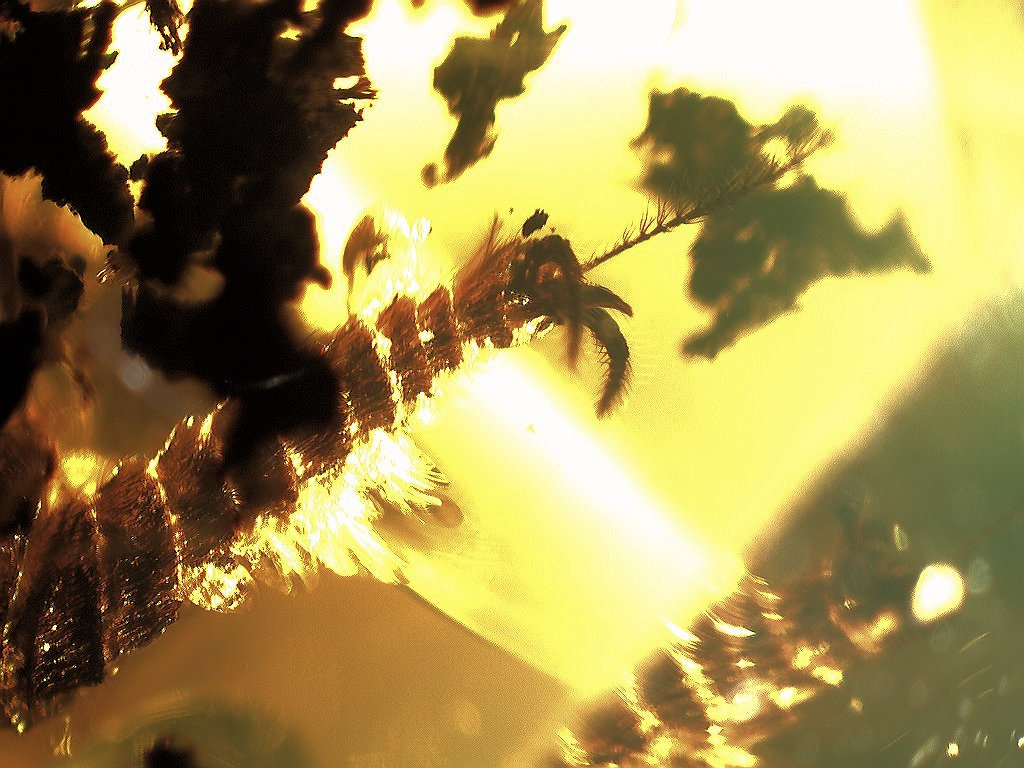
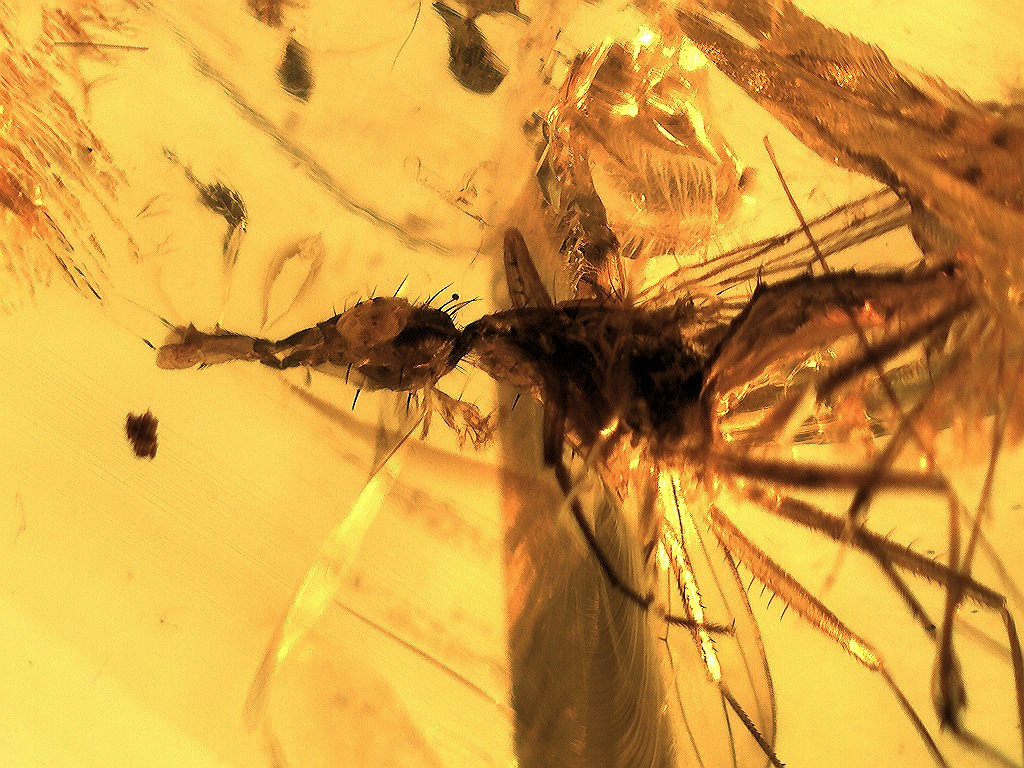
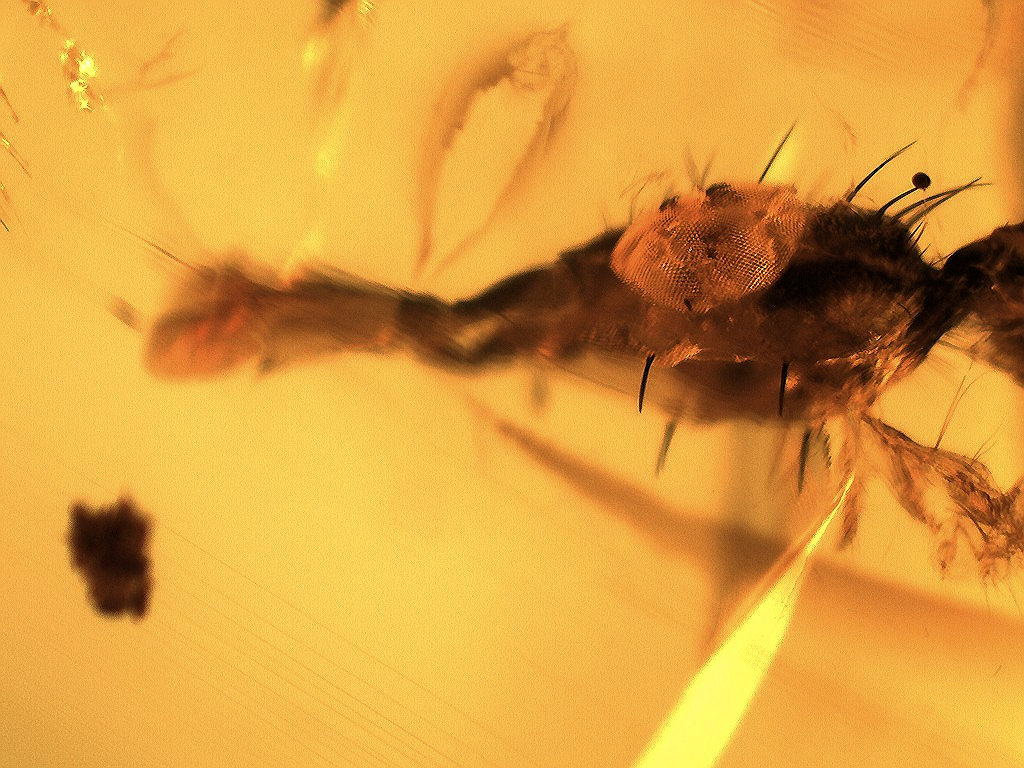
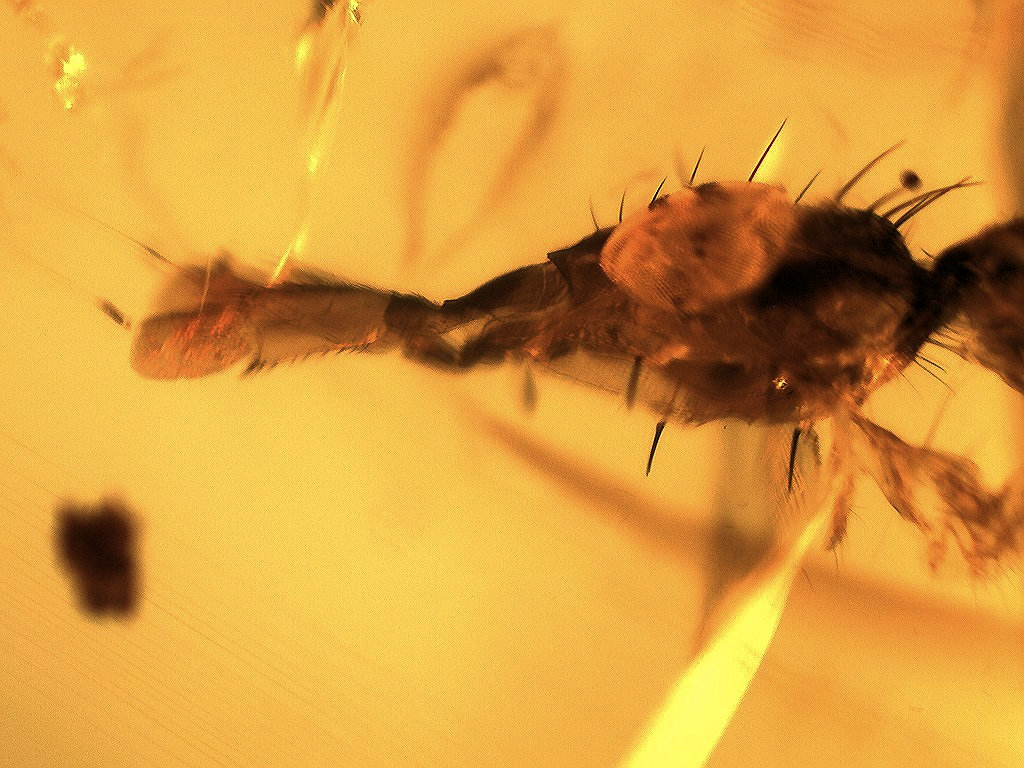
This is a VERY rare insect, it is a termite bug, Termitaphididae. These highly modified bugs are adapted for survival in termite nests. A single representative has been reported in Mexican amber. They have very flattened bodies to live inside the termite mounds. These animals are rare. I tried to get a side-ways shot to show the flatness of the animal.
Item 8
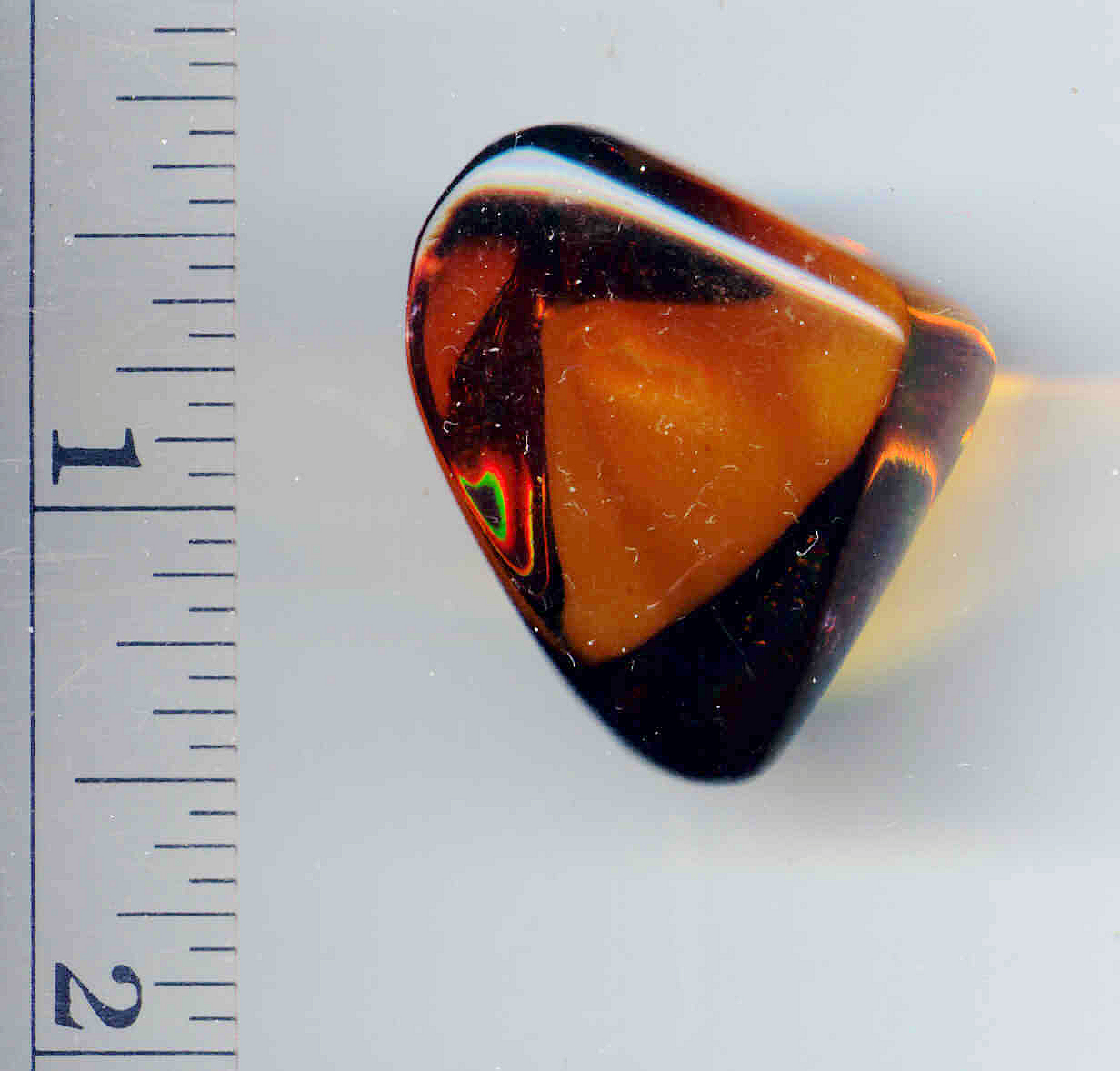
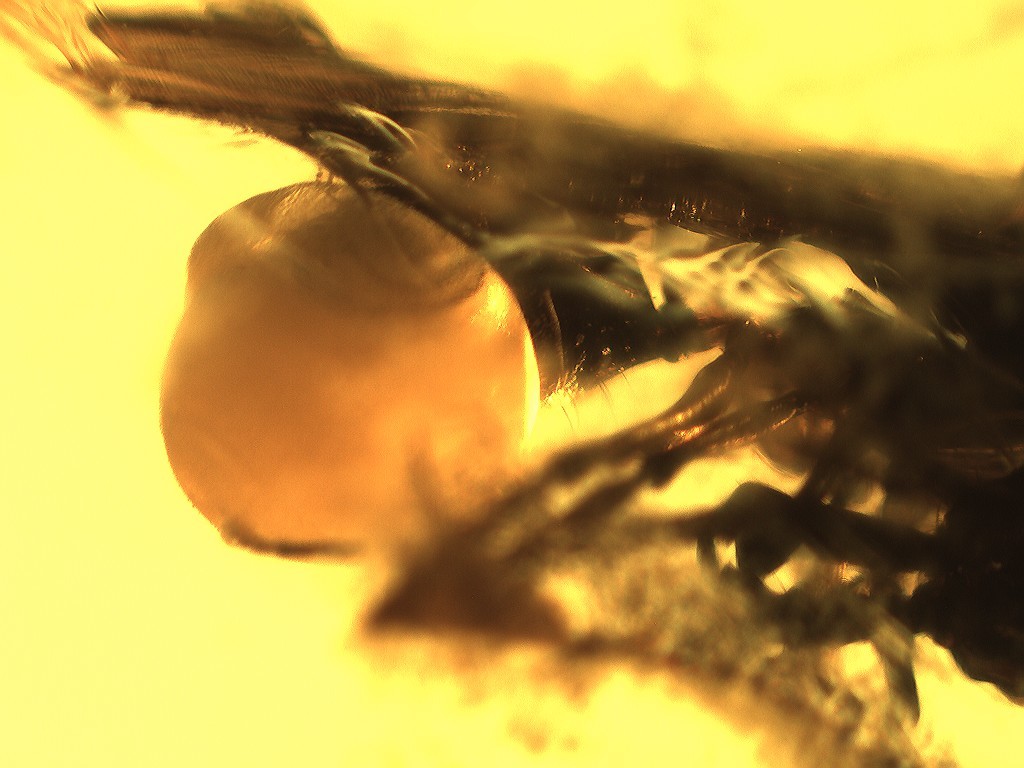
A very nice isopod, Order Isopoda, in the family Sphaeroniscidae. Fairly easy to see, this is a good piece, at a good price. There is an interesting sphere on the dorsal surface (anterior). Also a good bit of what looks like fungus emanating from the dorsal surface.
Item 9

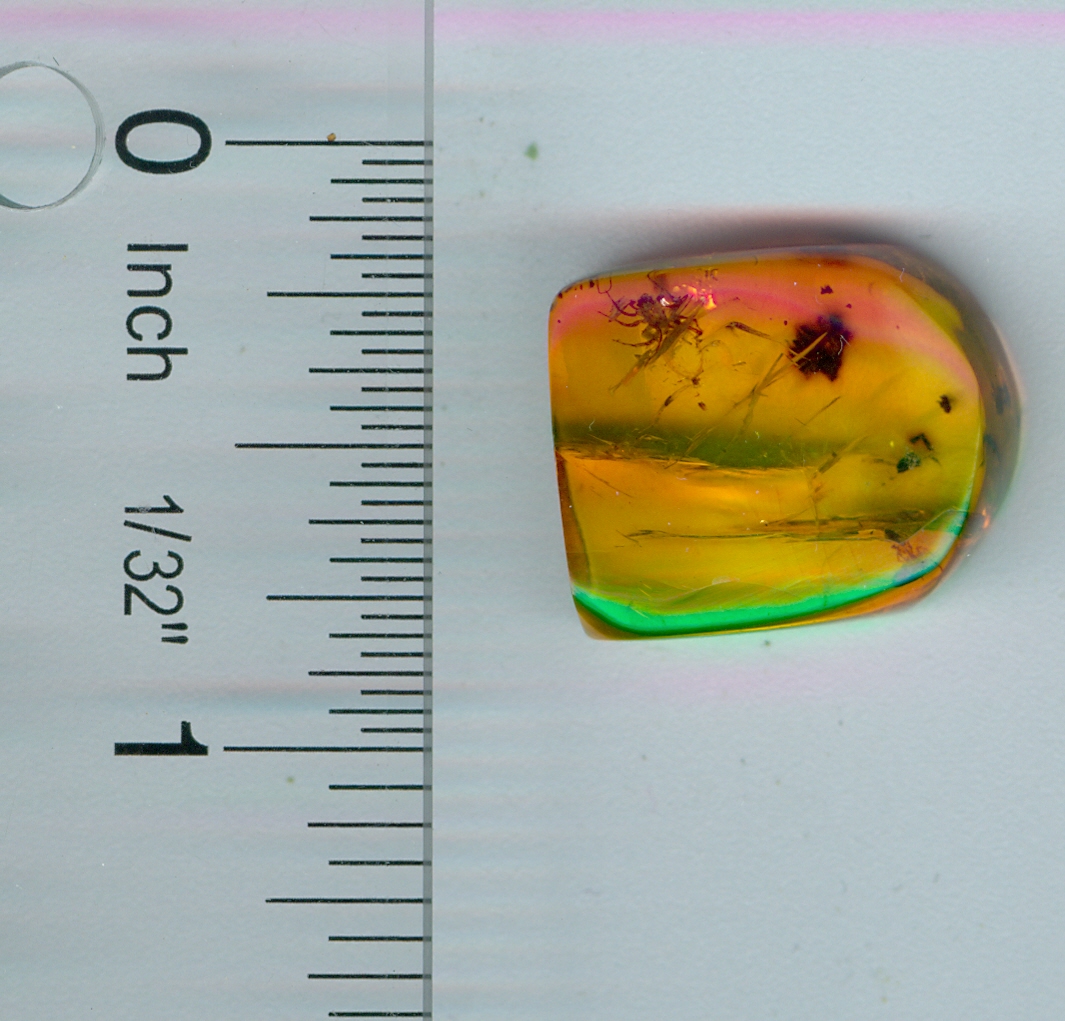
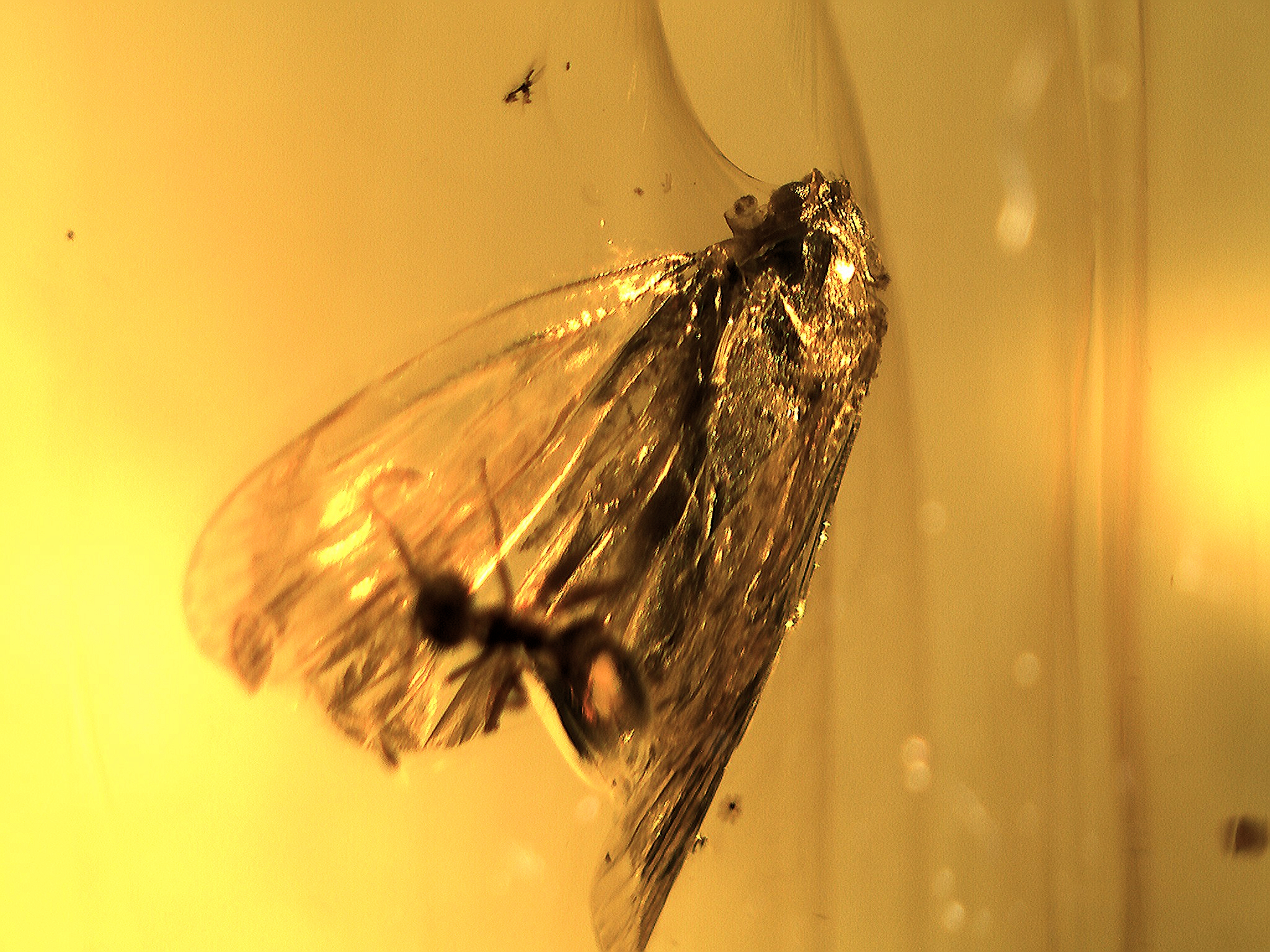
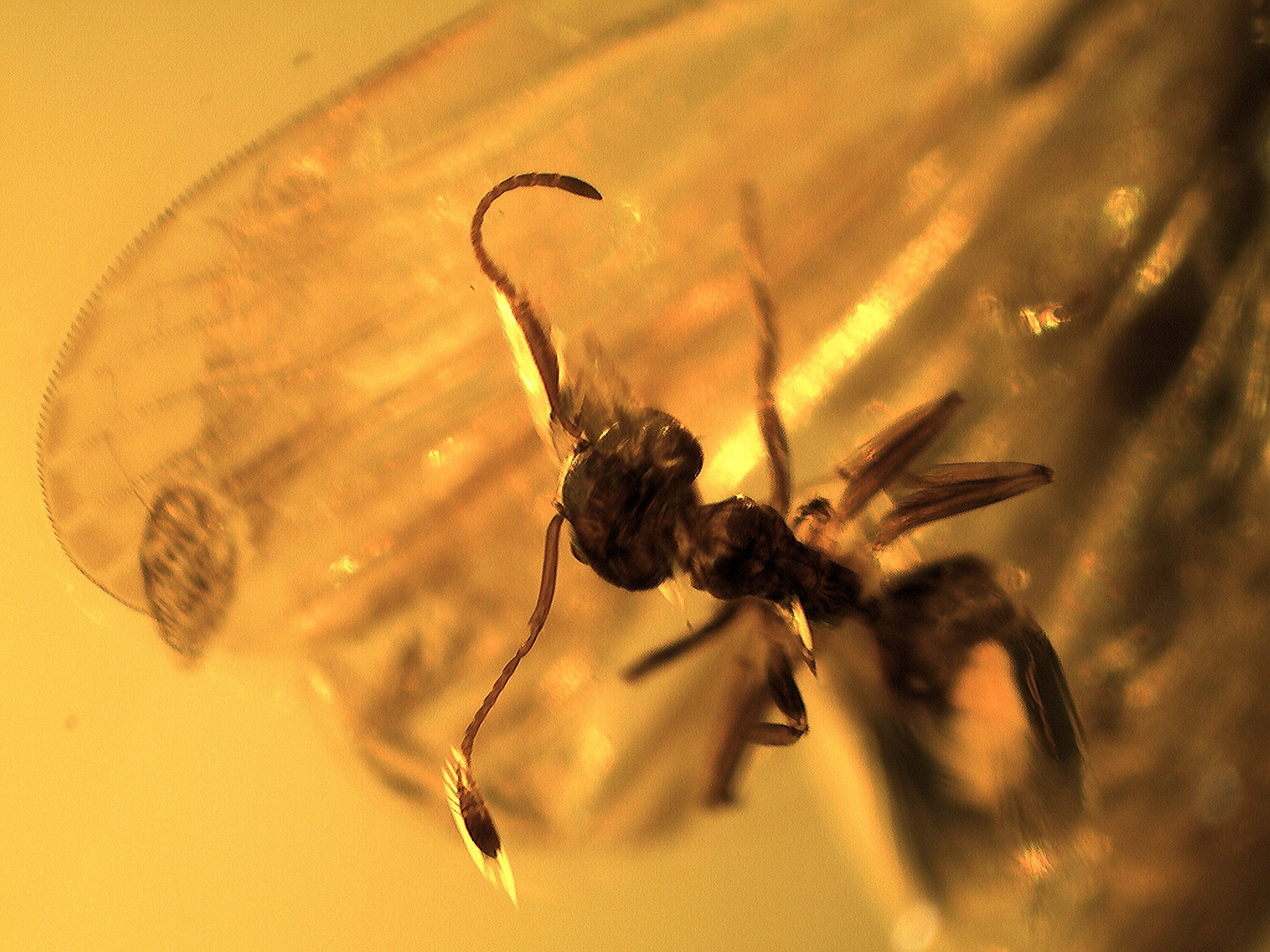
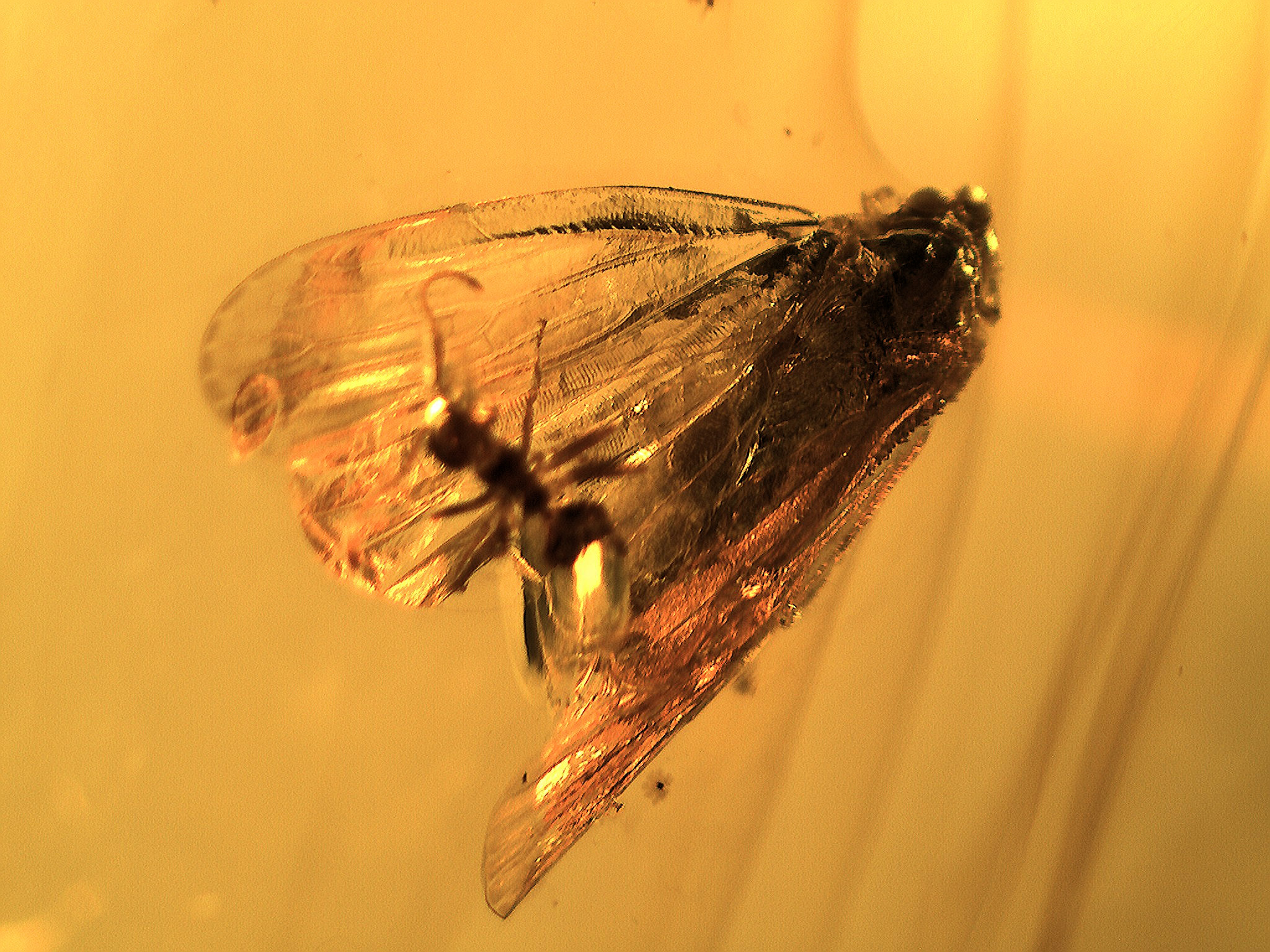
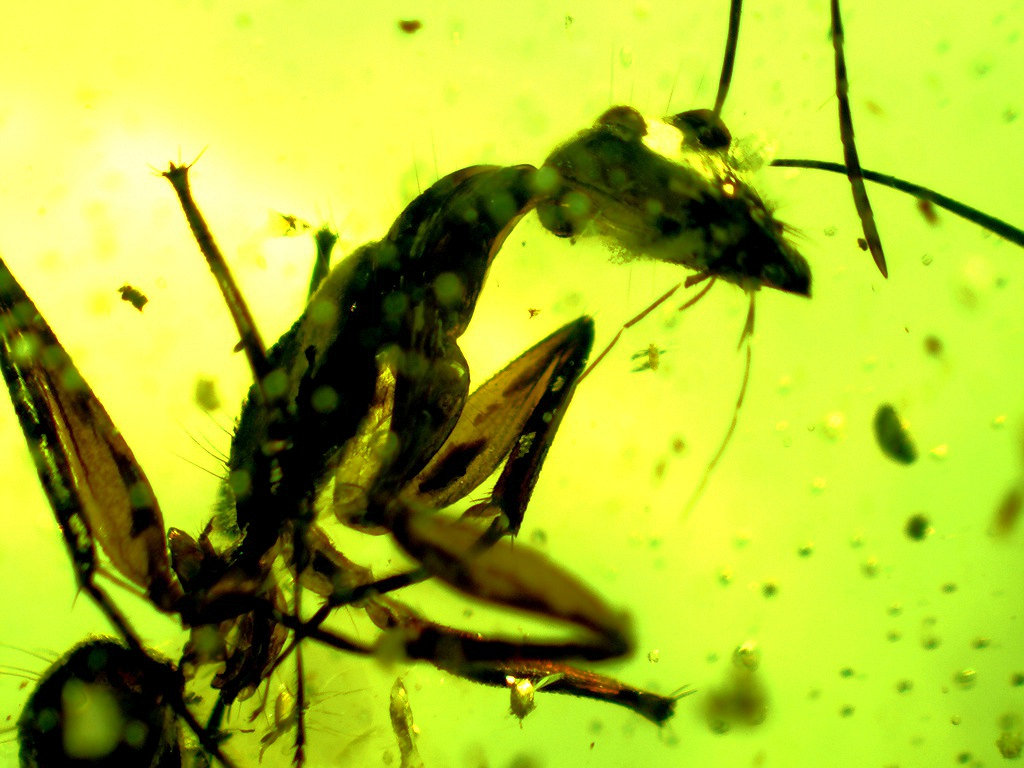
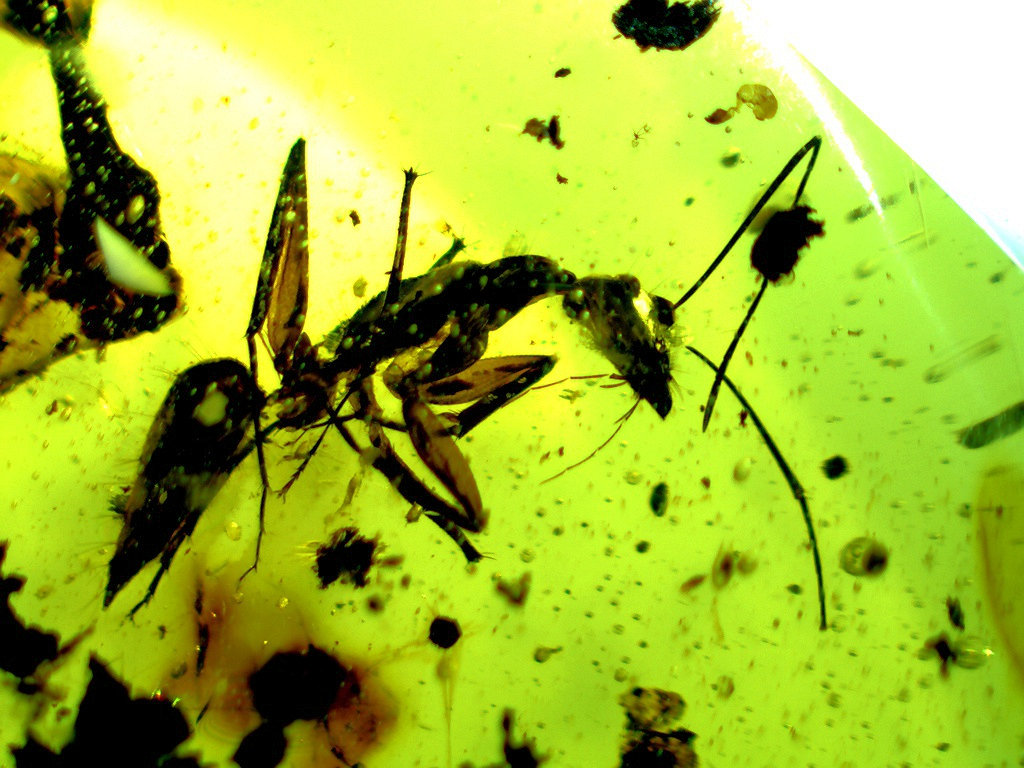
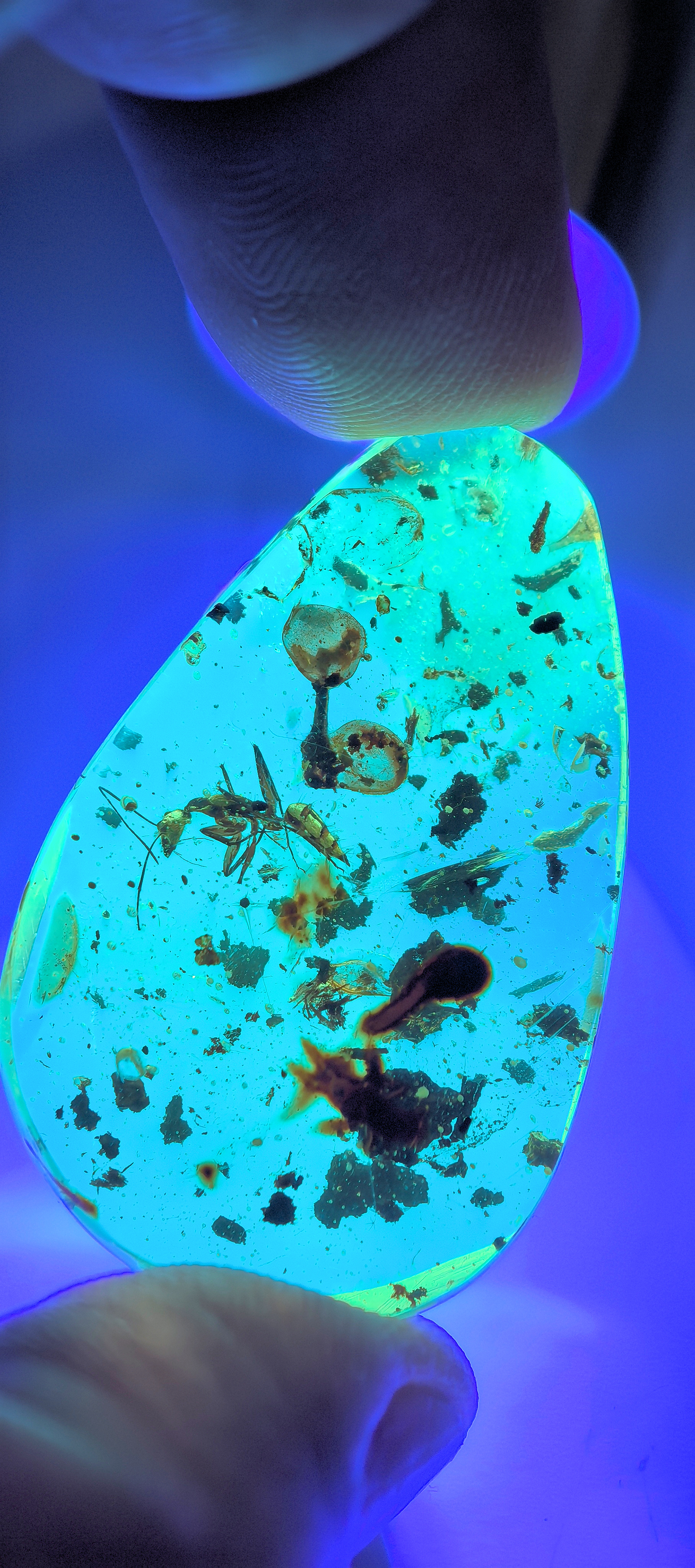
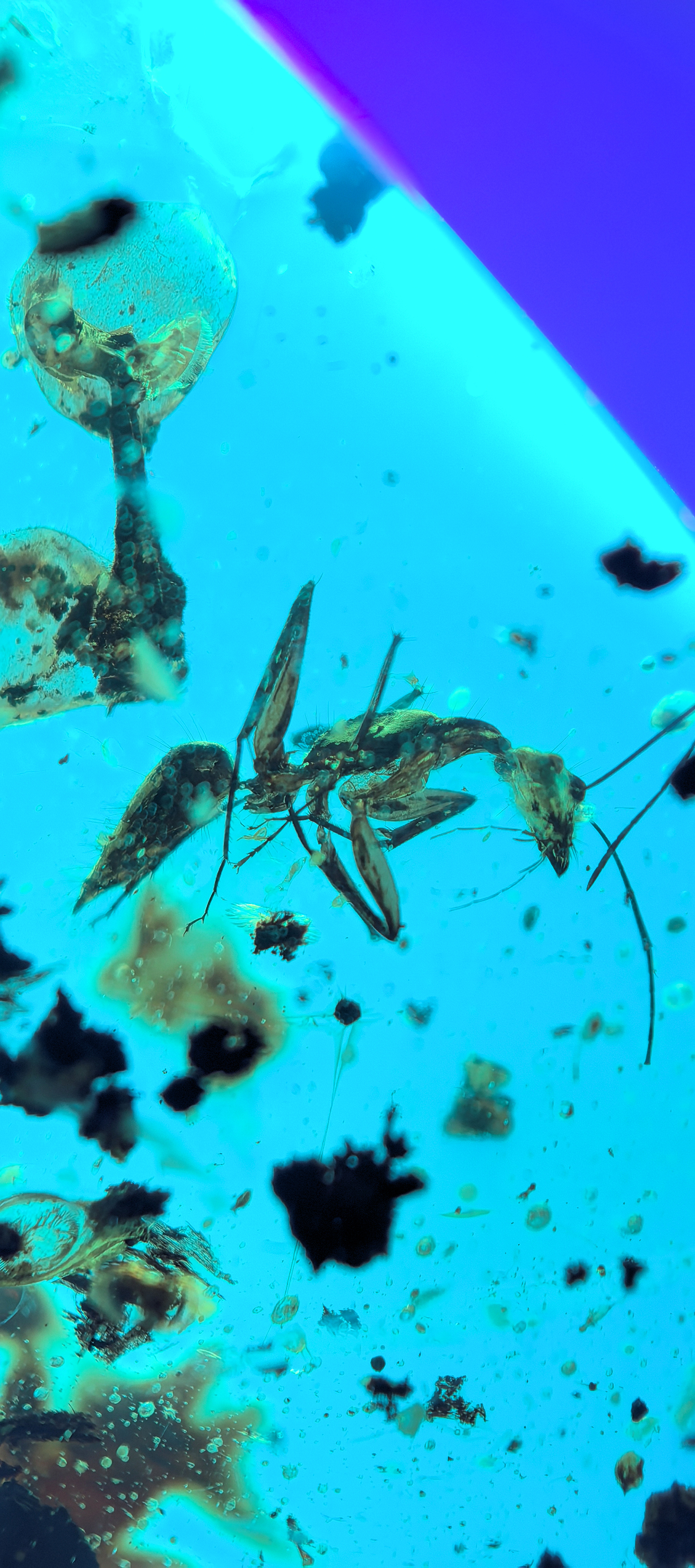
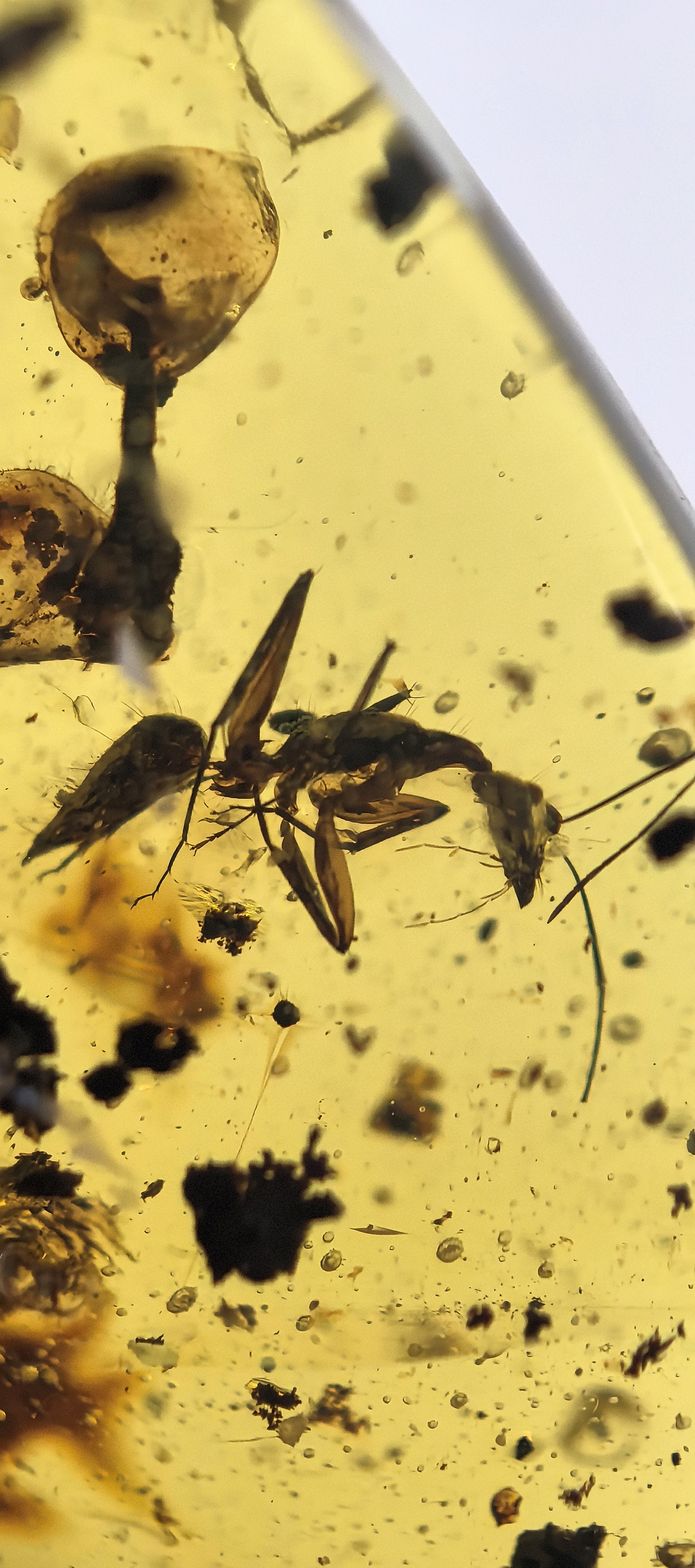
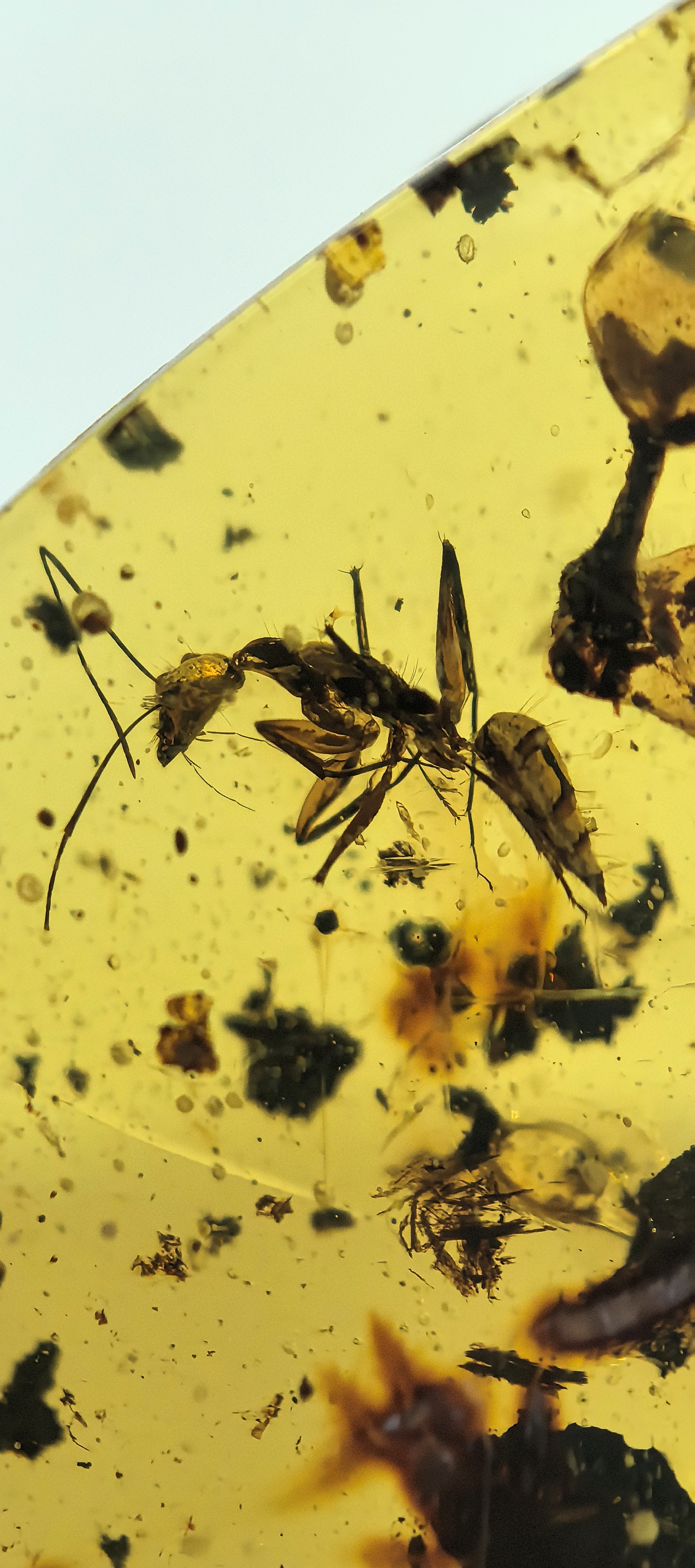
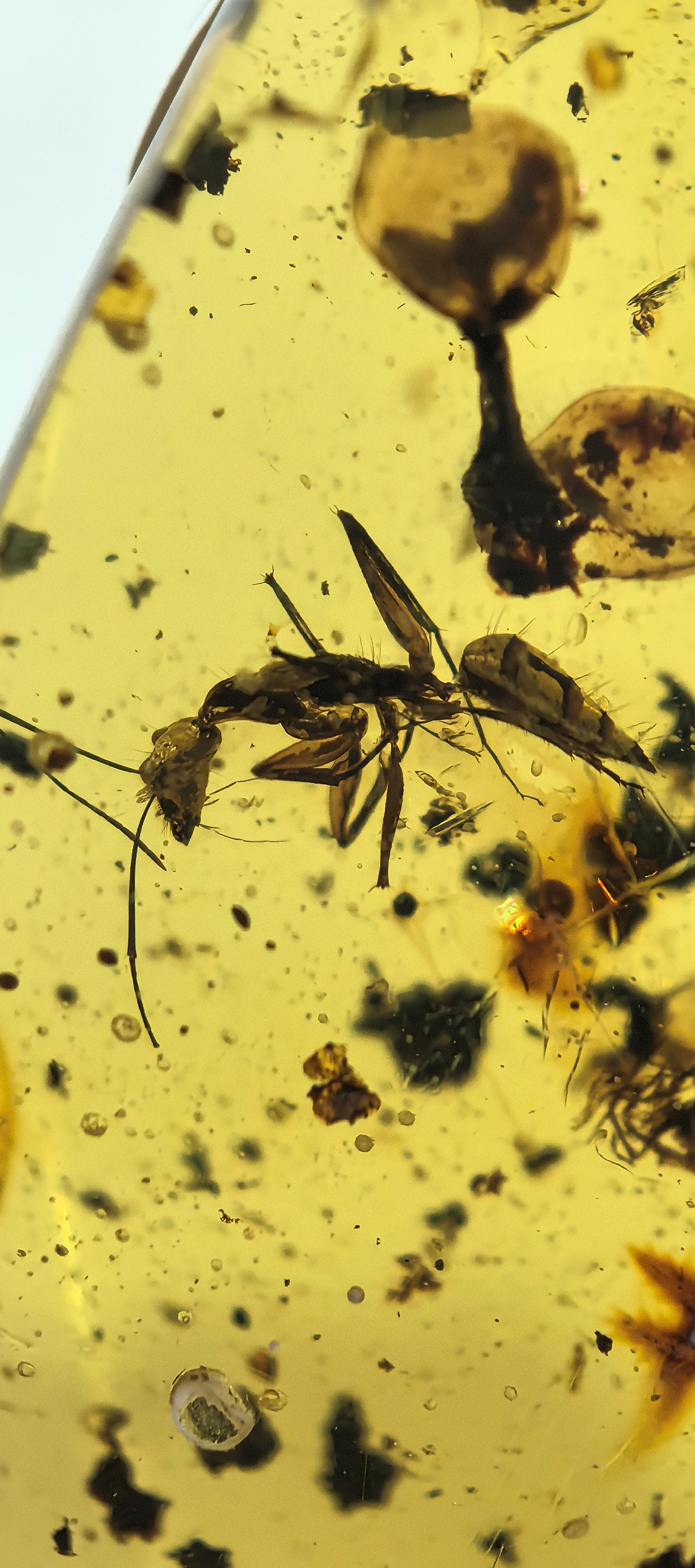
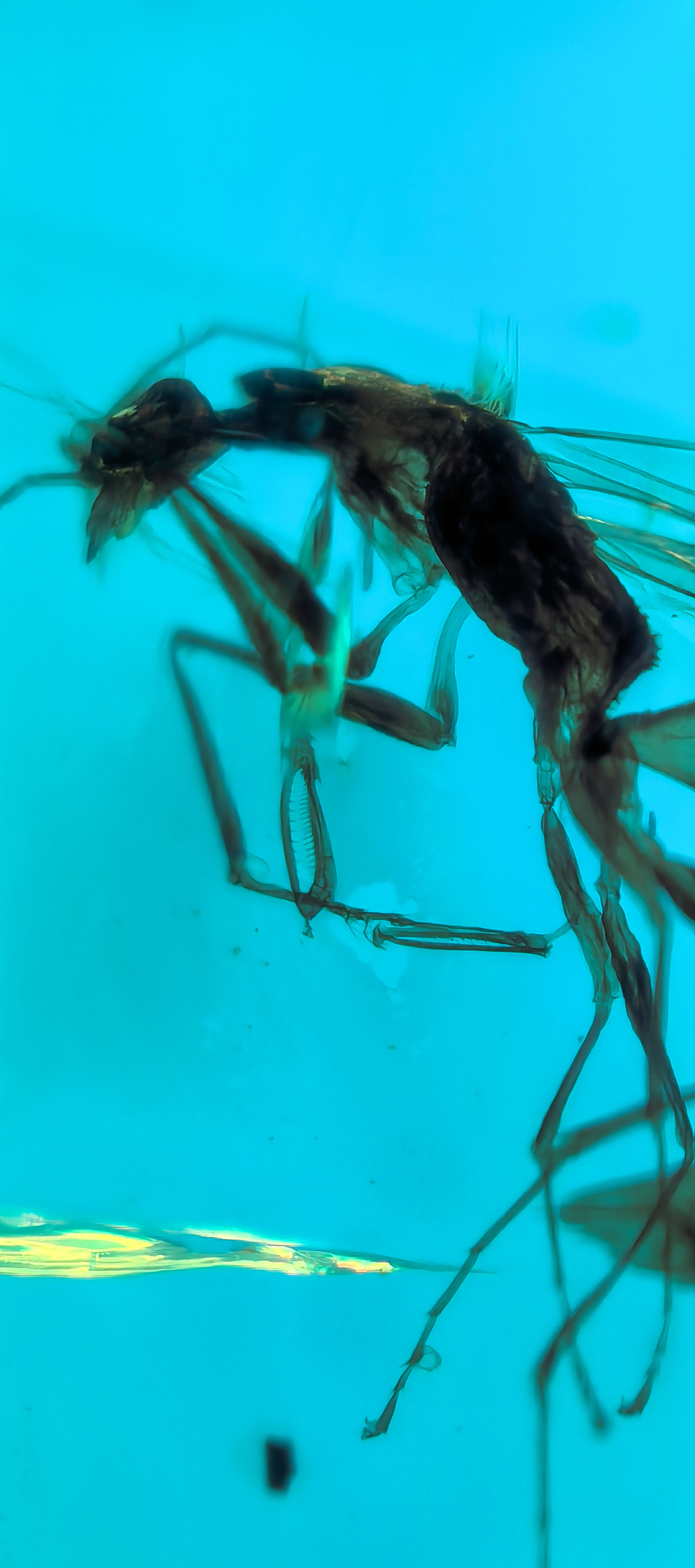
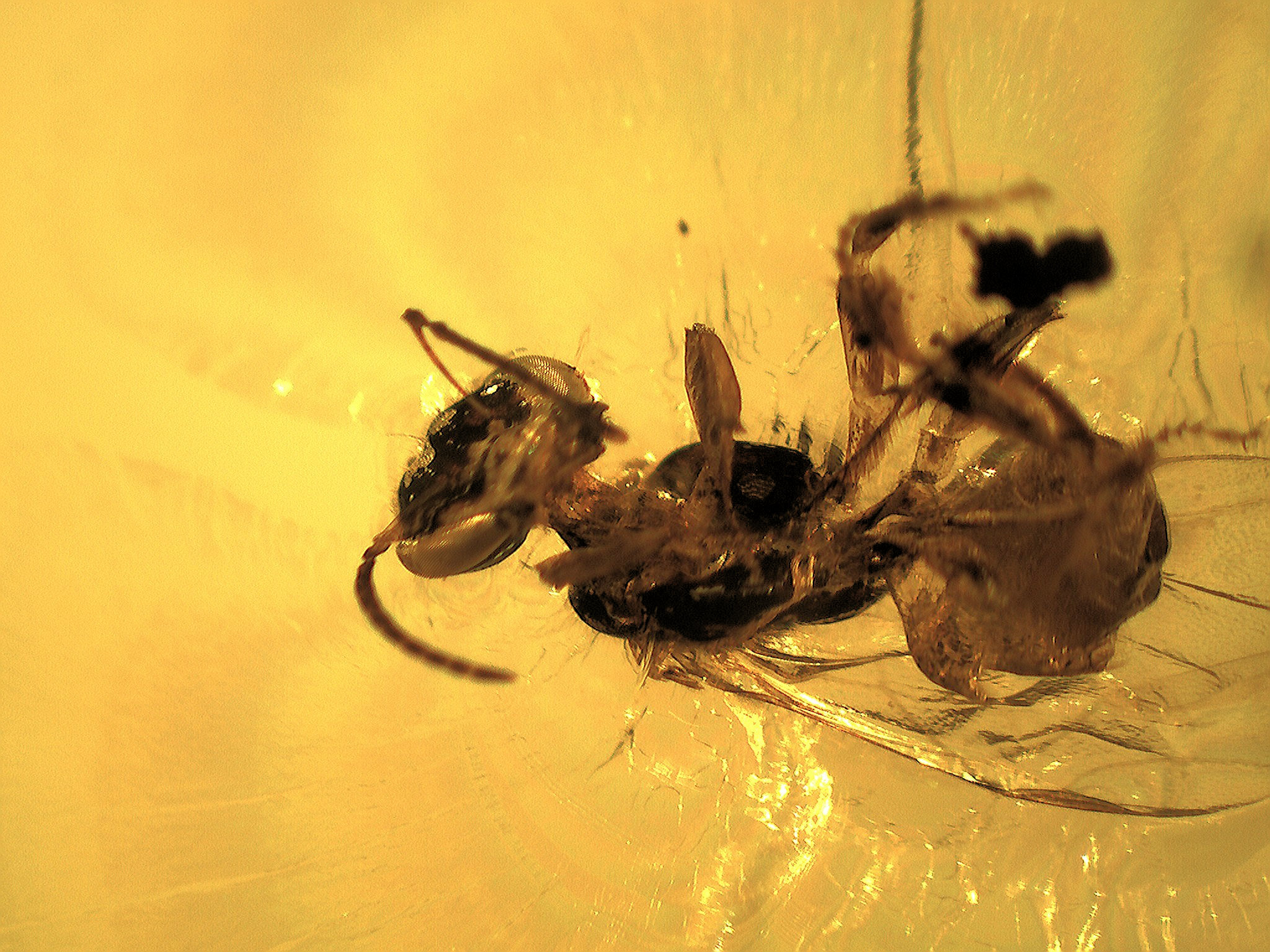
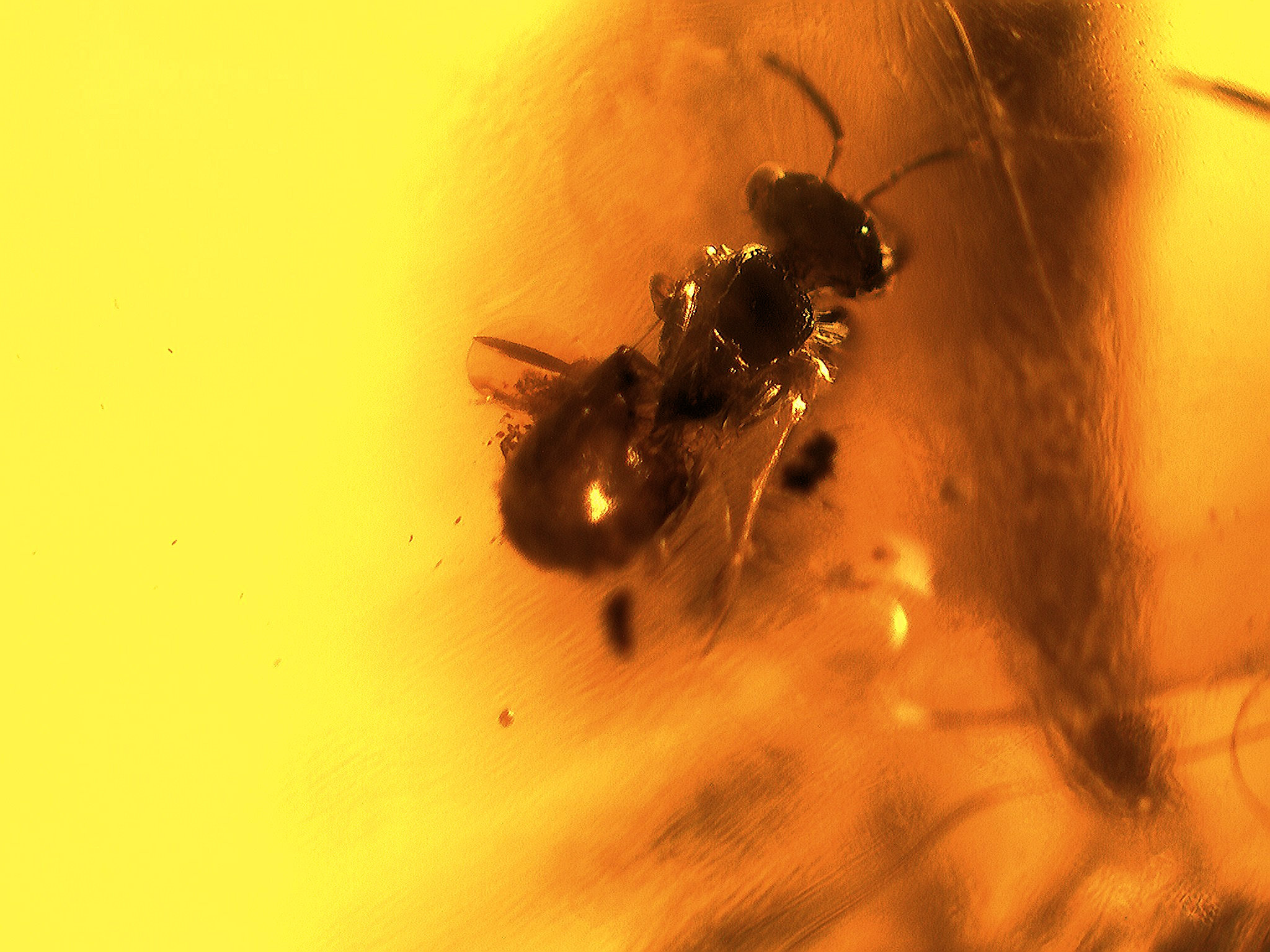
This is a unique ant, Hymenoptera, family Formicidae. It is either a trap door ant or on the subfamily Ponerinae. This is a worker ant. the amber is in a tear drop shape.
Item 10

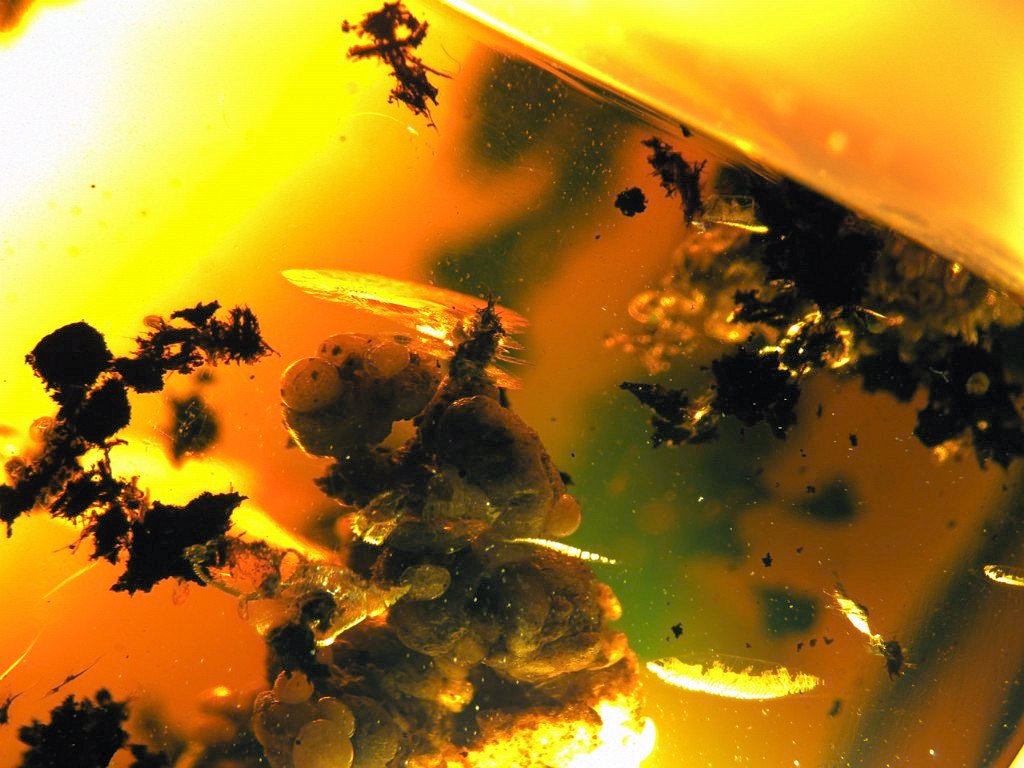
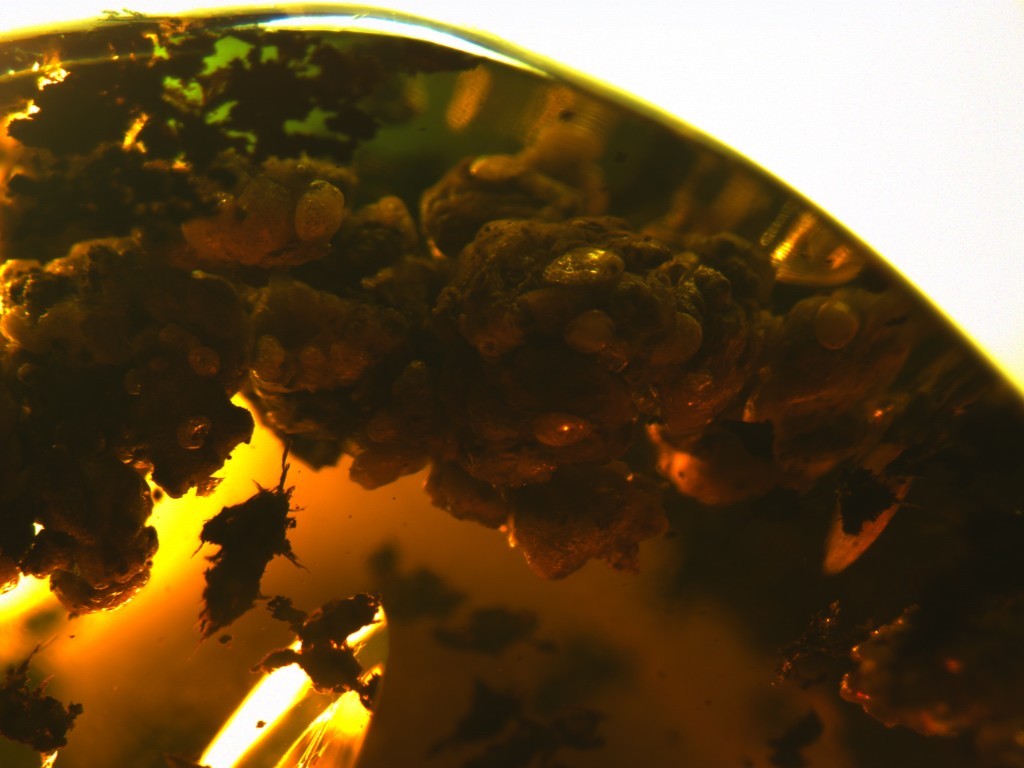
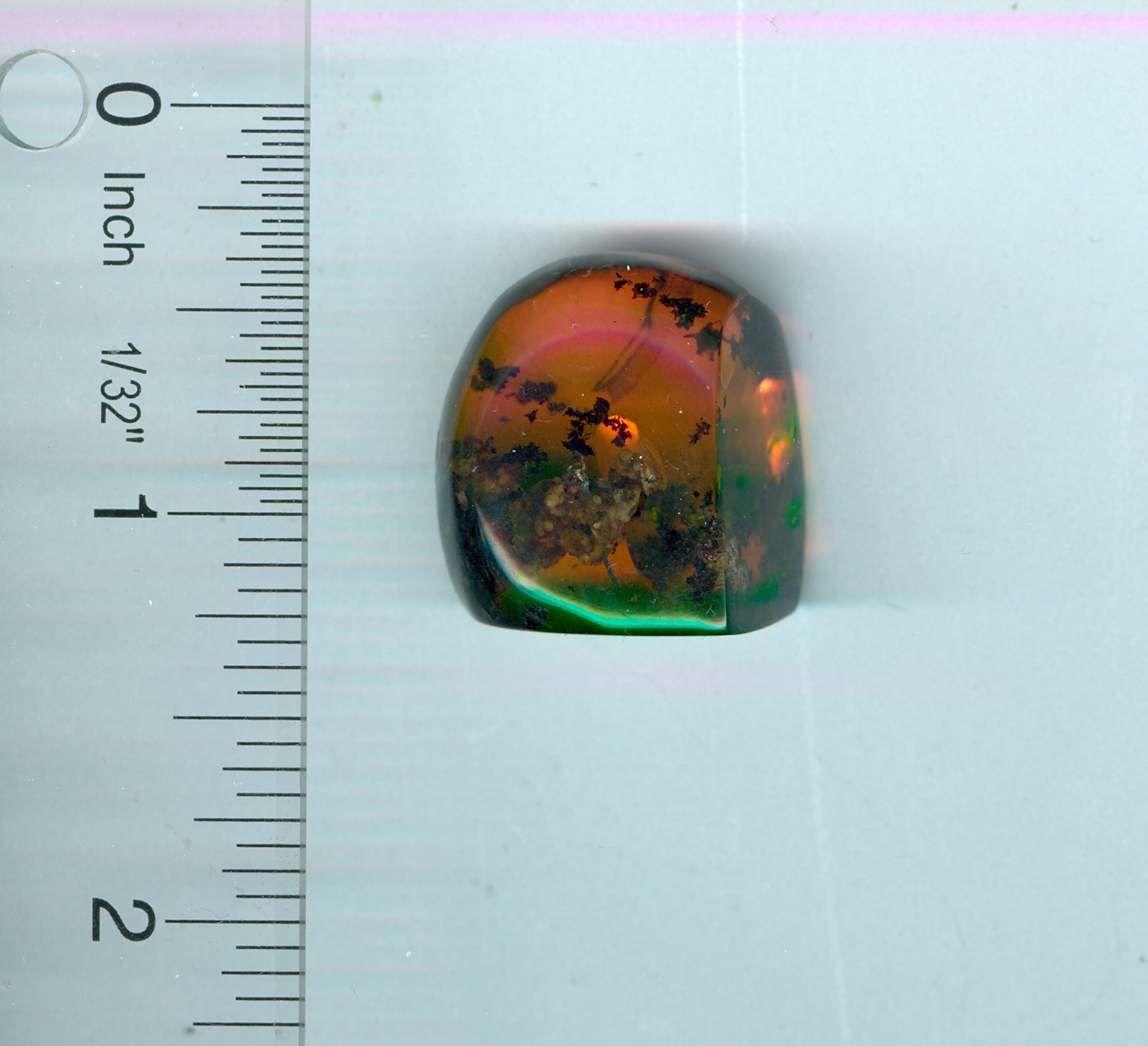
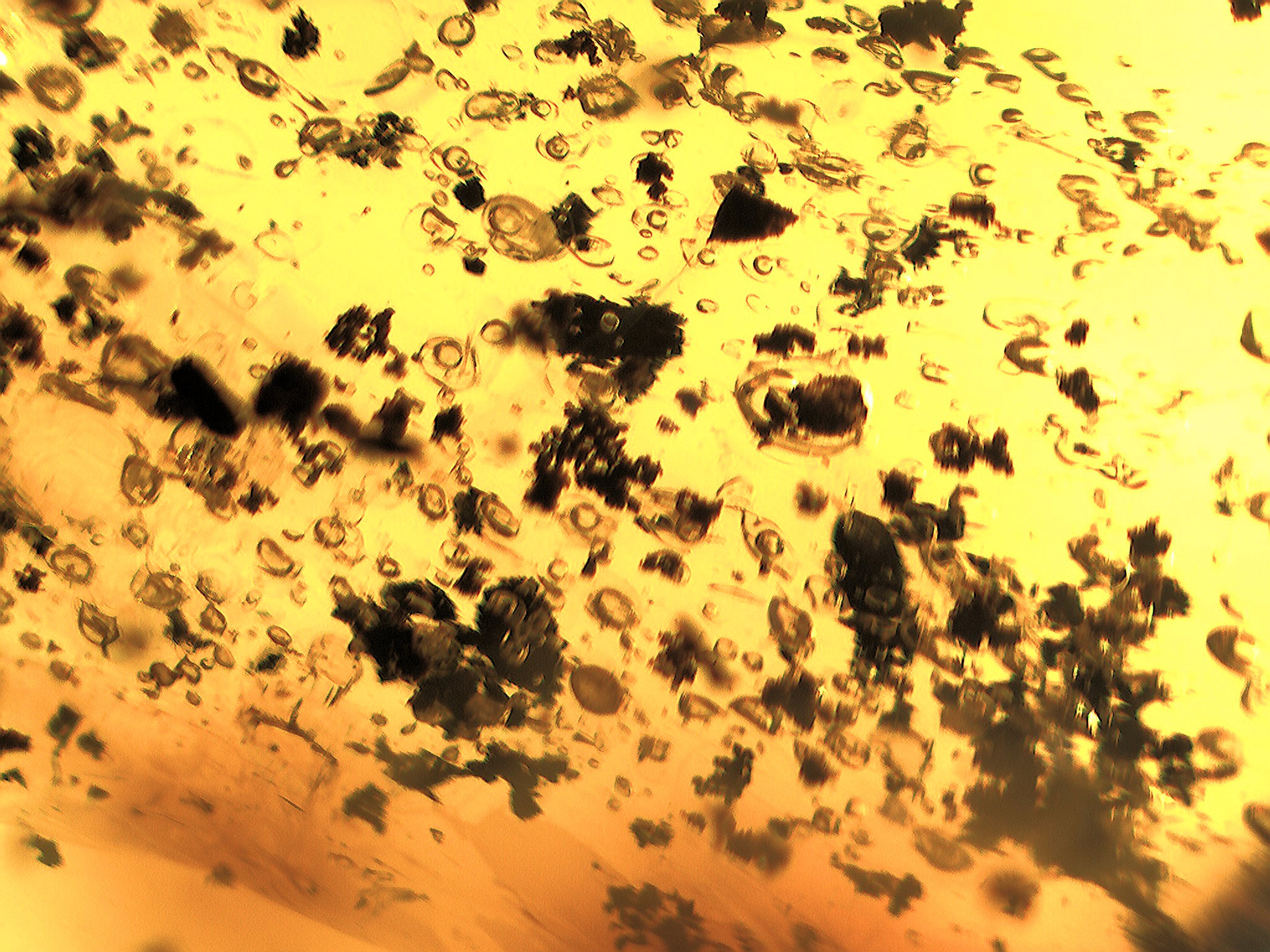
A nice chunk of Chiapas amber with an unusual inclusion. Inside this amber is a large coprolite. The coprolite appears to have small rocks (not sure they are rocks) inter spaced throughout the piece. Just the size of the coprolite is larger (which in itself is rather rare. Cool piece with a lot of personality.
Item 11
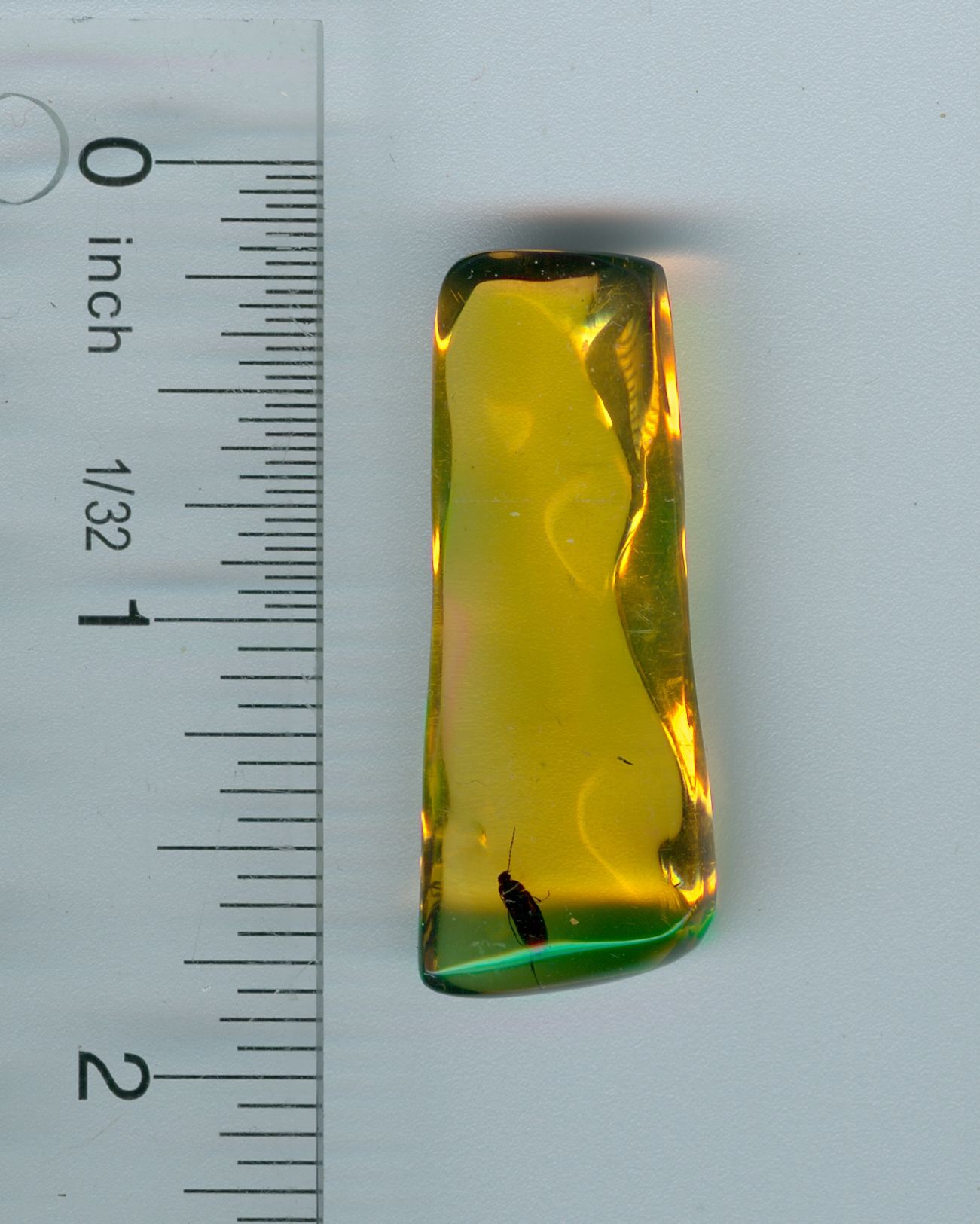
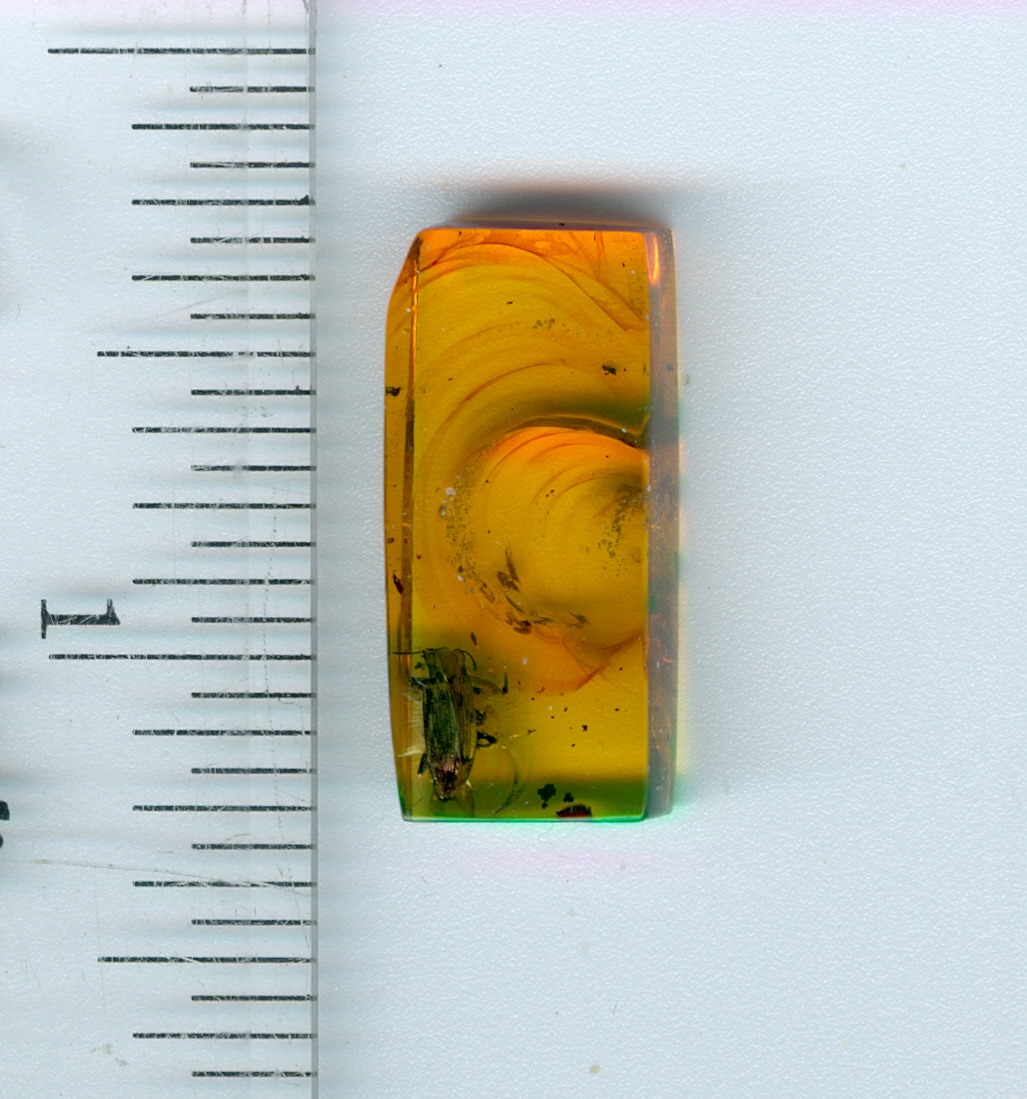
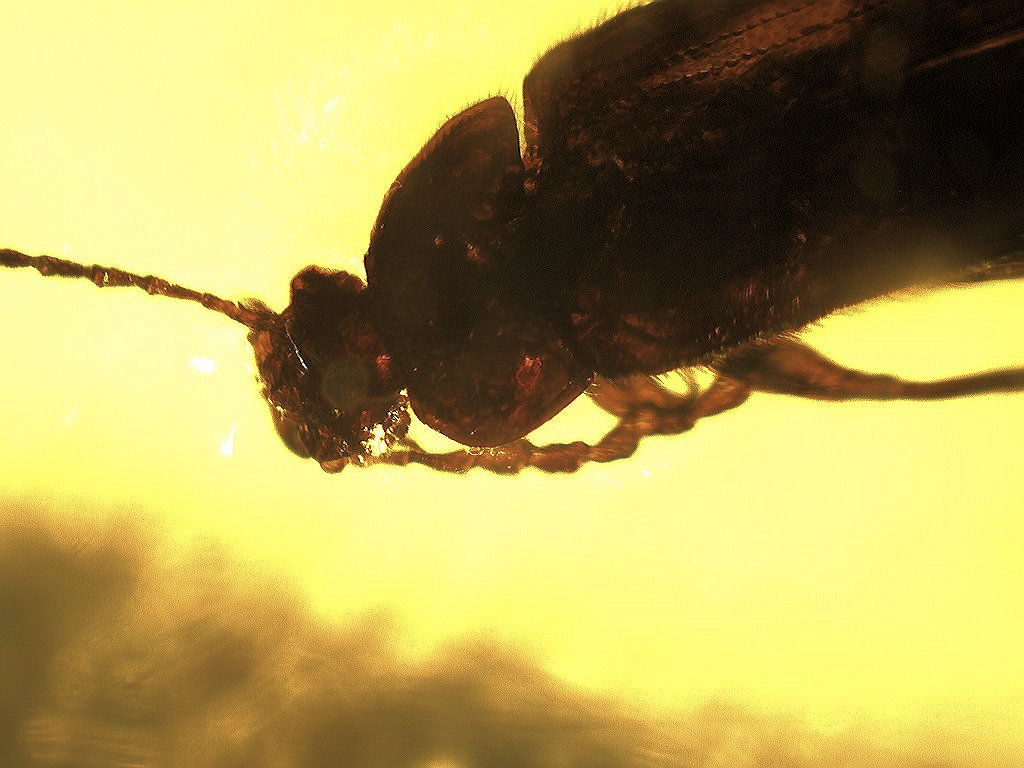
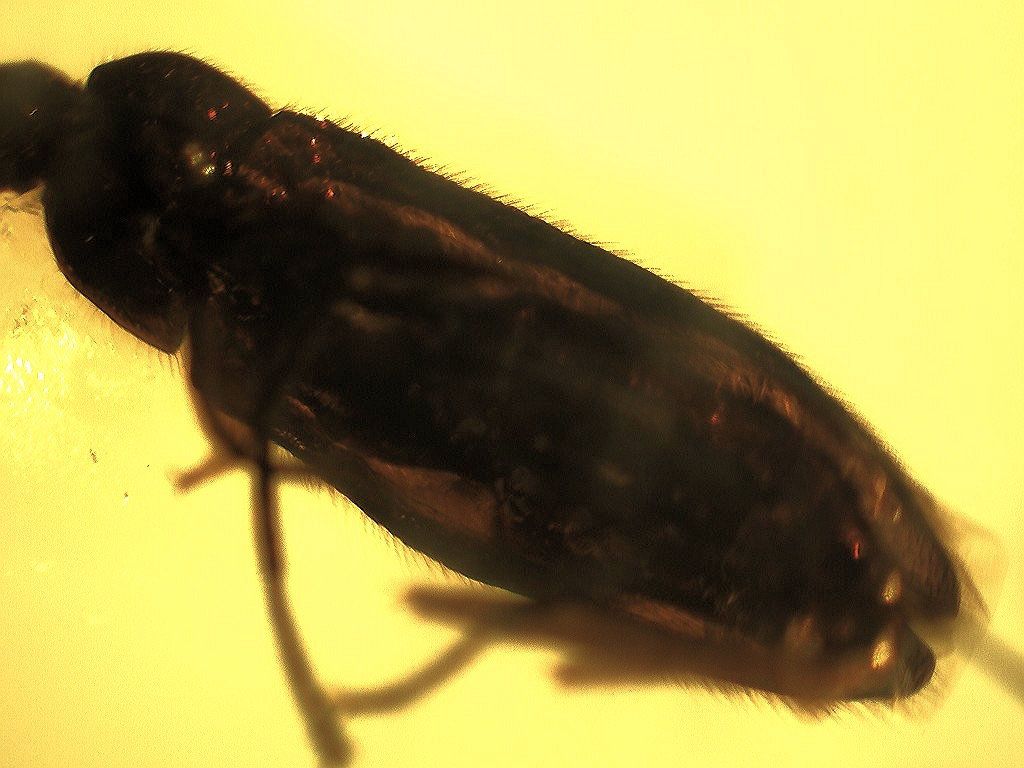
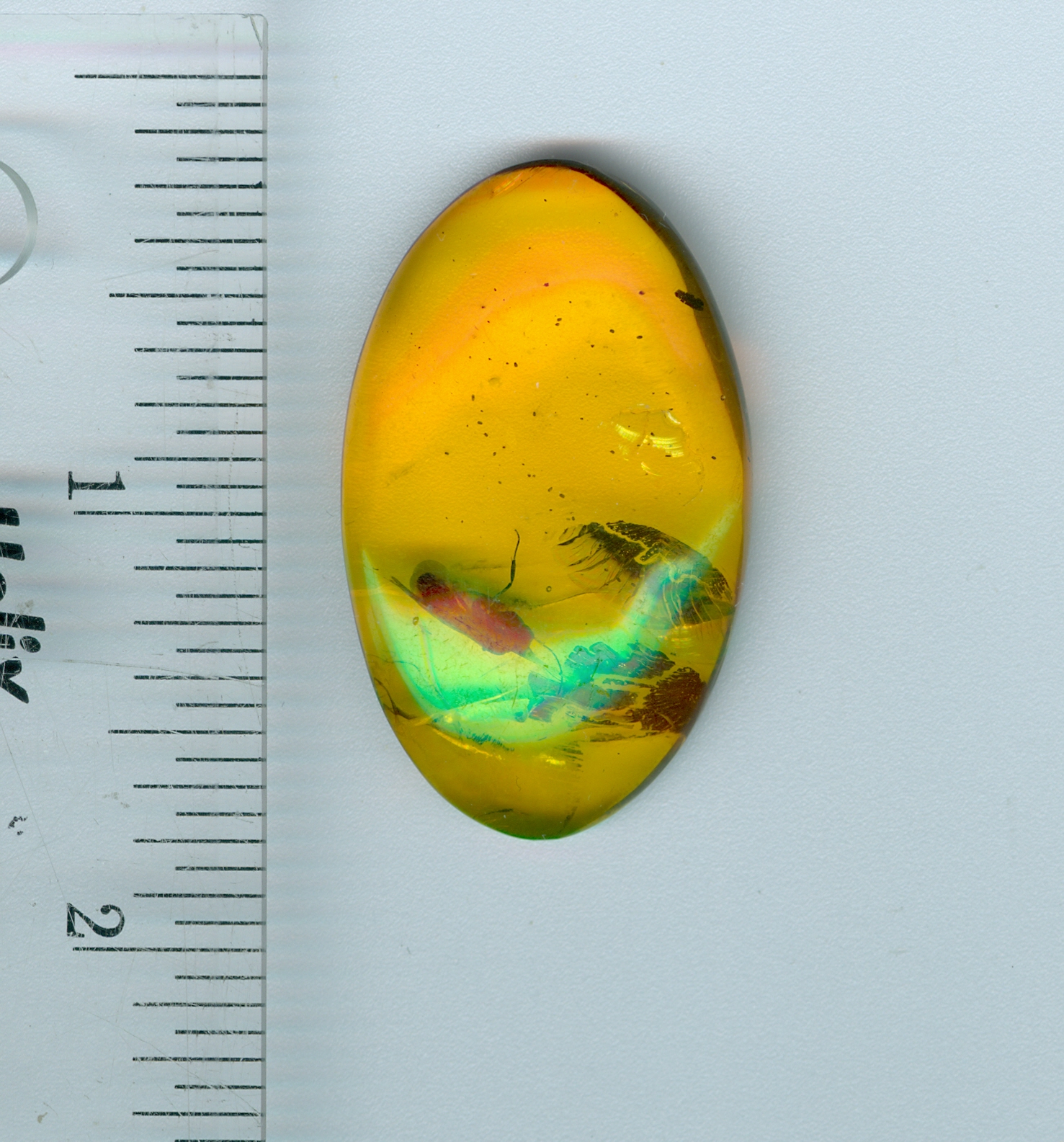
The soldier beetles (Cantharidae) are relatively soft-bodied, straight-sided beetles. One of the first described species has a color pattern reminiscent of the red coats of early British soldiers, hence the common name. They are also known commonly as leatherwings because of their soft elytra. A beautiful piece of amber, perfectly clear with a great specimen.
Item 12

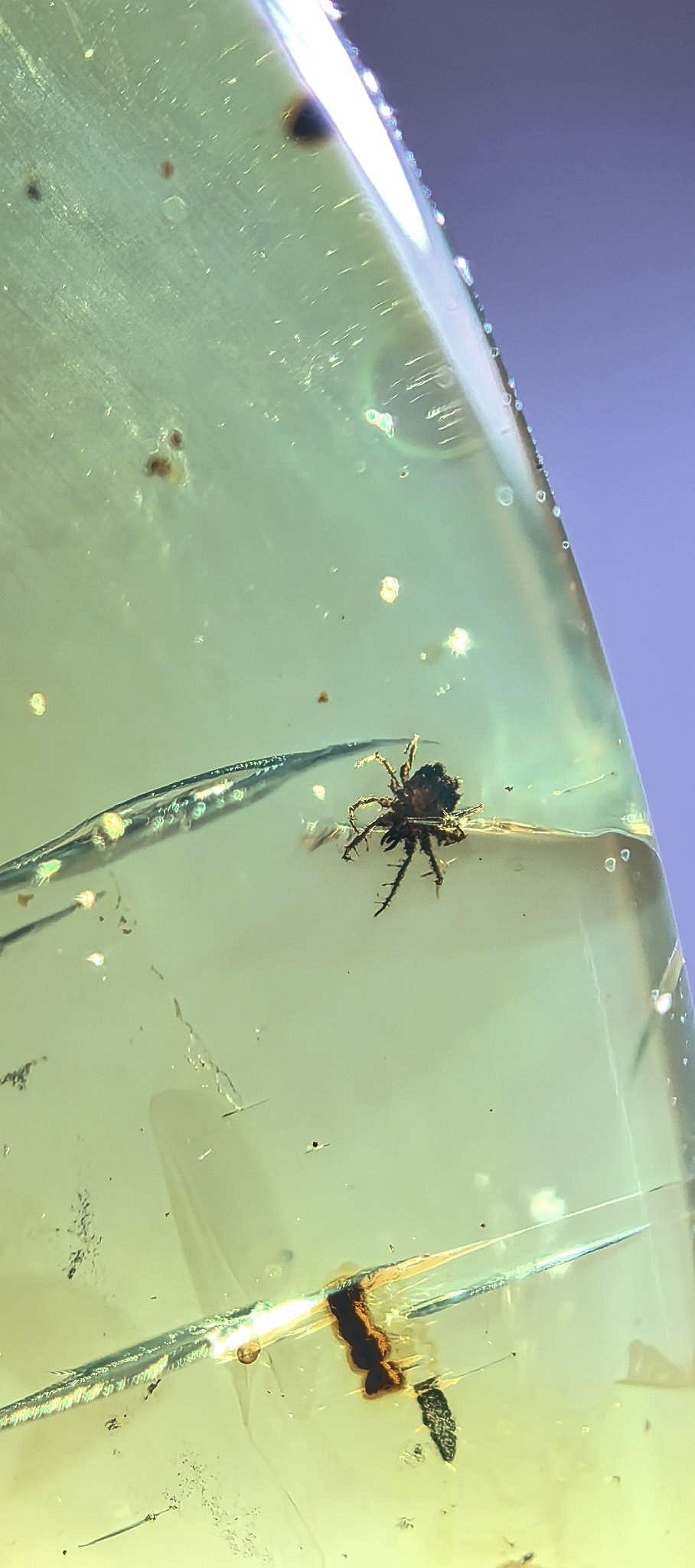
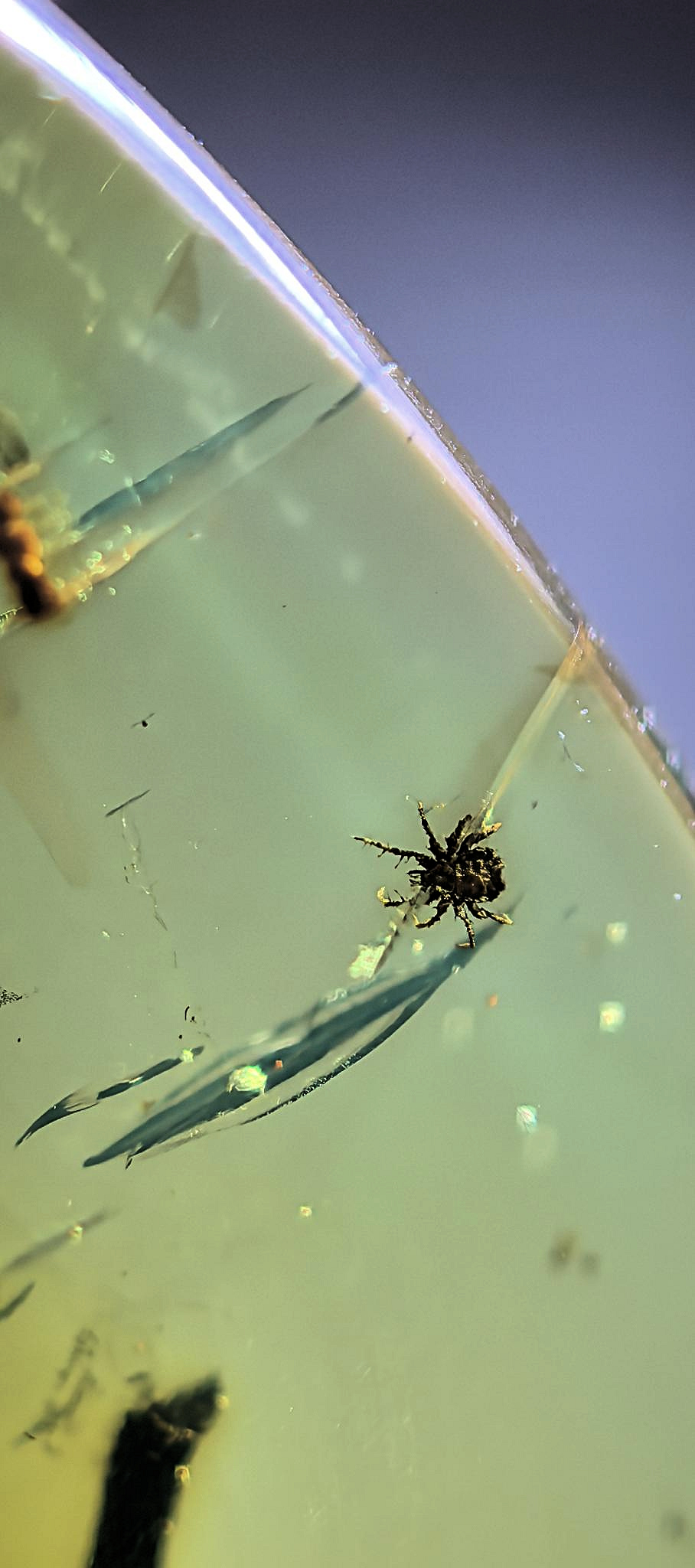
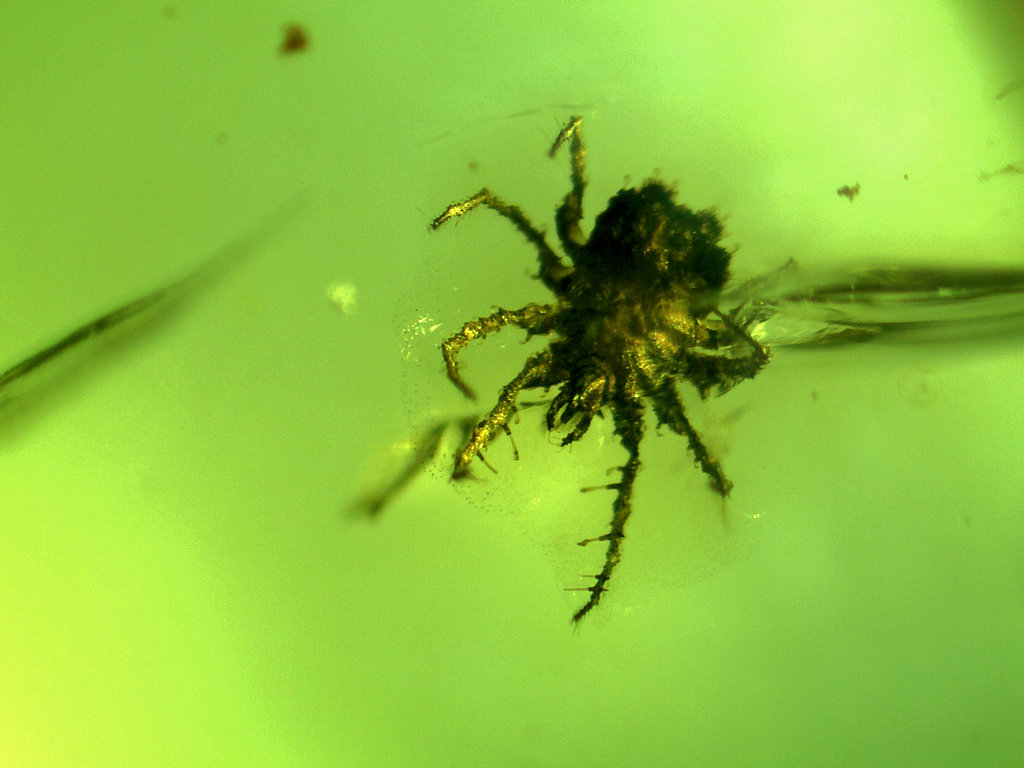
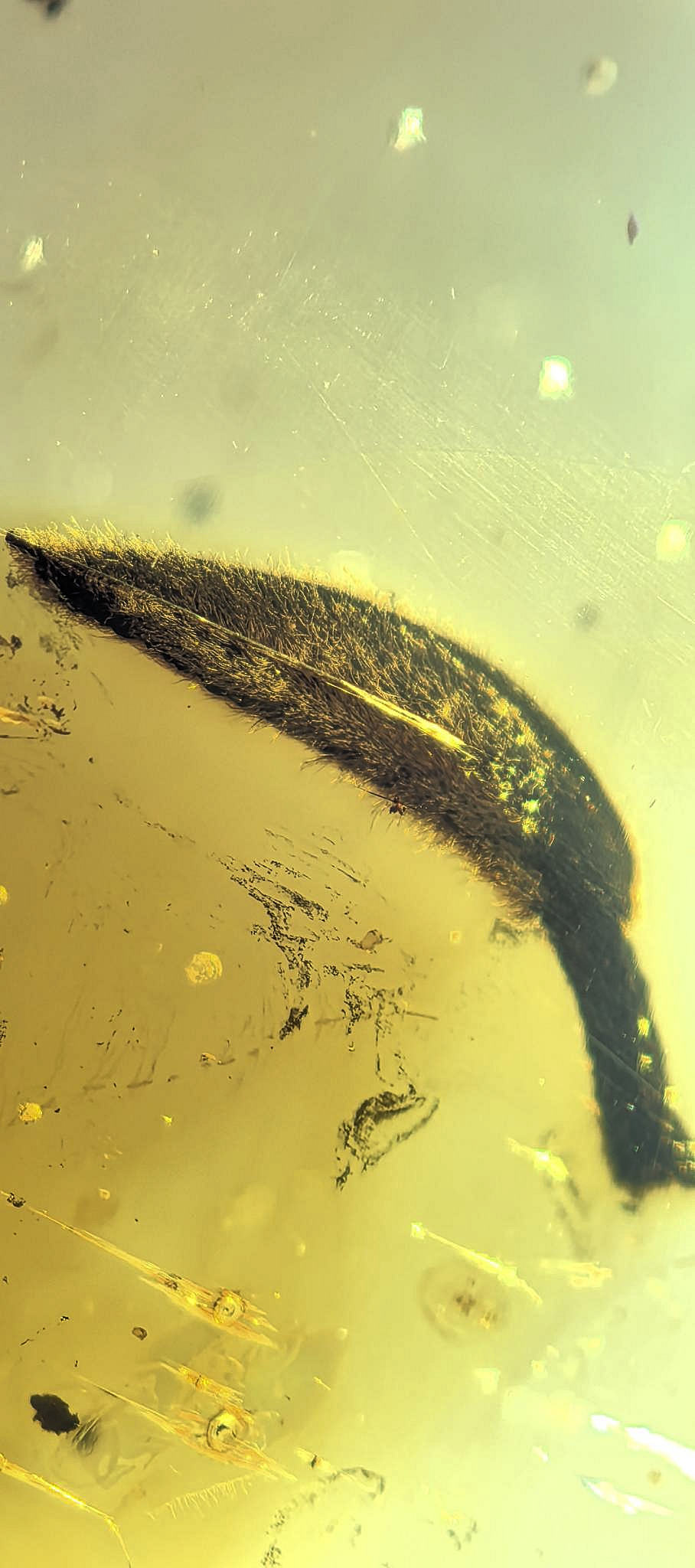
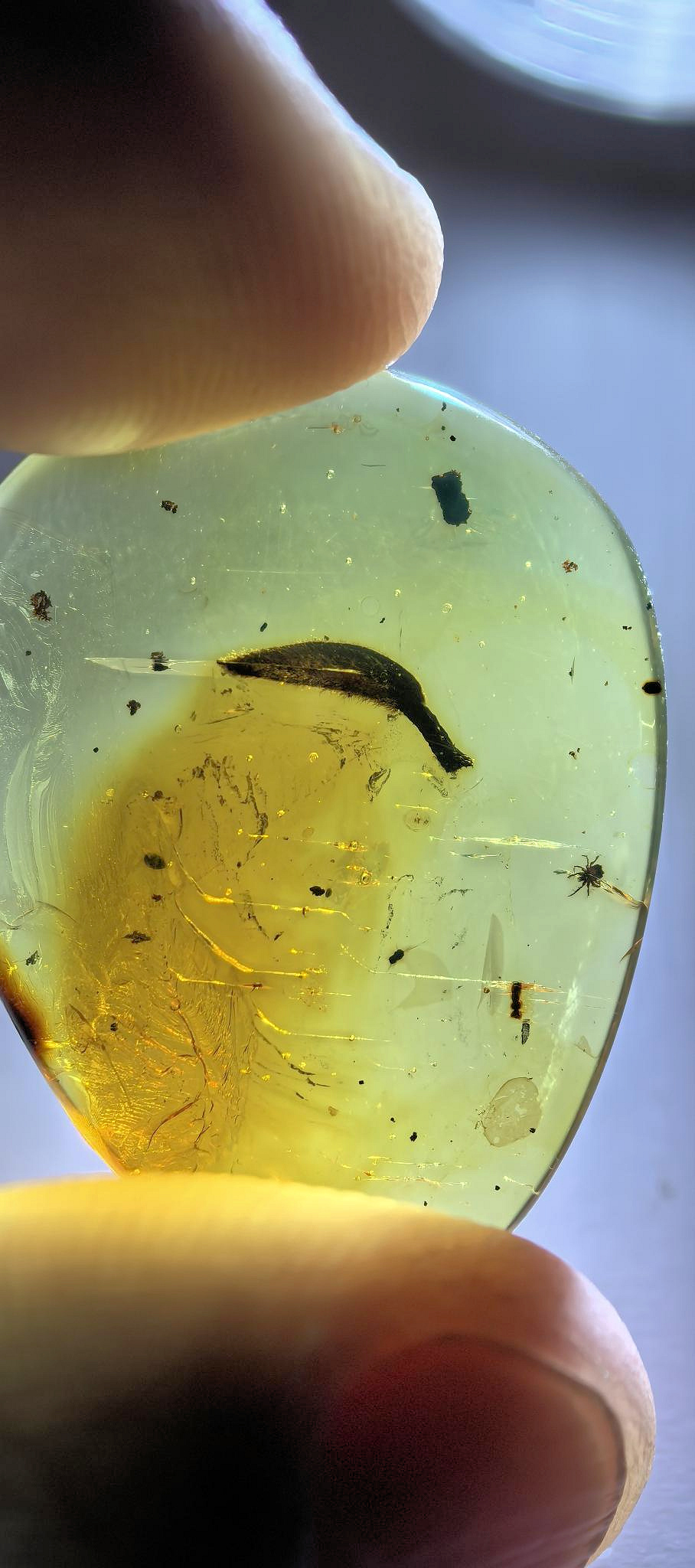
I like this piece for 2 good reasons, the first is a lovely rake-legged mite. Easily seen and it has a sharp body. I also like the small leaf not far from the mite.
SOLD
Item 13

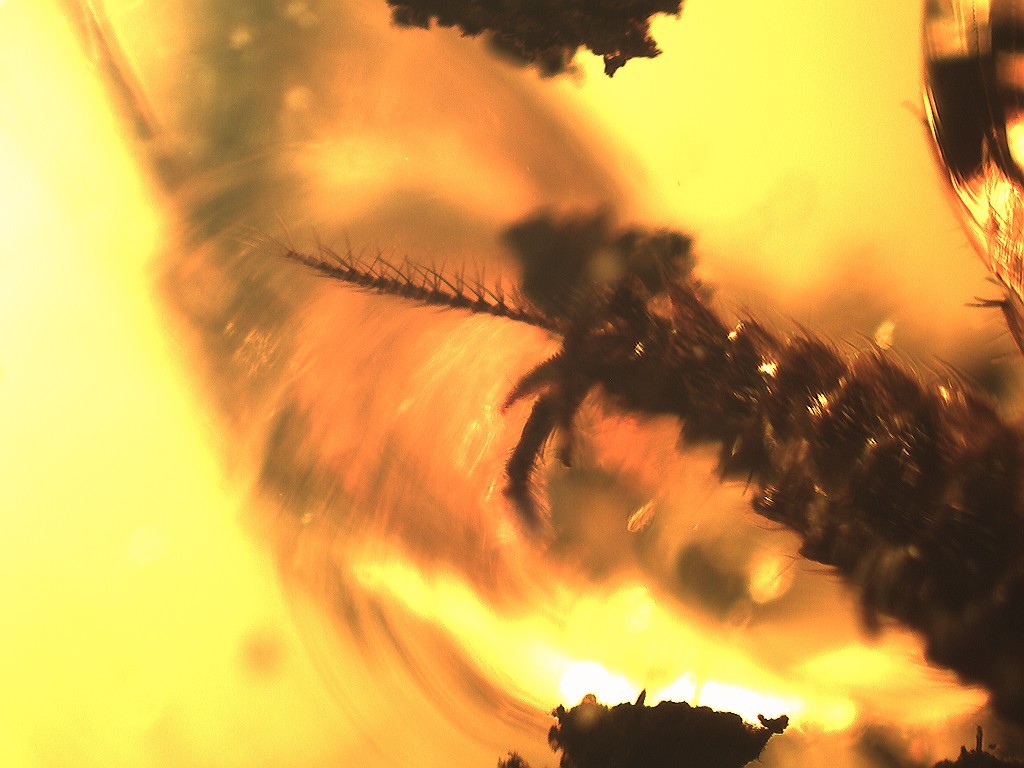
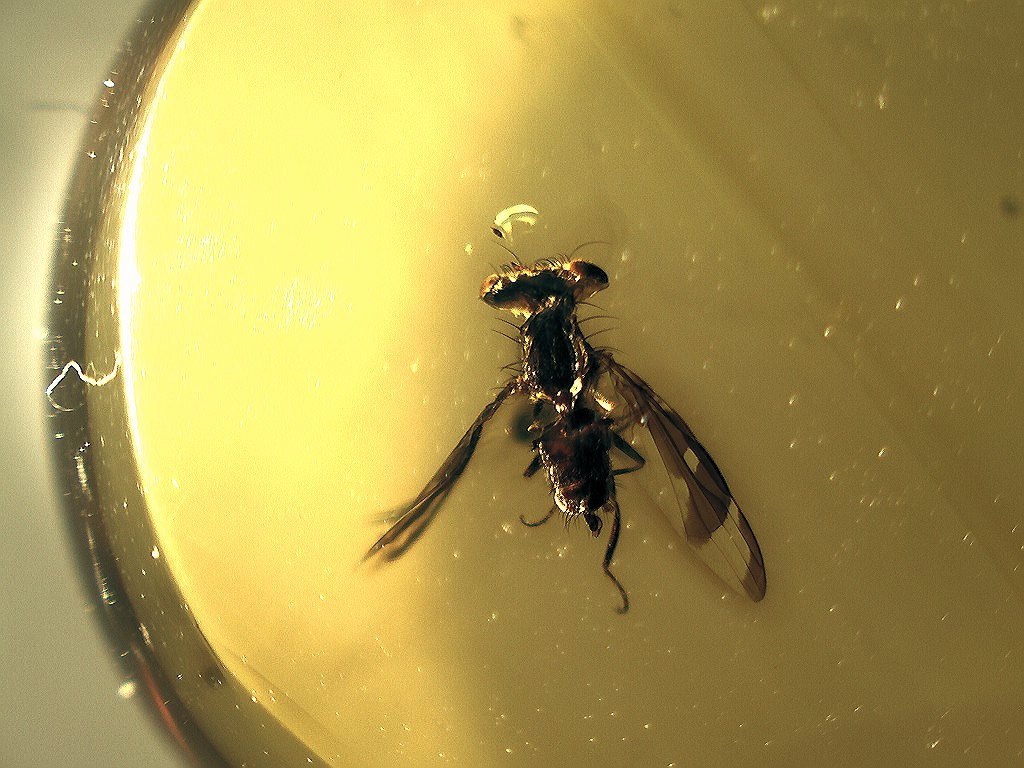
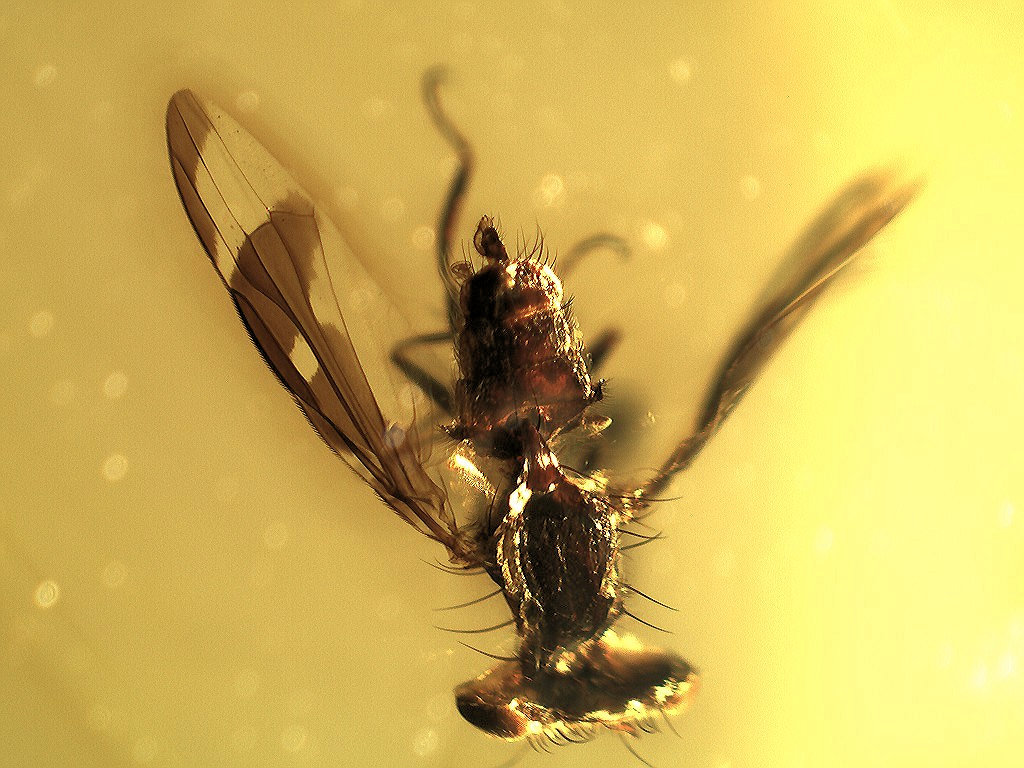
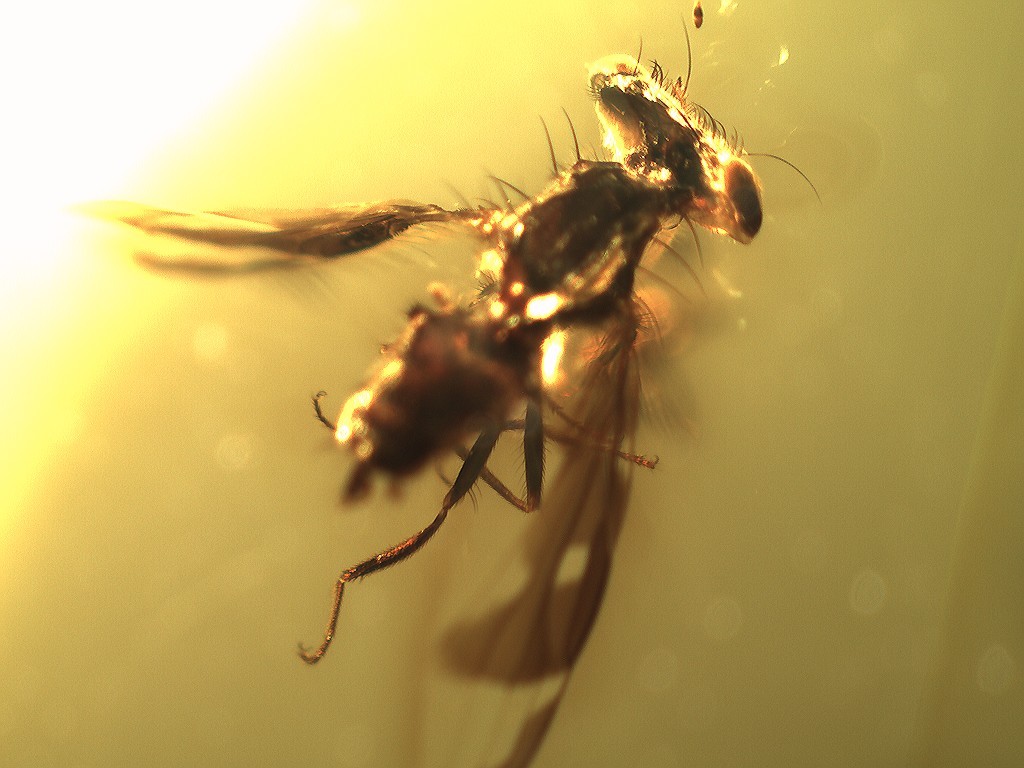
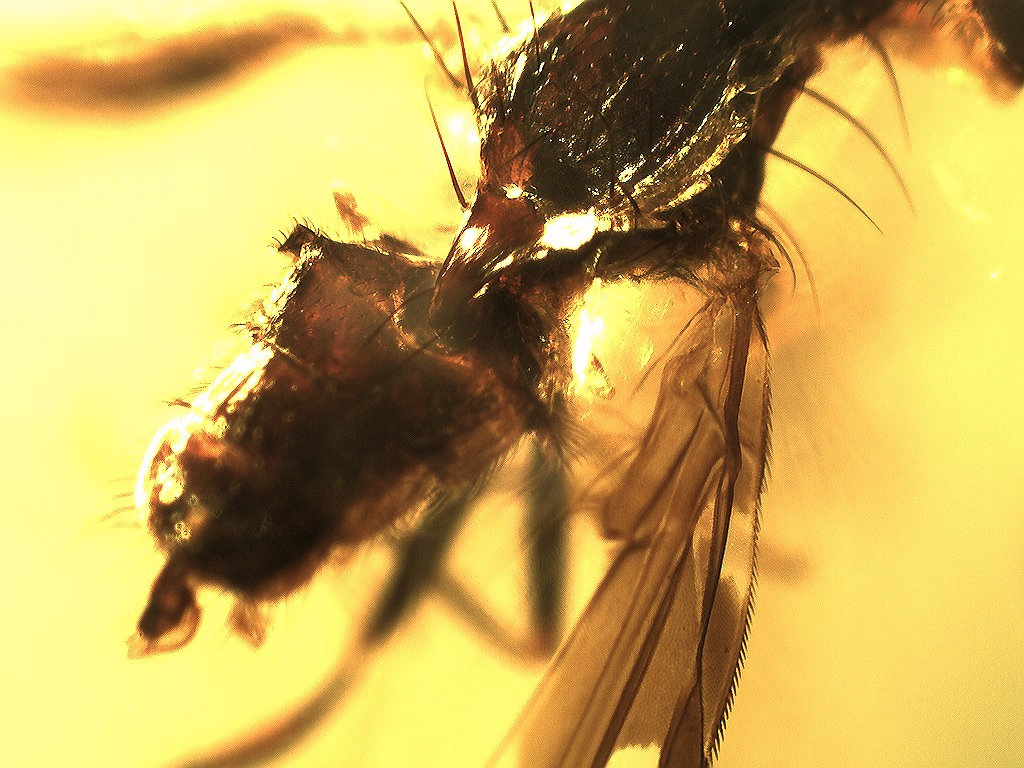
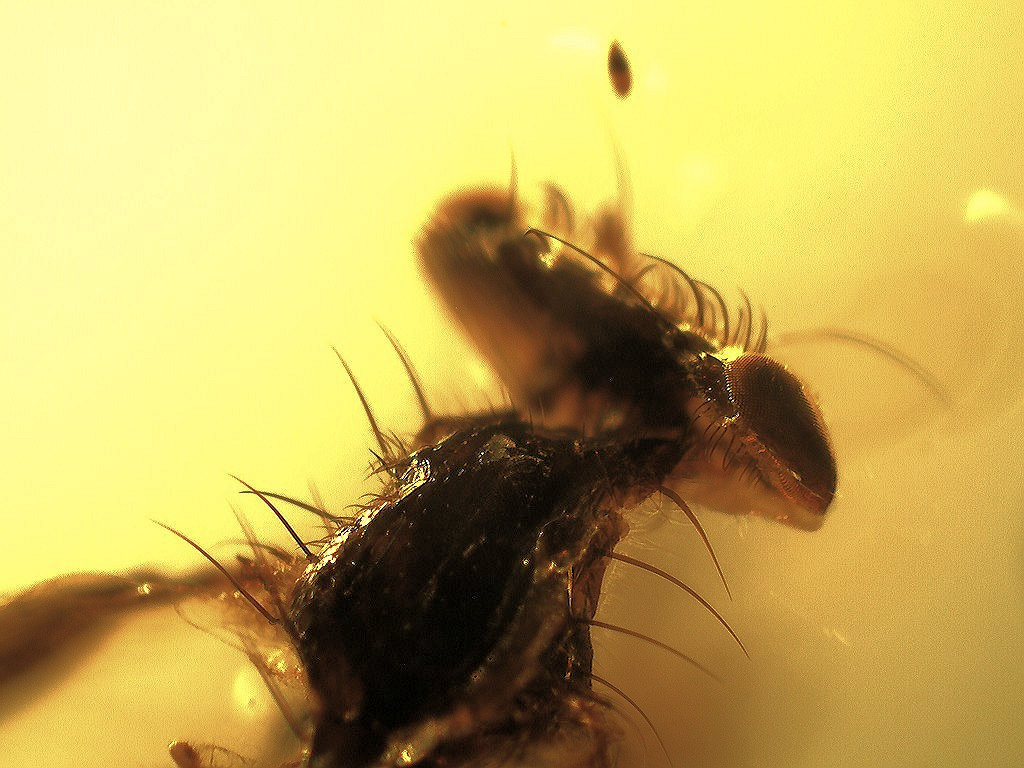
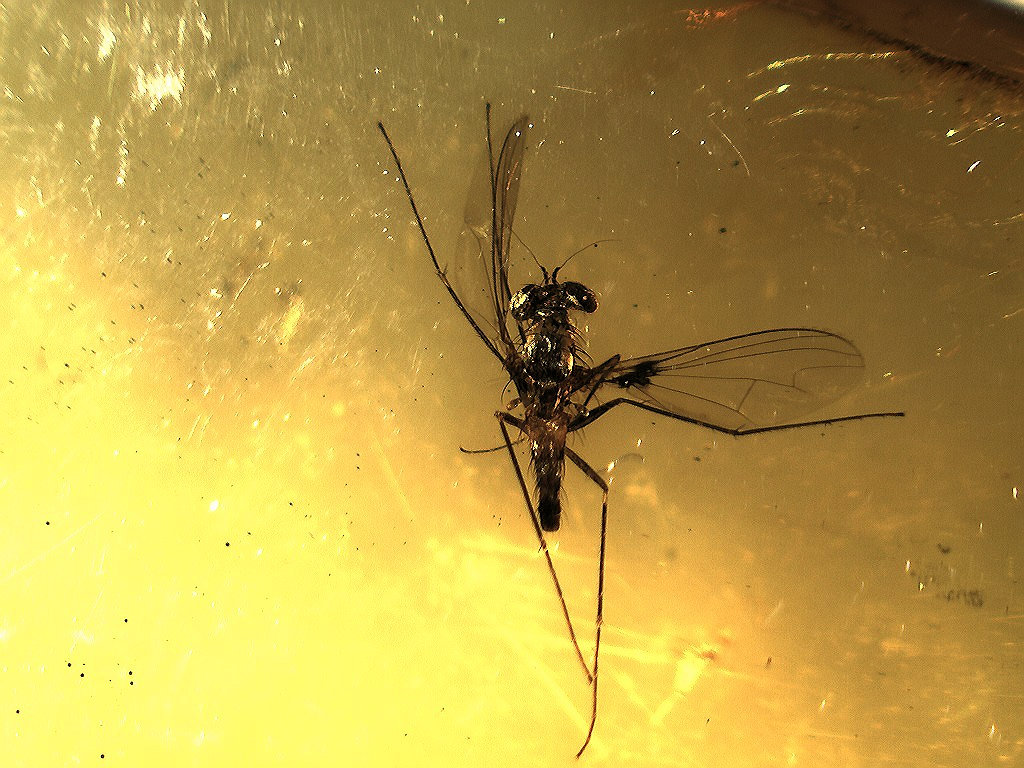
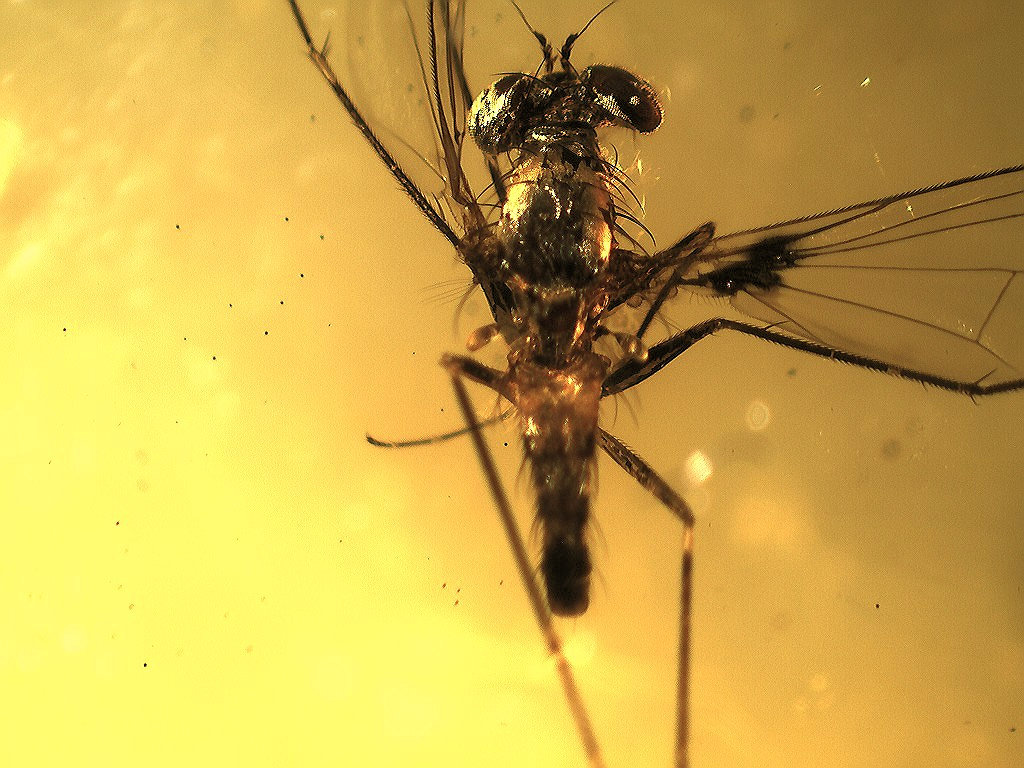
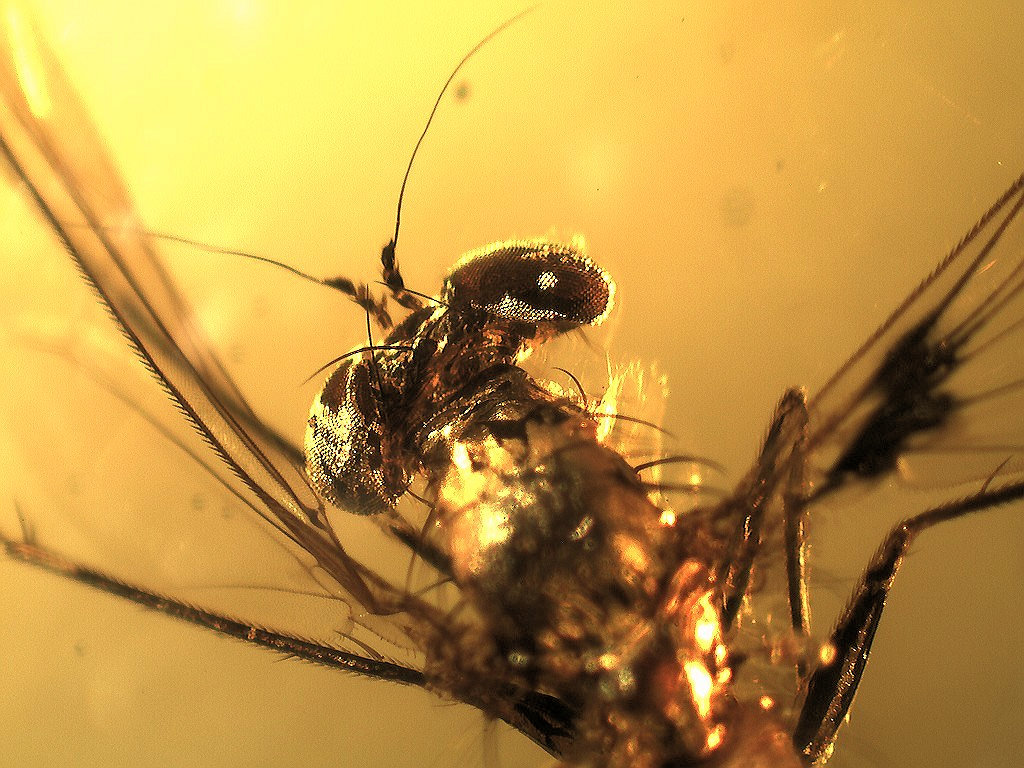
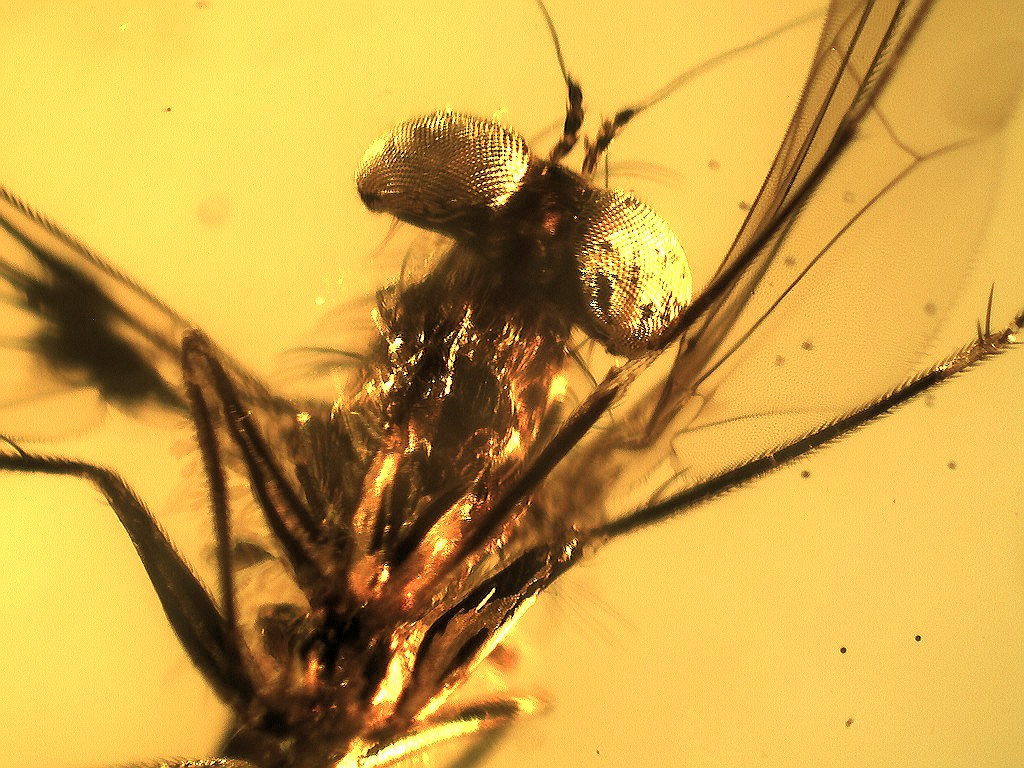
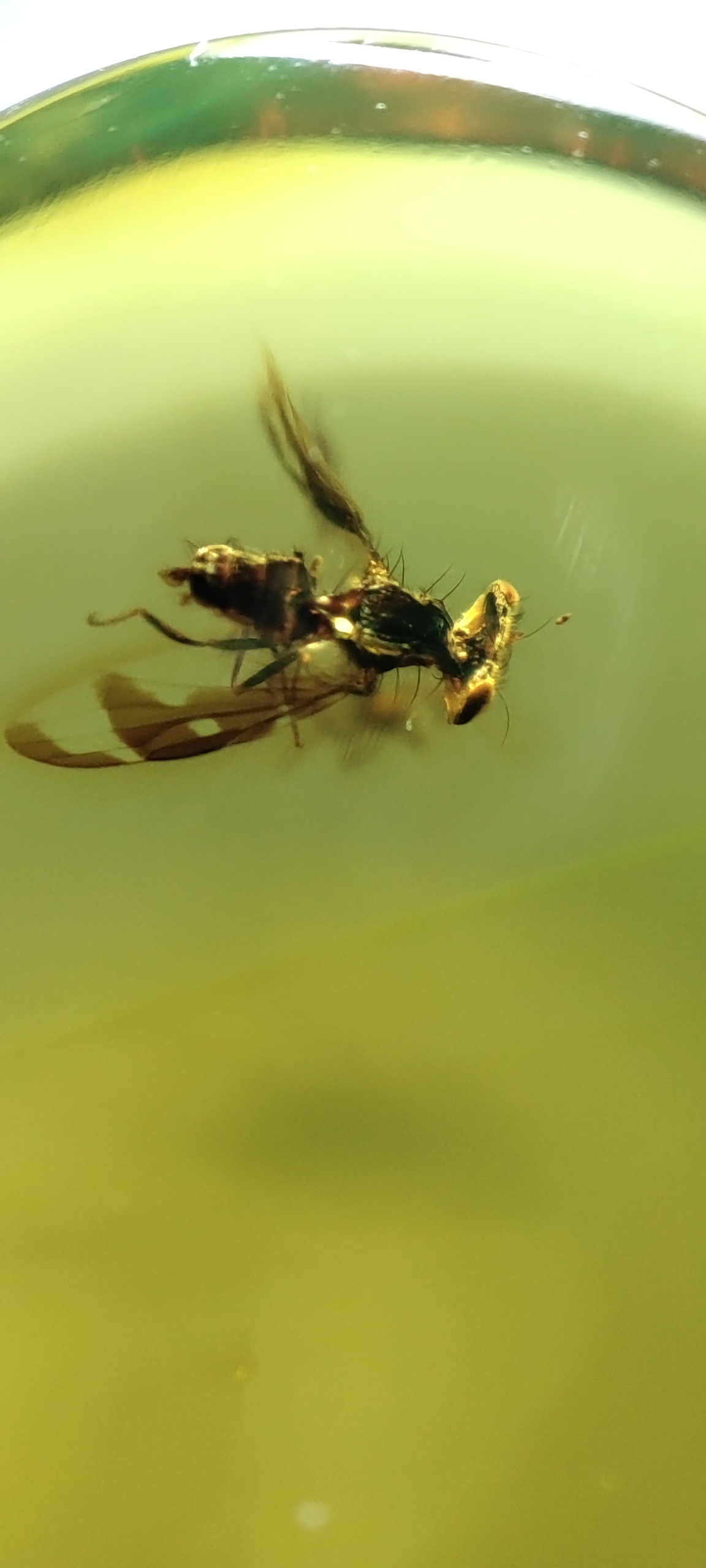
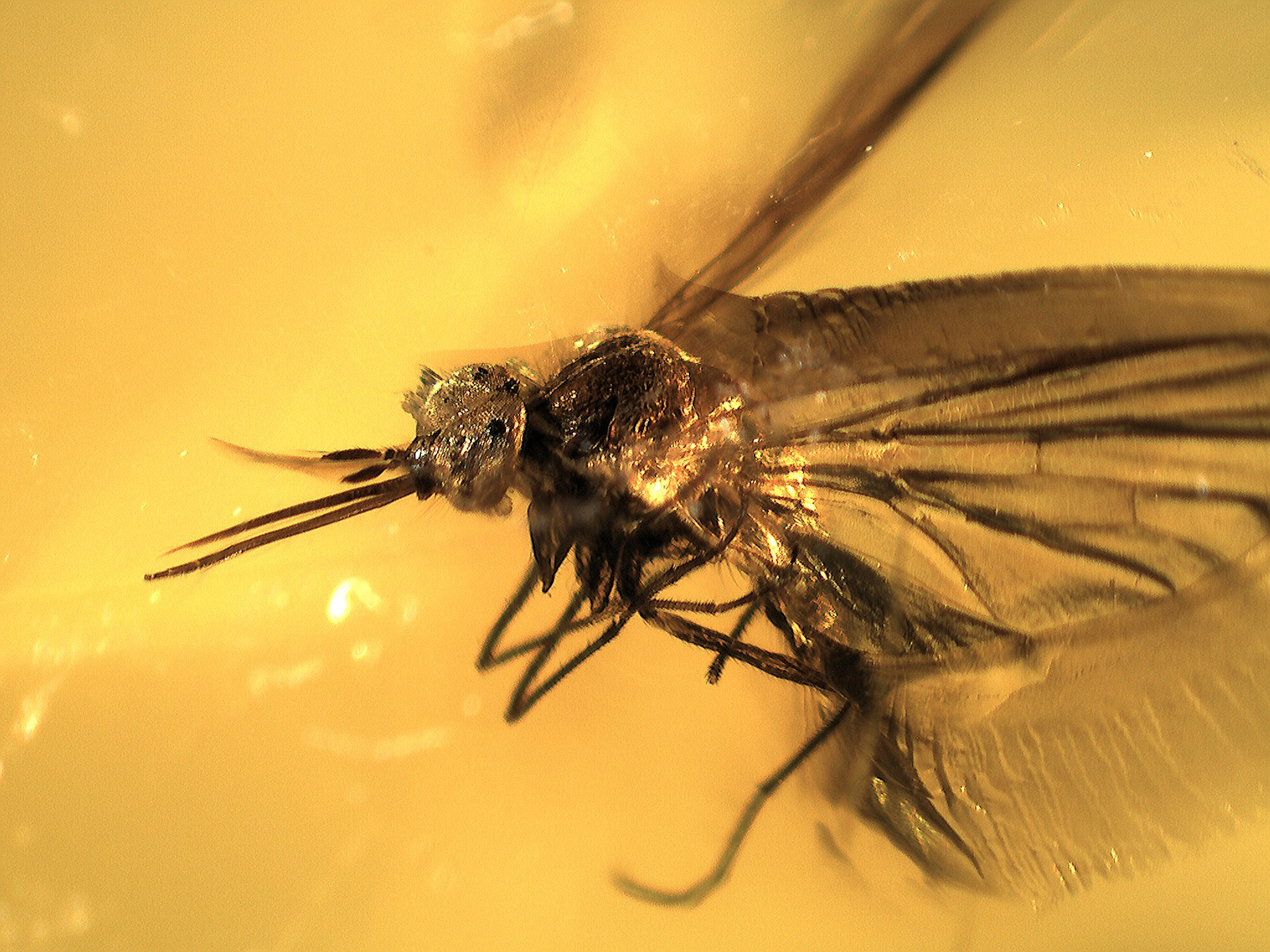
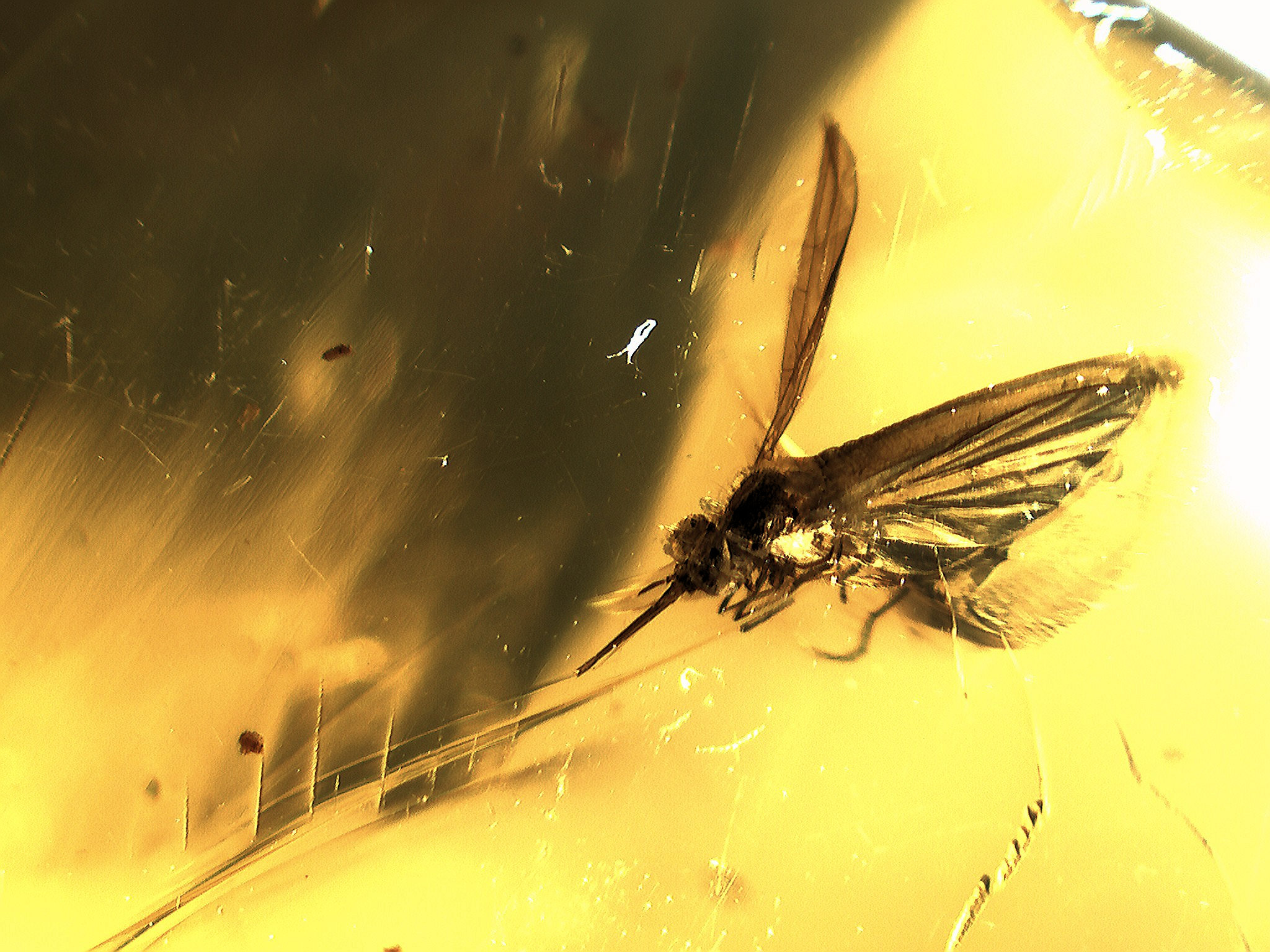
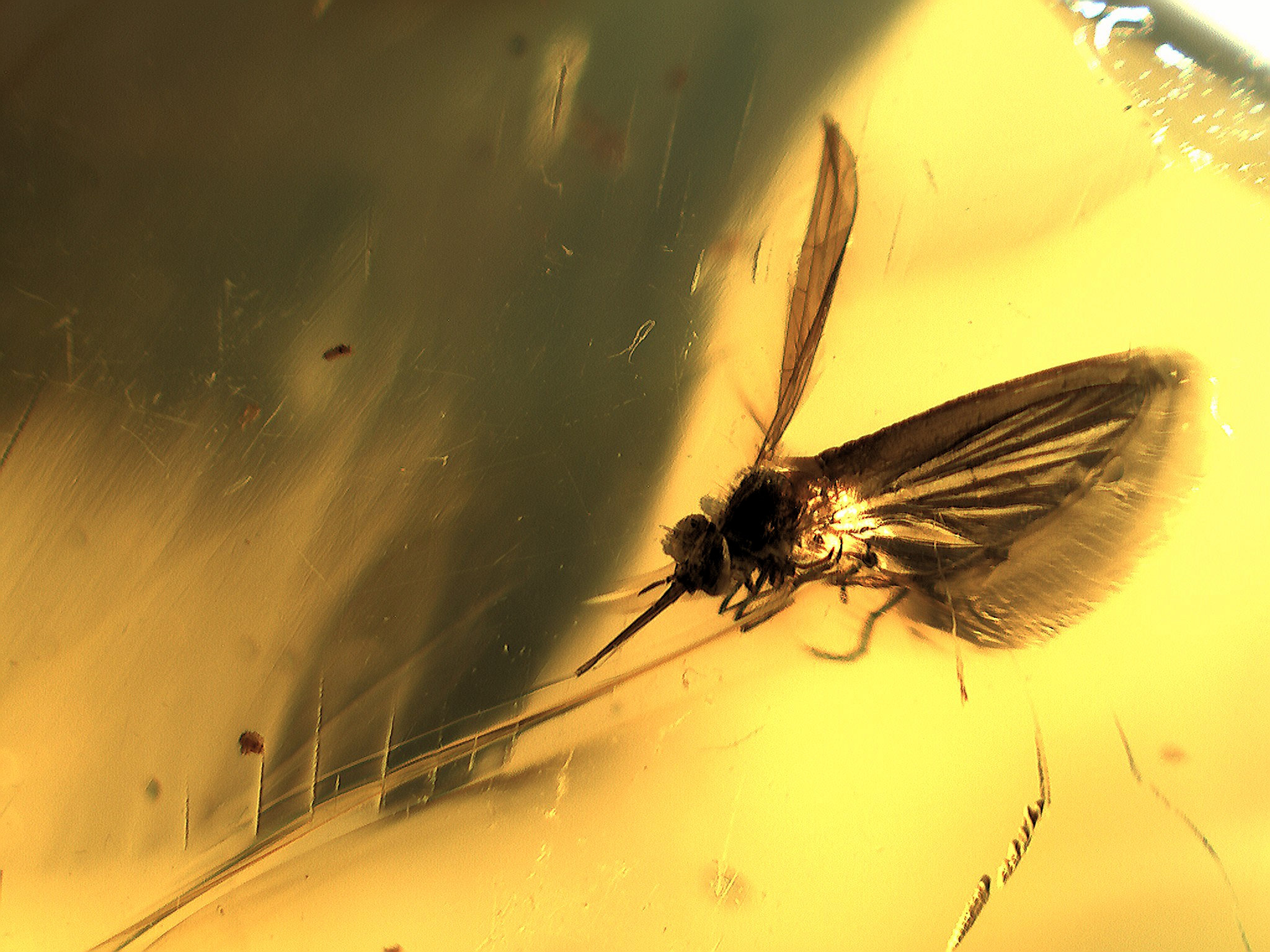
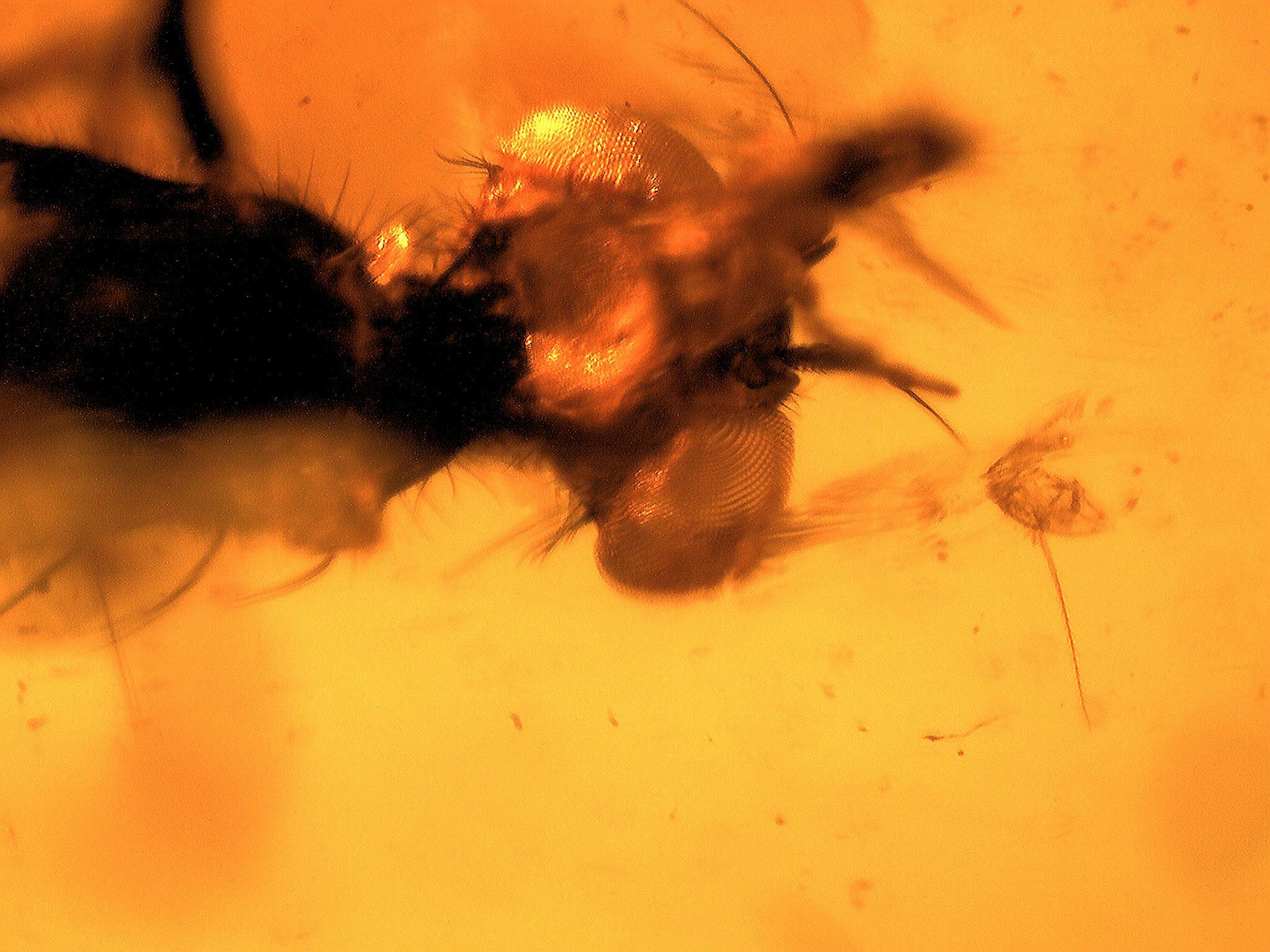
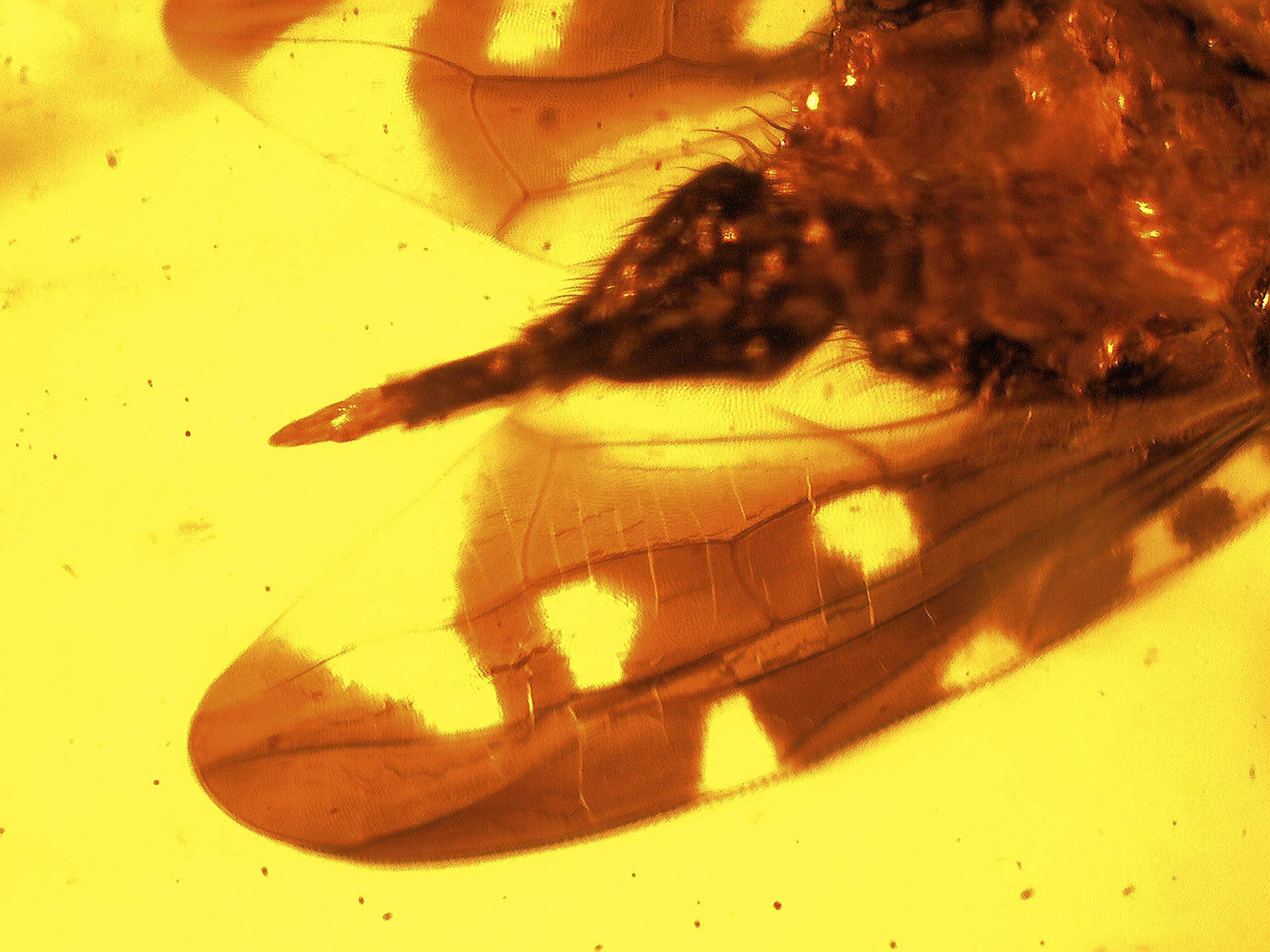
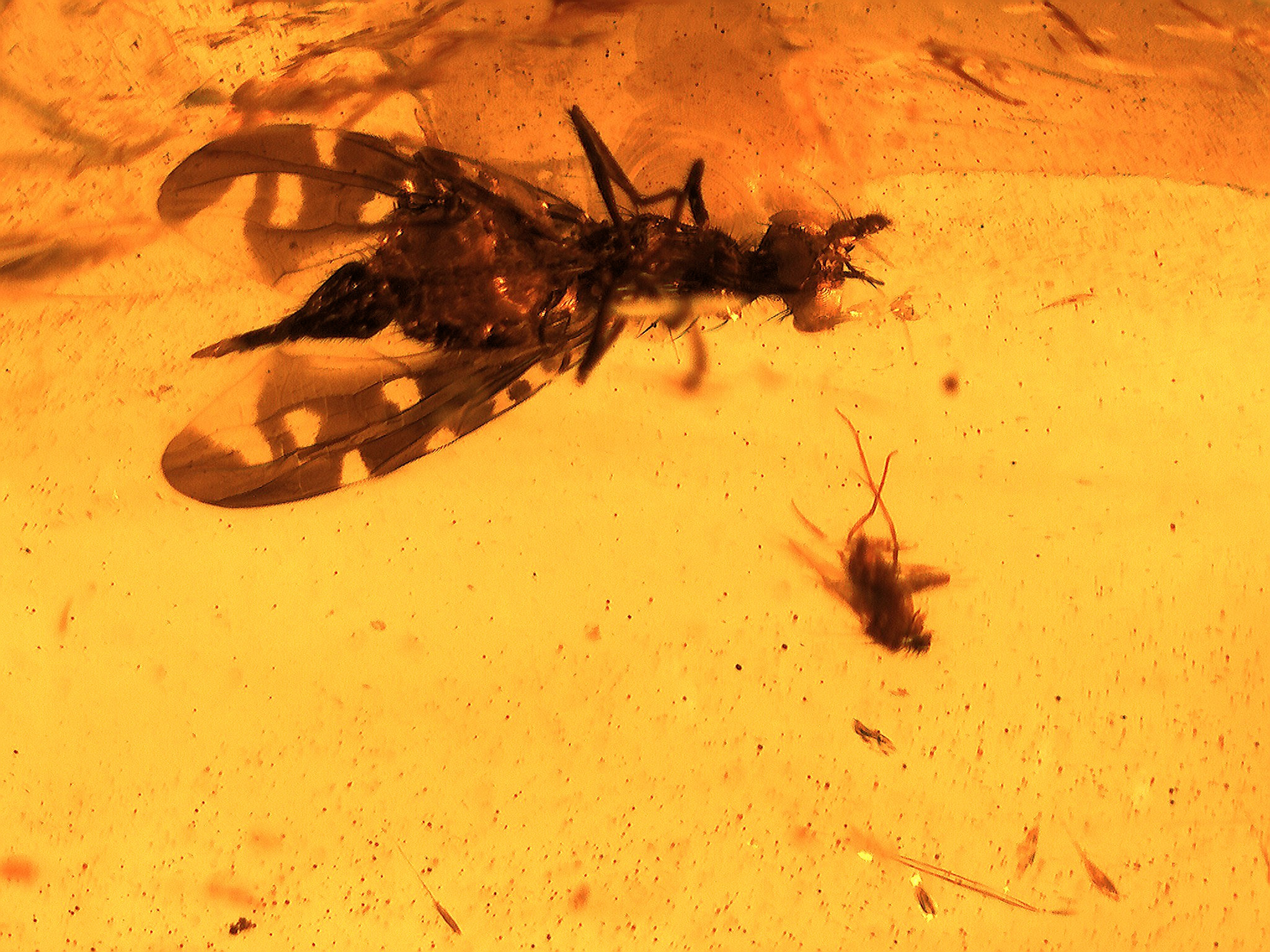
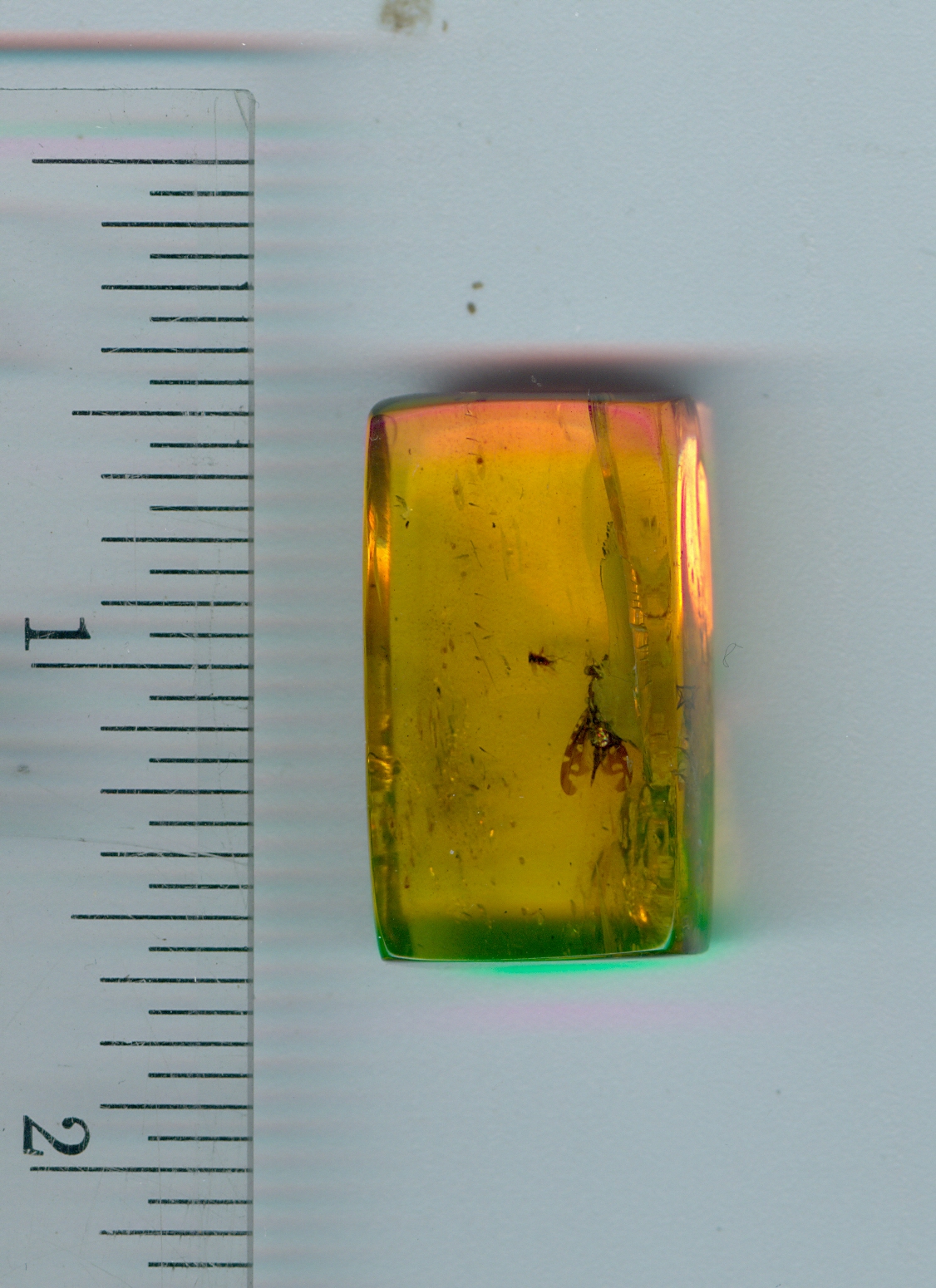
I am not 100% sure what this fly really is.........scuttle fly? It is Diptera, Brachycera but from Brachycera on, I am just not sure. I do know that this is a beautiful piece, clear and the fly is gorgeous. The details are out of this world.
Item 14

A lovely piece of Chiapas amber with a nice jumping spider in one corner. This is a good piece and the price is good also.
Scanned Image!
Item 15

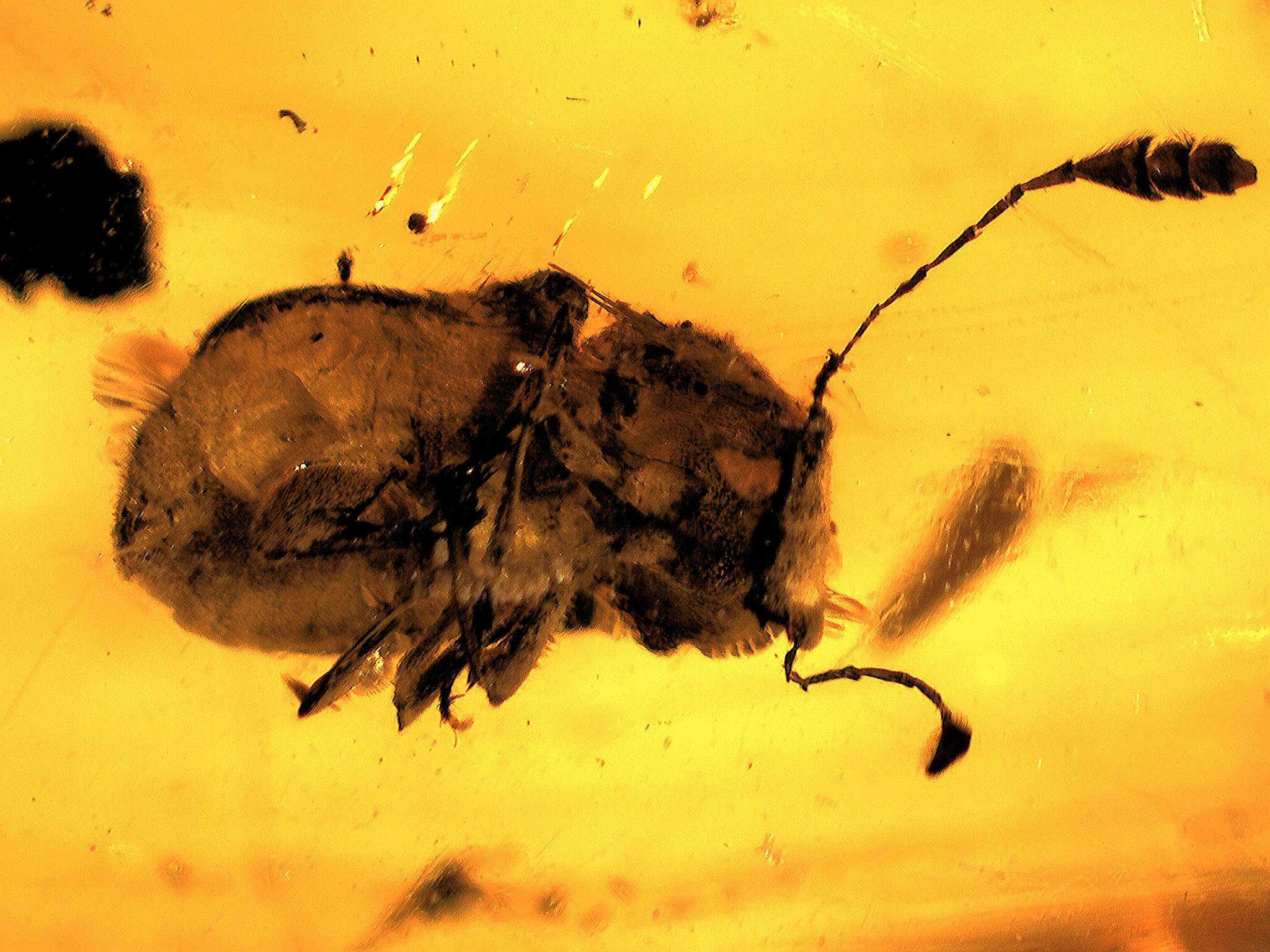
The Lymexylidae, also known as ship-timber beetles, are a family of wood-boring beetles. Lymexylidae belong to the suborder Polyphaga and are the sole member of the superfamily Lymexylidae. As you can probably guess, ship-timber beetles are rather rare in amber. While I do not feel that I can state that they are not found in Mexican amber - I cannot find any reference to it.
Item 16

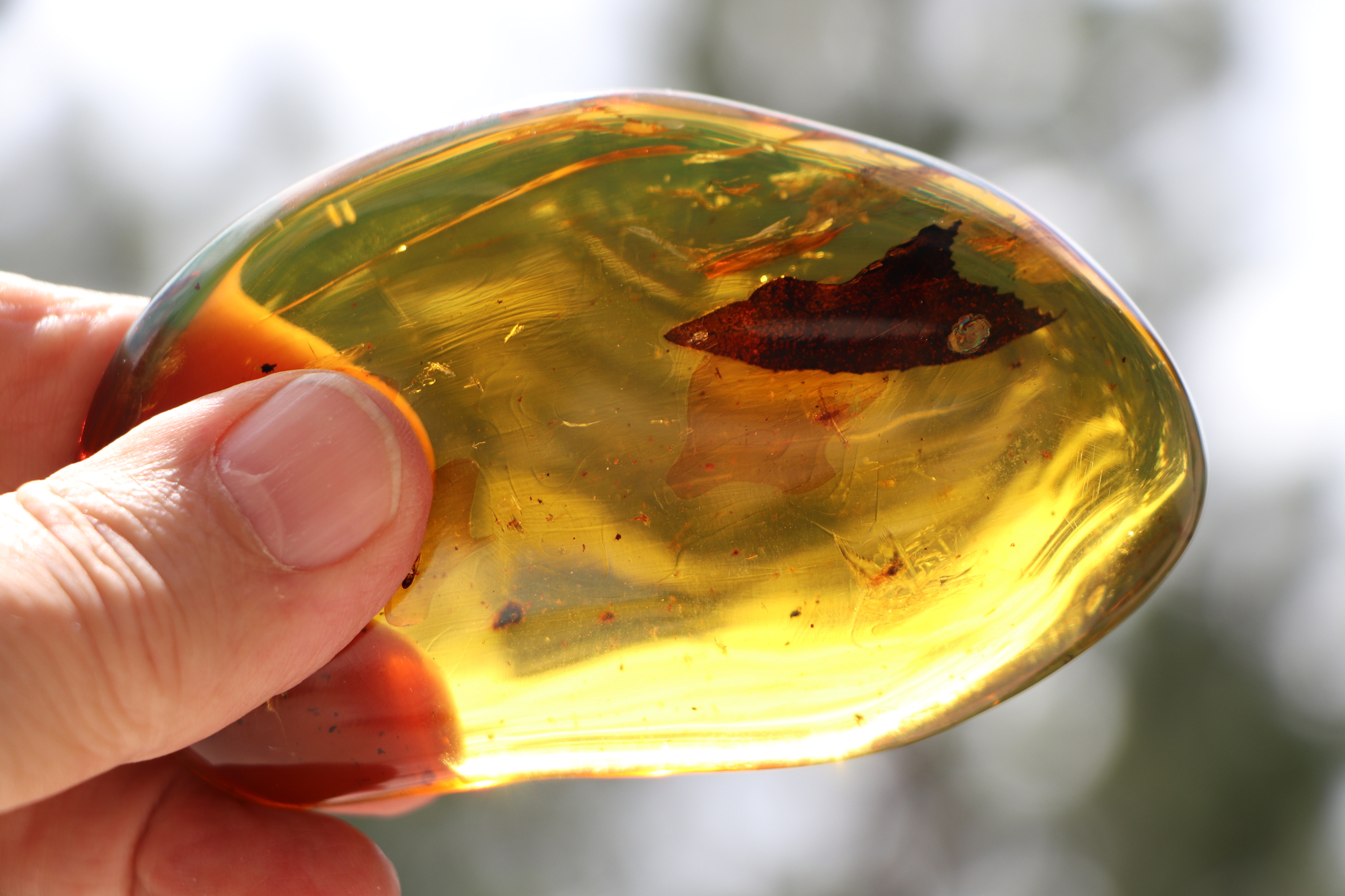
This is from Chiapas, Mexico. What what a large and beautiful piece of amber. It is about 5 x 2 x .5 inches and weighs 85 grams - this is a large piece of amber. Oh, and clear - very clear. Now the biggie .... this is a wonderful leaf at one side of the amber. How cool. This giant piece can sit on a desk and be enjoyed by all. Very rare to be able to see a leaf like this. Also there are some barklice and even an immature planthopper. This is a special piece.
Item 17
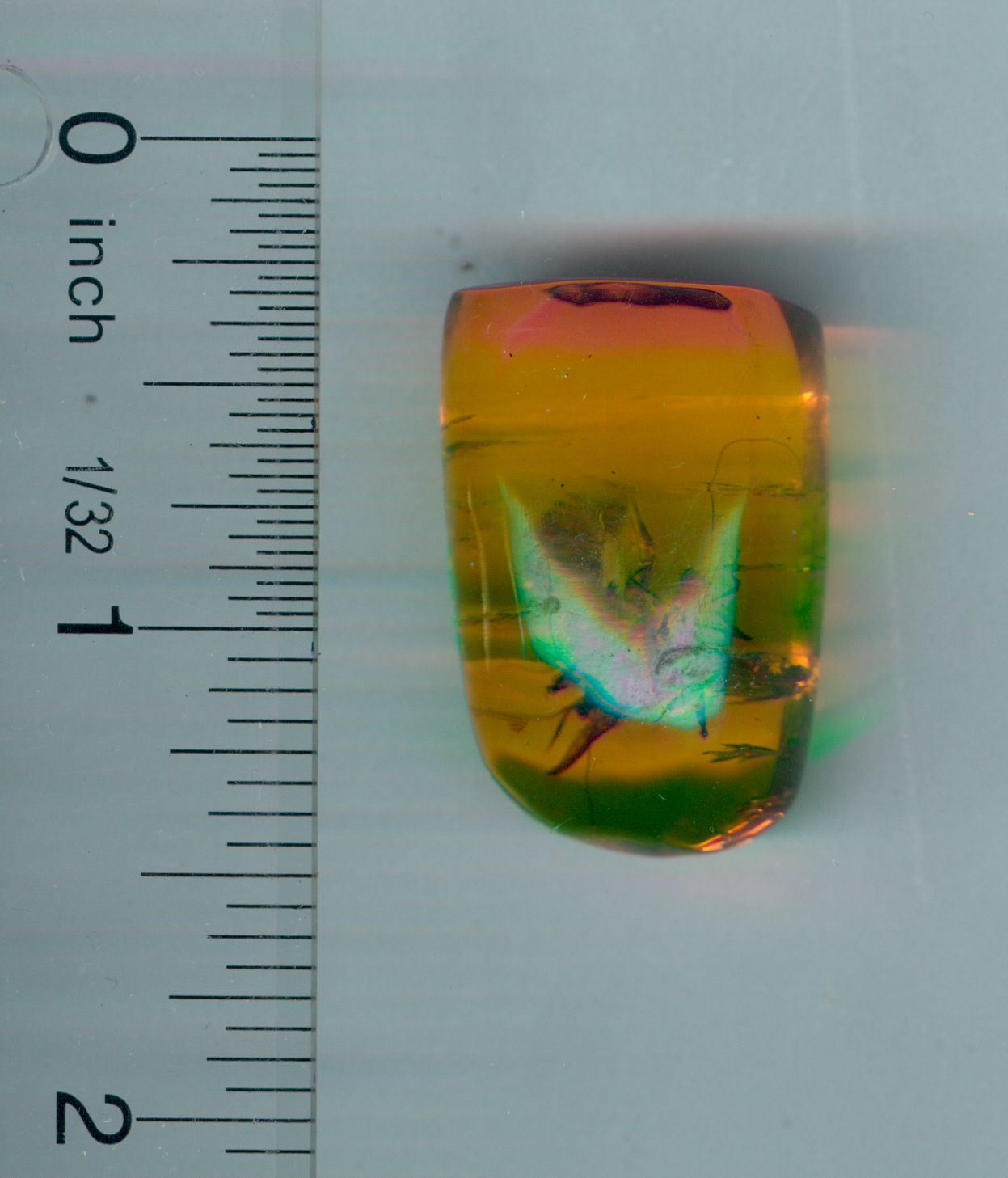
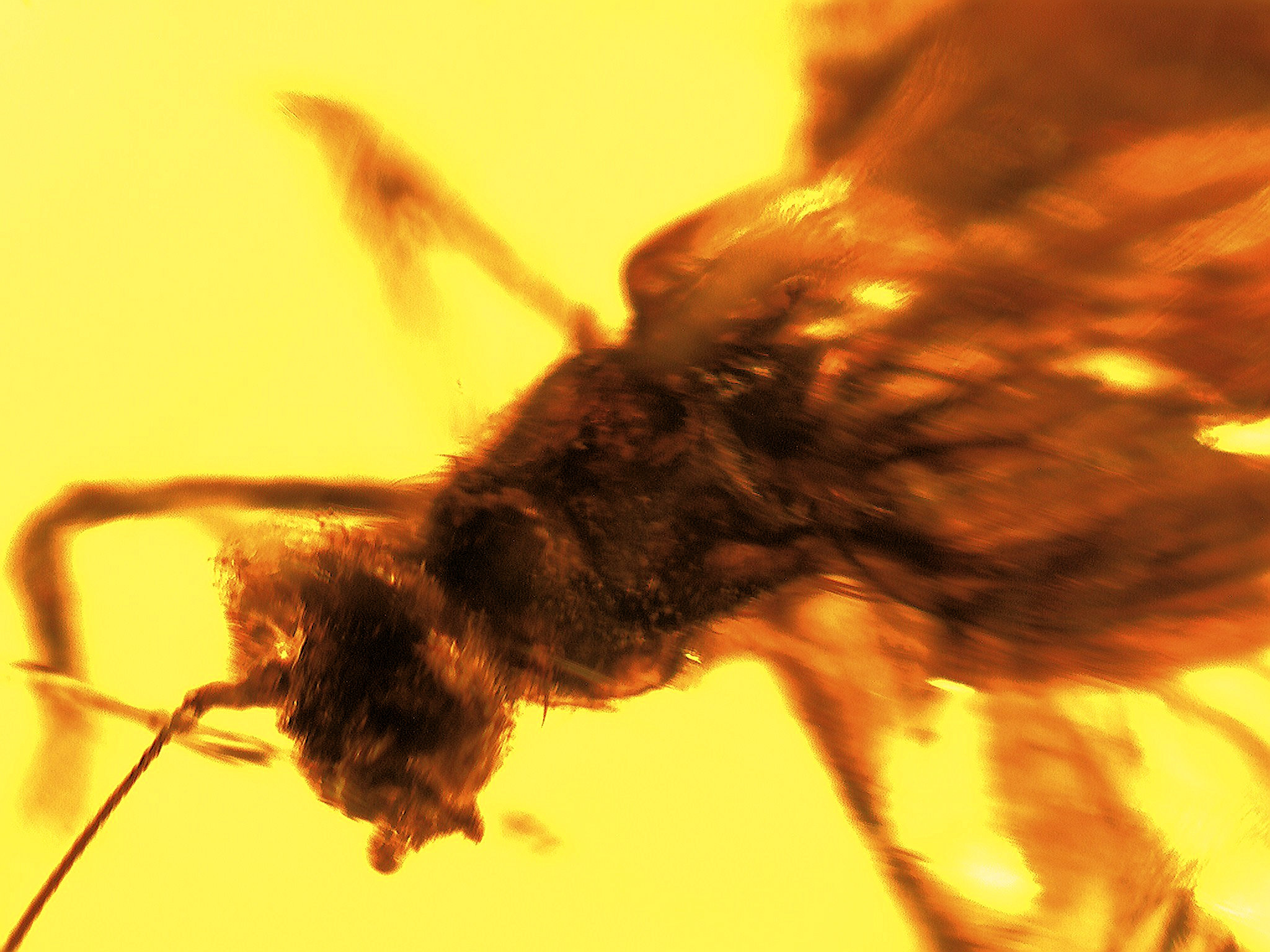
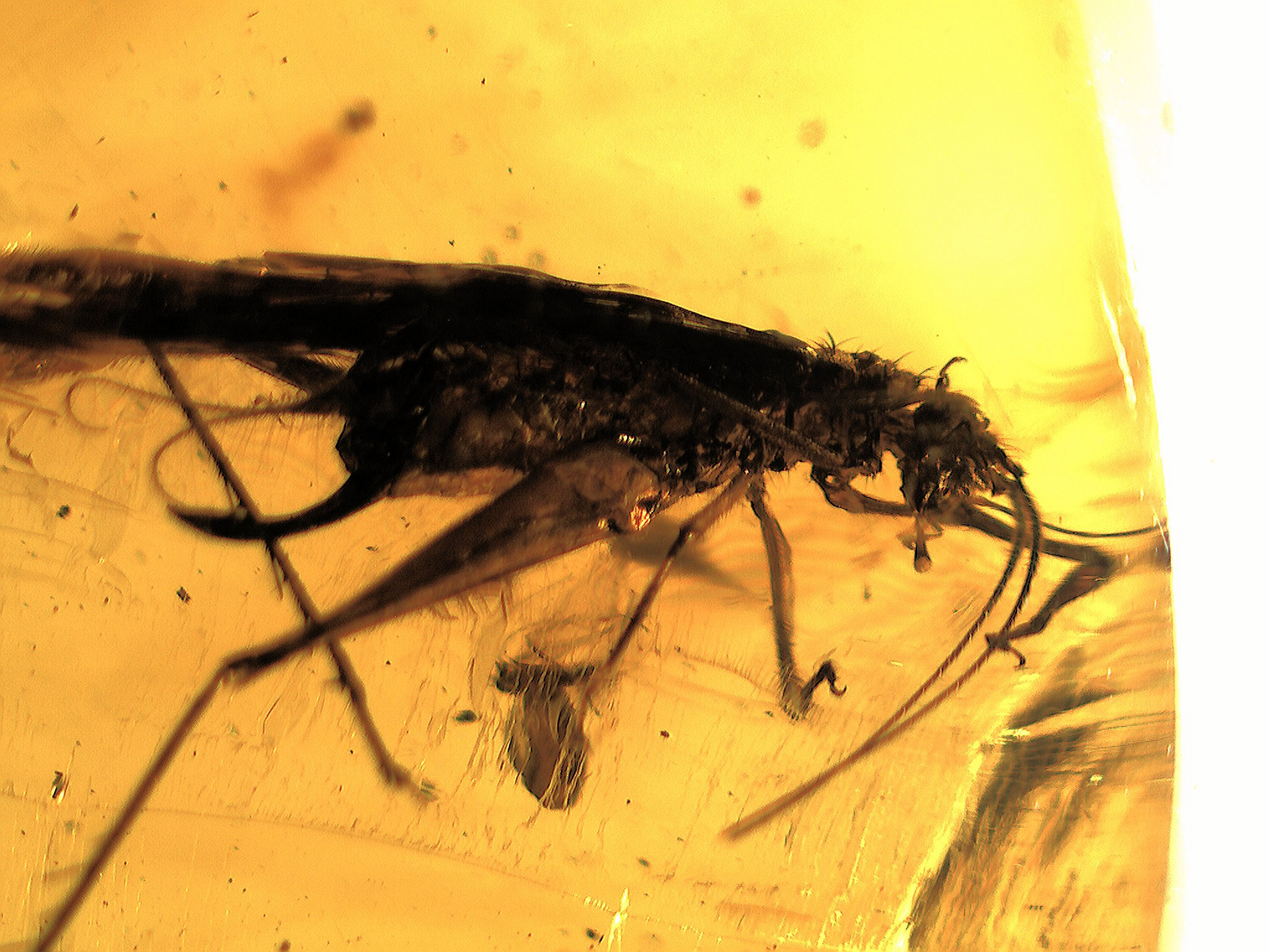
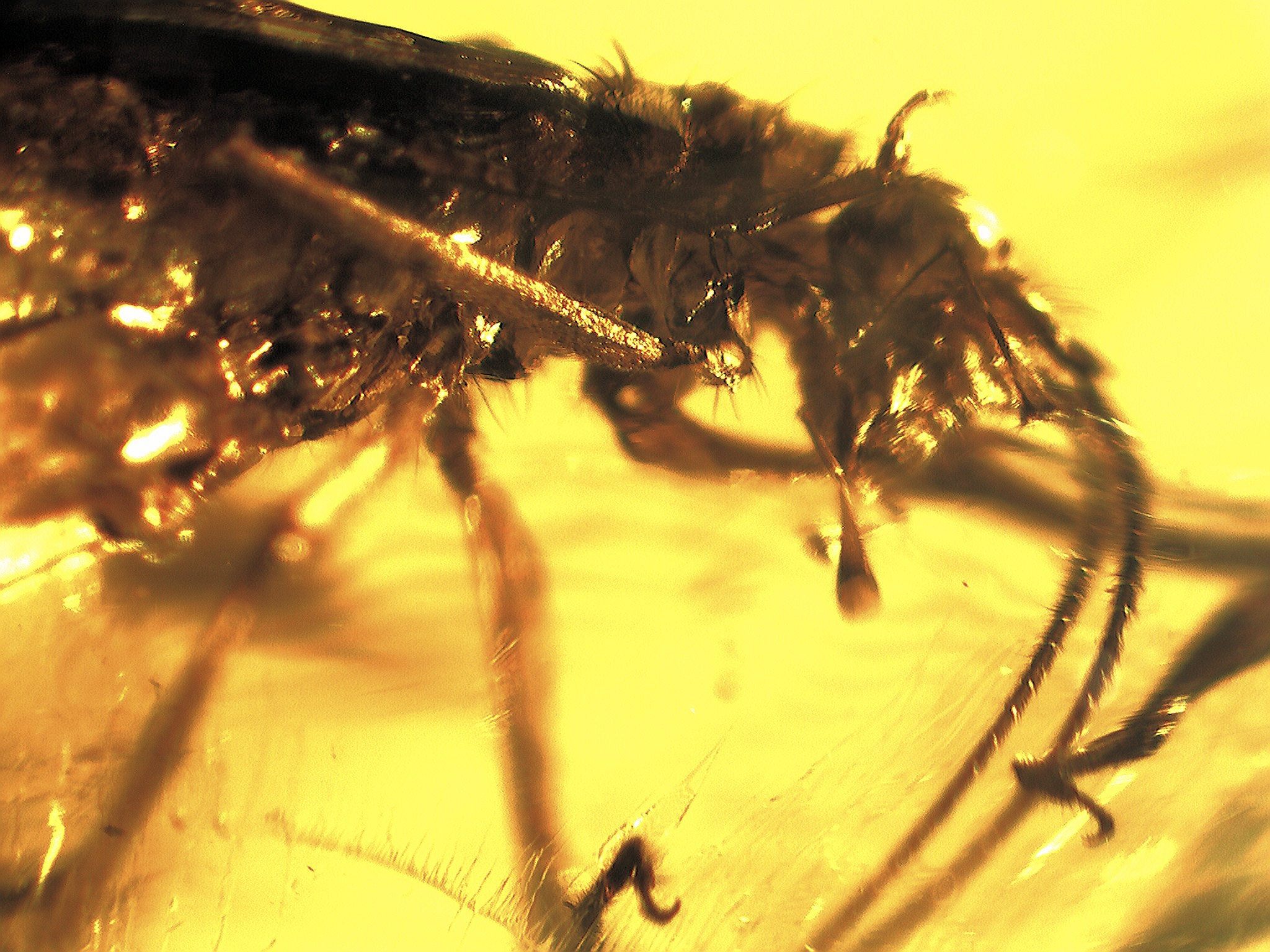
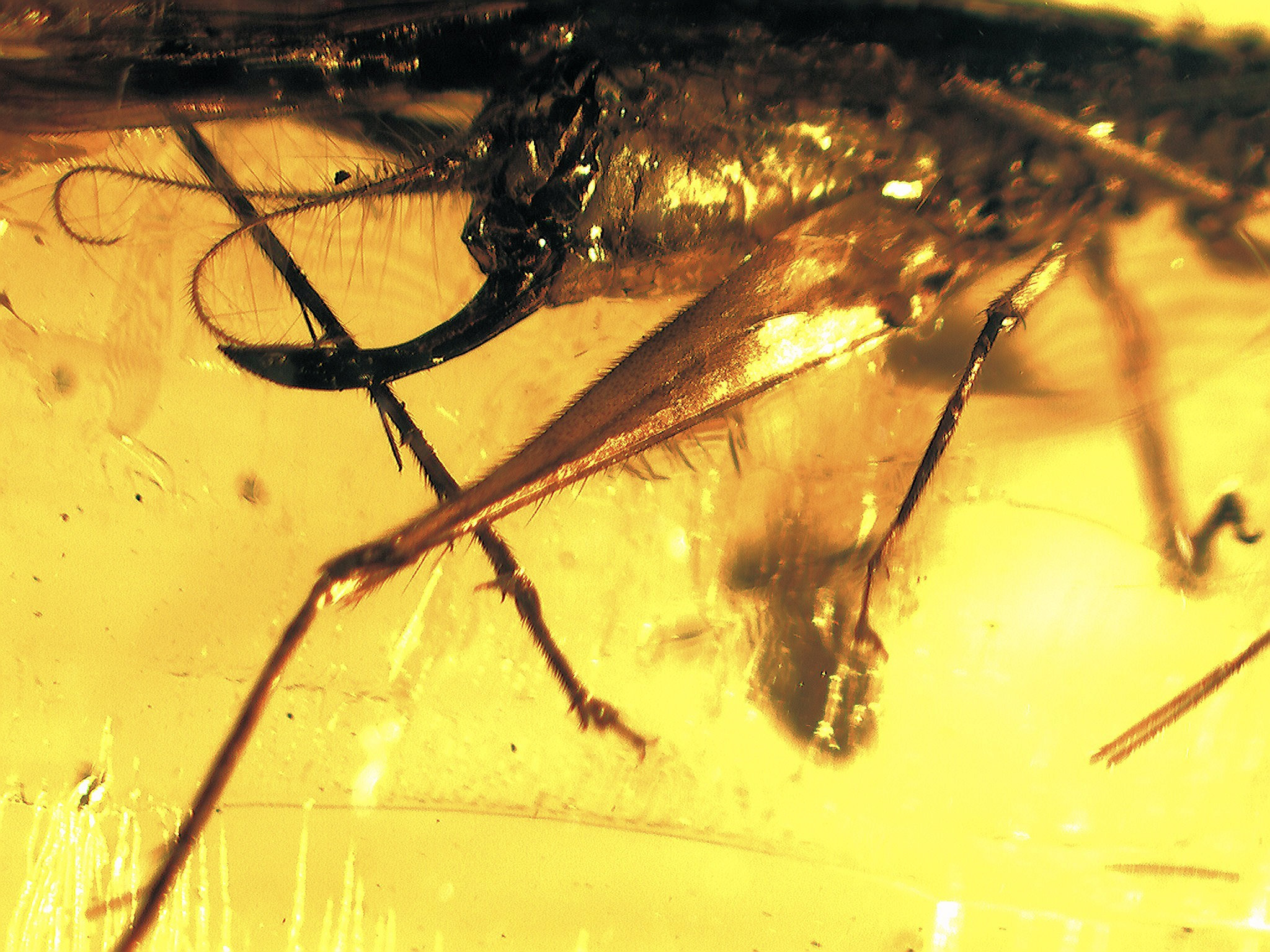
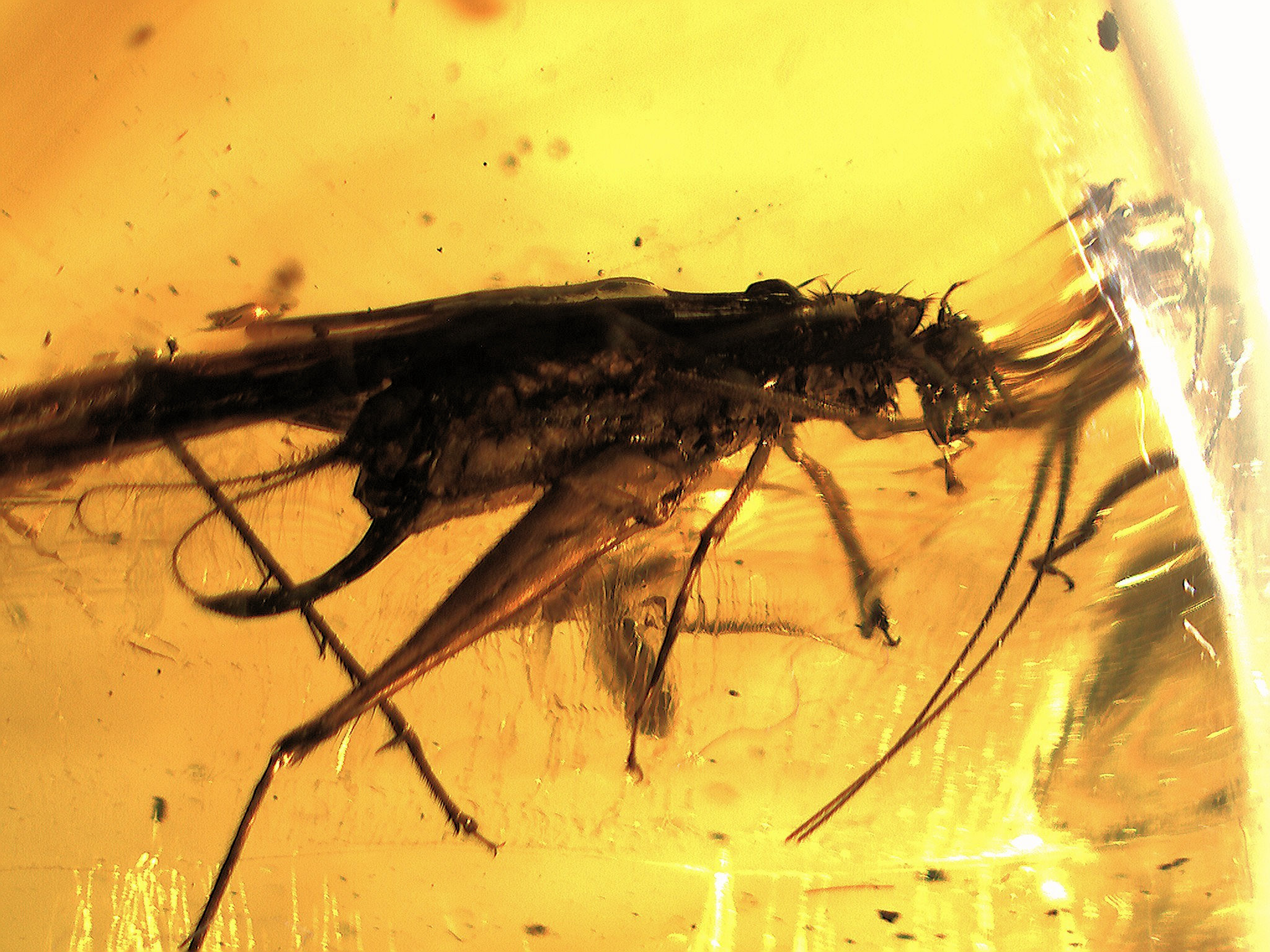
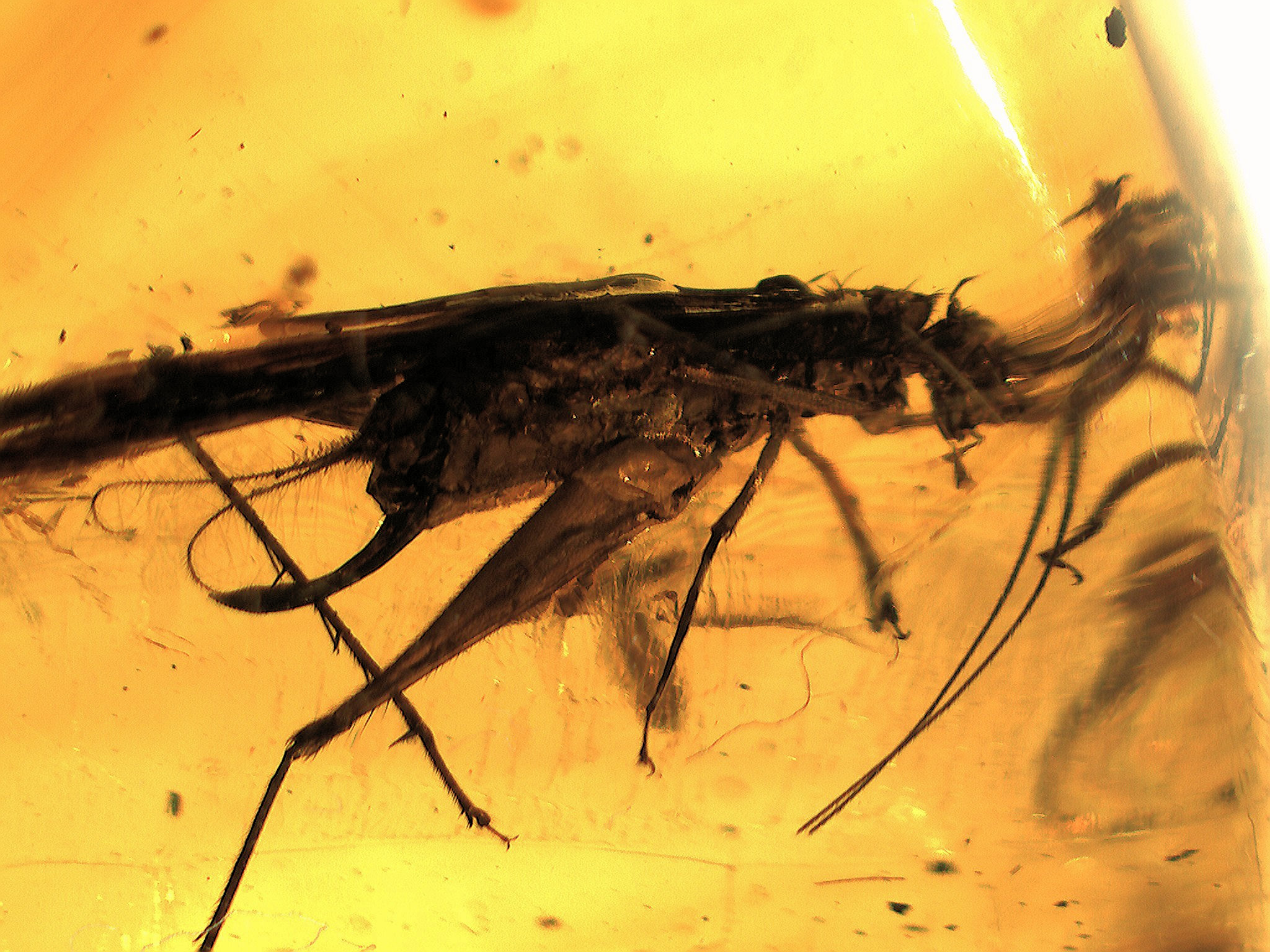
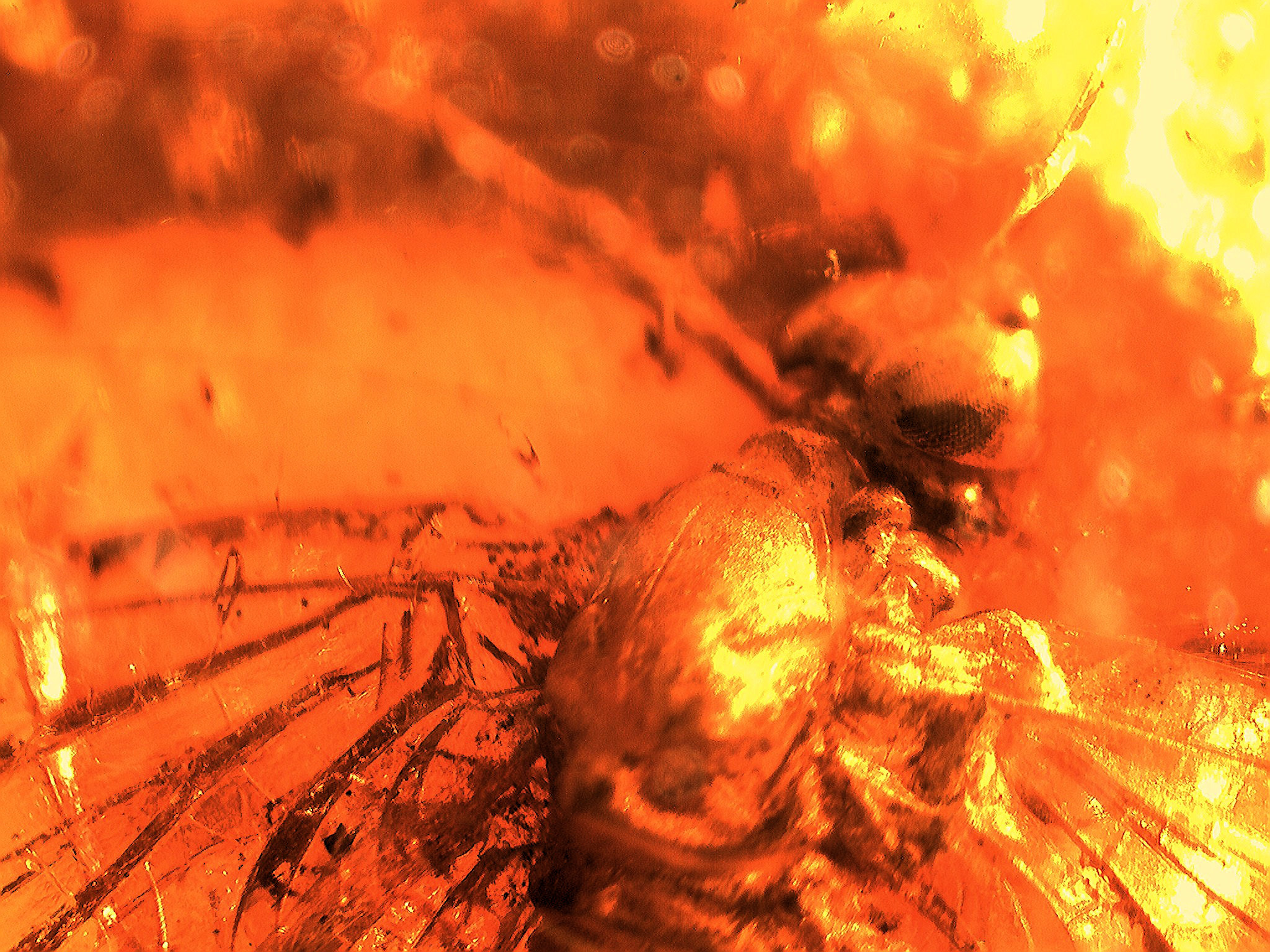
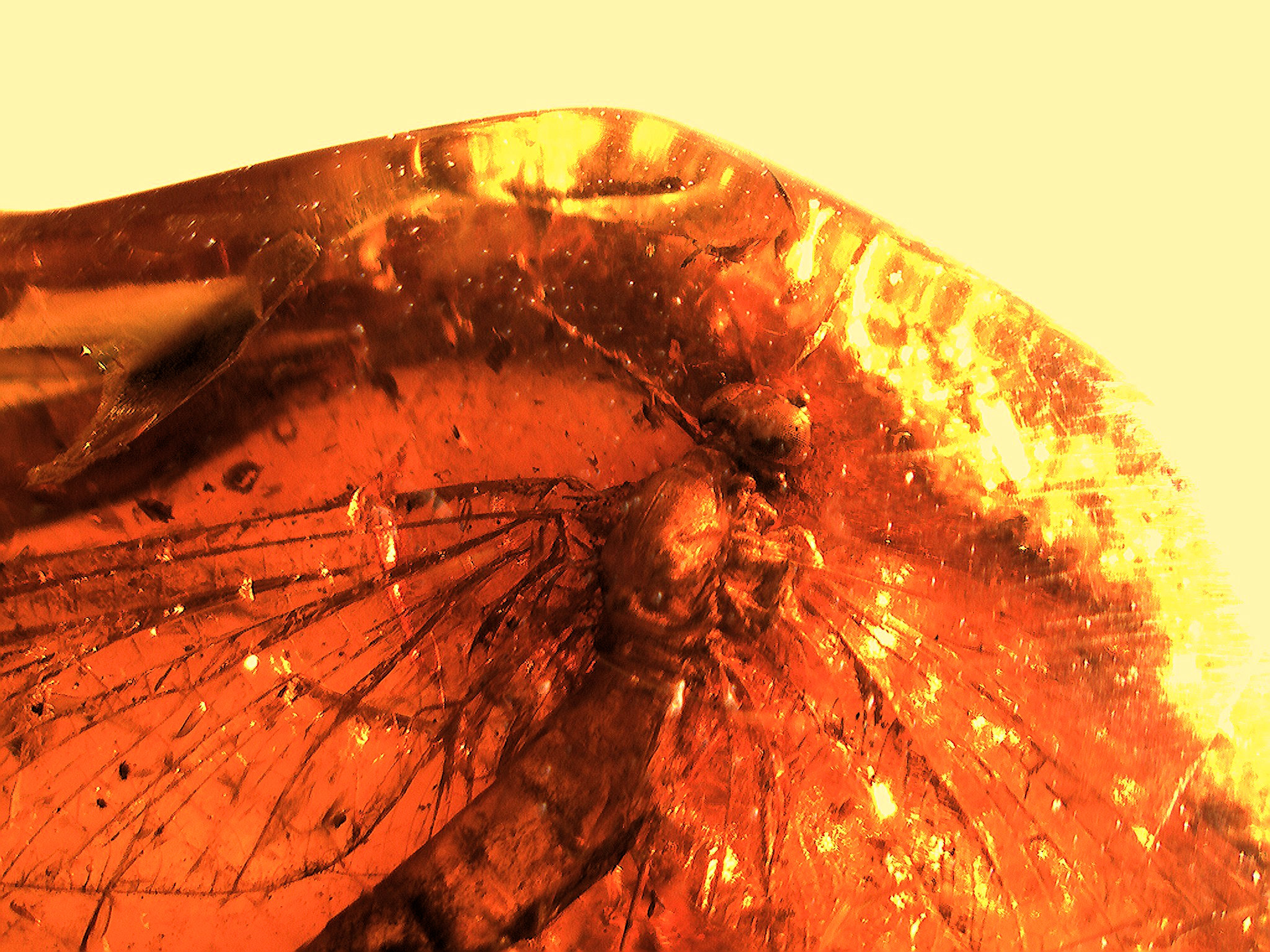
Take a second look, this is a stonefly, Plecoptera. The name "Plecoptera" literally means "braided-wings", from the Ancient Greek plekein (πλέκειν, "to braid") and pteryx (πτέρυξ, "wing"). This refers to the complex venation of their two pairs of wings, which are membranous and fold flat over their backs. Stoneflies are generally not strong fliers, and some species are entirely wingless. While not impossible to find in amber, they are rare. This is possibly a rolled-winged stonefly, Leuctridae.
Item 18
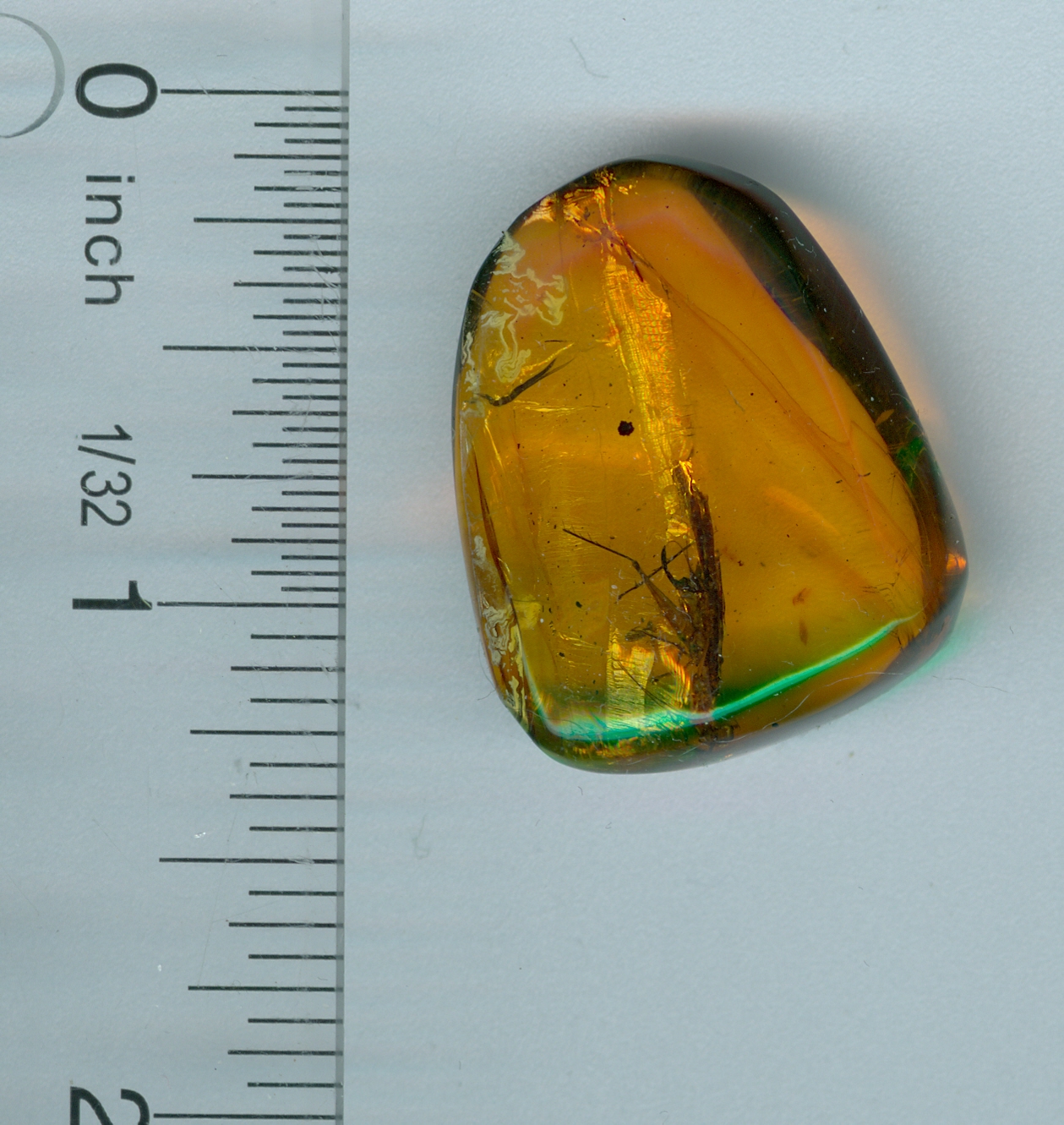
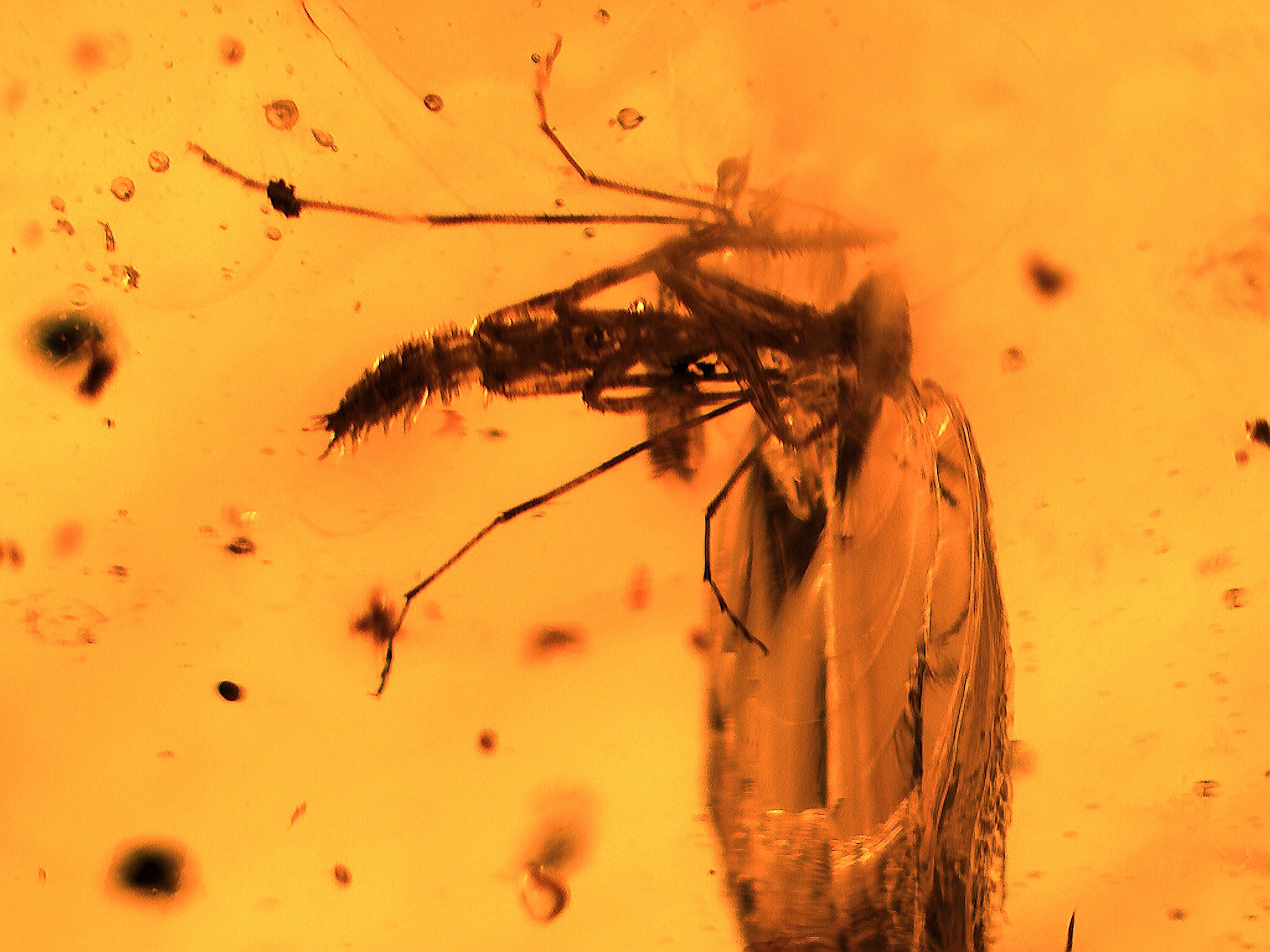
So often you need a magnifier to see the insects, not this one. This is a female cricket. You can easily see the ovipositor.
Item 19
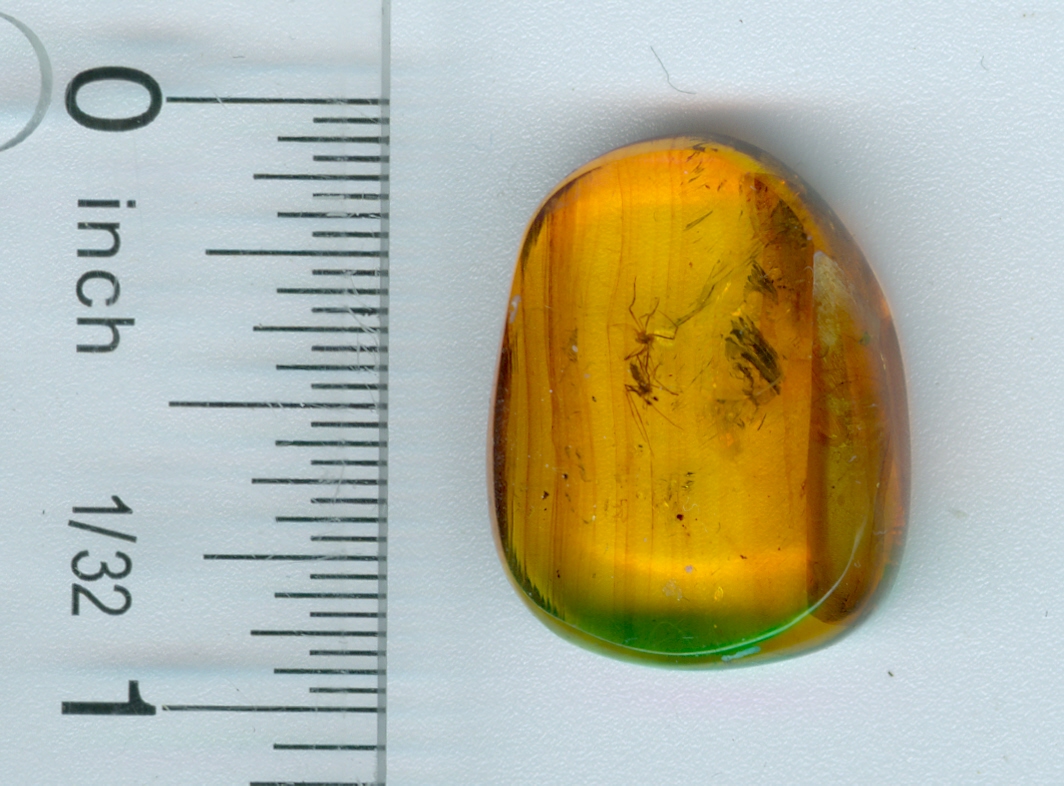
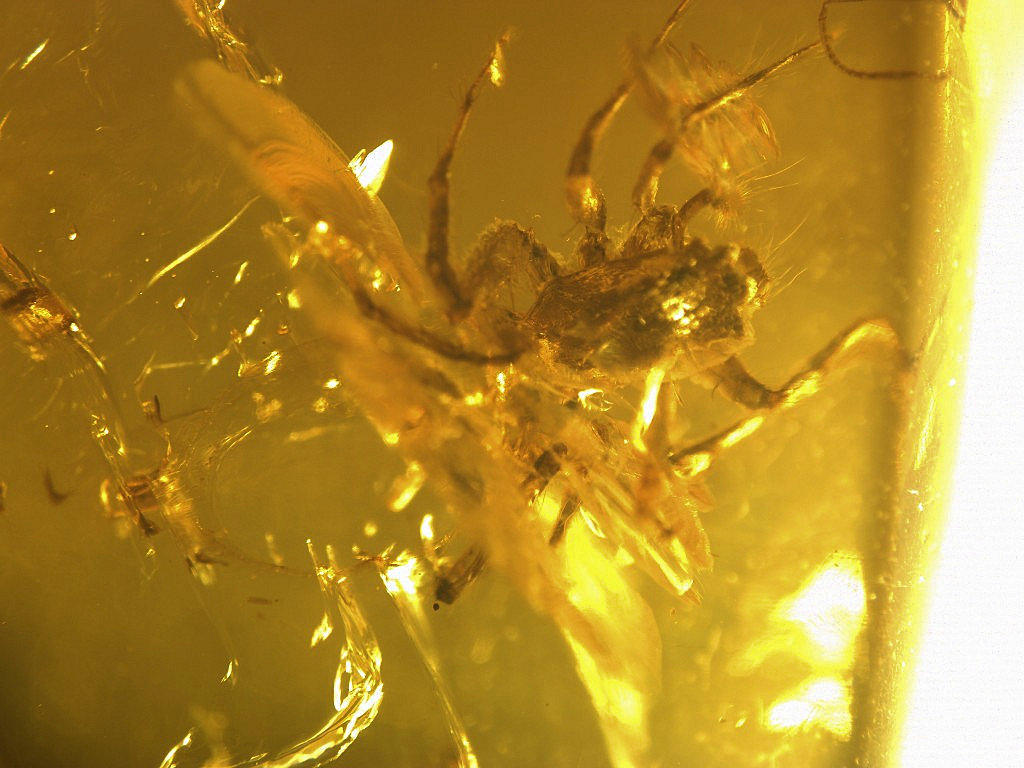
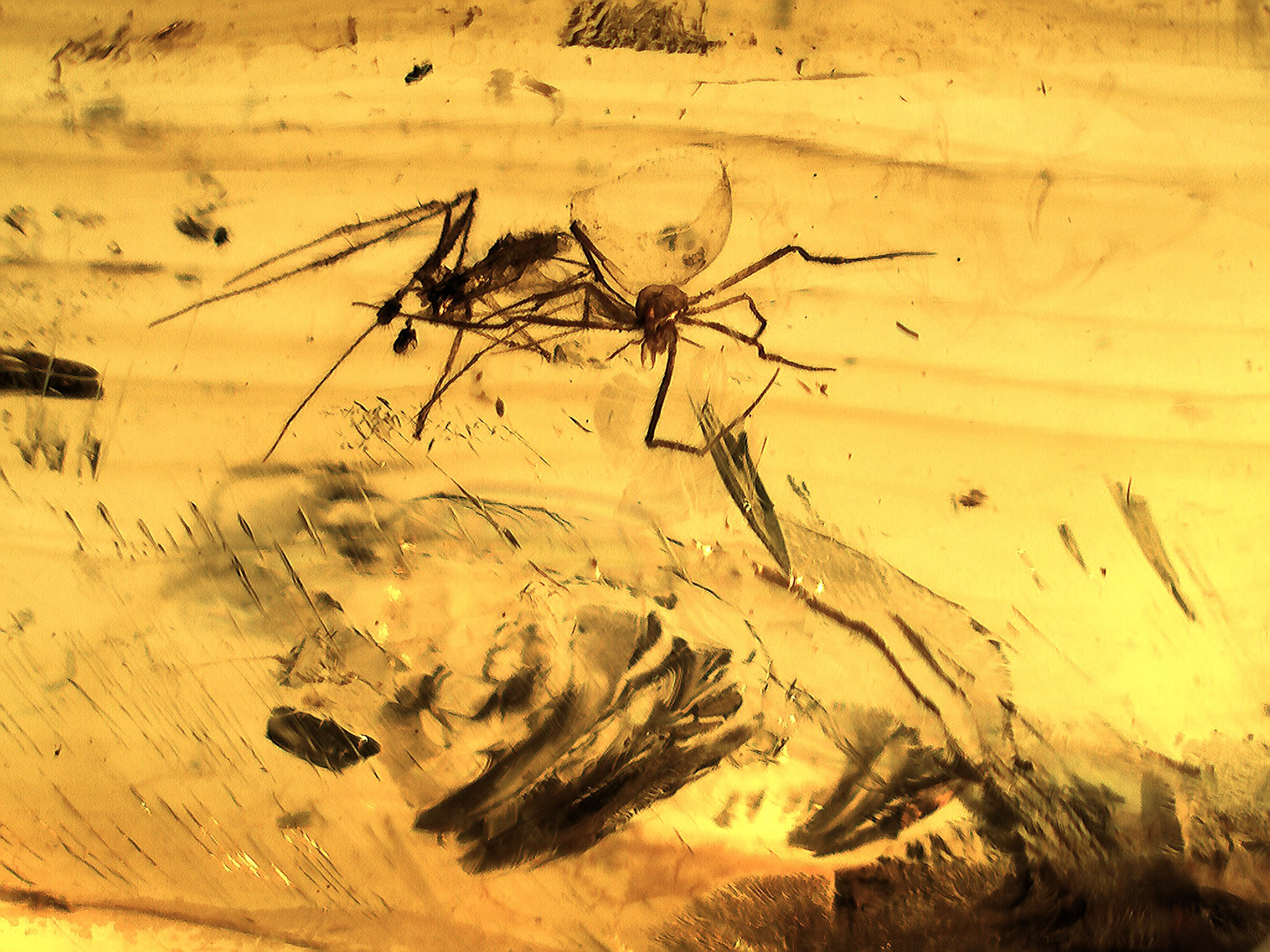
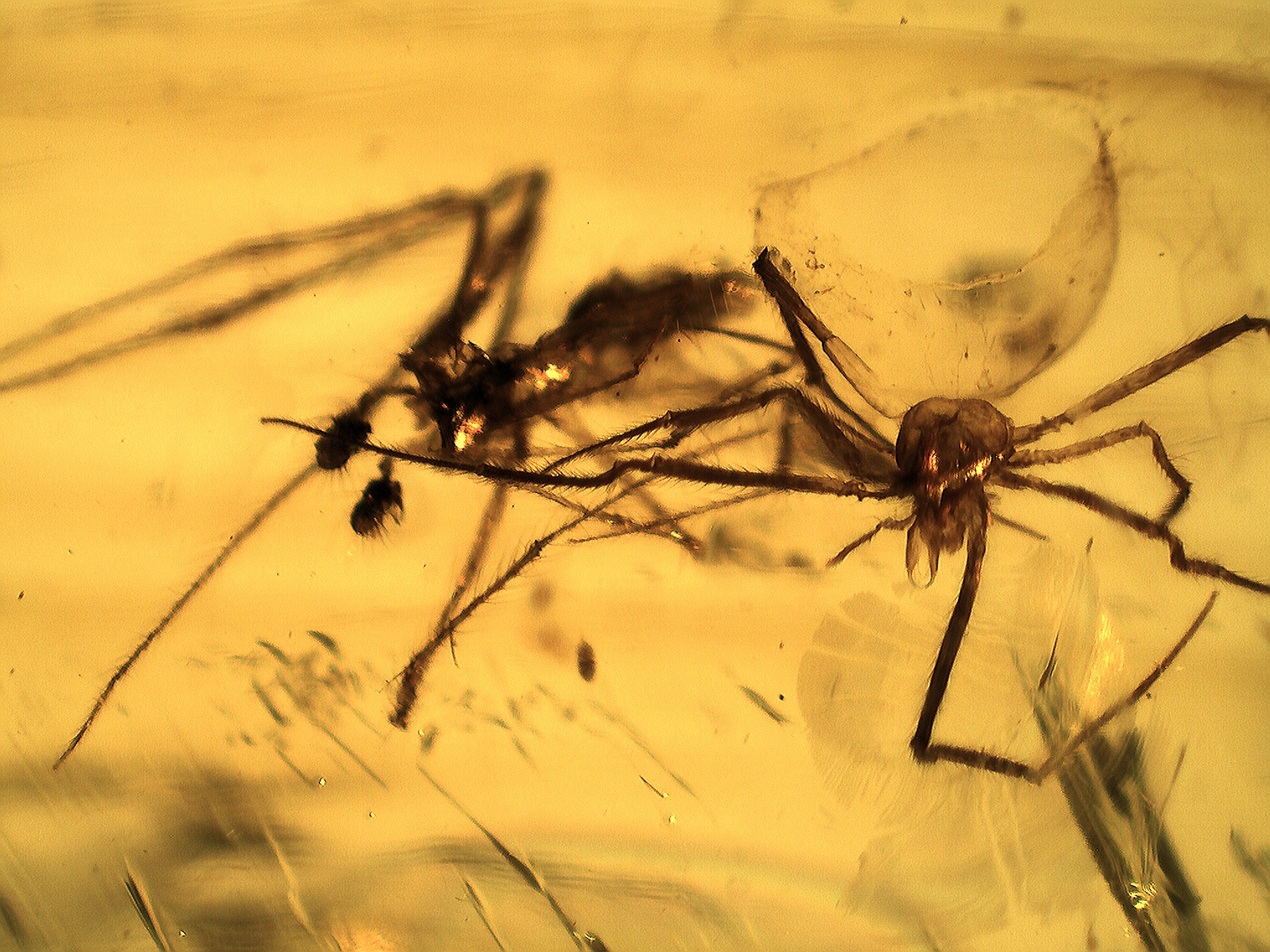
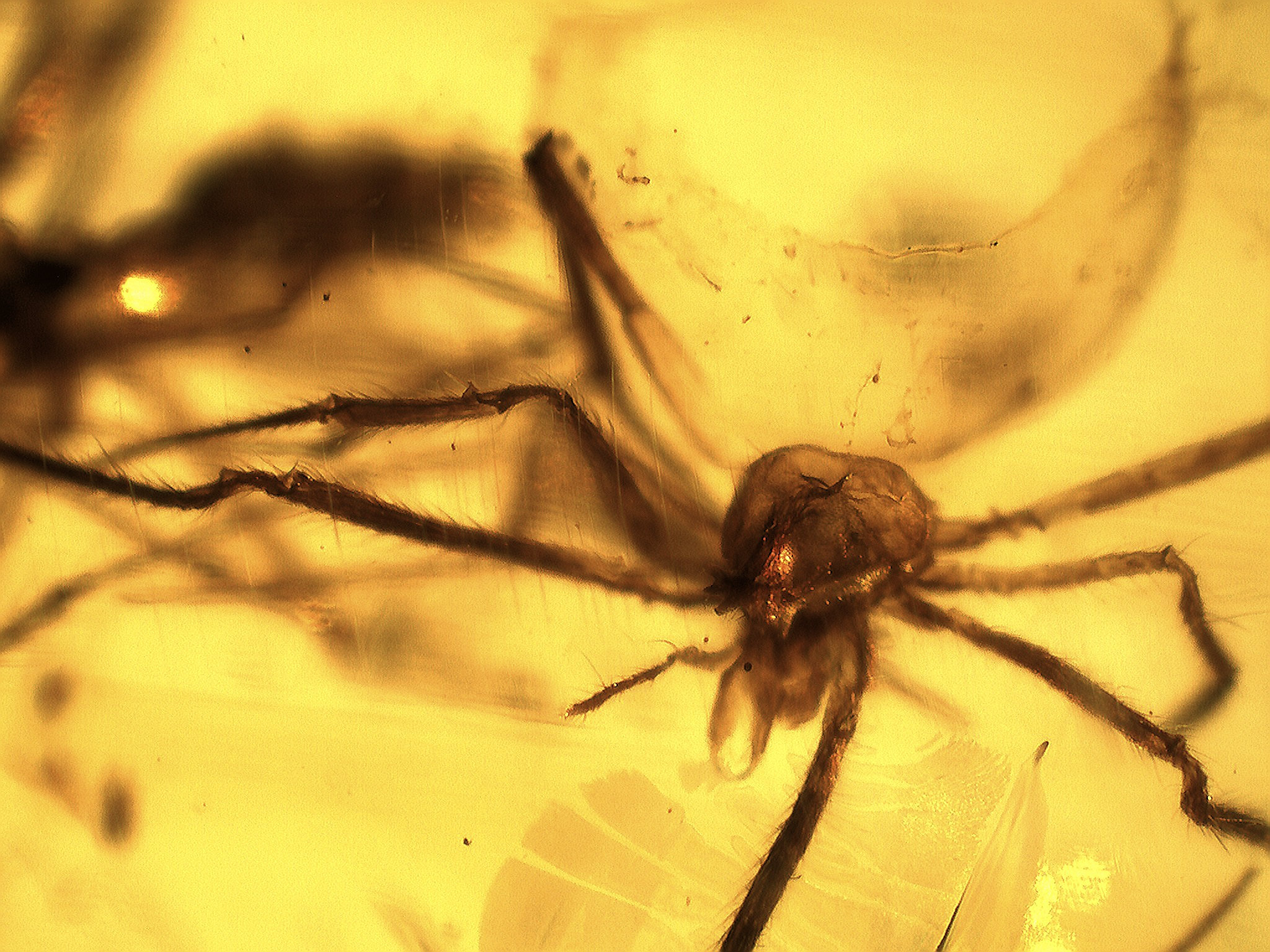
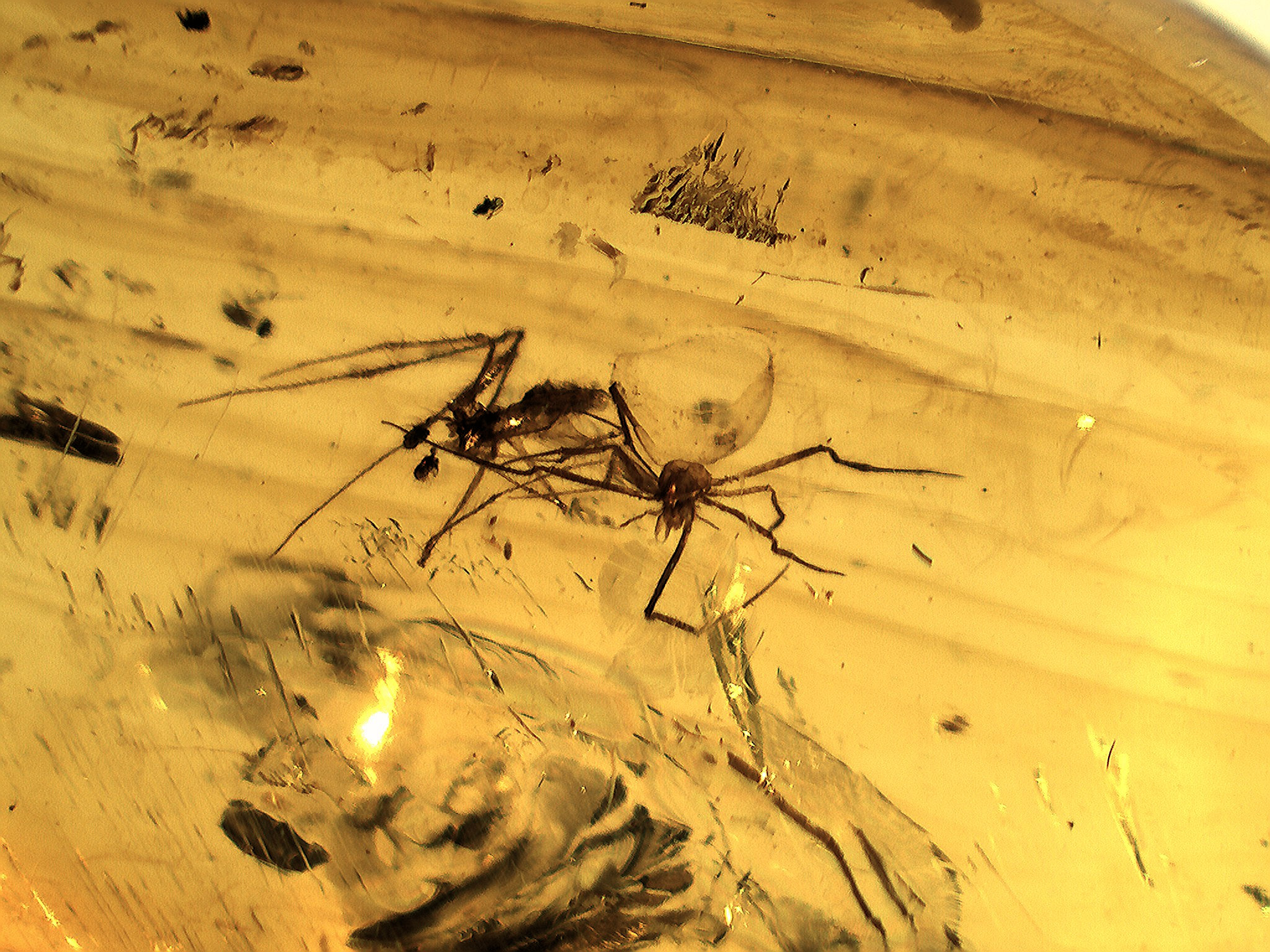
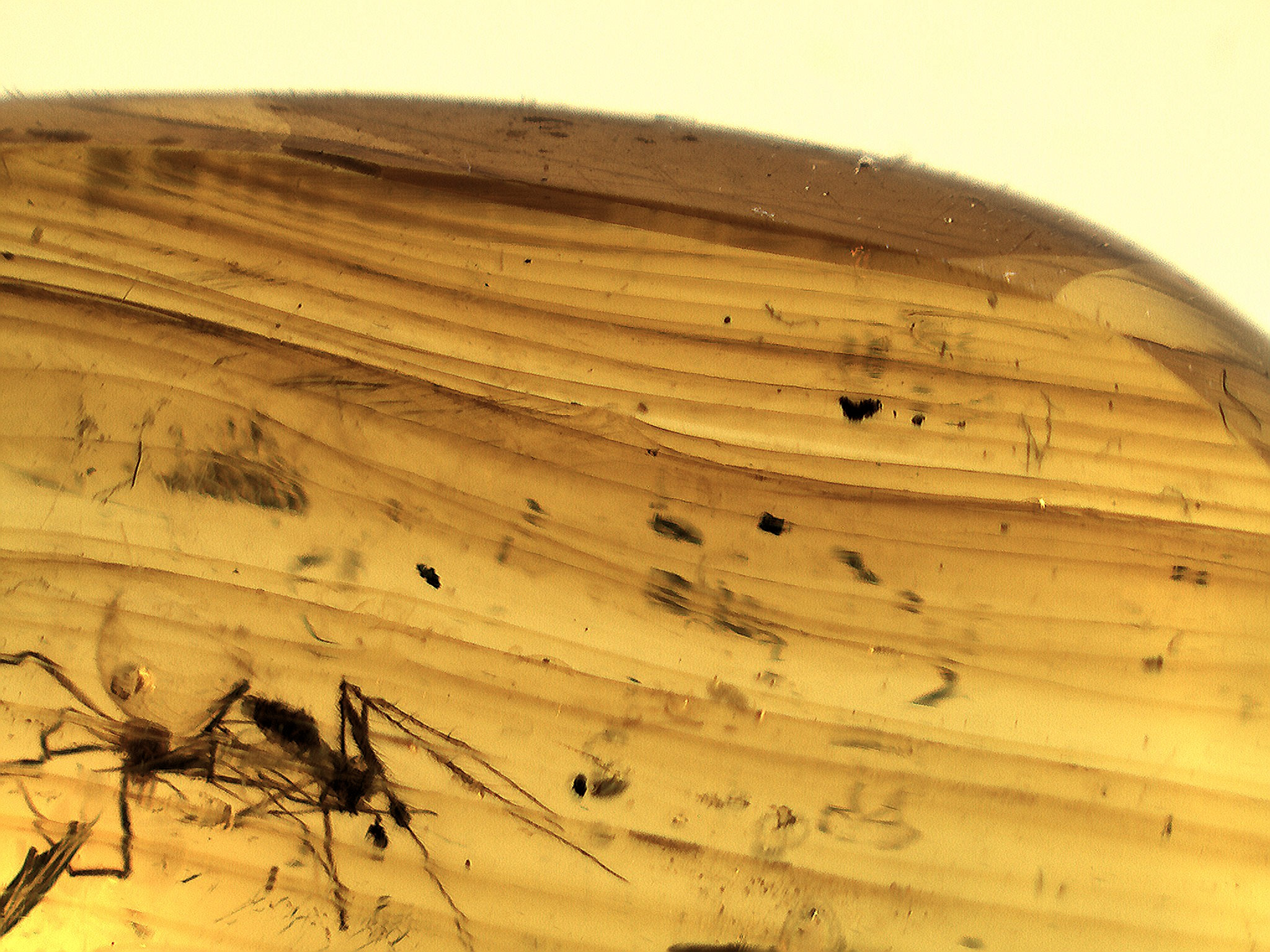
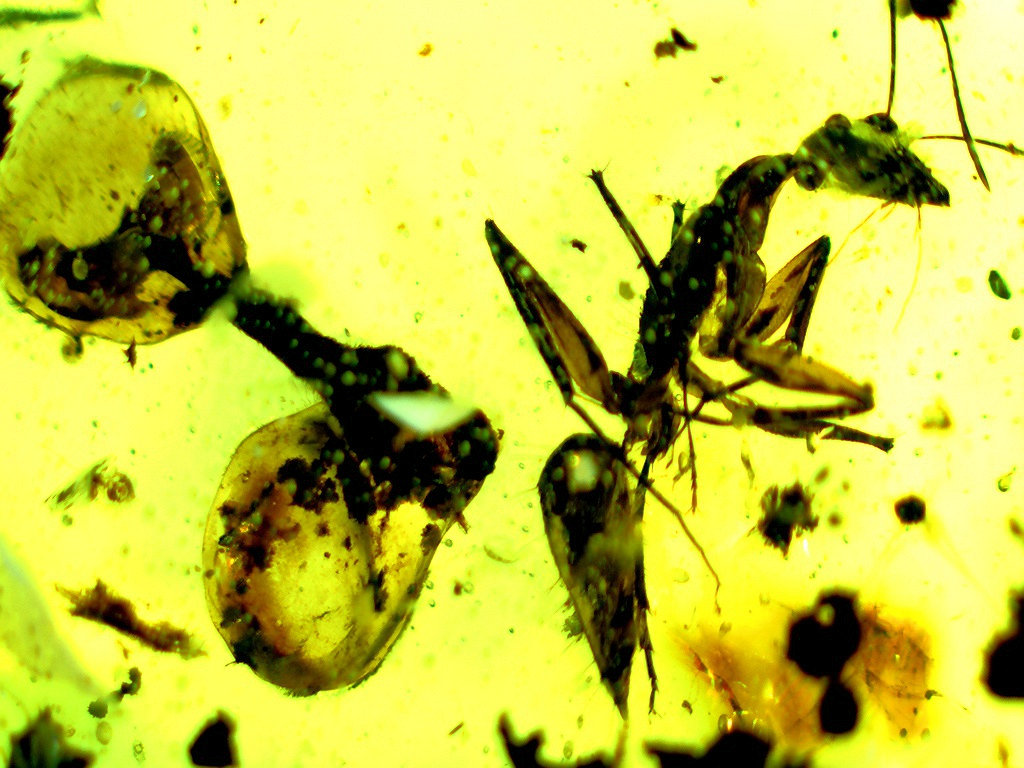
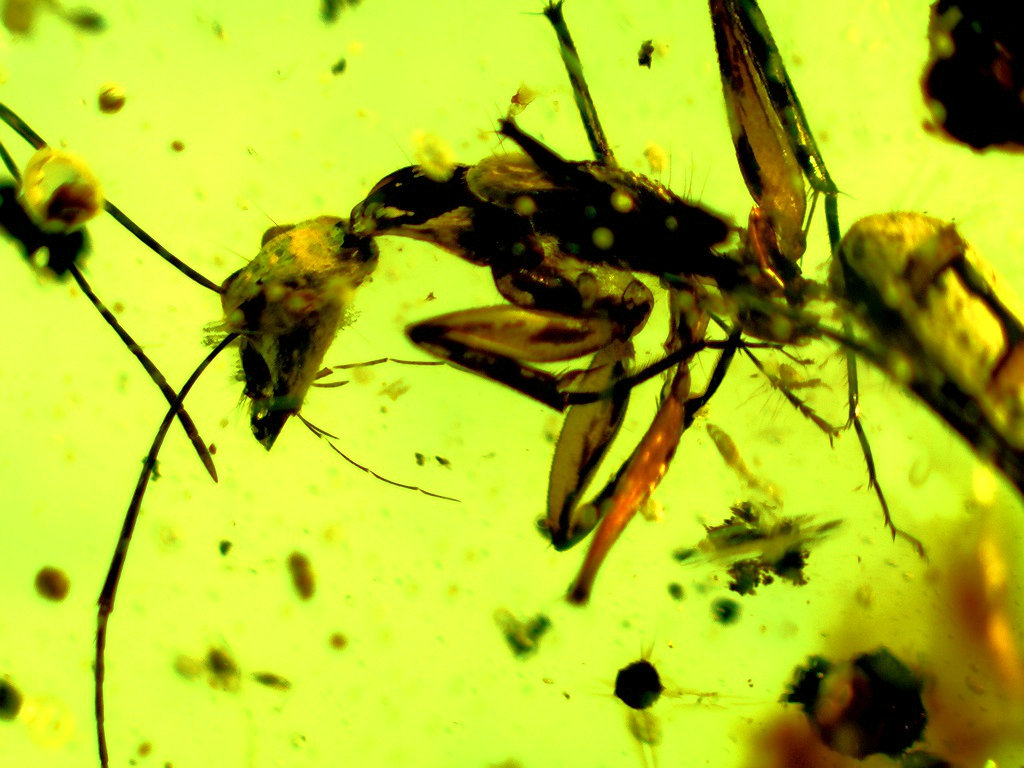
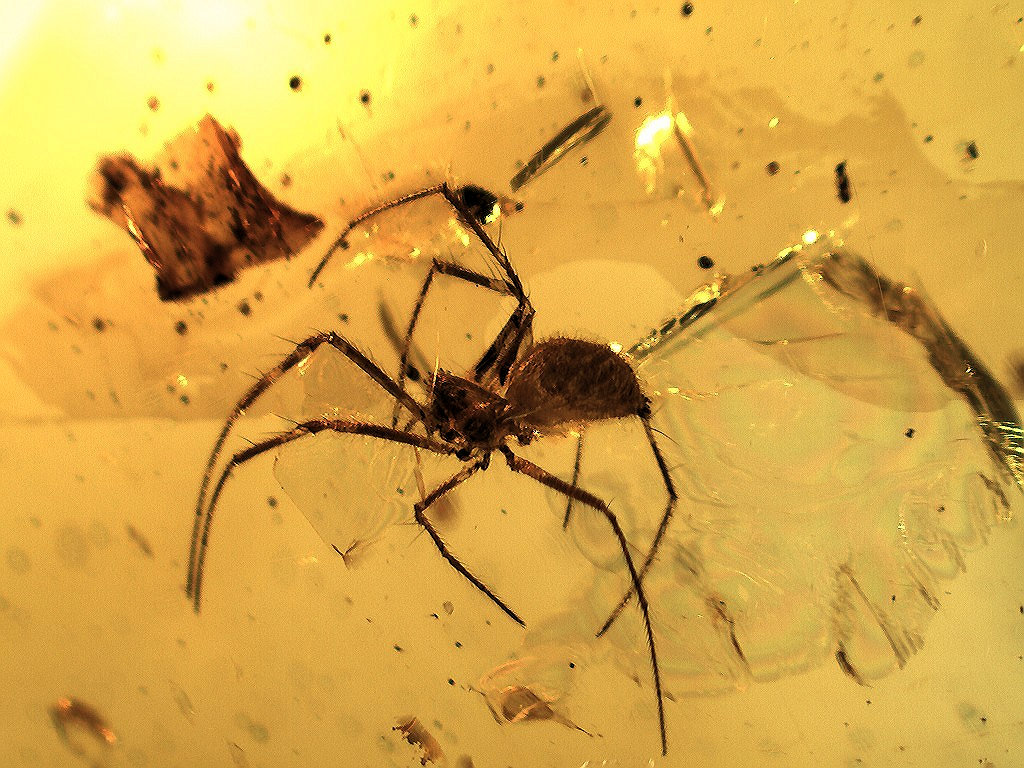
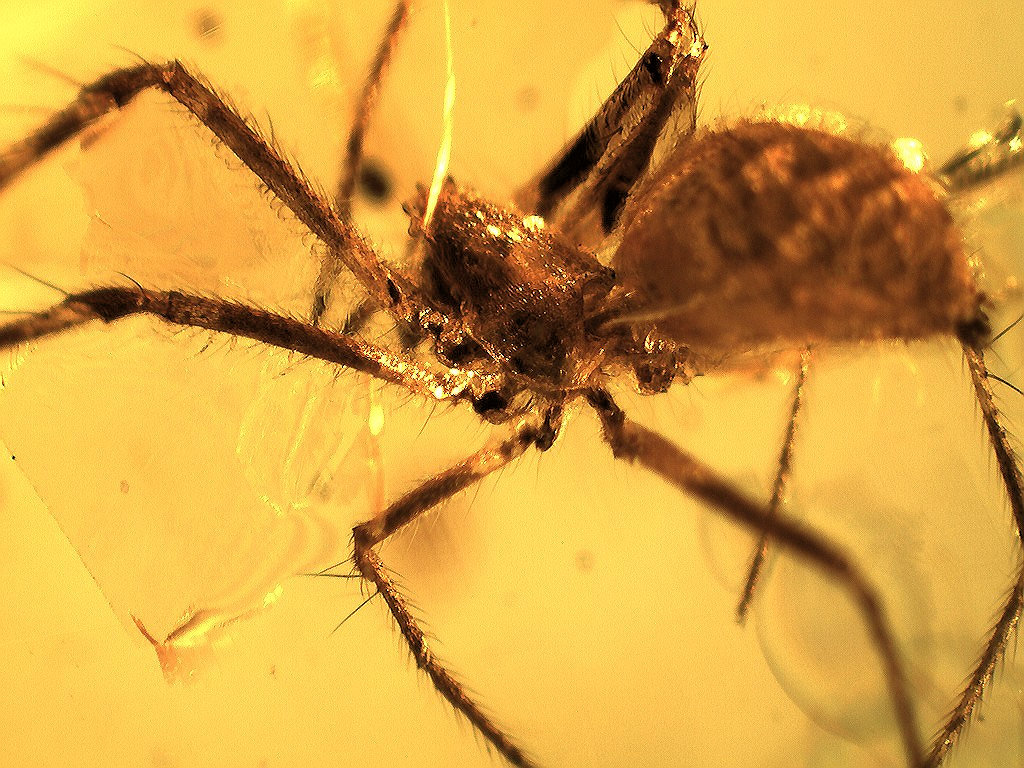
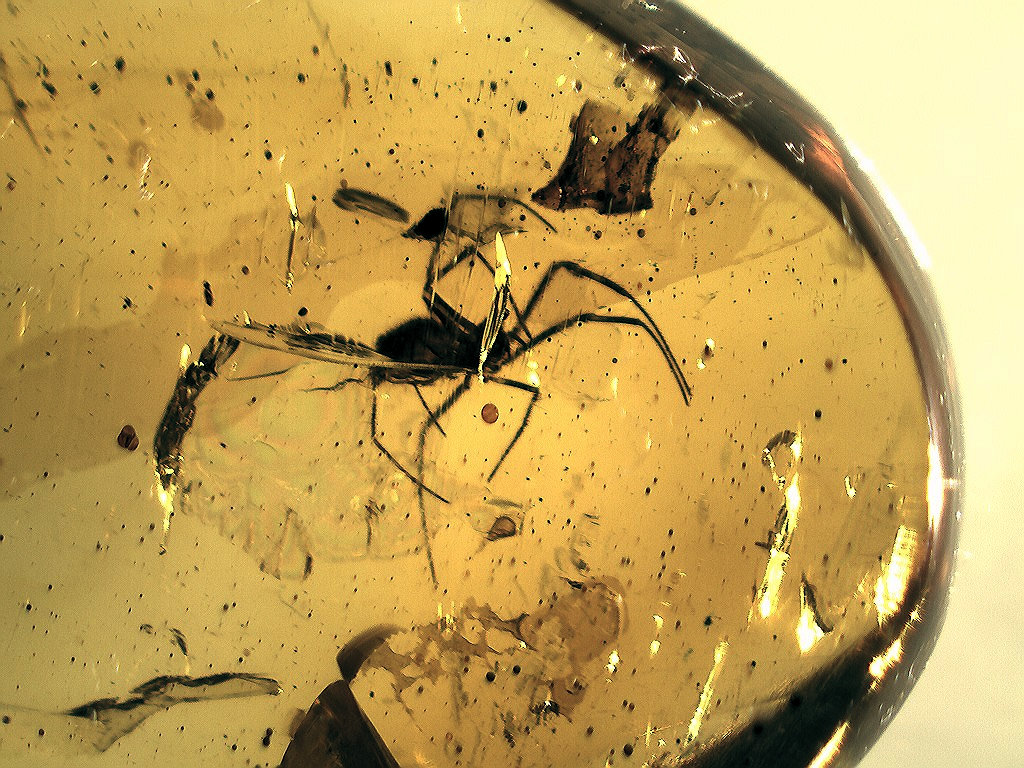
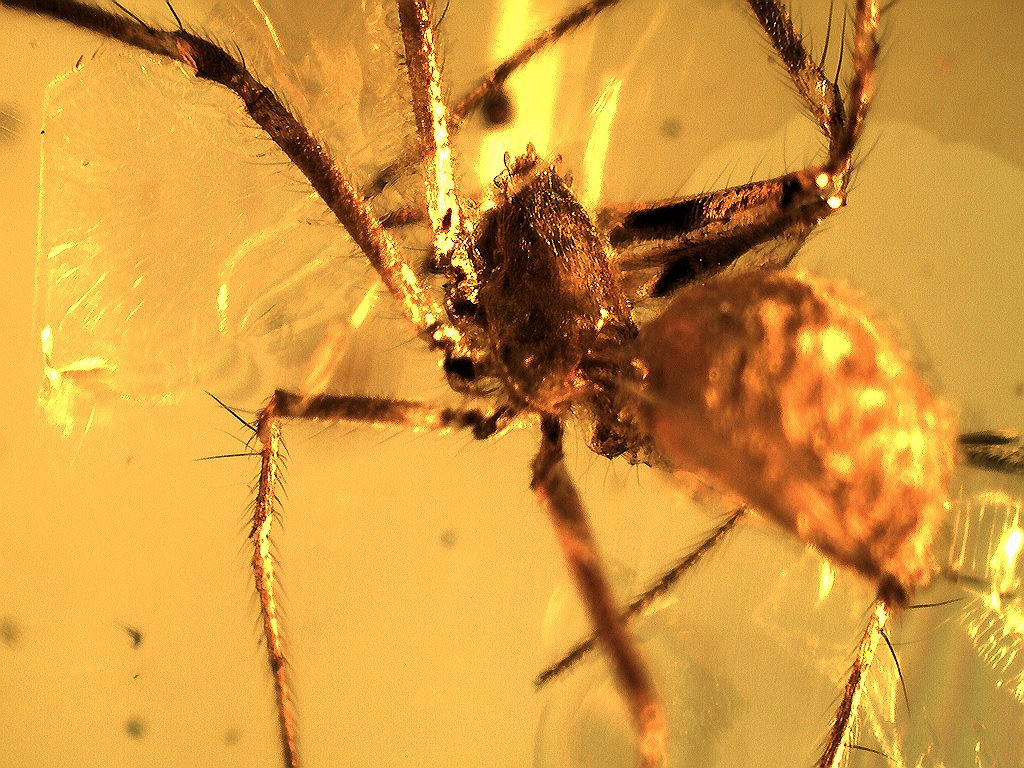
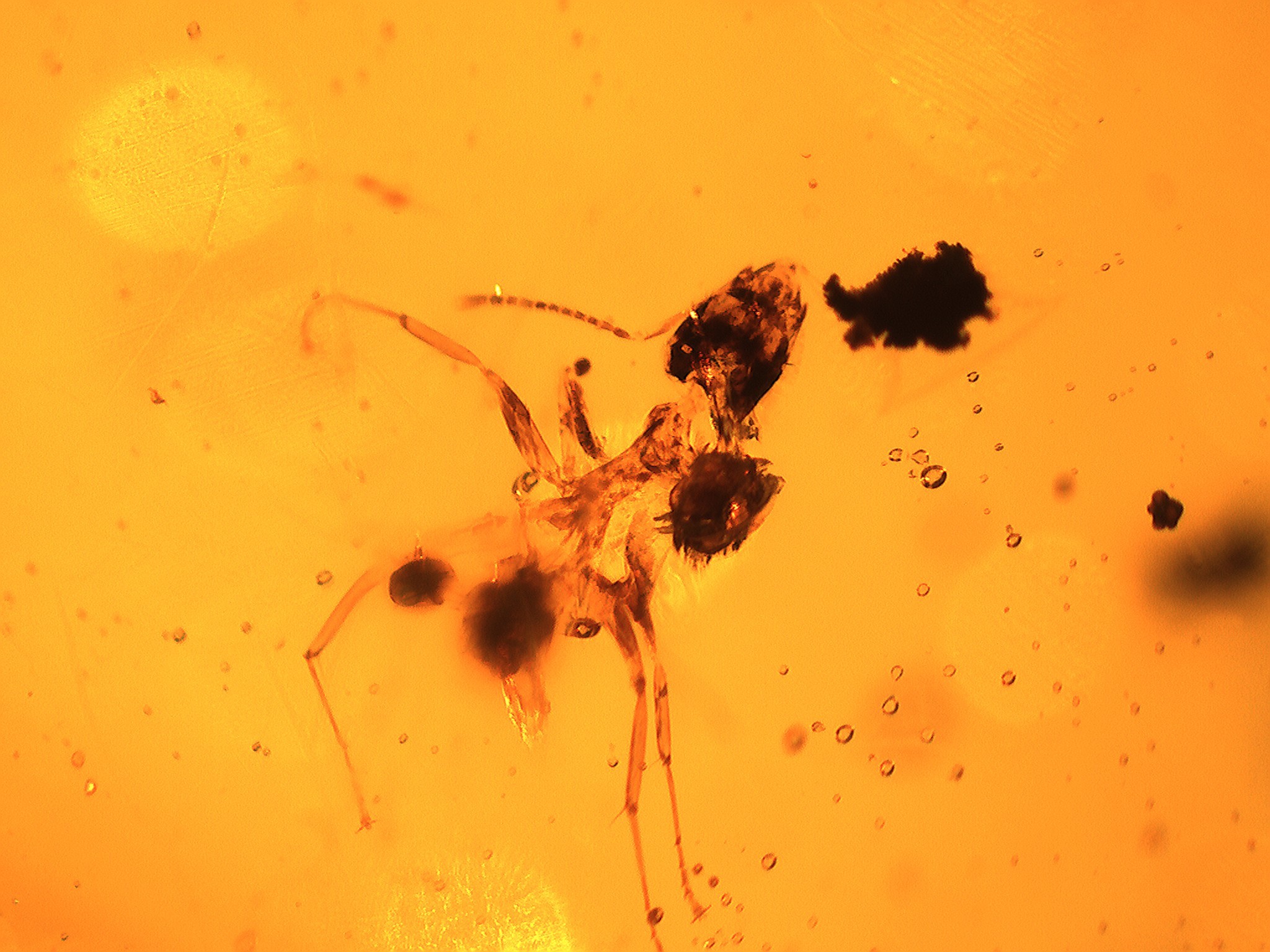
I admit it, I am not an expert in spiders. There are 2 spiders here - one is a male (the enlarged pedipalps) and the other with the enlarged abdomen. It looks like part of the abdomen has been cut away. But to me, this screams of a mated pair of spiders. Might not be, but it certainly looks like it. Not only is this a male and female spider, but the amber they are in is layered from many successive resin flows - a real cool effect.
Item 20
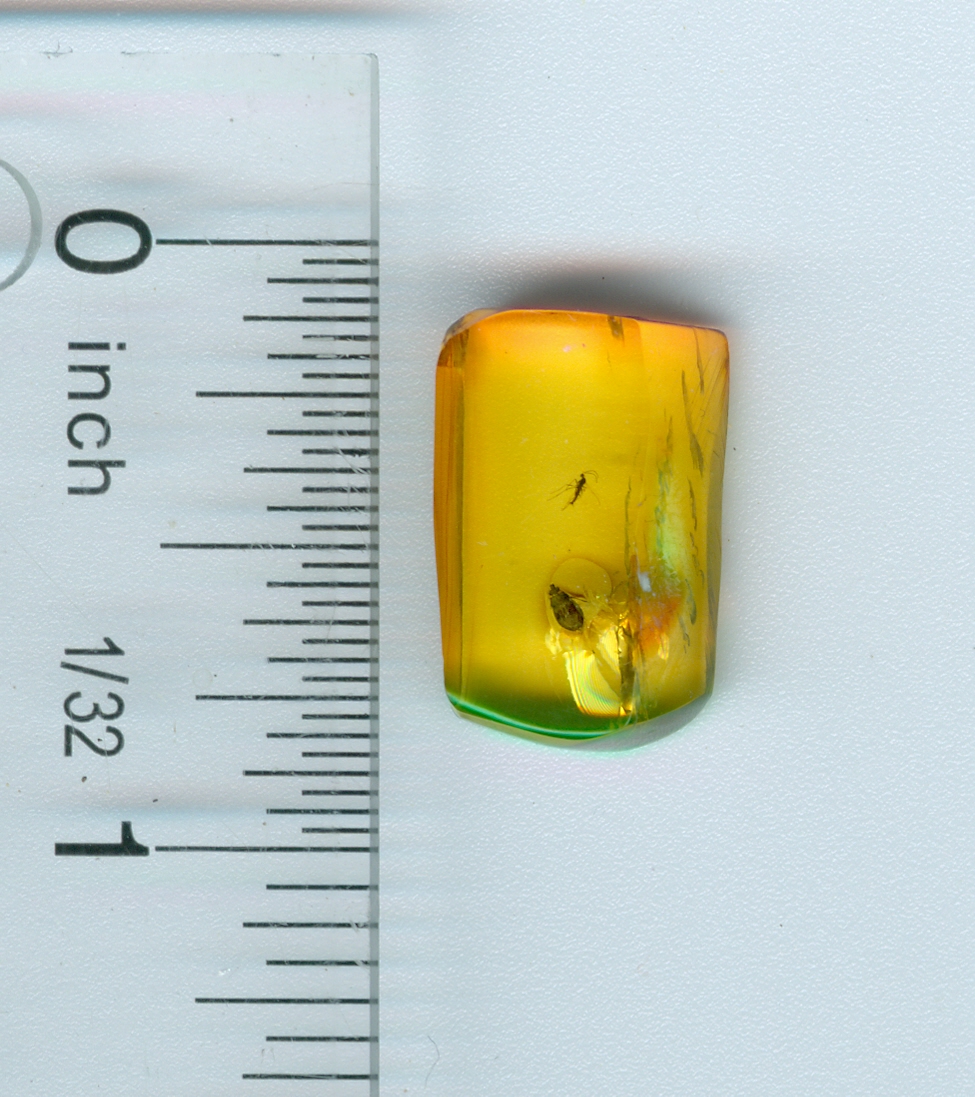
This is a rare specimen. Possibly not for everyone, but for a true bug specialist. This is a flat bug, Calisiopsis azteca. Possibly only the second ever found in Mexican amber. In the family Aradidae, order Heteroptera, this is has an interesting story. First, see the pdf from the initial discovery, published in 2016. As I read the article, I noticed that the Dominican counterpart is Calisiopsis brodzinskyorum. Here is the back story. Back in the 1990's Jake Brodzinsky and I ran "Amberica West" as a company. Jake died in 2004 and I took over the company as sol proprietor. The Dominican counterpart of this flat bug was named after Jake! Imagine my thoughts when I saw that. Jake was an impressive, intelligent and honest man.
Item 21
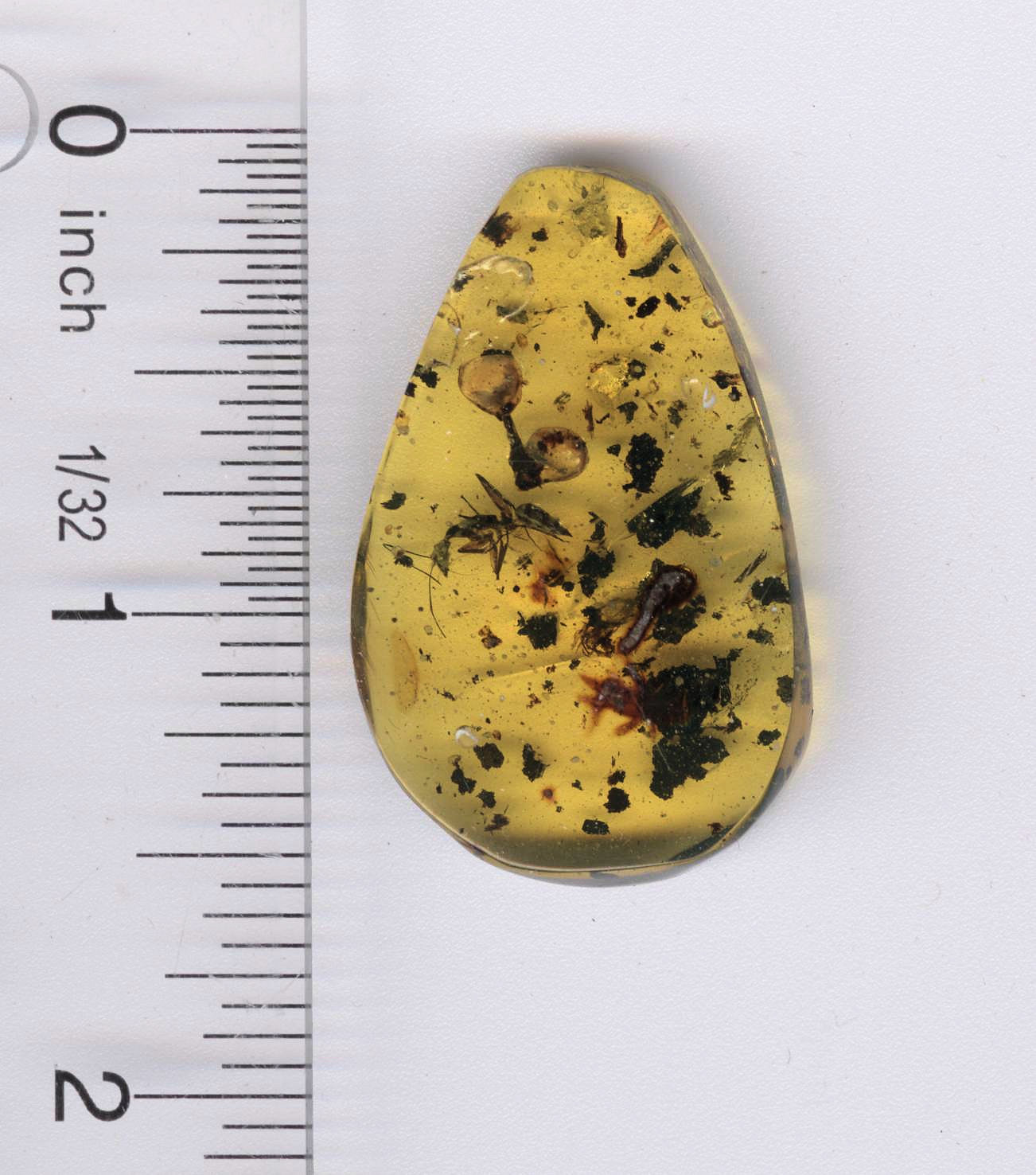
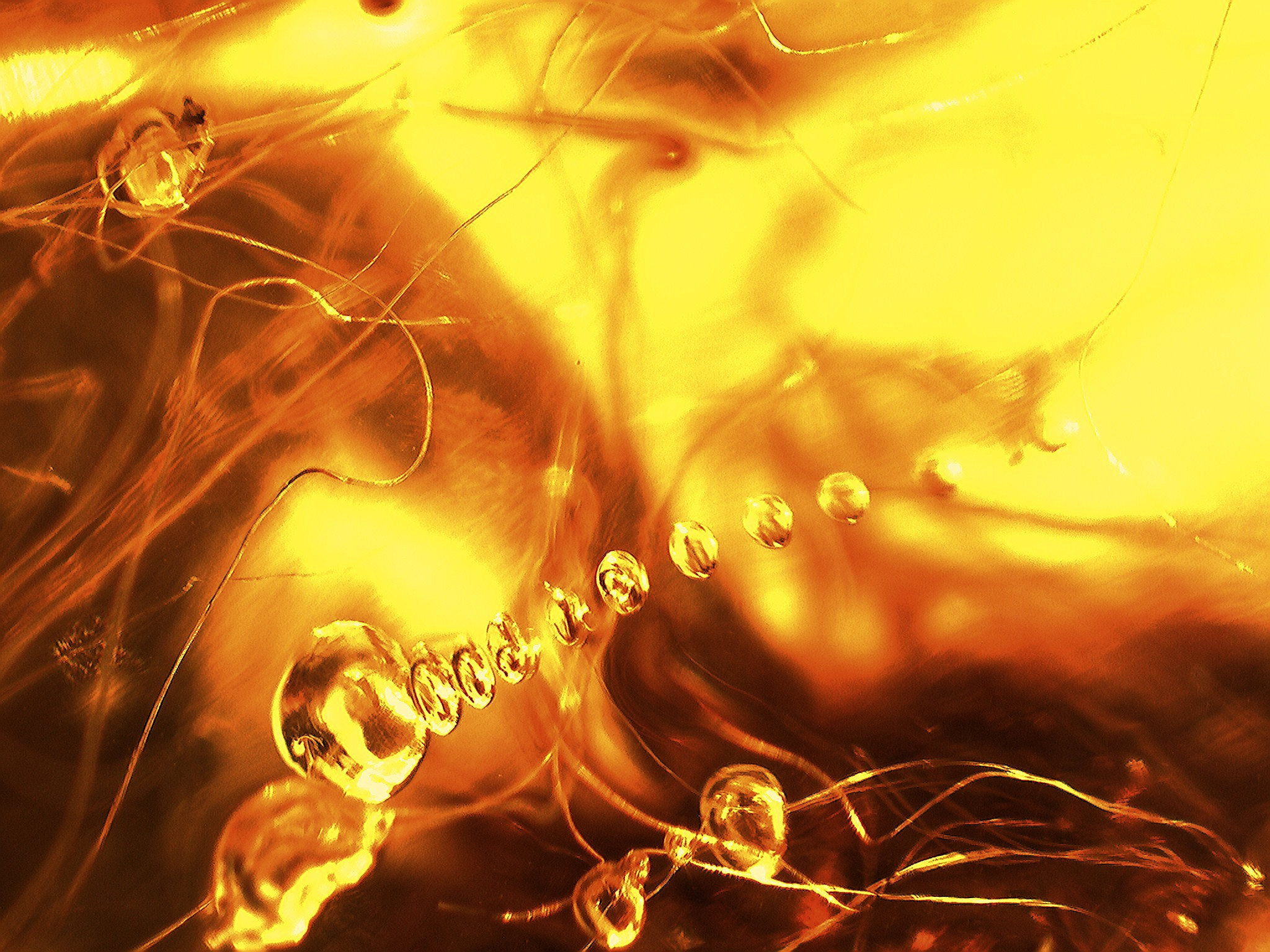
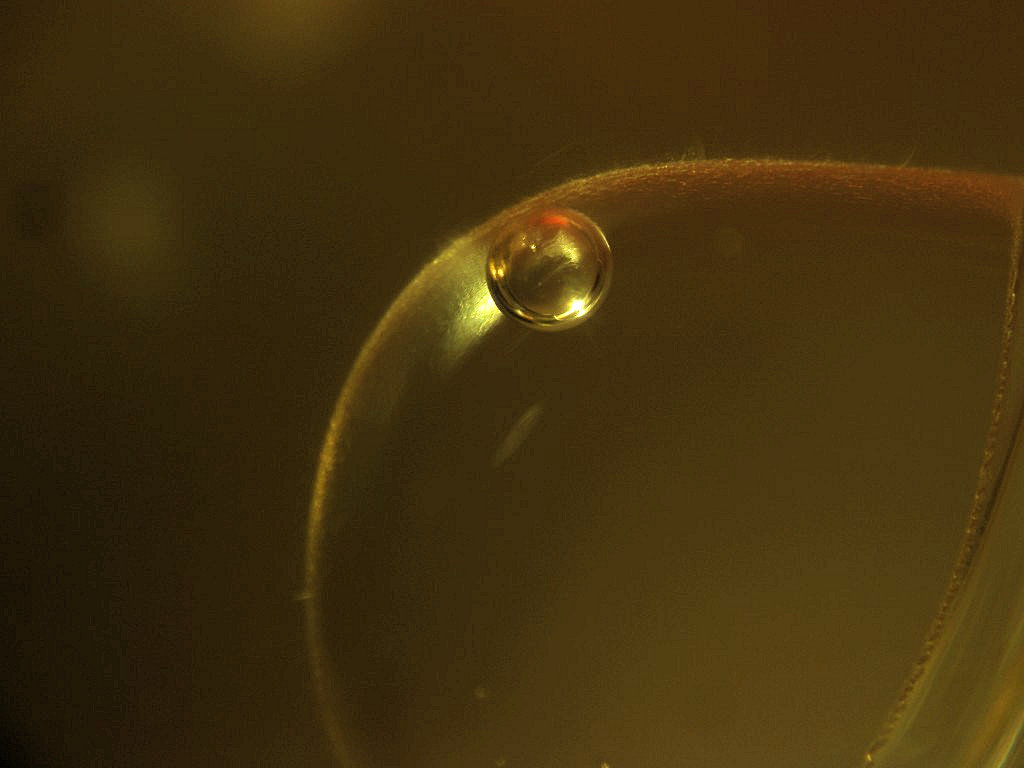
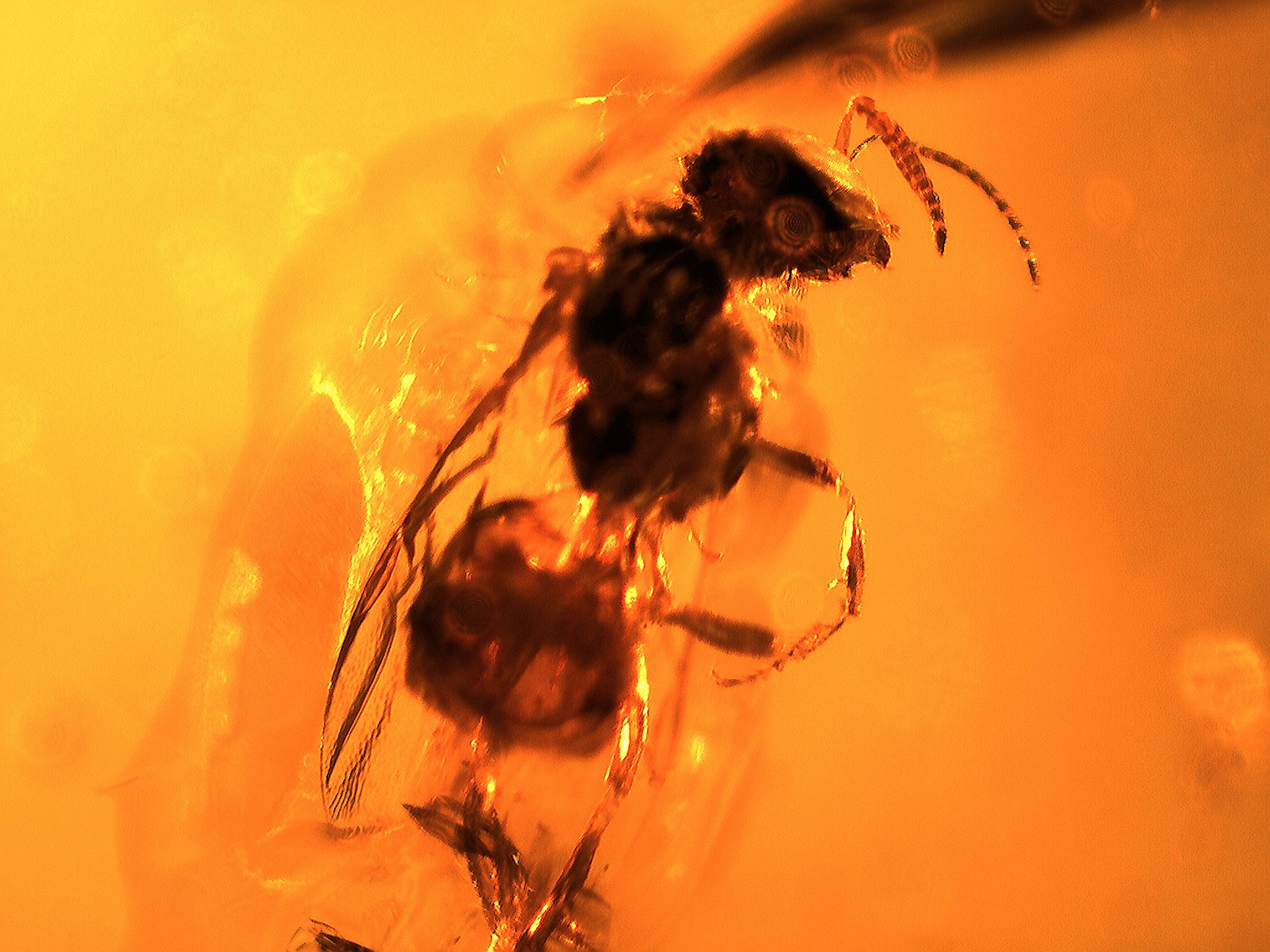
Just a great piece, clear with an easily identified animal. There is a female worker ant (sterile), Hymenoptera, Formicidae. This gal has great definition - marking are easily seen and she is just a "looker". This is a good piece with a strange double 'bubble'(?)
SOLD
Item 22
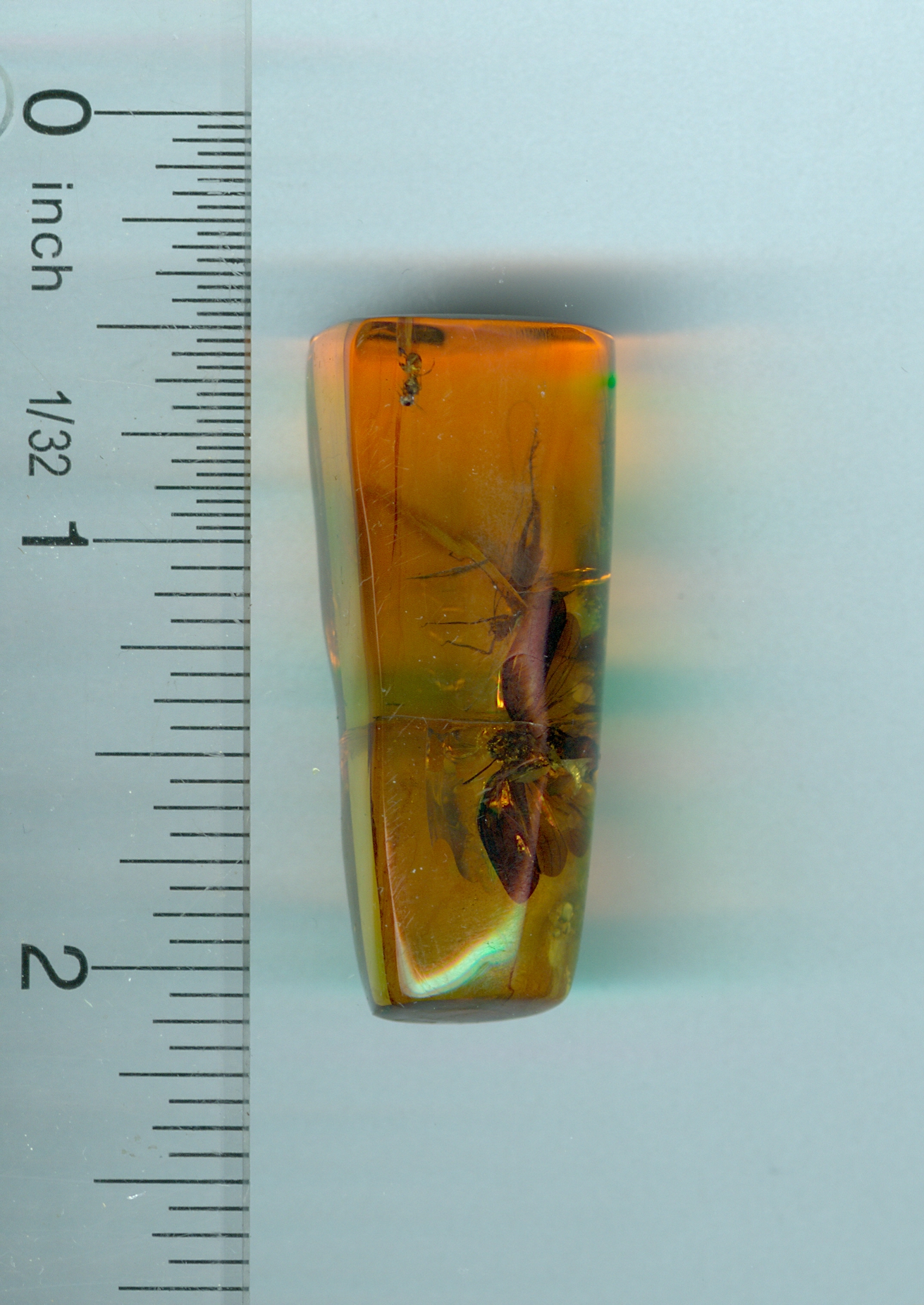
This is a 12 mm hand polished Chiapas amber sphere. Inside is a single female worker ant, Hymenoptera, Formicidae.
Item 23
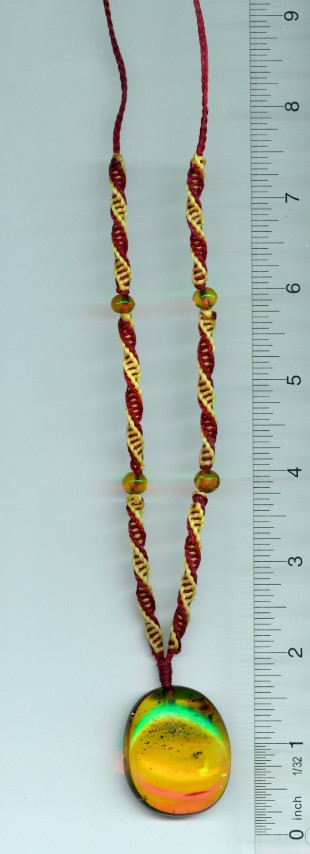
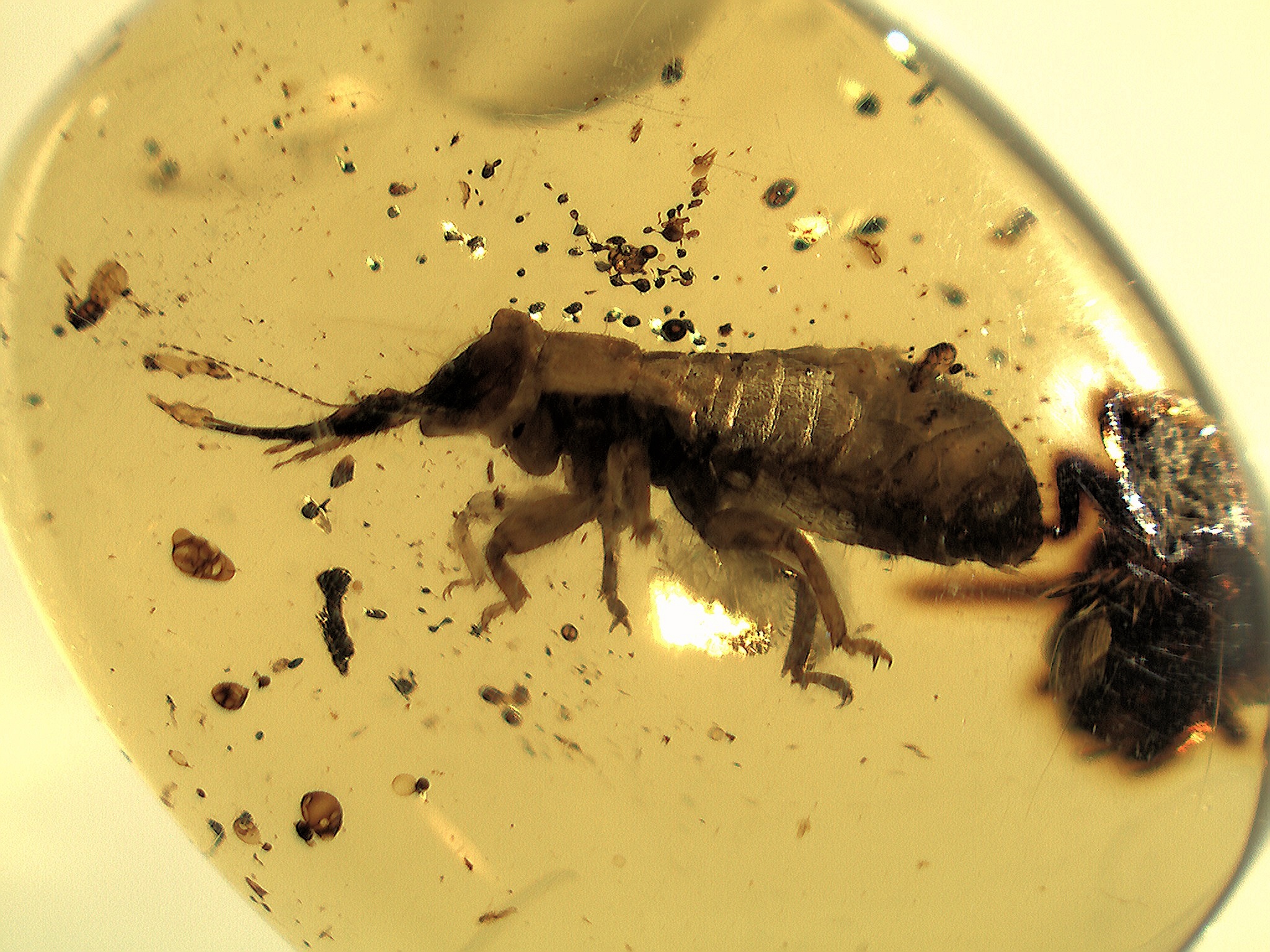
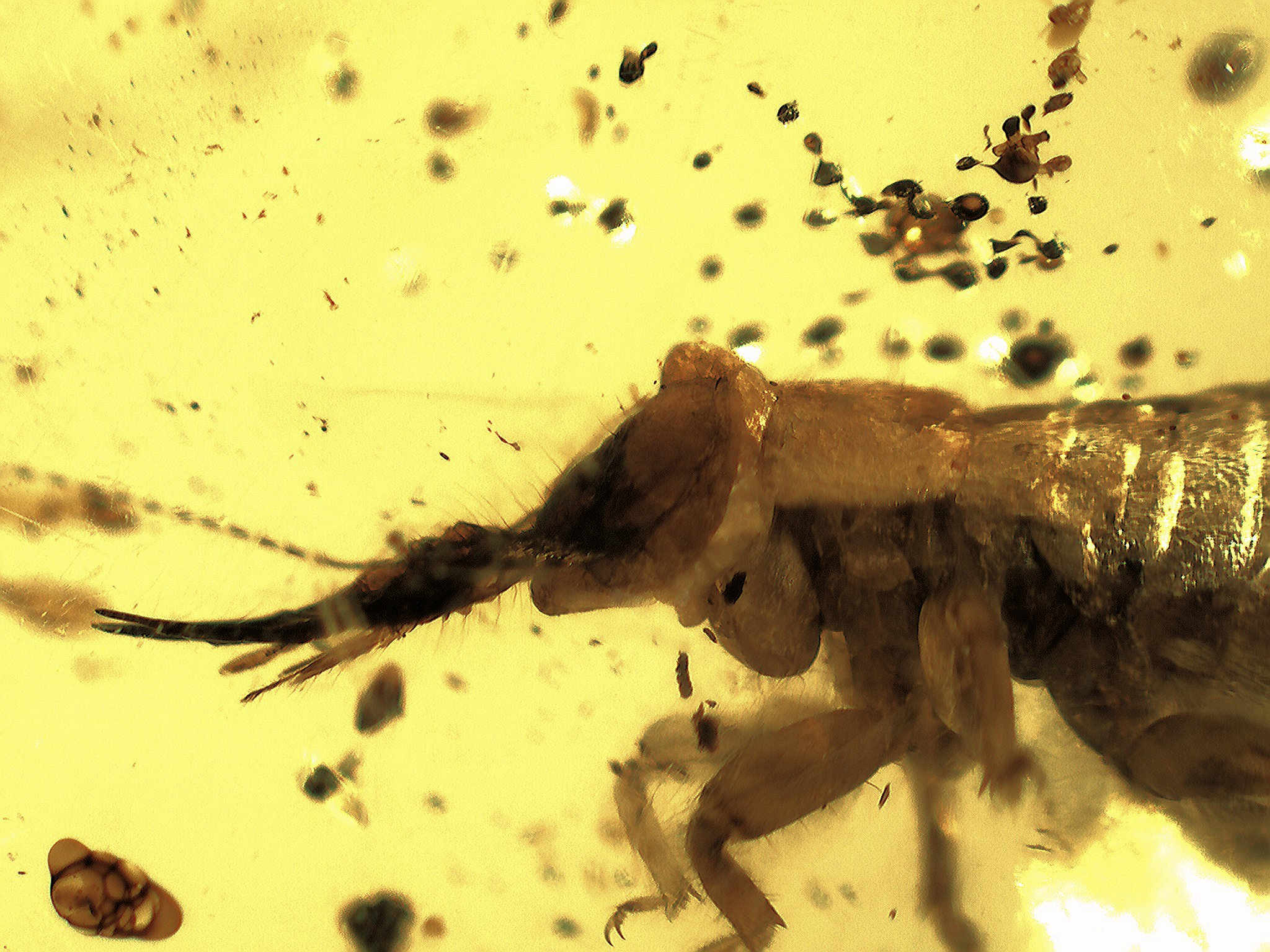
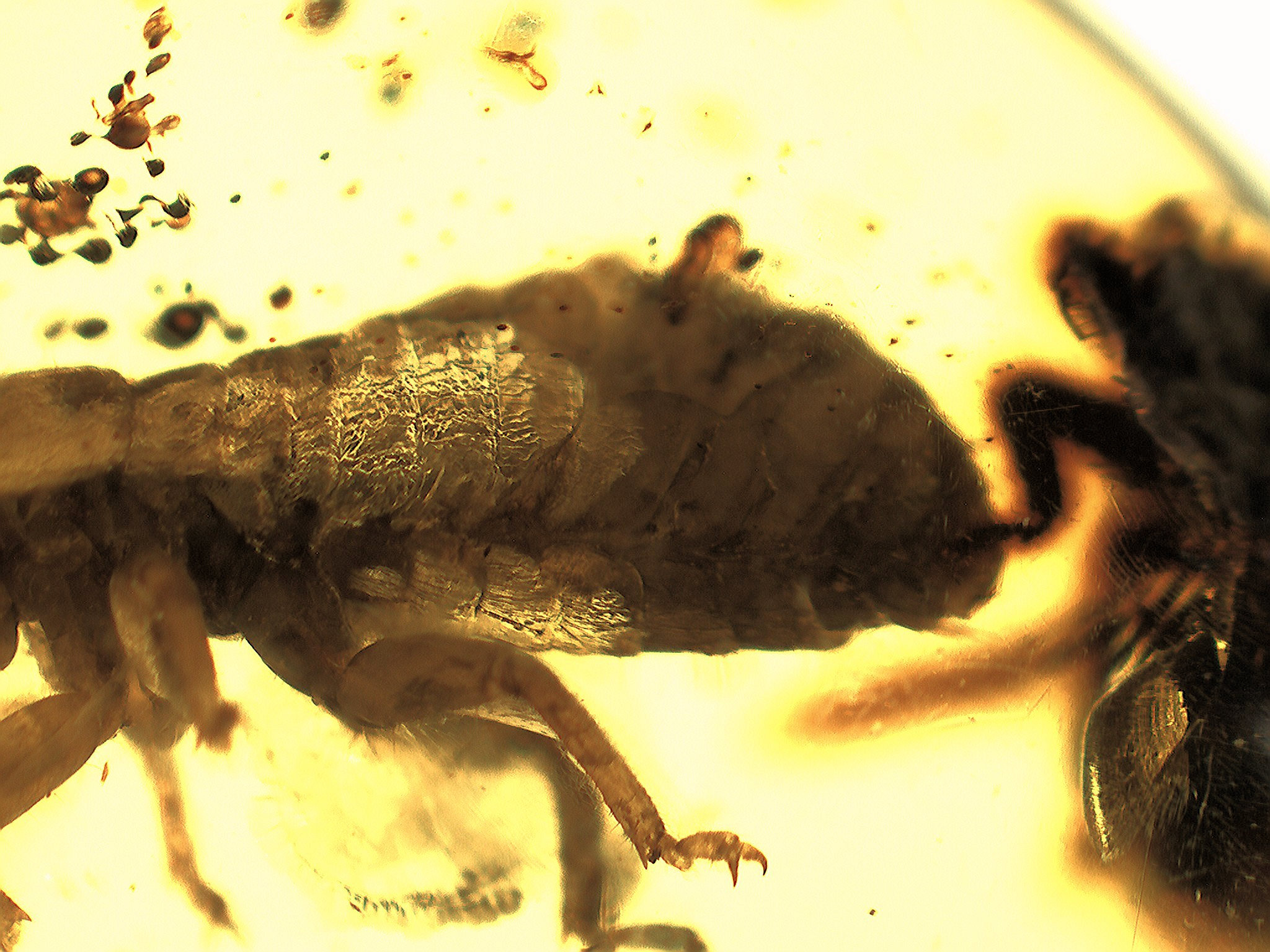
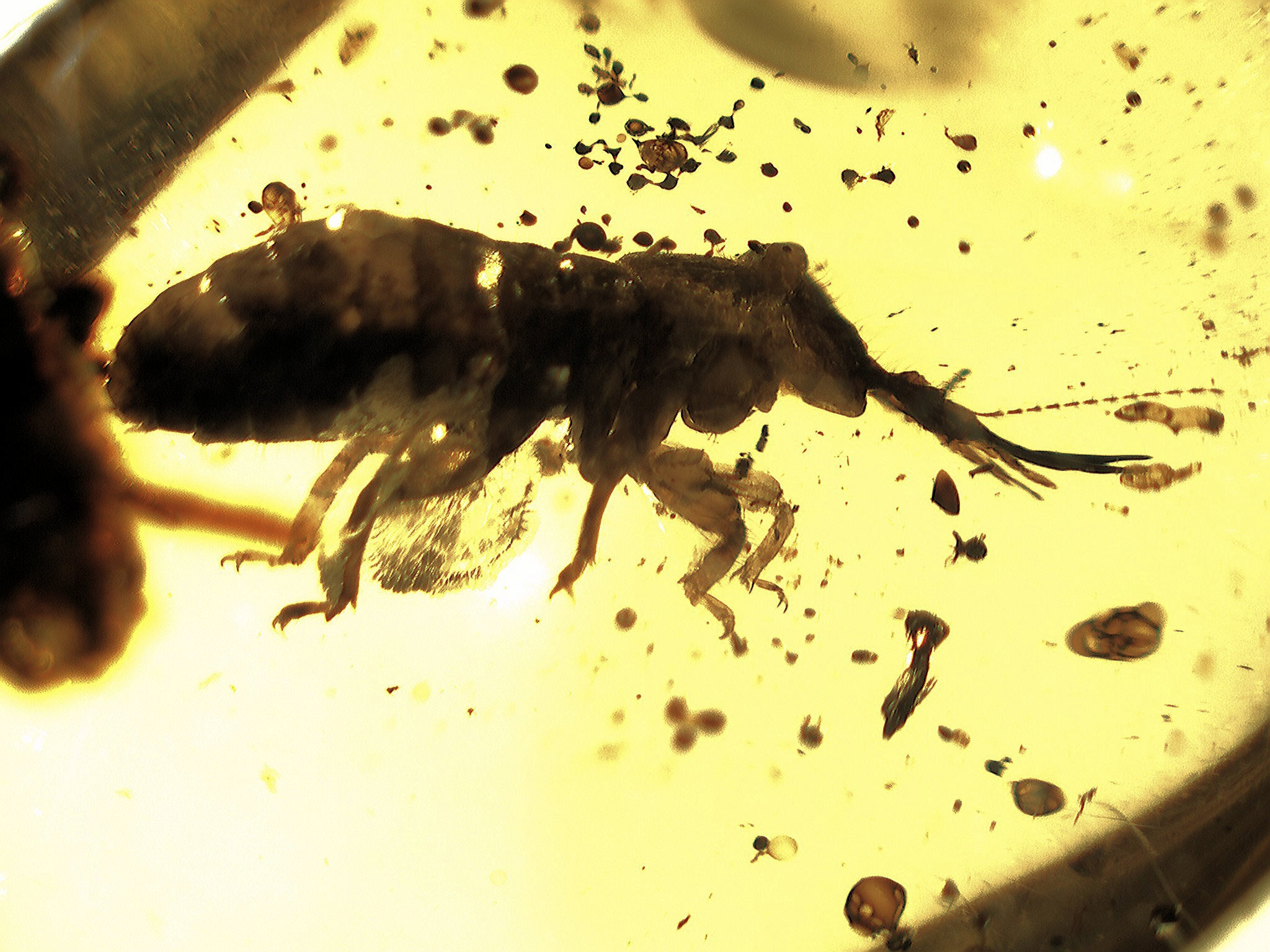
This piece of amber shows something you just do not see very often: the wings on an earwig are displayed. Order, Dermaptera......earwigs are rare in amber, let along those with wings open. Thus it is very rare to see the complicated wing venation in amber.
Item 24

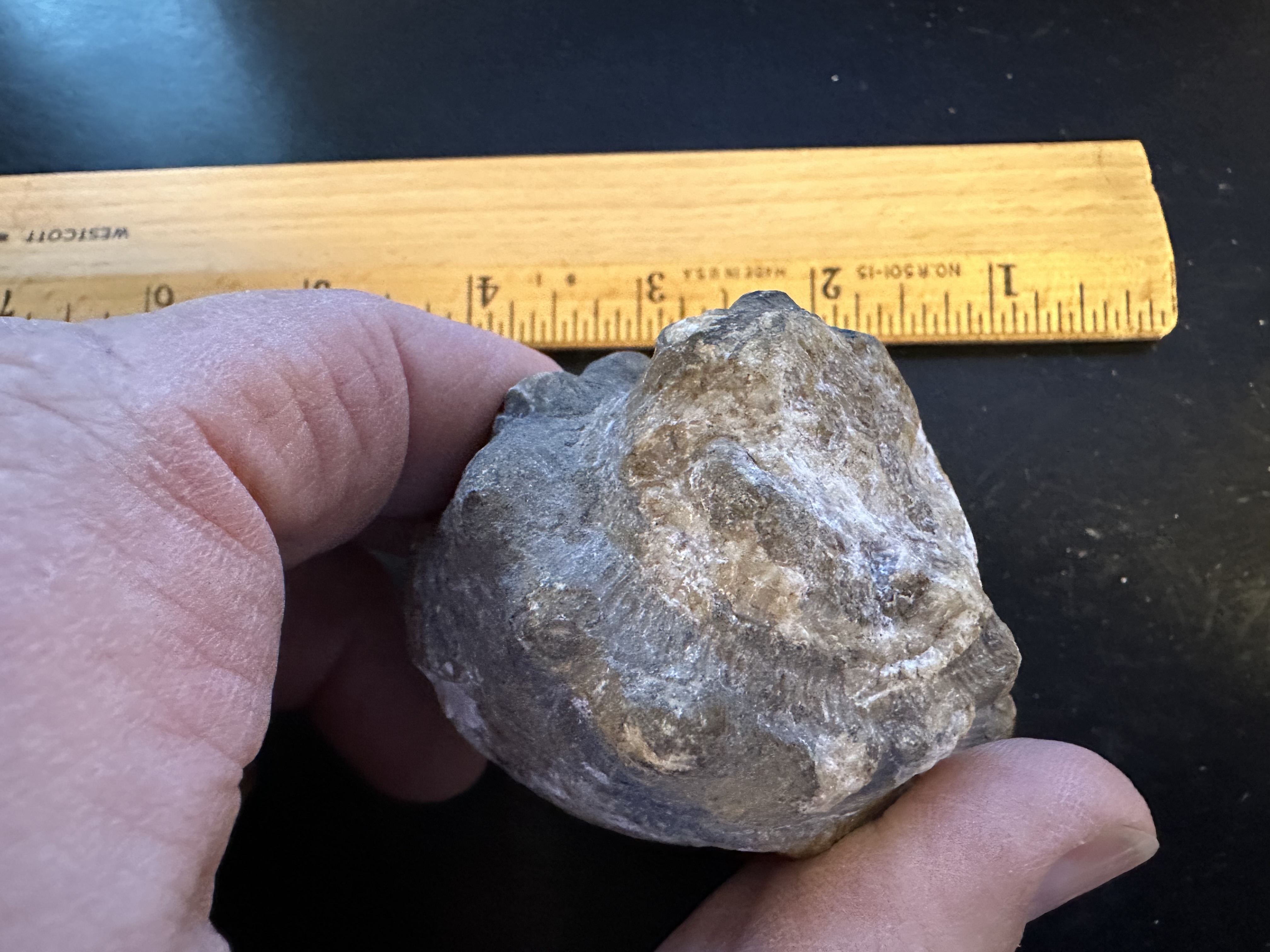
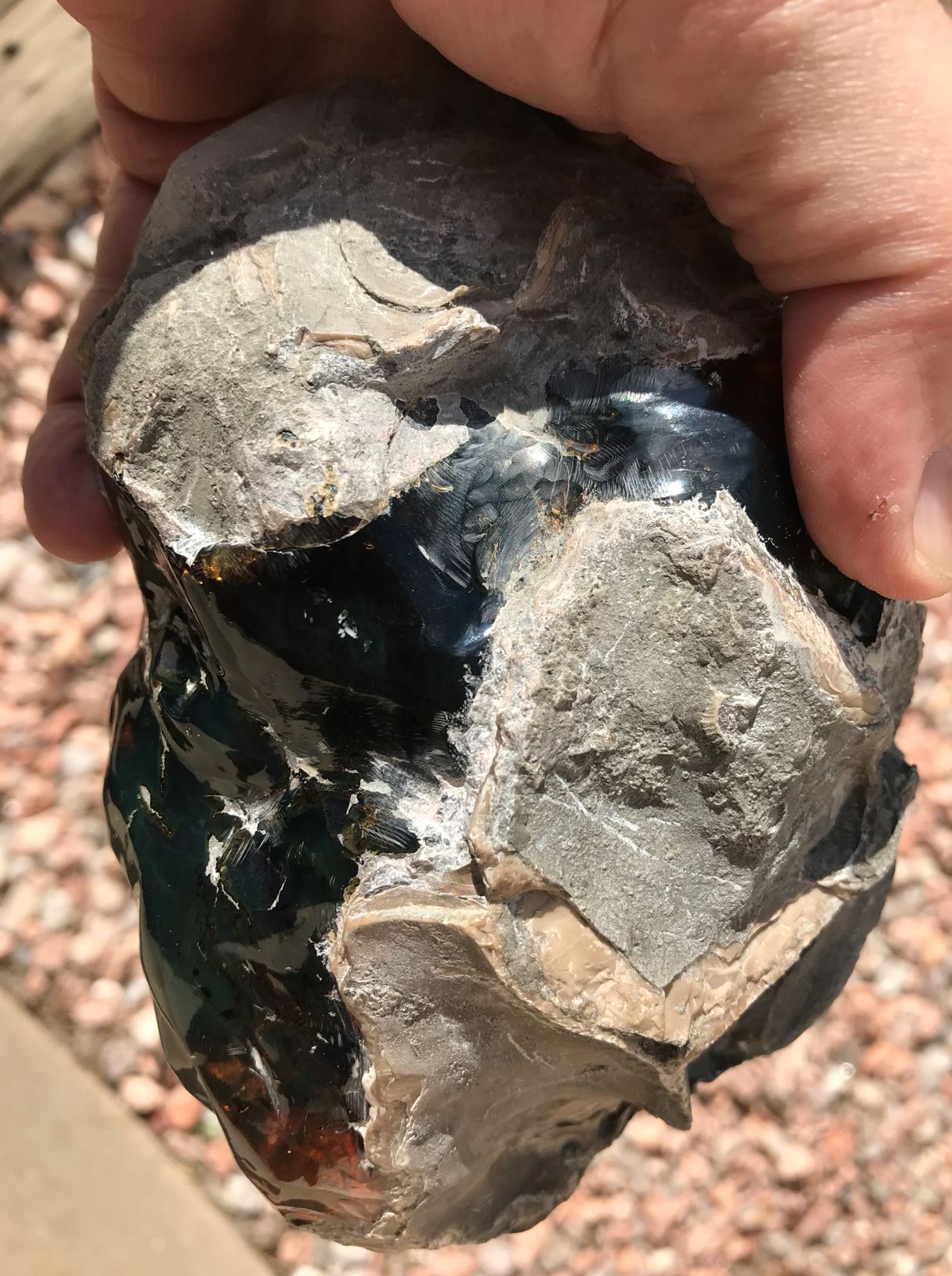
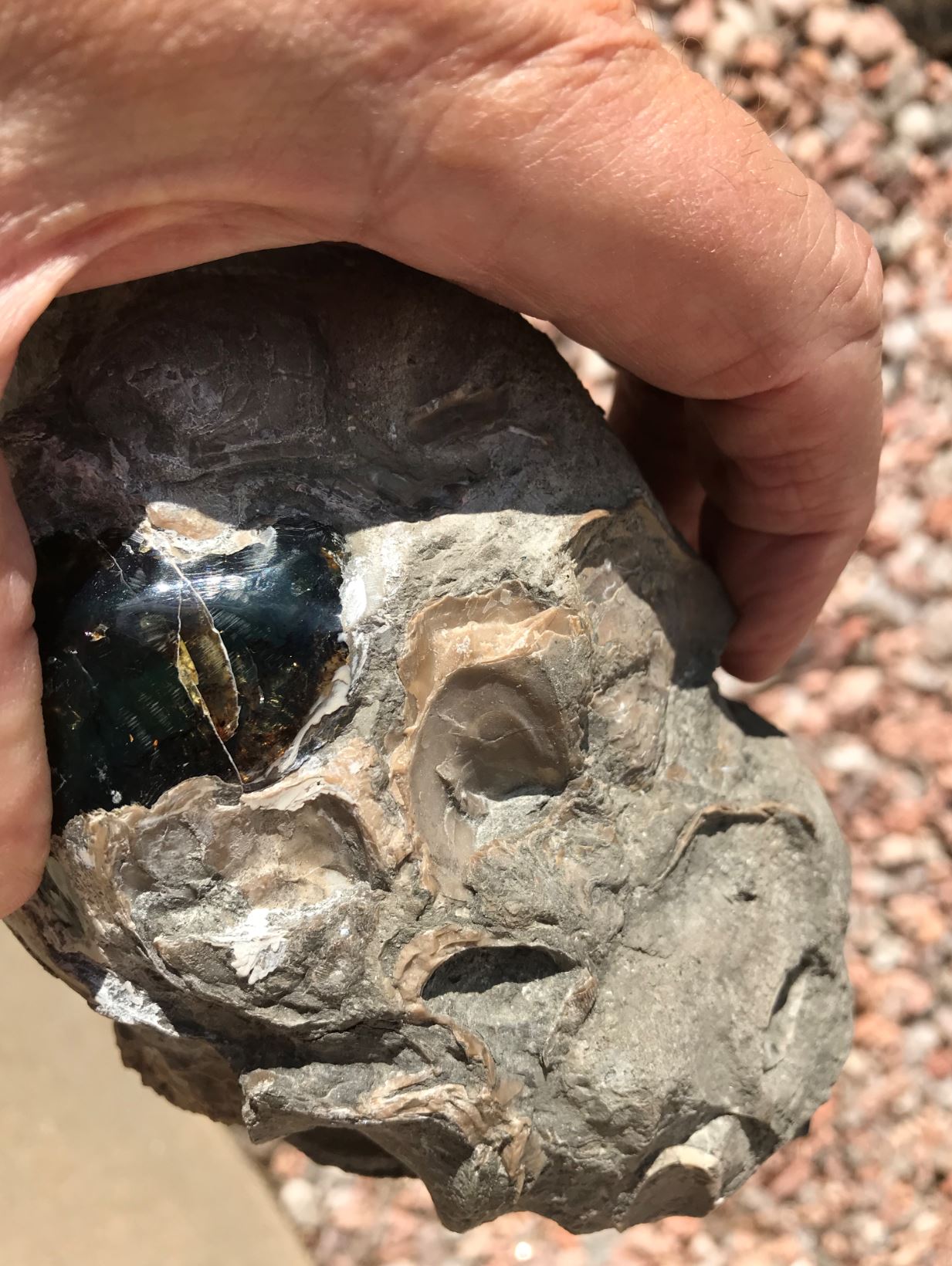
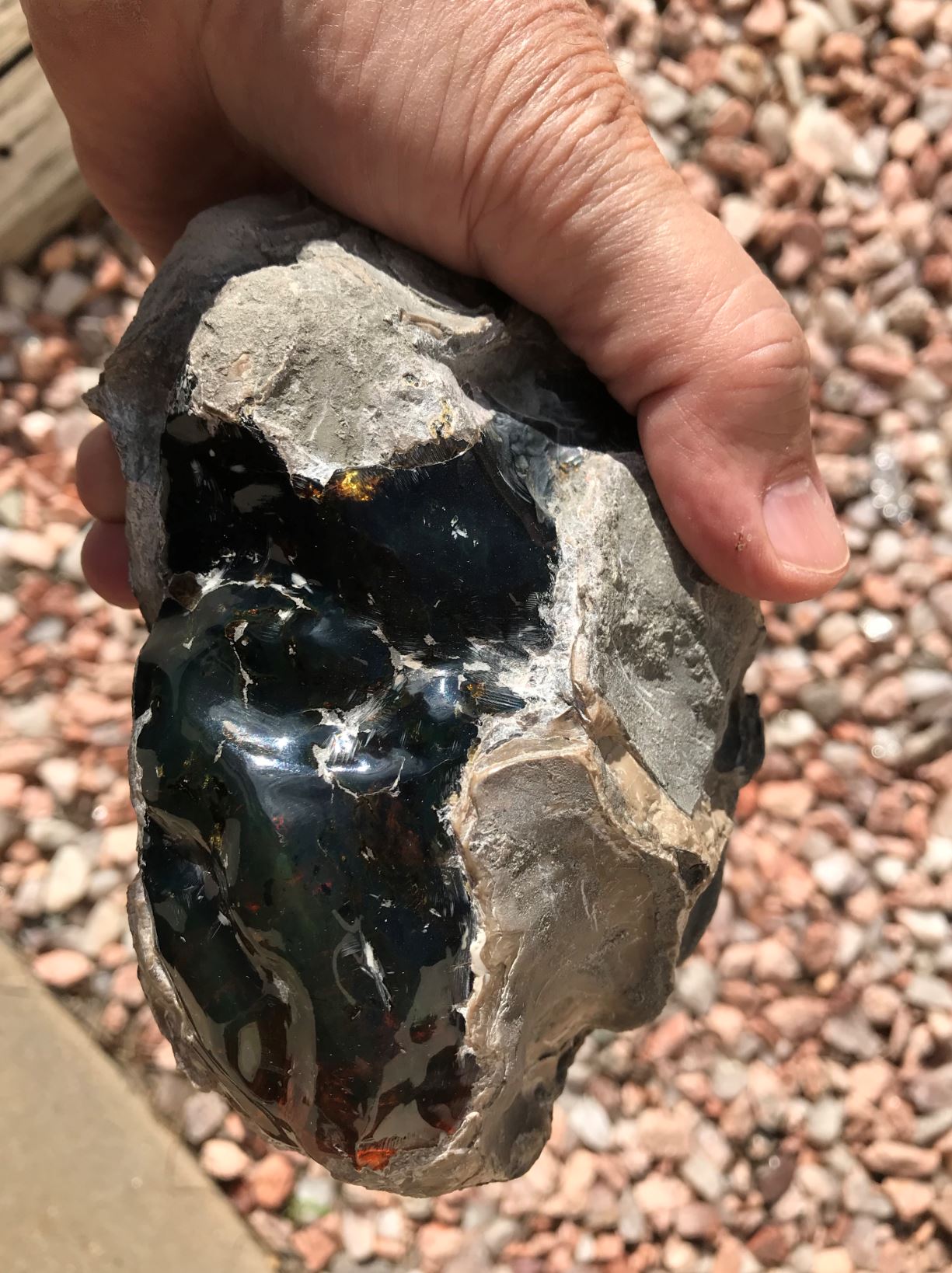
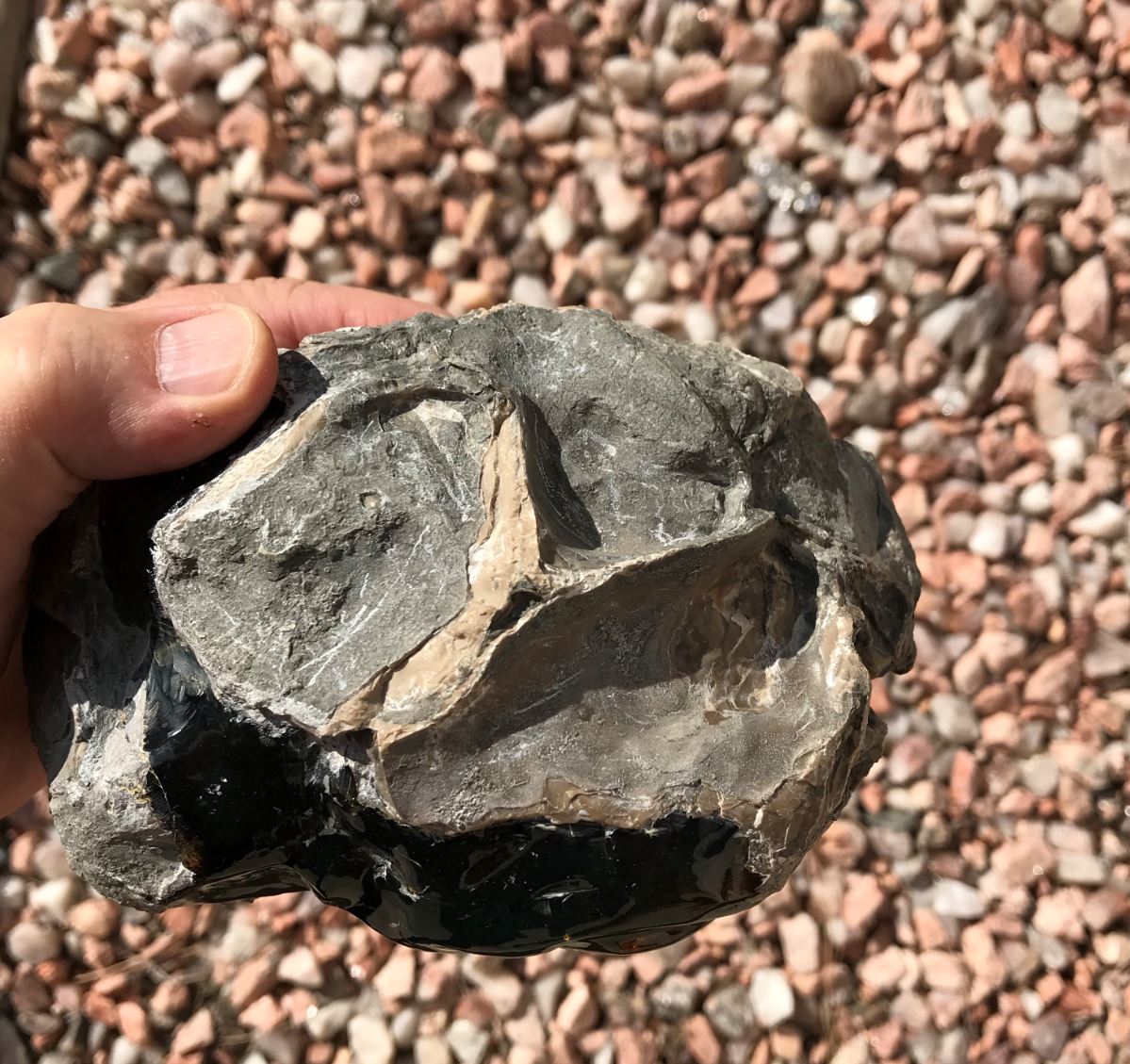
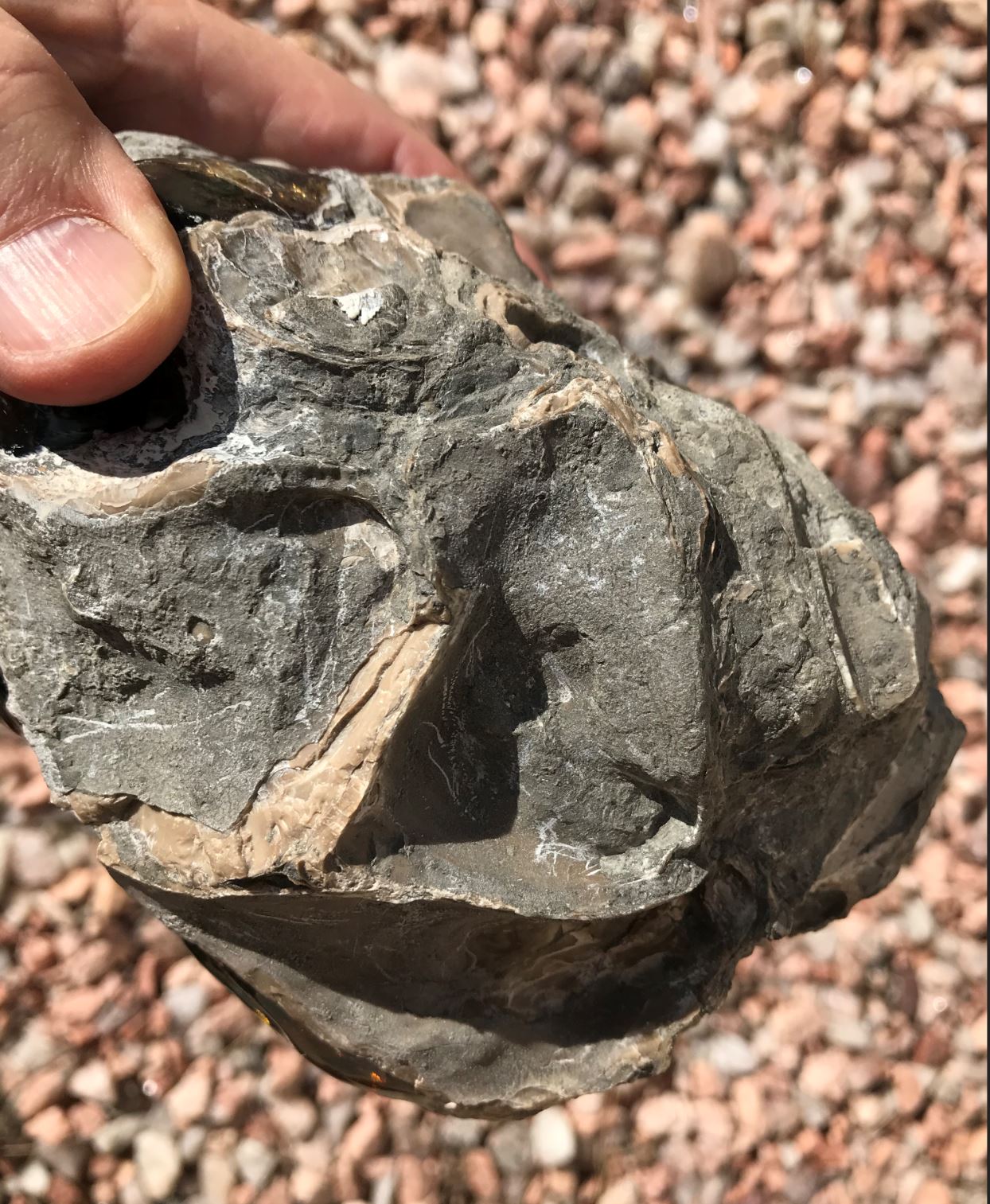
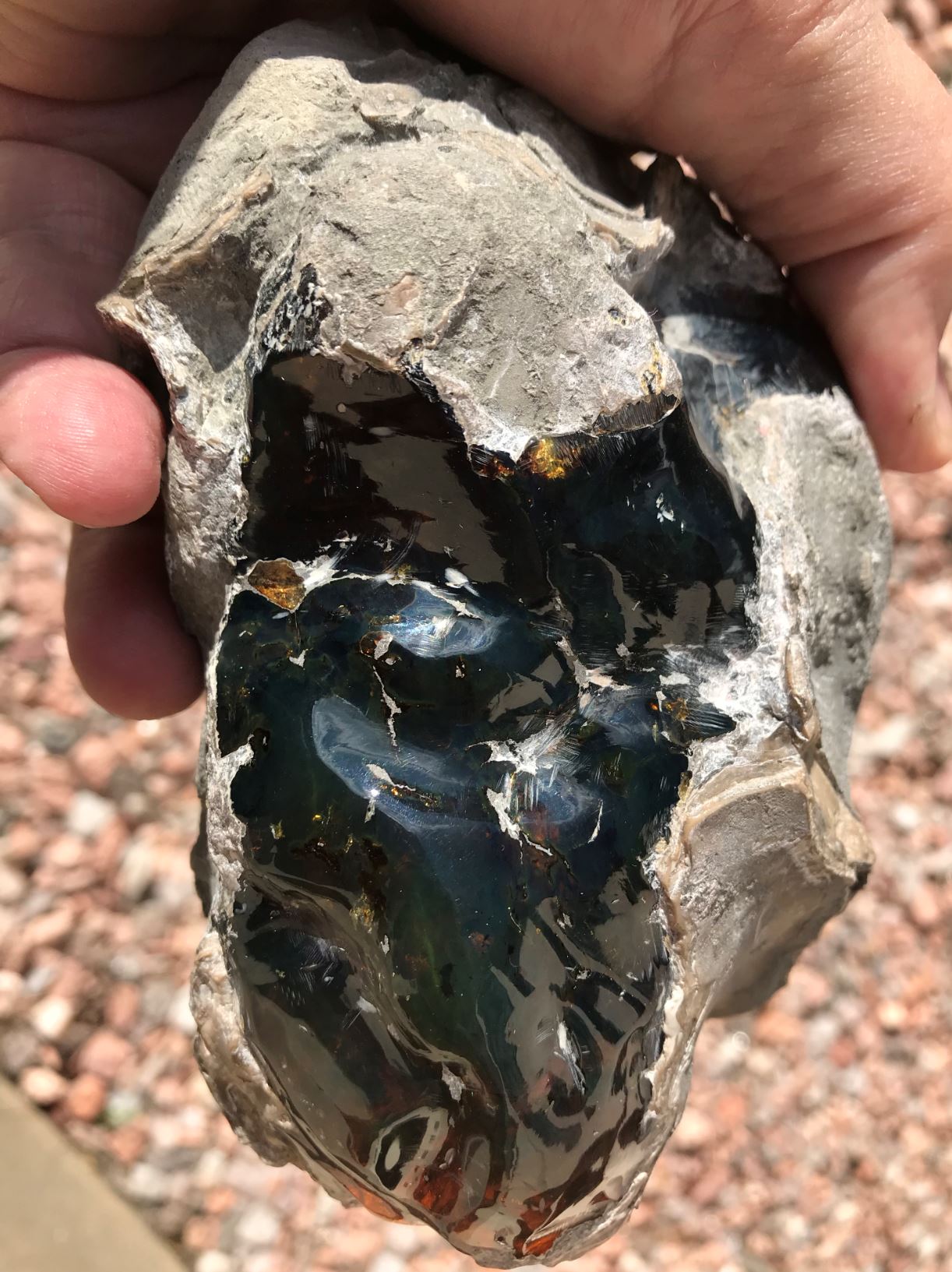
A rather special piece of amber. This defines the concept of a 'chunk' of amber. It is almost 7 x 4 x 3 inches (that is big) and weighs a whopping 1,250 grams (2 and 3/4 pounds). Large heavy, beautiful............but wait, there is more. Look carefully at the images of this piece. There are fossil remains all around it. These are Brachiopod imprints. around the majority of the amber. You just do not see this very often. A strong confirmation of the role of sea water and amber. There are shells outside the piece; as though the amber was covered by shells; all that you see on the piece are shells not dirt, regularly amber is covered by something called "cascajo" (dust, clay) there are parts that you actually something as seashells (a bivalve). This is the most unique thing we have seen in a long time; we just wonder what this would look like as a display piece in a store?
Kaegen Lau suggested that "Looks like Ostrea sp. fossils on the exterior, and a partial barnacle remnant as well." I agree.
Item 25
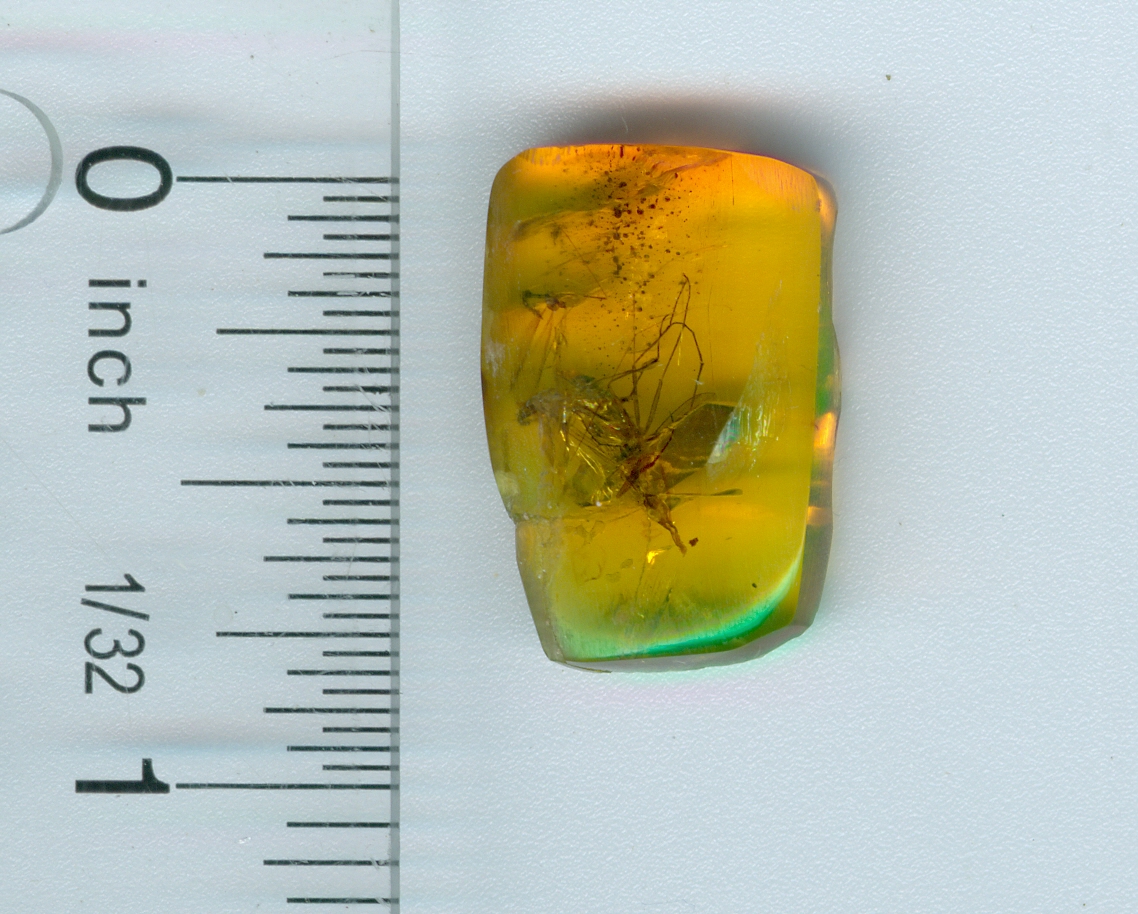
Here is the perfect specimen - a roach that is about 1/2 inch long. He floats in a perfect sea of yellow. Large, easily seen with the details that just jump out at you. This is a beautiful piece.
Item 26

A beautiful planthopper, Homoptera, family Delphacidae. I always get a kick out of wing patterns when you see them - and this one does! Lovely piece with just a beautiful planthopper. Short video.
Item 28

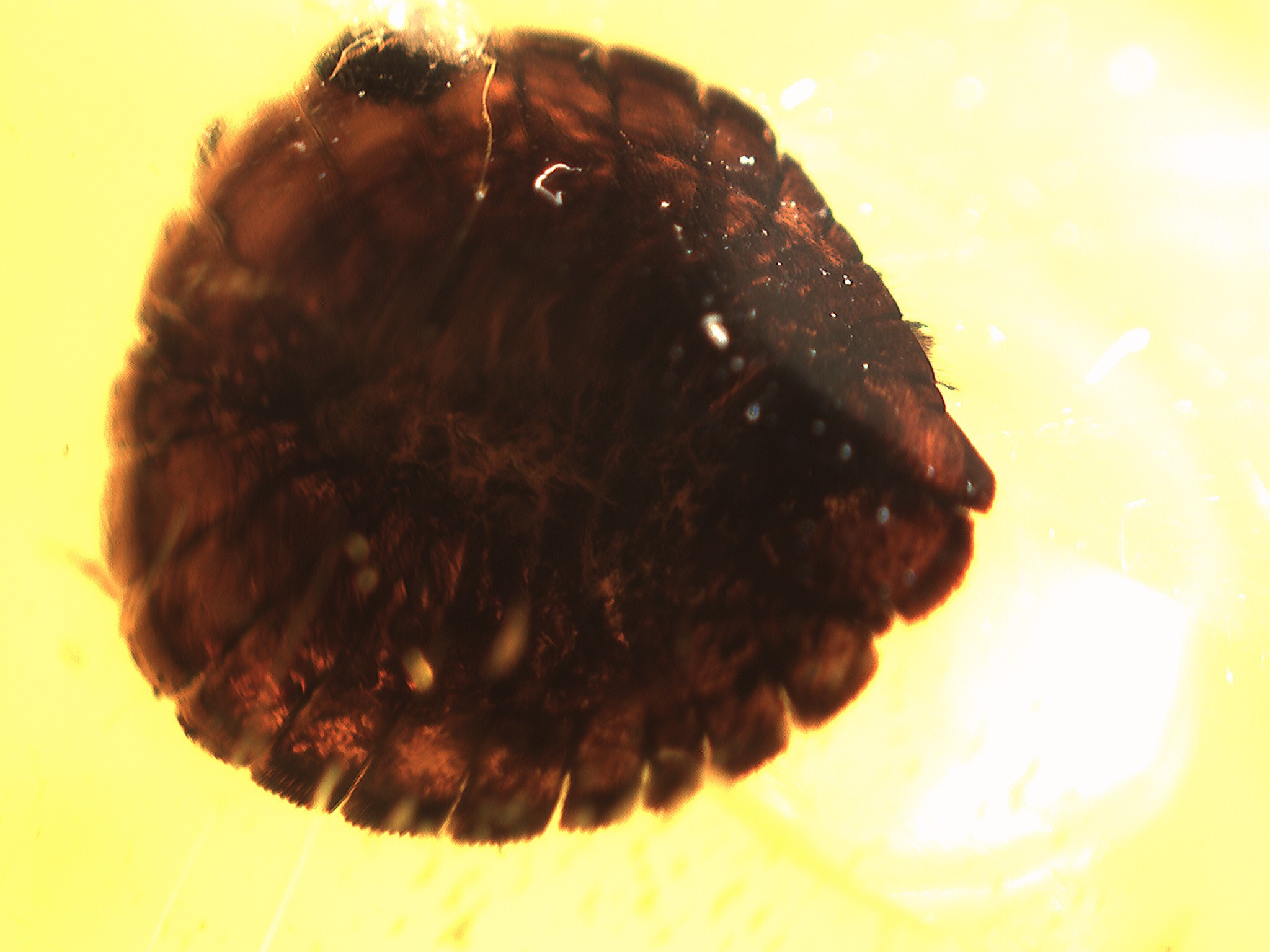
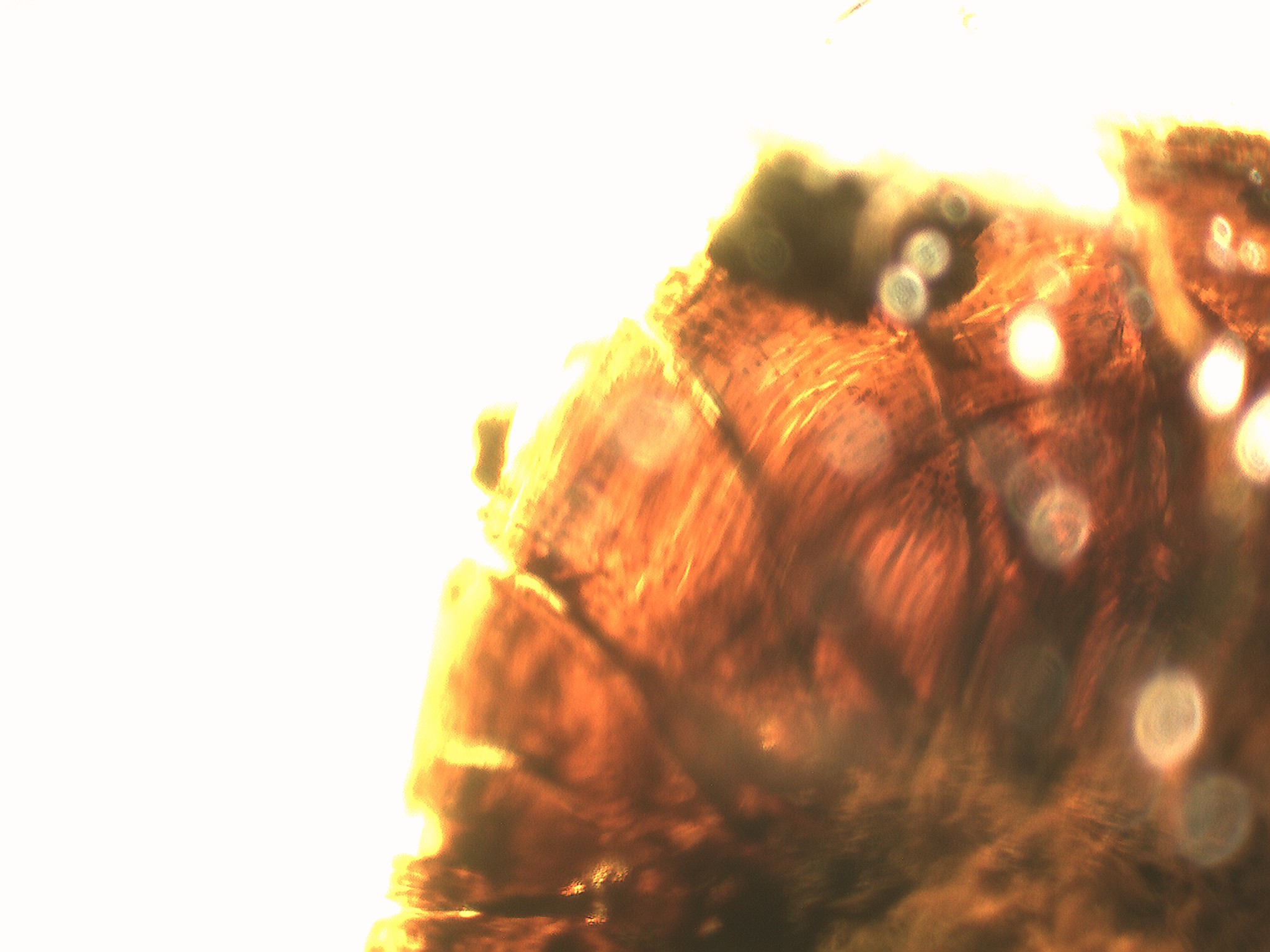
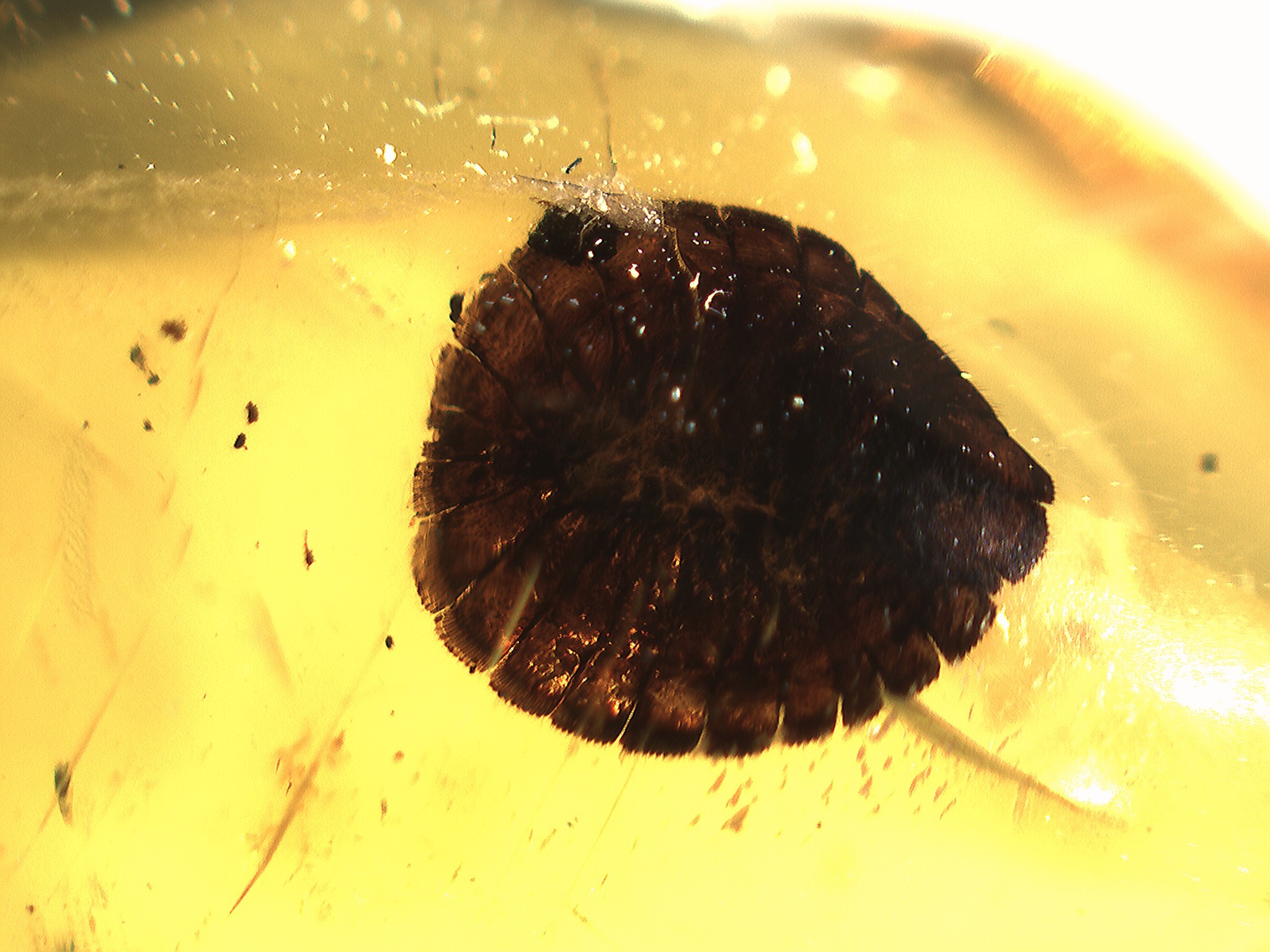
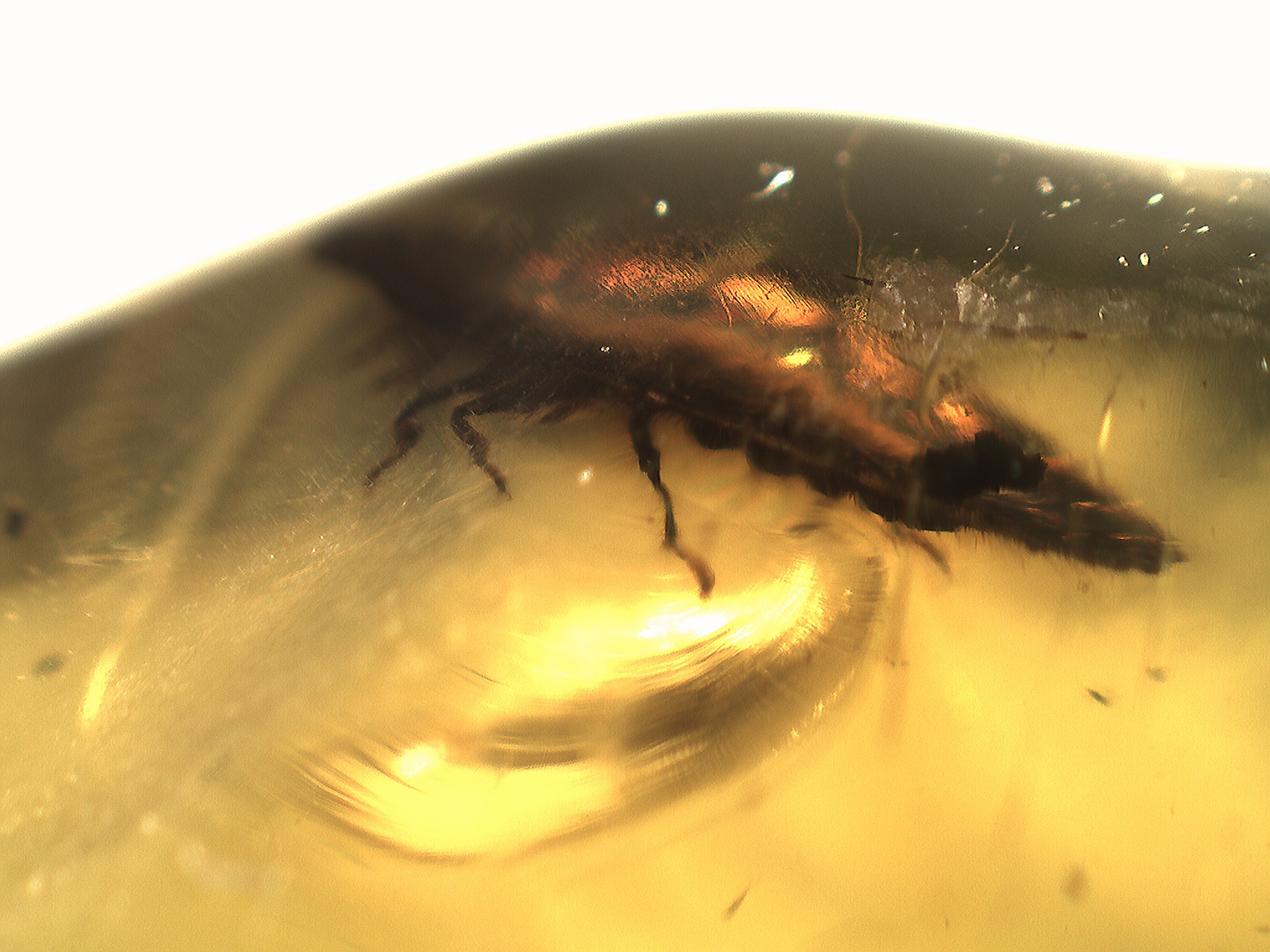
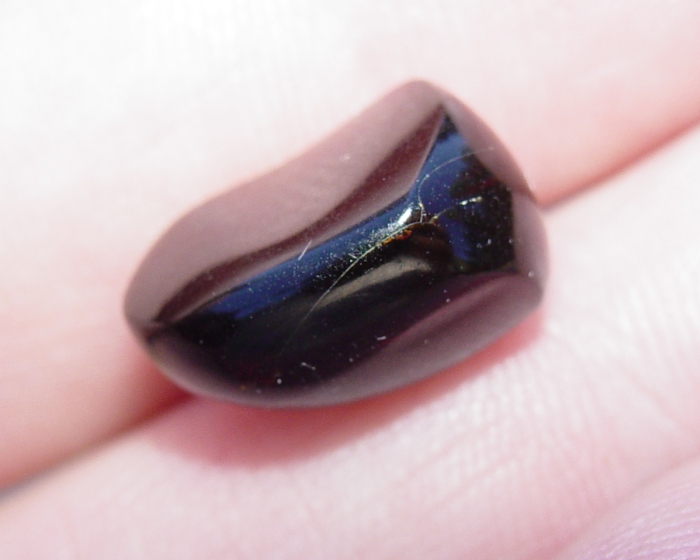
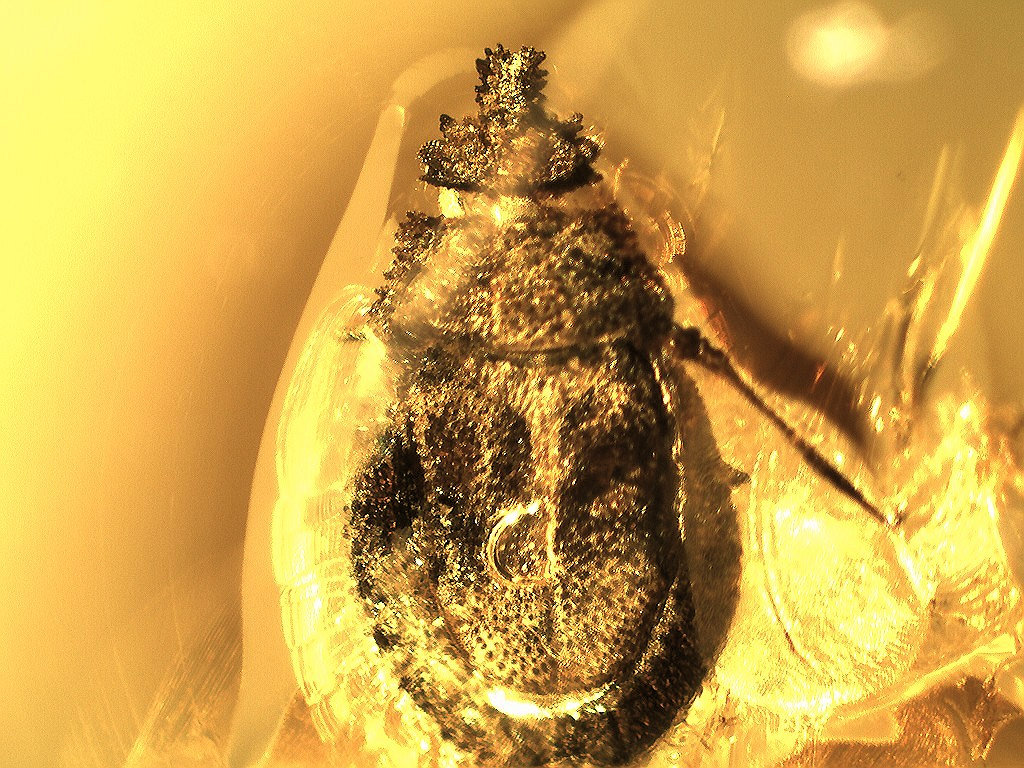
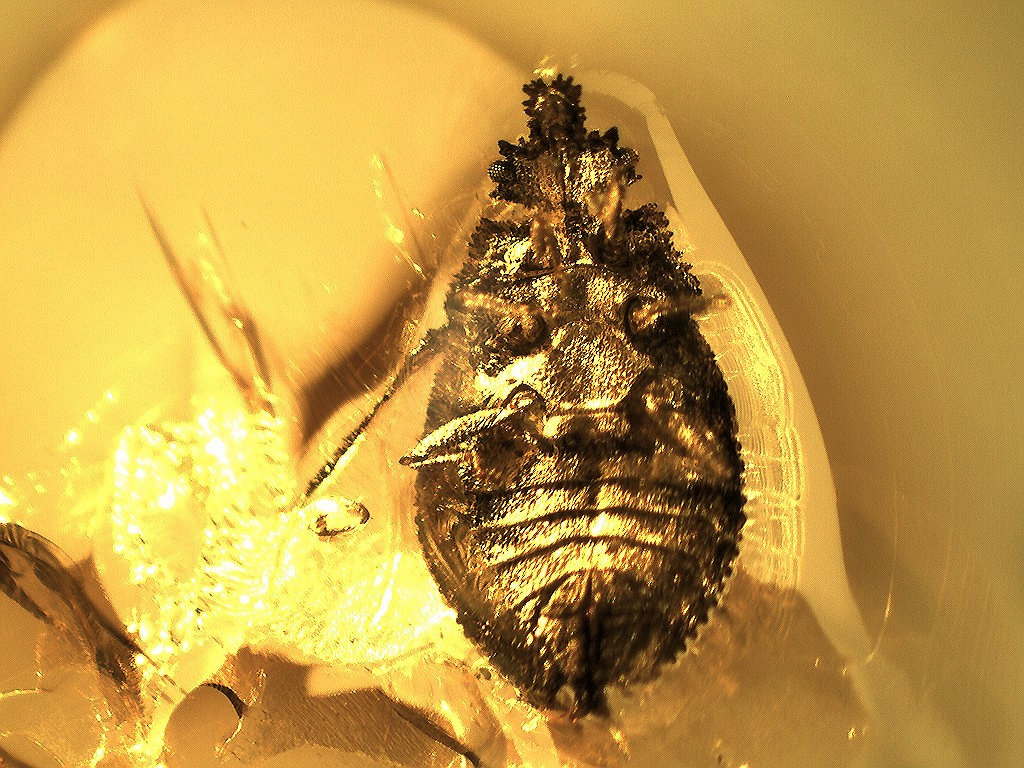
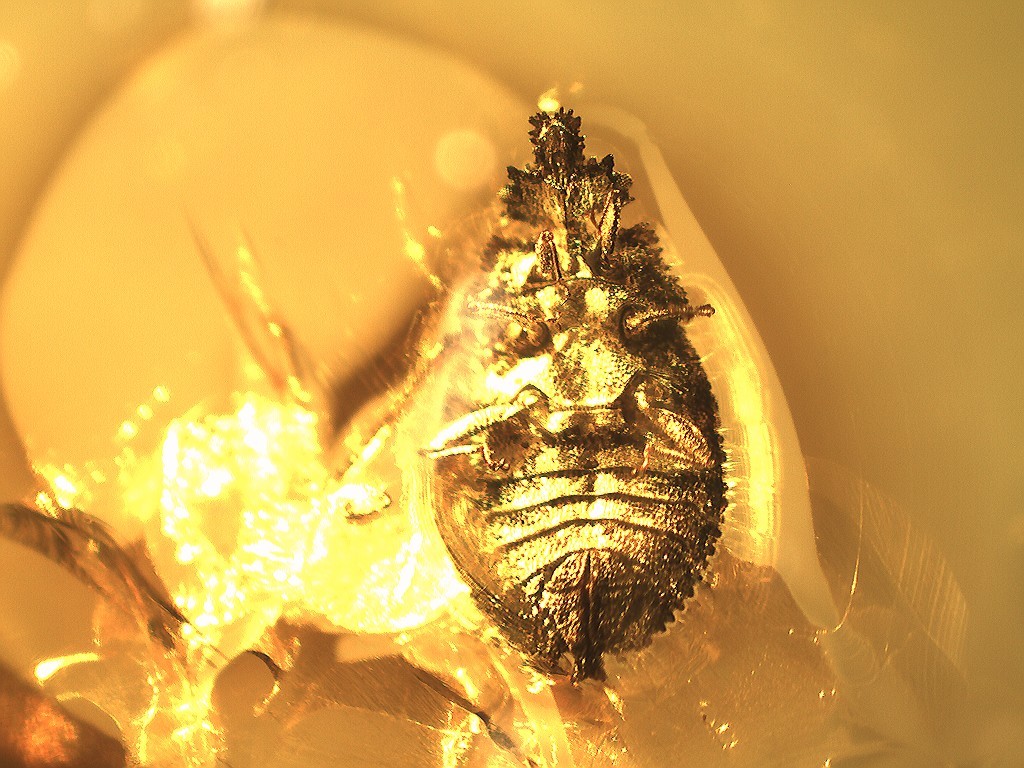
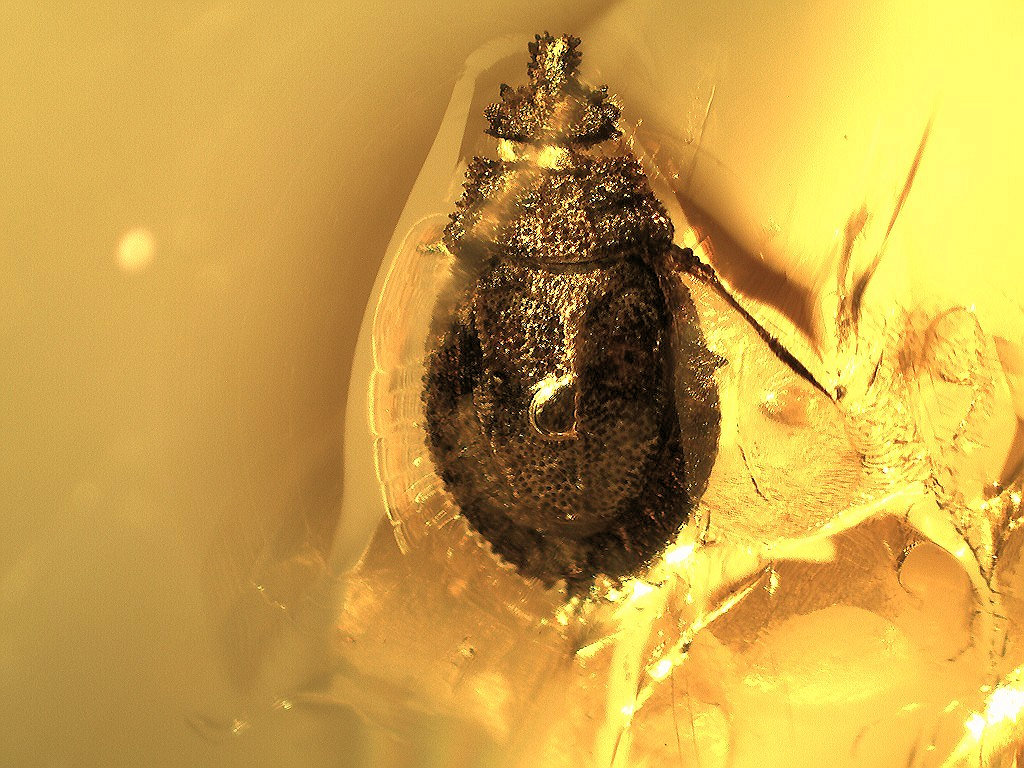
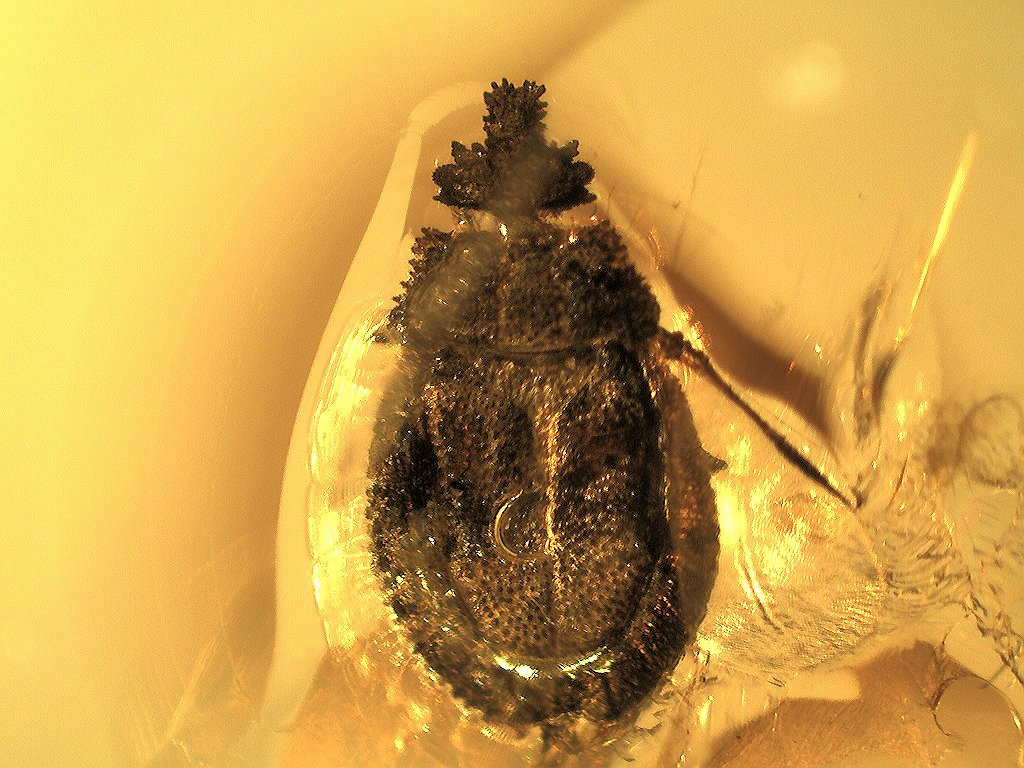
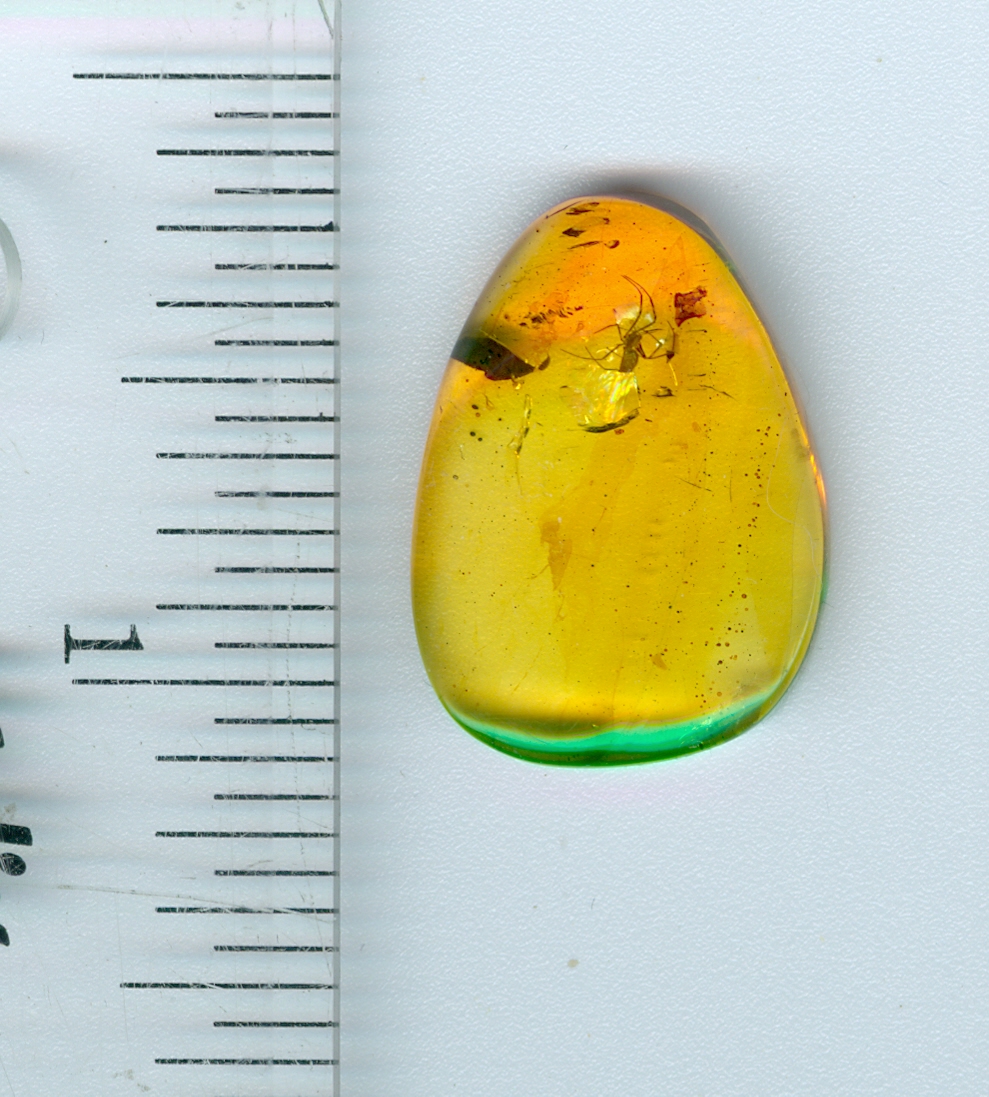
This tiny survivor from the ancient forests of Mexico is a remarkable example of nature frozen in time. This Armored mite (Acari: likely Oribatida) in Miocene Chiapas amber has been suspended in beautiful golden Chiapas amber for nearly 20 million years. The armored mite likely spent its life moving through the damp leaf litter beneath towering resin-producing trees before one unlucky moment sealed it forever in flowing resin. Today, both the dorsal and ventral views are visible, offering an unusually complete look at this prehistoric arachnid. The preservation is exceptional, with the legs, body shape, and fine structural details still clearly visible after millions of years.
Mites are among the oldest and most successful arachnids on Earth, yet quality fossil examples with this level of clarity are surprisingly difficult to obtain. The rounded “armored” appearance gives this specimen an almost alien look, making it a fascinating conversation piece for collectors, educators, and anyone drawn to the mysteries of prehistoric life. Whether displayed under magnification or added to a serious amber collection, this piece captures a tiny moment from a vanished Miocene rainforest — a genuine natural time capsule preserved by nature itself.
Item 29

This looks like the larvae of a lacewing (Neuroptera). I cannot say which family, Ascalaphidae or Myrmeleontidae, I think it is one of these. Lacewings are rather rare in amber, the larvae are even more so. This is a small piece, but the amber is clear and perfect. an excellent specimen, this is a great addition to anyone's collection.
Item 30
This is a large piece of amber, 43 grams. It is about 2.5 inches x 1.5 x .7 inches in size. The praying mantis is small, but perfect. If you were to by the amber without an insects inside, it would be about $400 - with the praying mantis inside, this beauty is only $1,600. That is a great price for a rare praying mantis. You can even see the patterns on the legs. There are also 2 tropical stingless bees and worker ant (rather transparent). Great piece at a fantastic price. You cannot go wrong with this piece of Chiapas amber.
Item 31

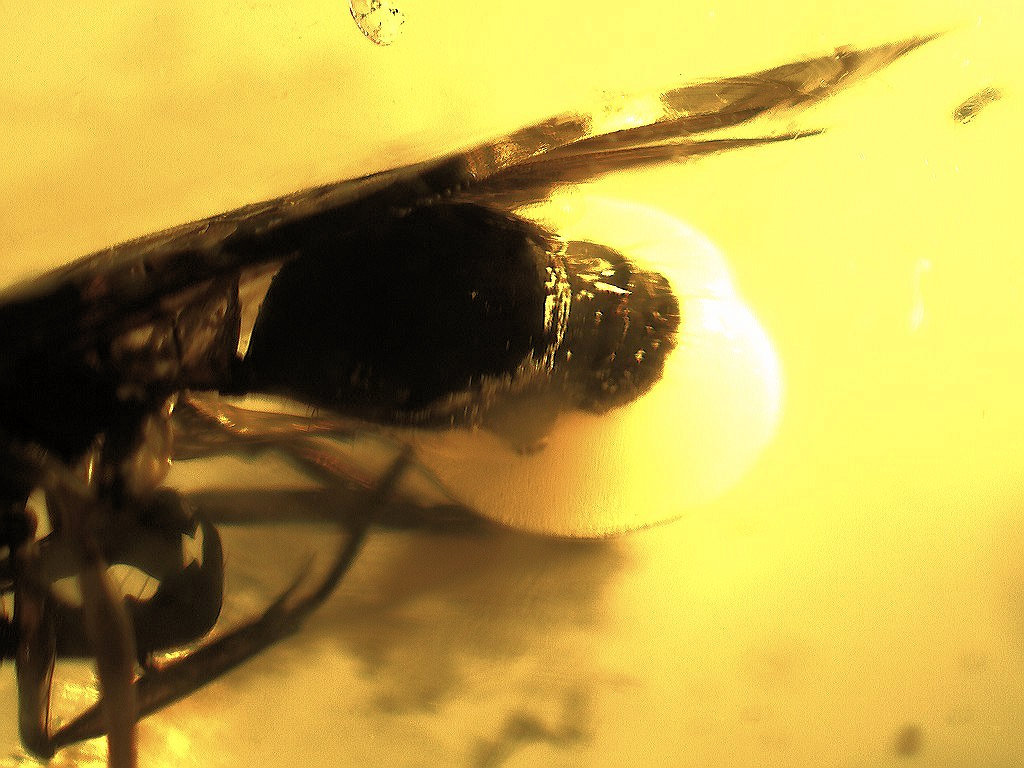
I think this is a wasp - although I am not sure. It has a very interesting abdominal extrusion. I cannot tell what is coming out of it's abdomen, an egg? It is cool though. Nice sized piece.
Item 32
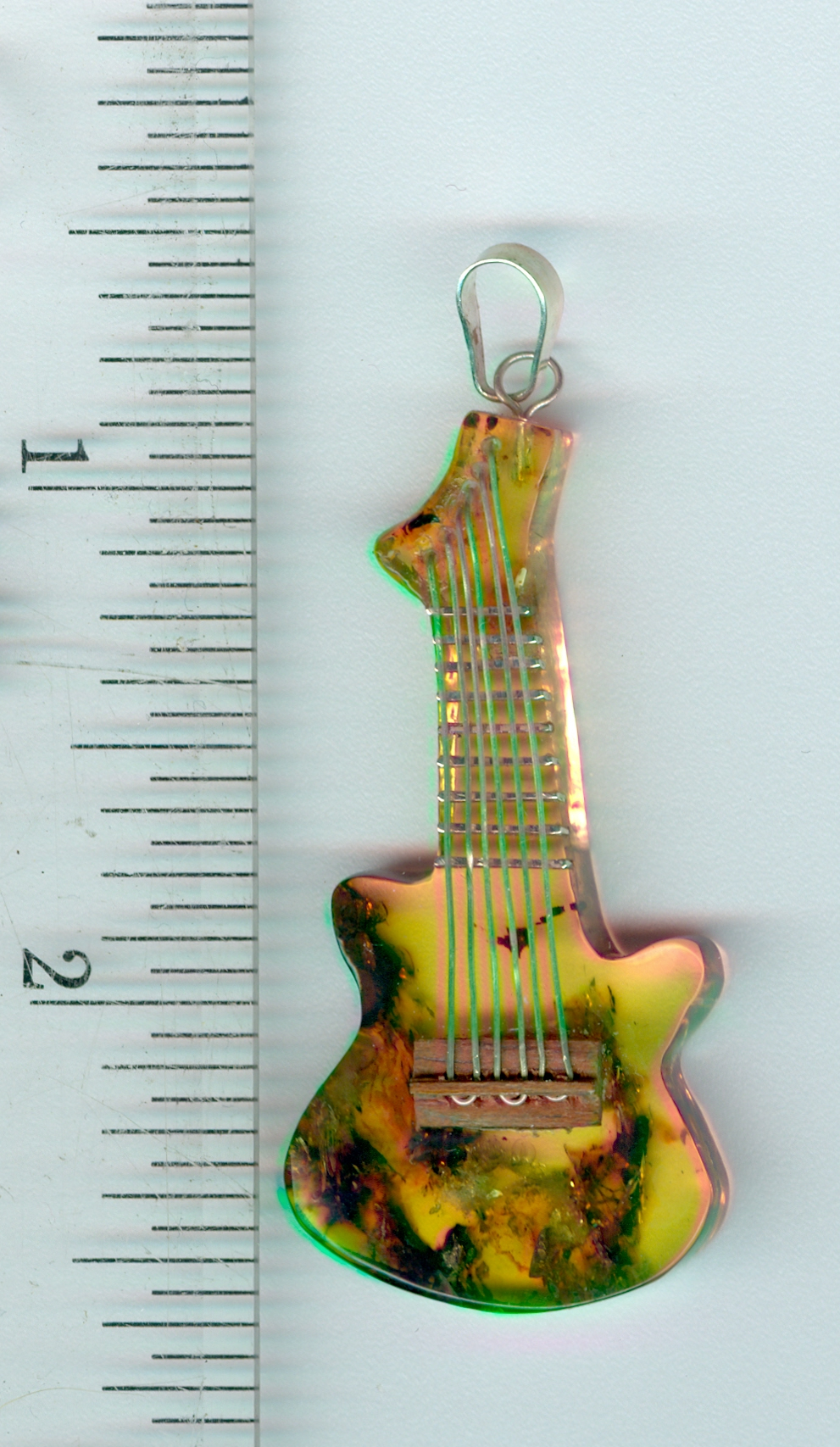
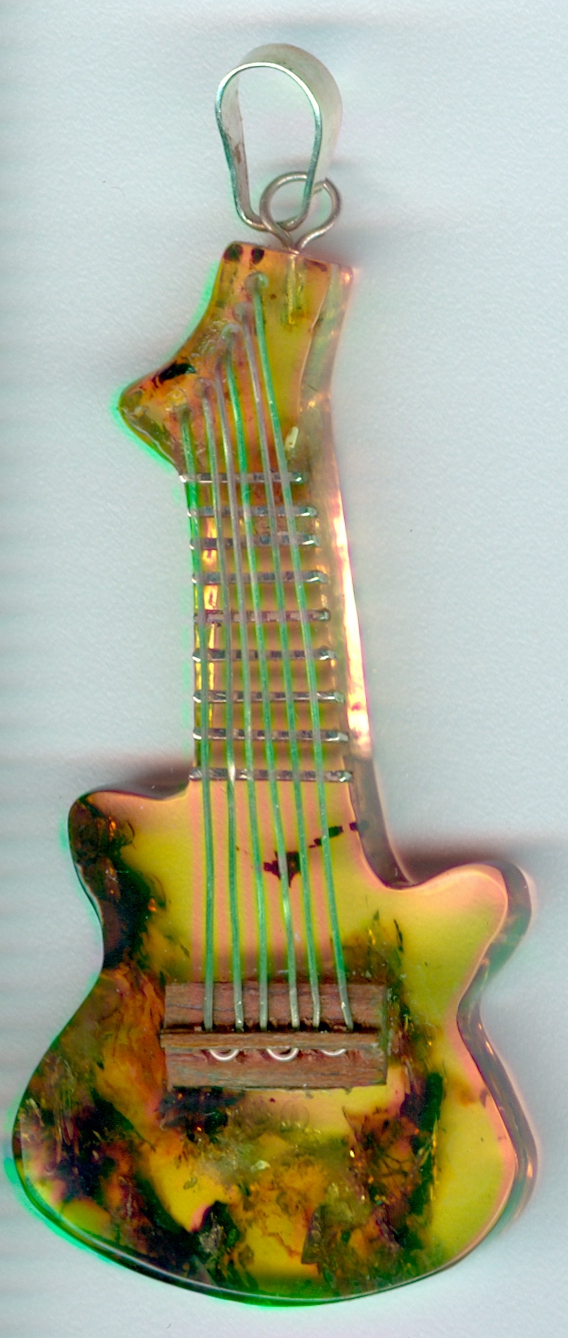
How unusual! A guitar that has been carved out of Chiapas amber and made into a pendant. Fun, unique and beautifully done.
Item 33
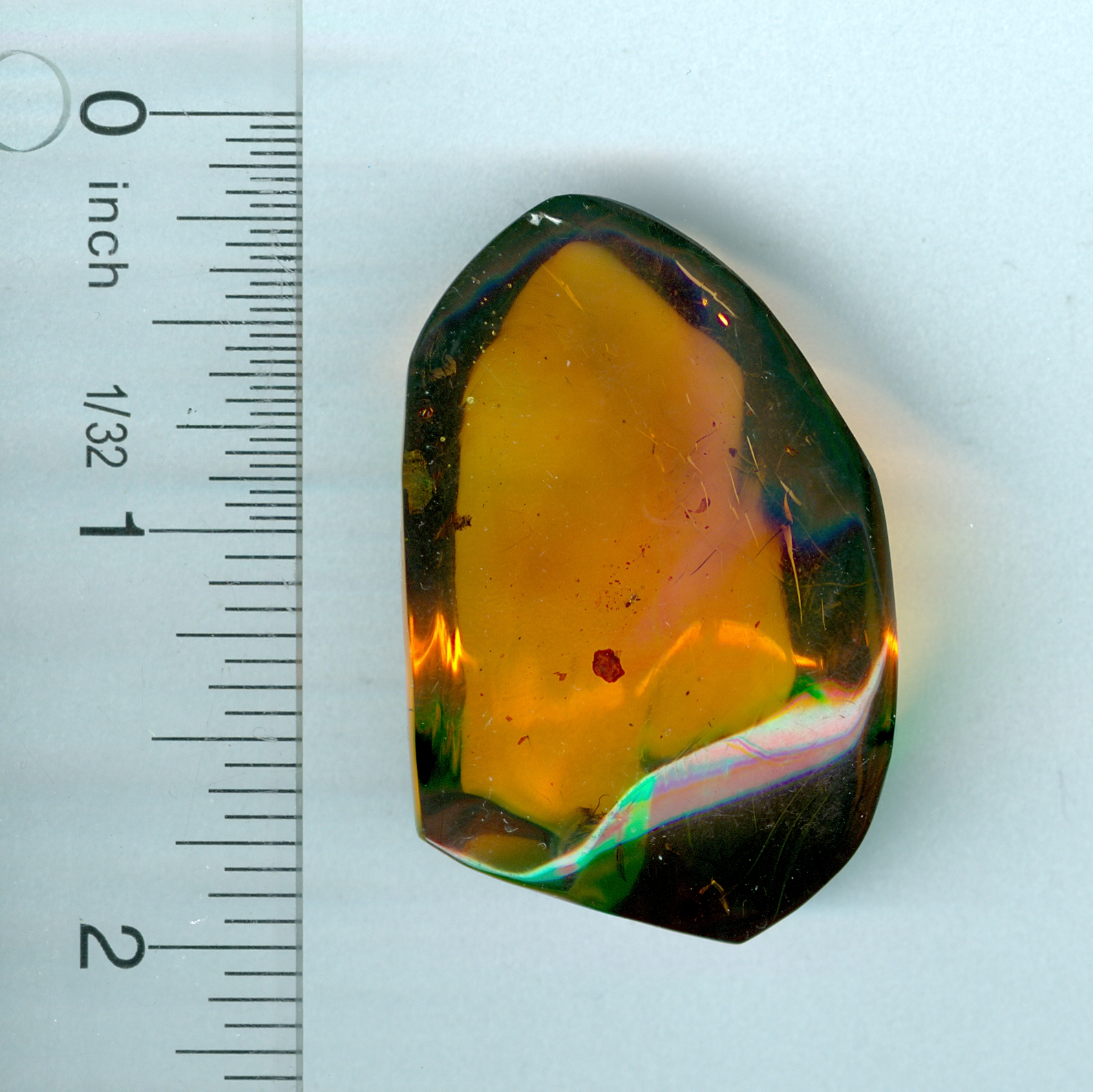
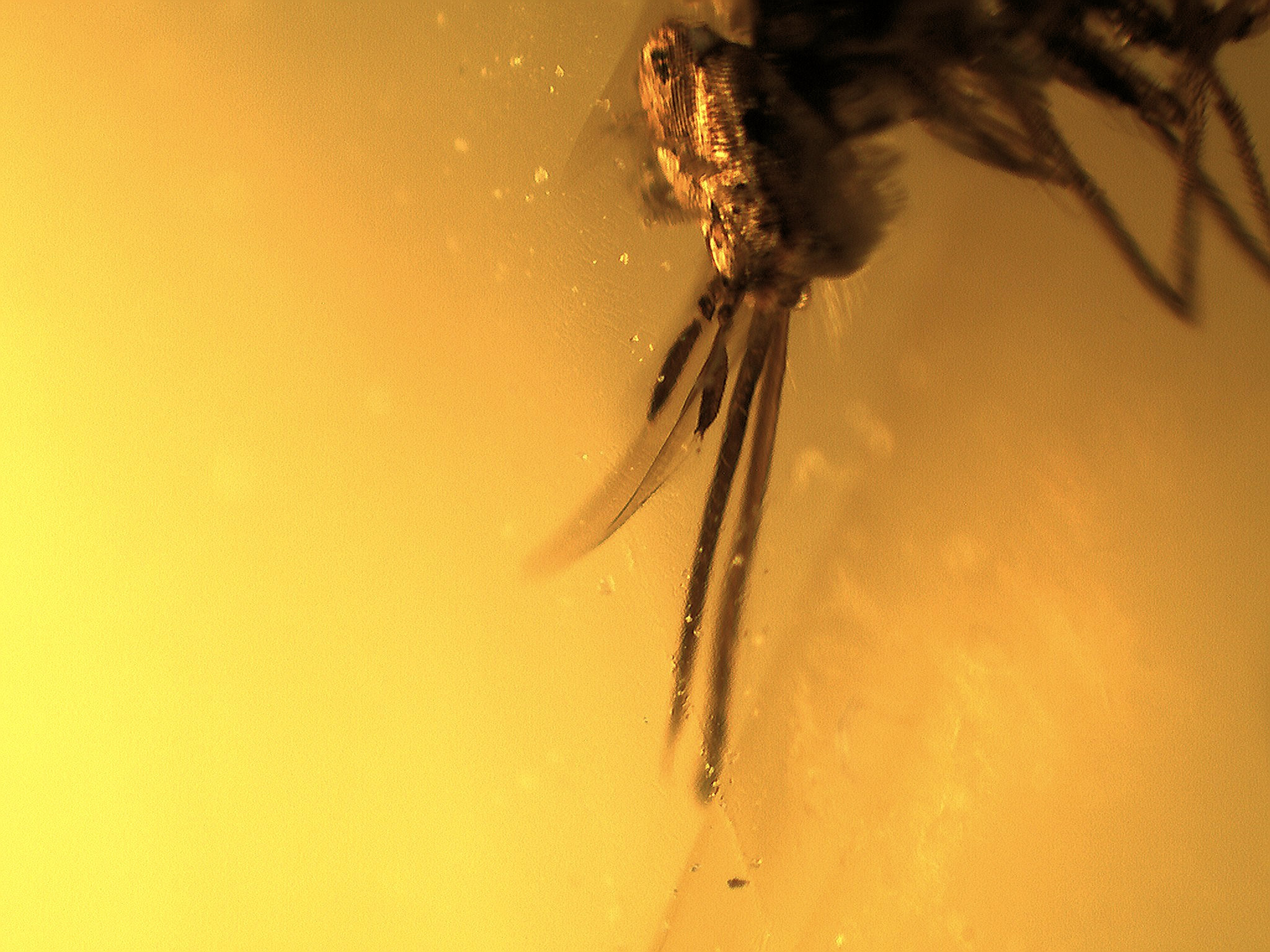
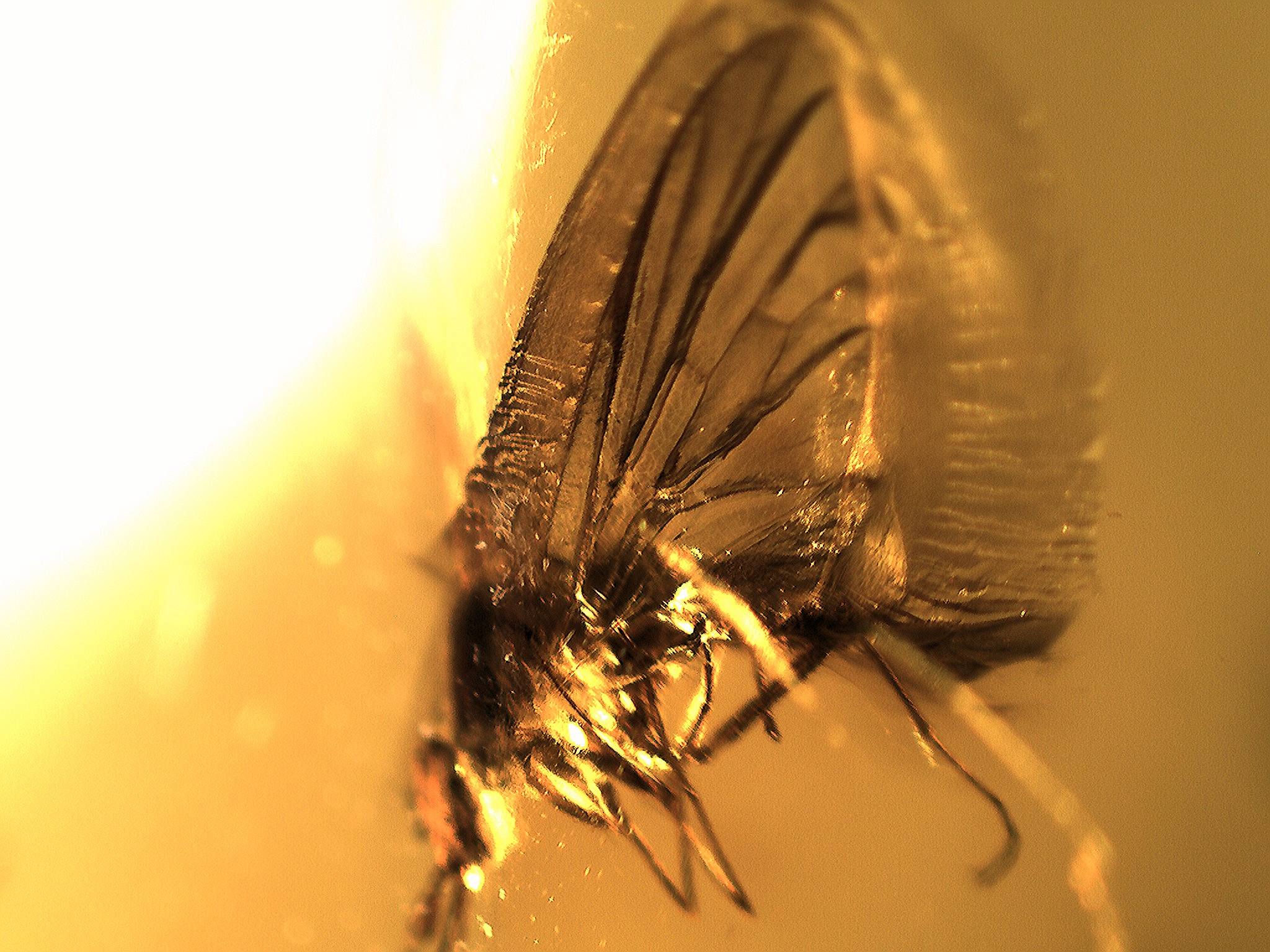
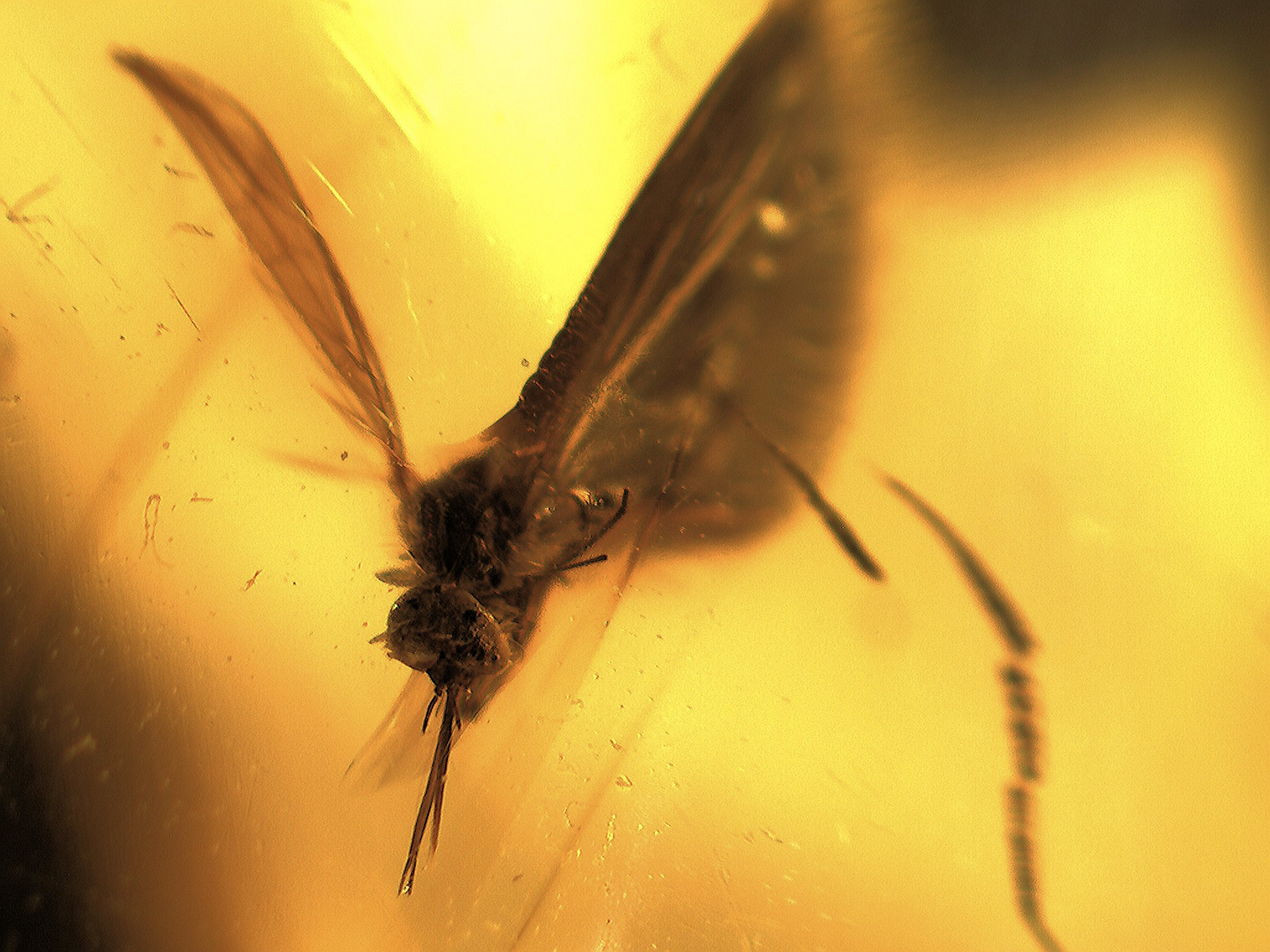
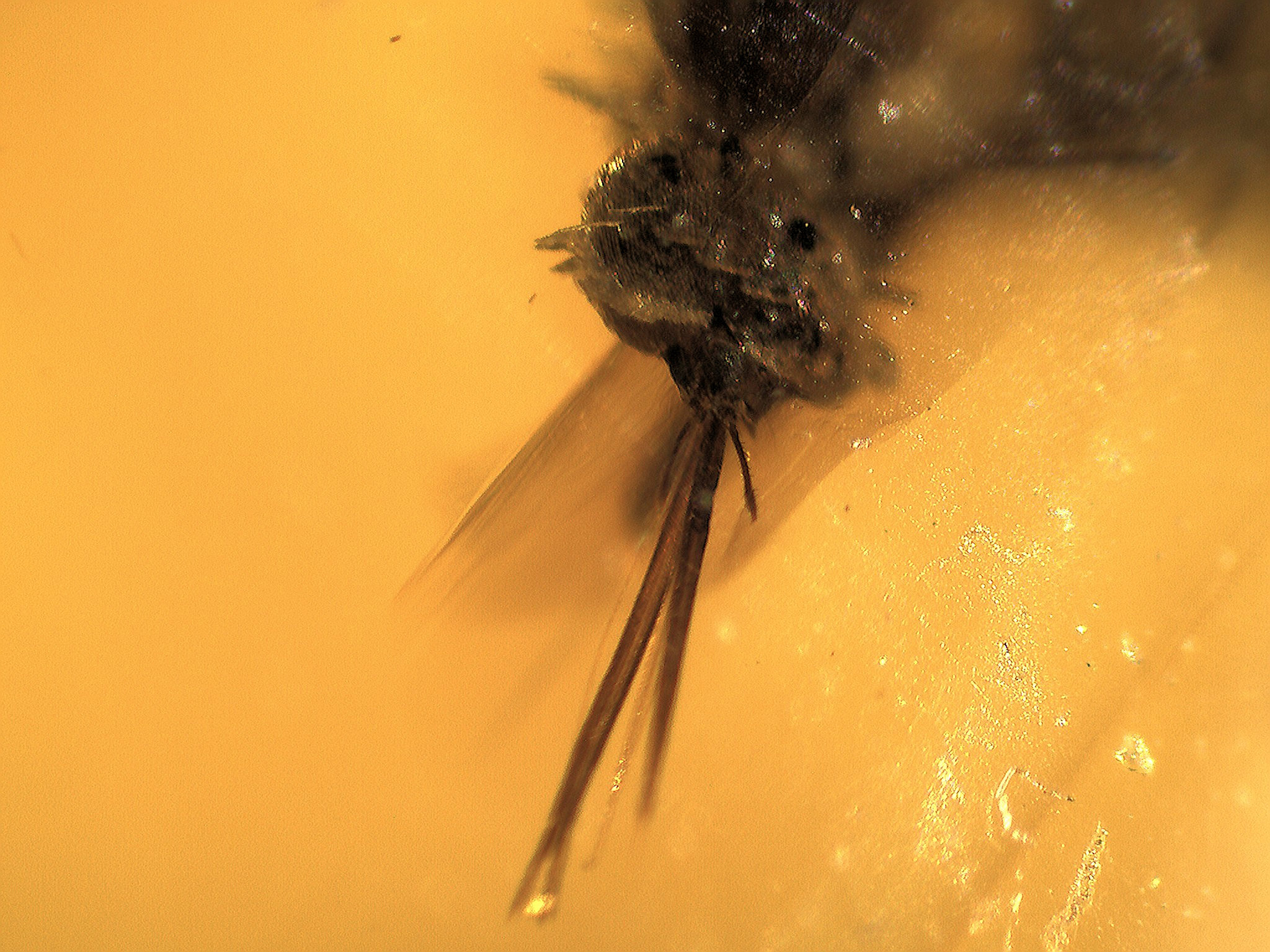
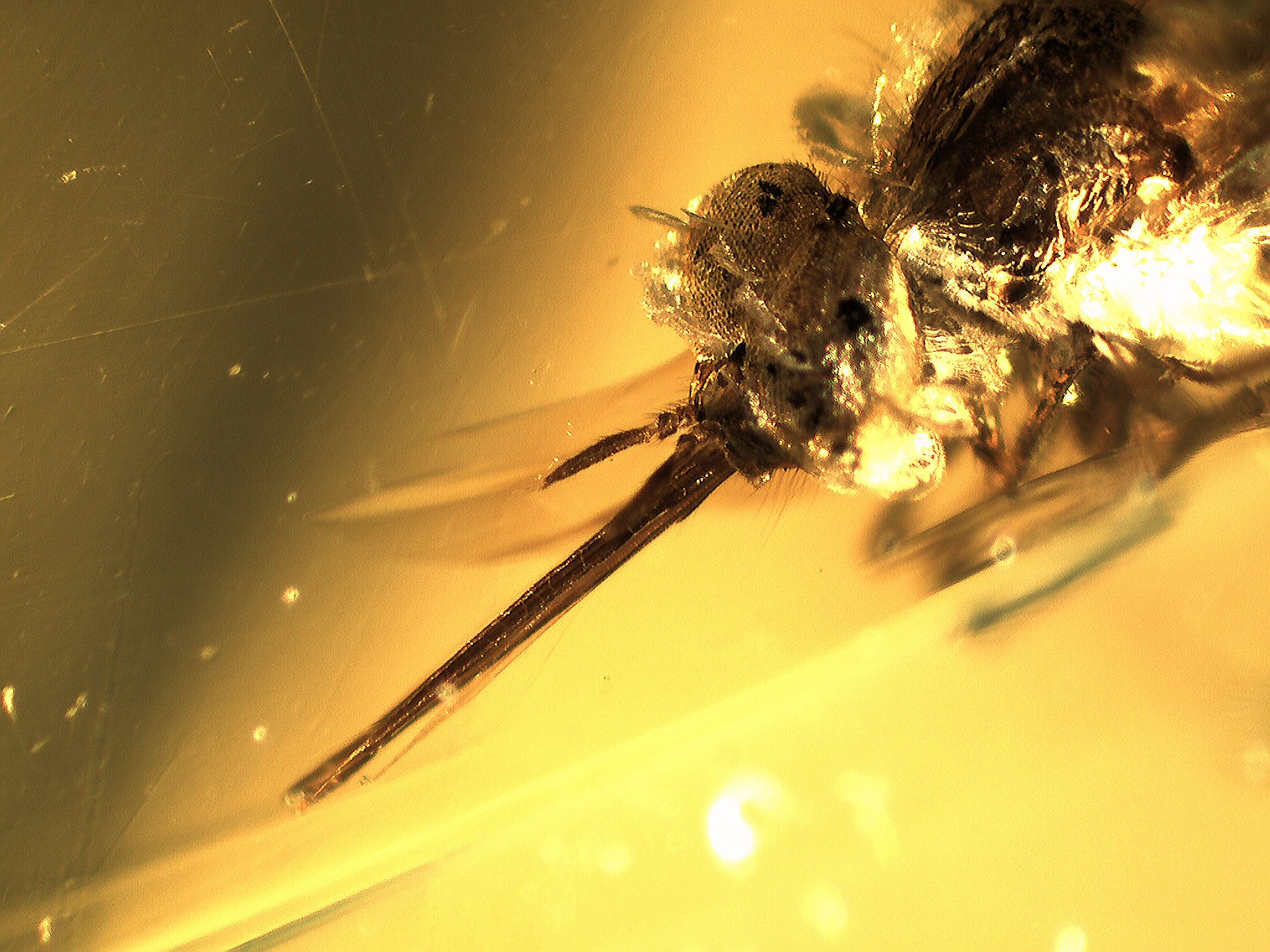
The Bombyliidae are a large family of flies comprising hundreds of genera, but the lifecycles of most species are known poorly, or not at all. Their common name are bee flies or humbleflies. They range in size from very small (2 mm in length) to very large for flies (wingspan of some 40 mm).[1][2] When at rest, many species hold their wings at a characteristic "swept back" angle. Adults generally feed on nectar and pollen, some being important pollinators, often with spectacularly long proboscises adapted to plants such as Lapeirousia species with very long, narrow floral tubes. Unlike butterflies, bee flies hold their proboscis straight, and cannot retract it. In parts of East Anglia, locals refer to them as beewhals, thanks to their tusk-like appendages. Many Bombyliidae superficially resemble bees and accordingly the prevalent common name for a member of the family is bee fly. Possibly the resemblance is Batesian mimicry, affording the adults some protection from predators. This is a beautiful piece of amber, large and clear.
Item 34
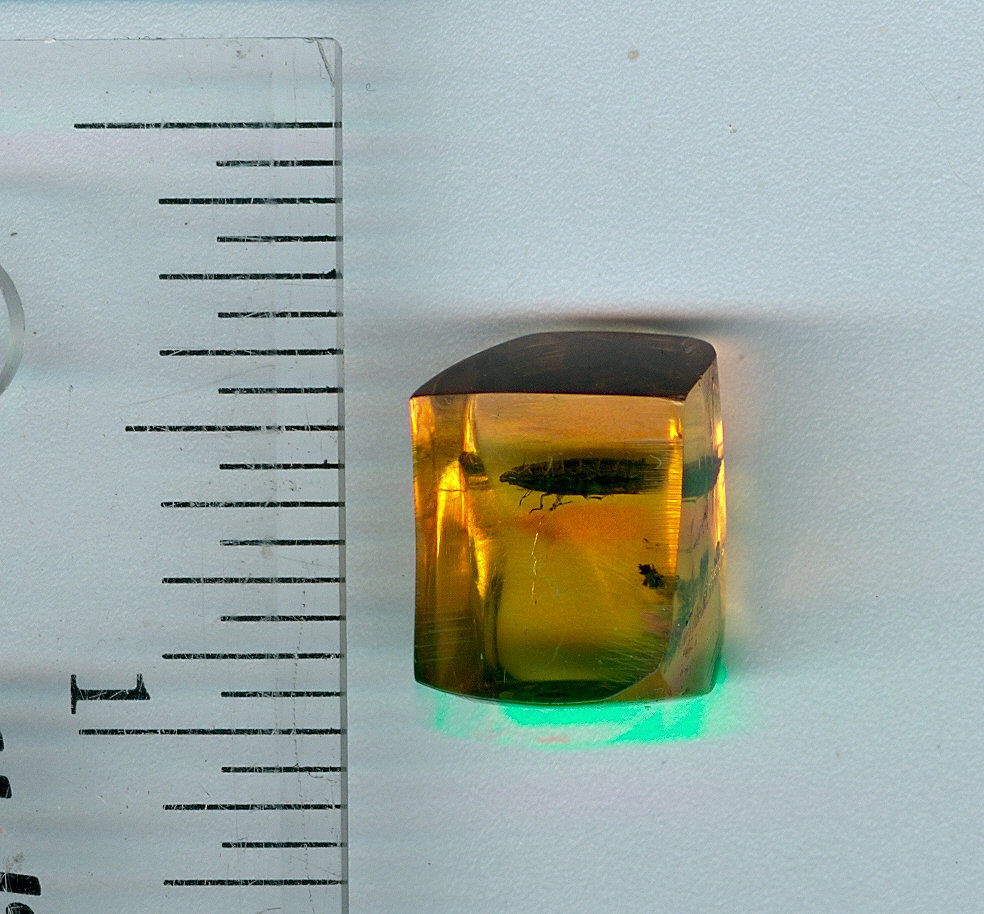
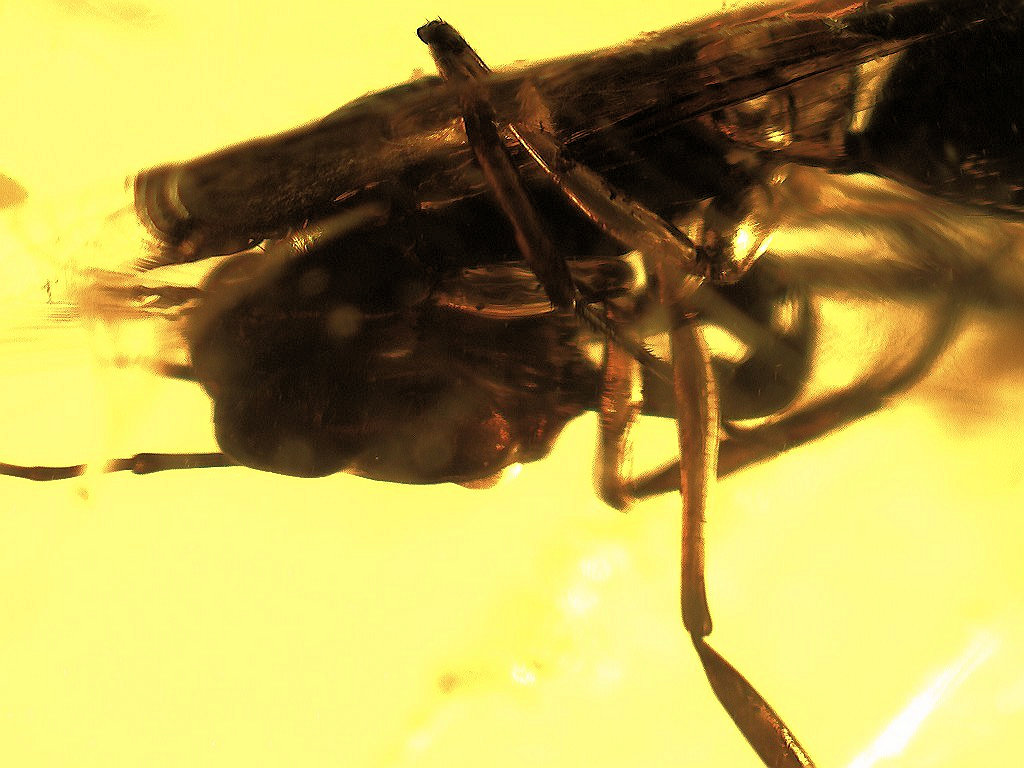
Really a sharp piece of Chiapas amber. This is very clear and has a stilt-legged fly. The Micropezidae are a moderate-sized family of acalyptrate muscoid flies in the insect order Diptera. These insects are commonly called stilt-legged flies, after their characteristically long legs. The fore legs are markedly smaller than the other pairs. Mostly, they are long-bodied, often black flies, usually with infuscated (darkened) wings. This one is perfect. Rarely found in amber, the details are superb, the wing venation is nothing less than spectacular. Great for someone's collection.
Item 35

This is a beautiful penant, about 1.5 x 1.25 x .25 inches. It is encased by silver. the amber is clear with a great color and contains a weevil, Coleoptera, superfamily Curculionoidea, probably Lechriopinae. Really impressive necklace. He is a short video.
Item 36

A large chunk of Chiapas amber. Basically this has a ton load of termite wings. I particularly like this since you can pick it up and so easily see all the wings. So often you need a magnifying glass - this was difficult to photograph since the wings are so large.
Item 37

While not a rare piece - this one certainly has personality. A small blob of resin dropped on a sandy area, not only capturing some of the sand. but also the imprint of the underlying features of 'something' - maybe barnacles? Just a cool piece with a great story. Not a huge piece - but it has class!