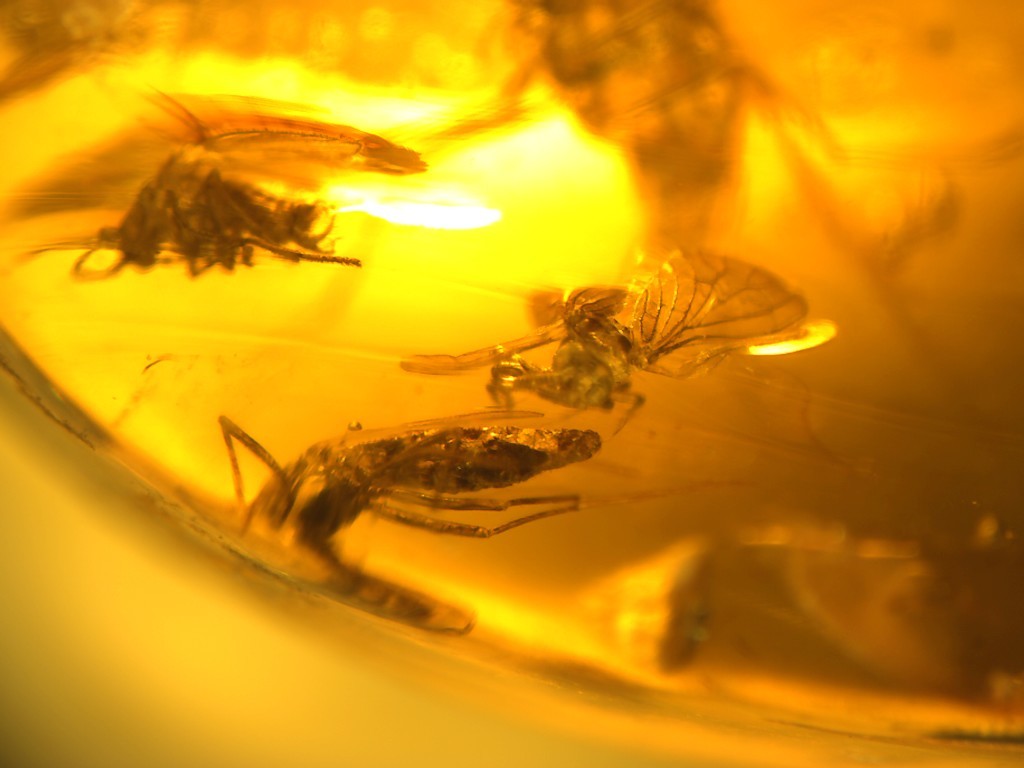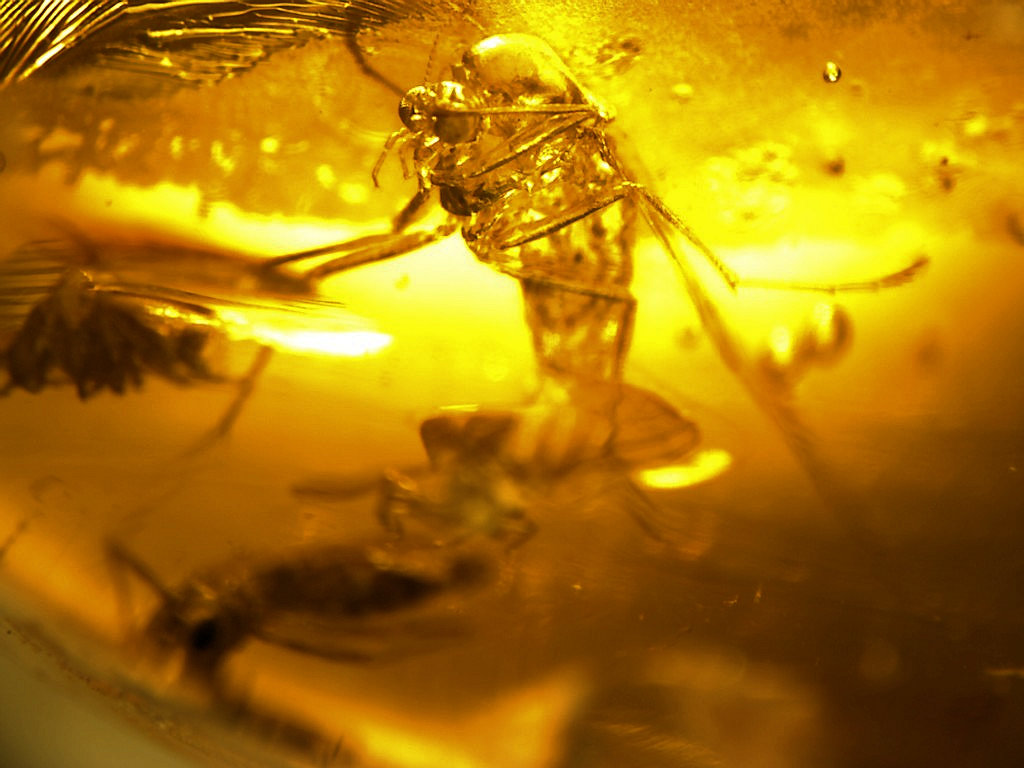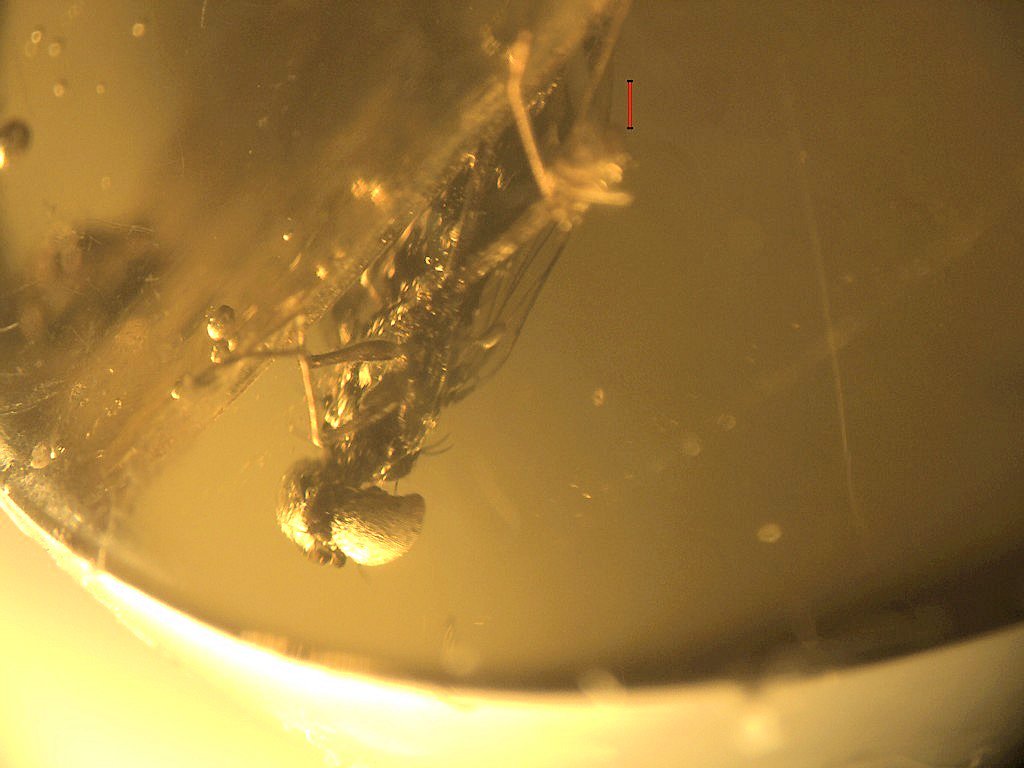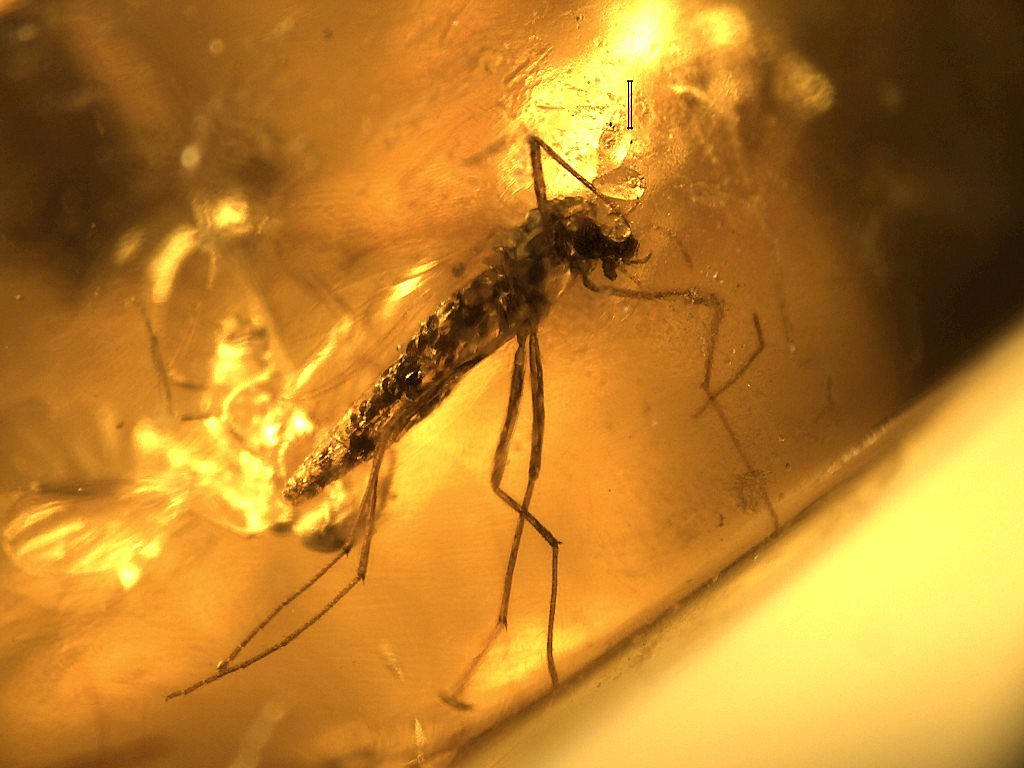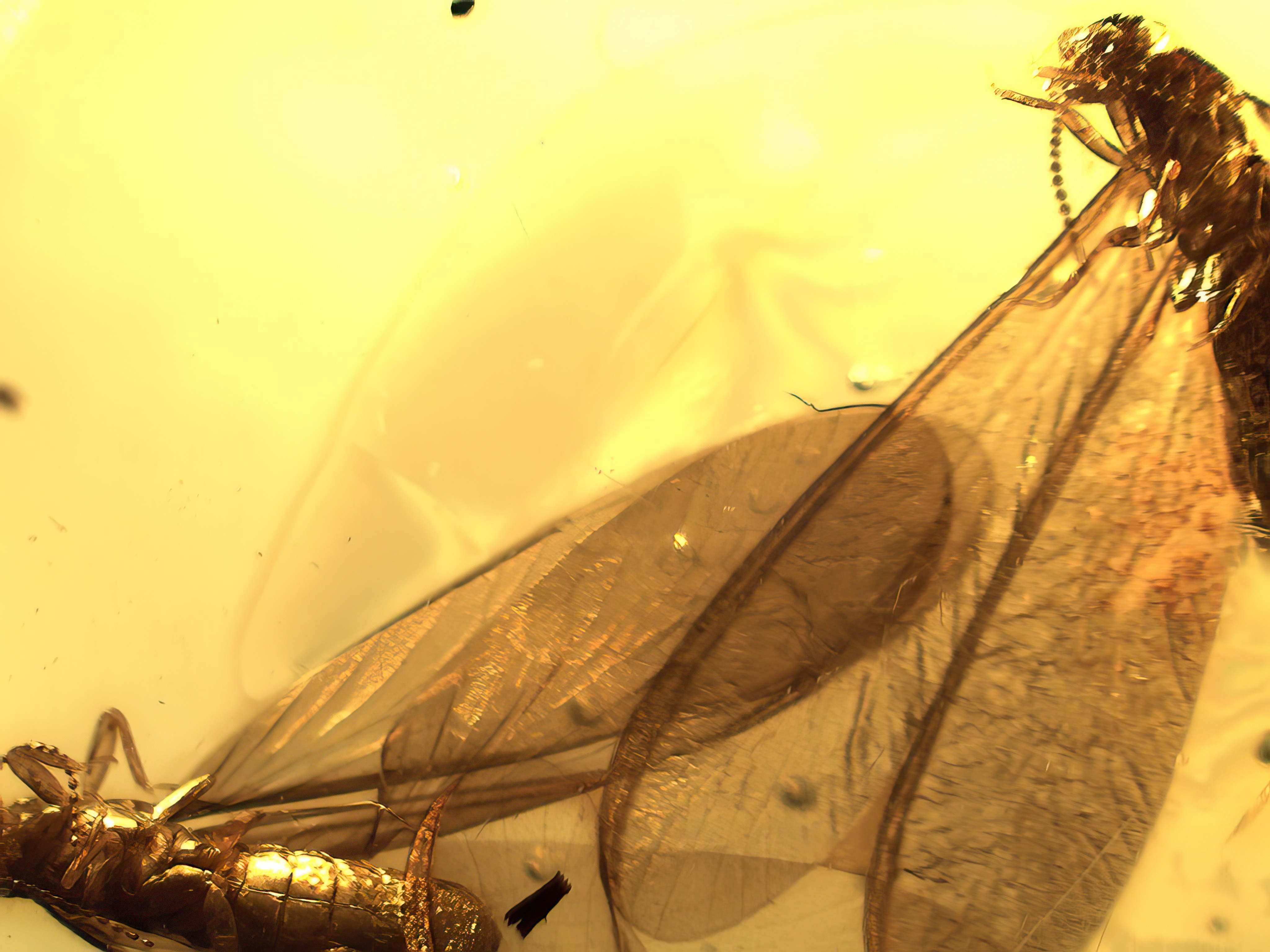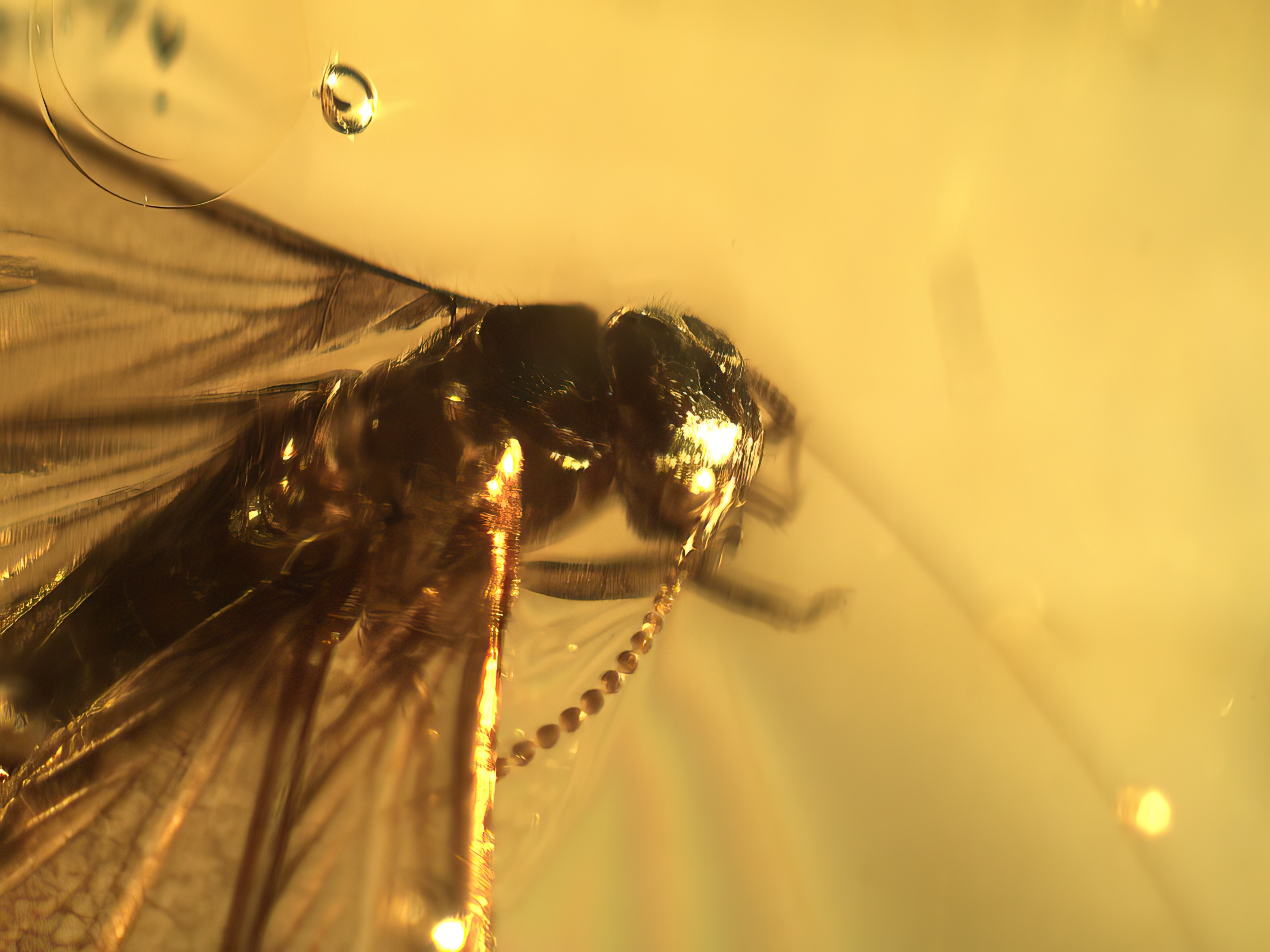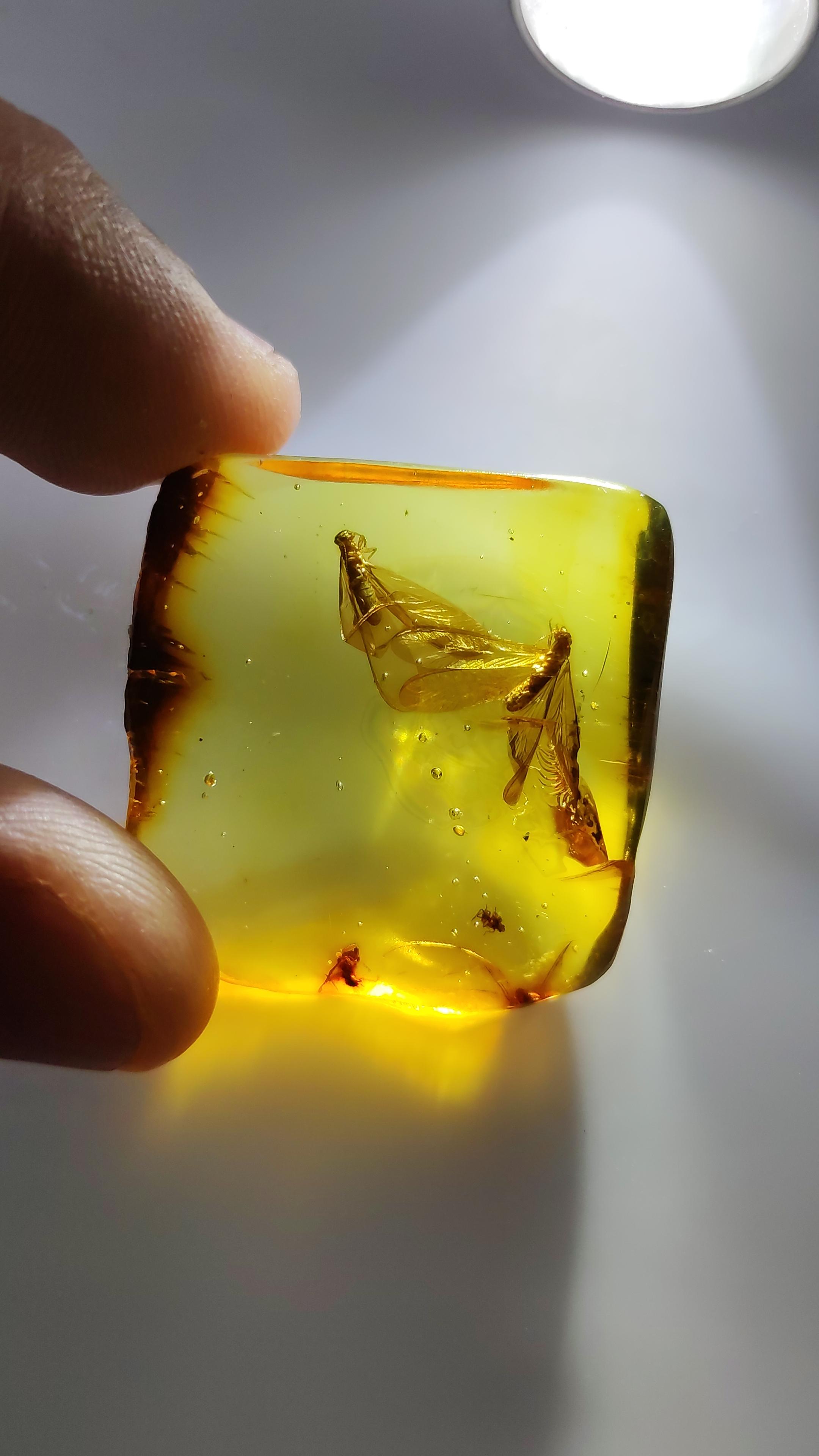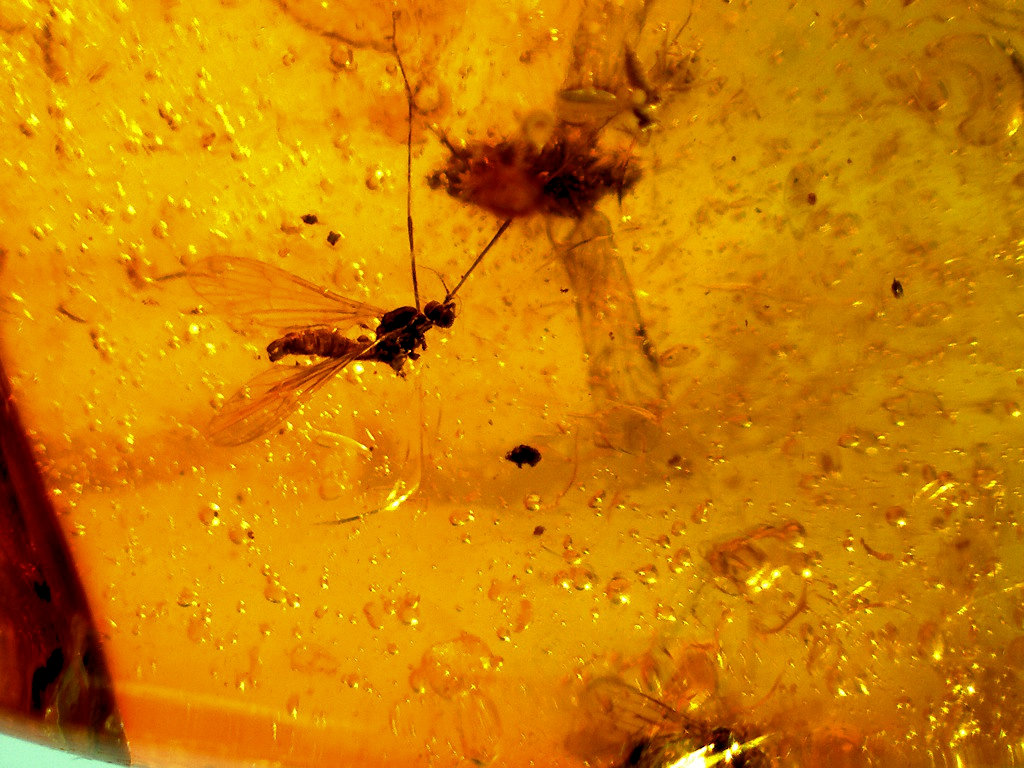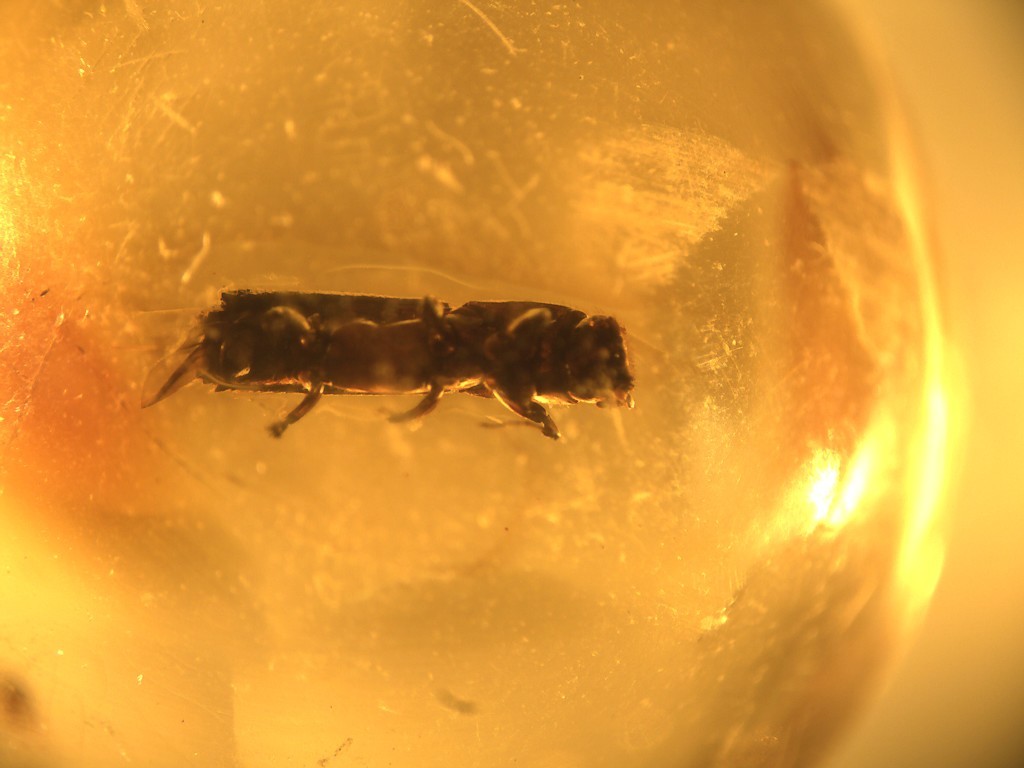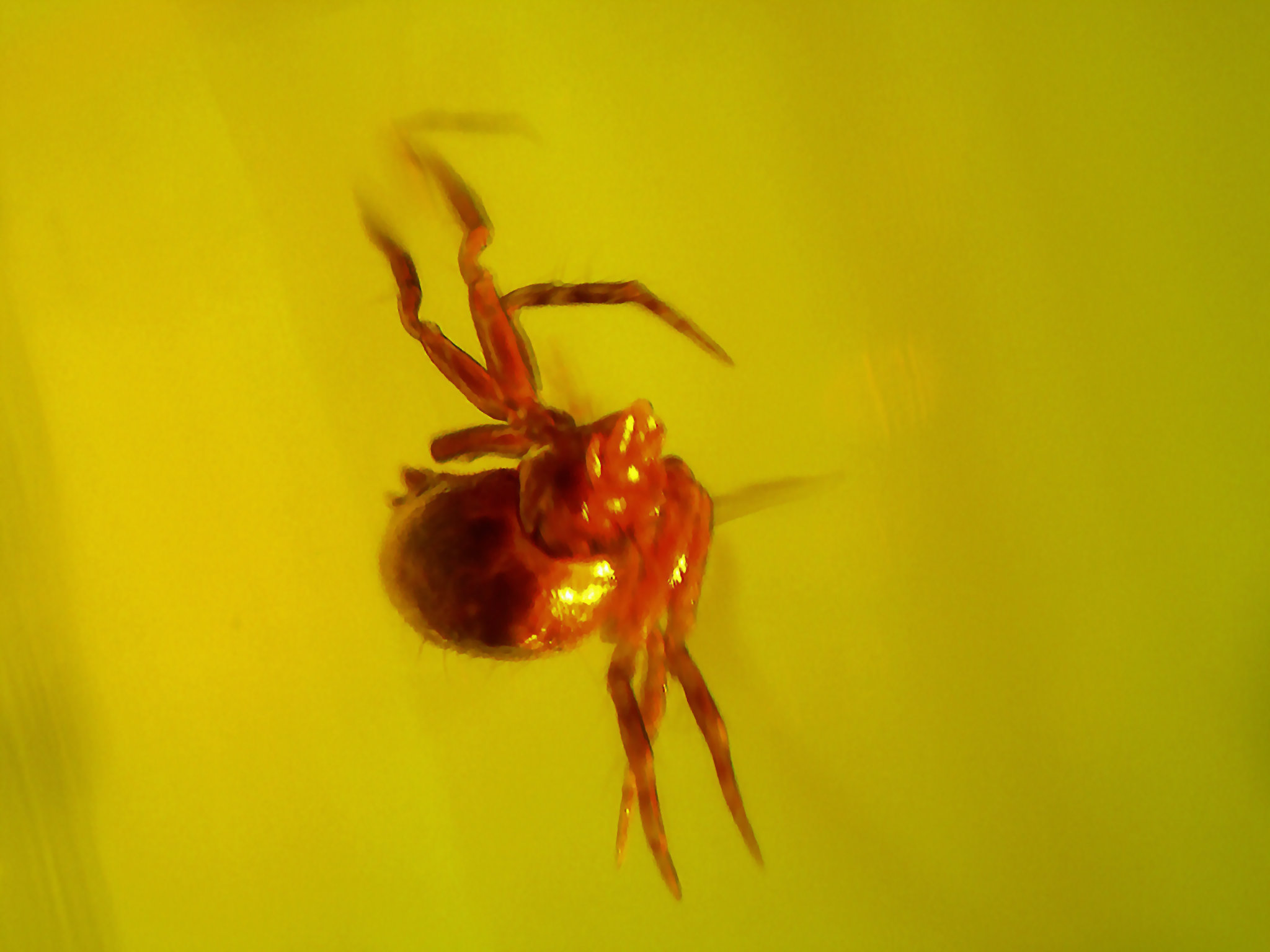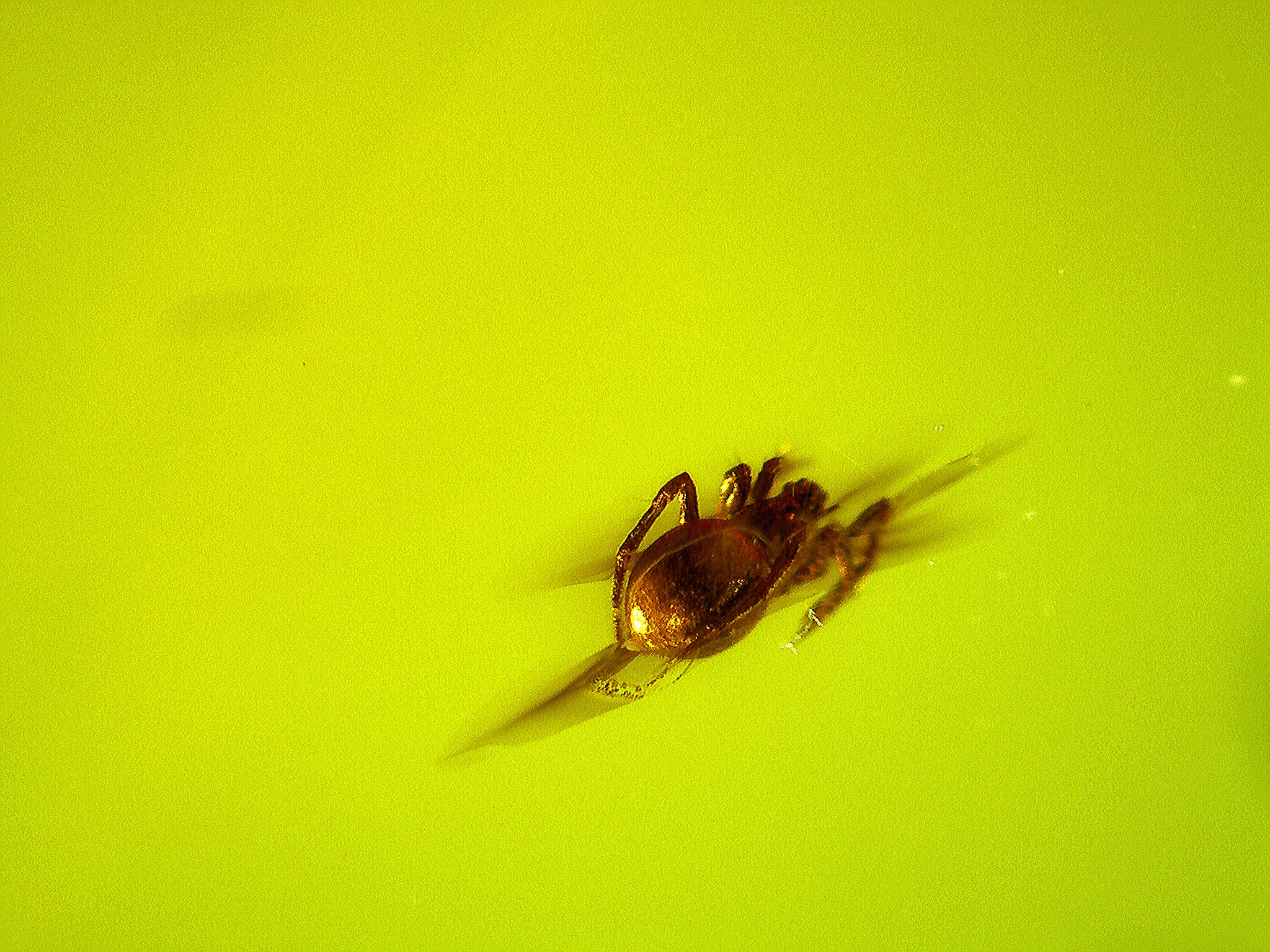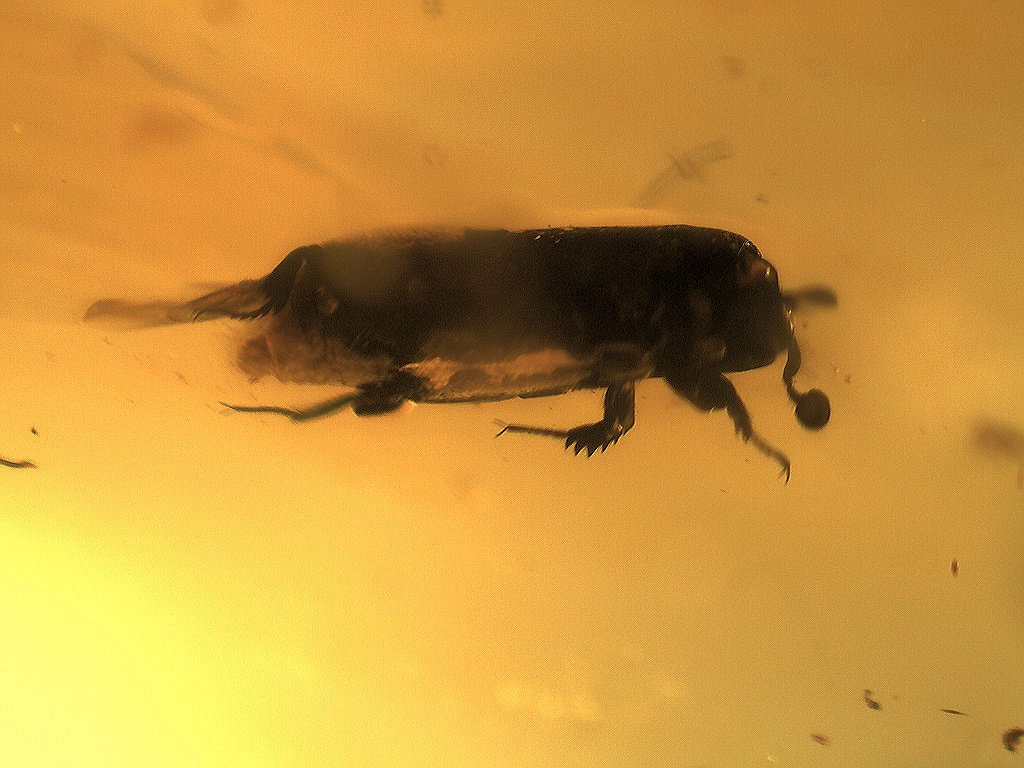
Item 31
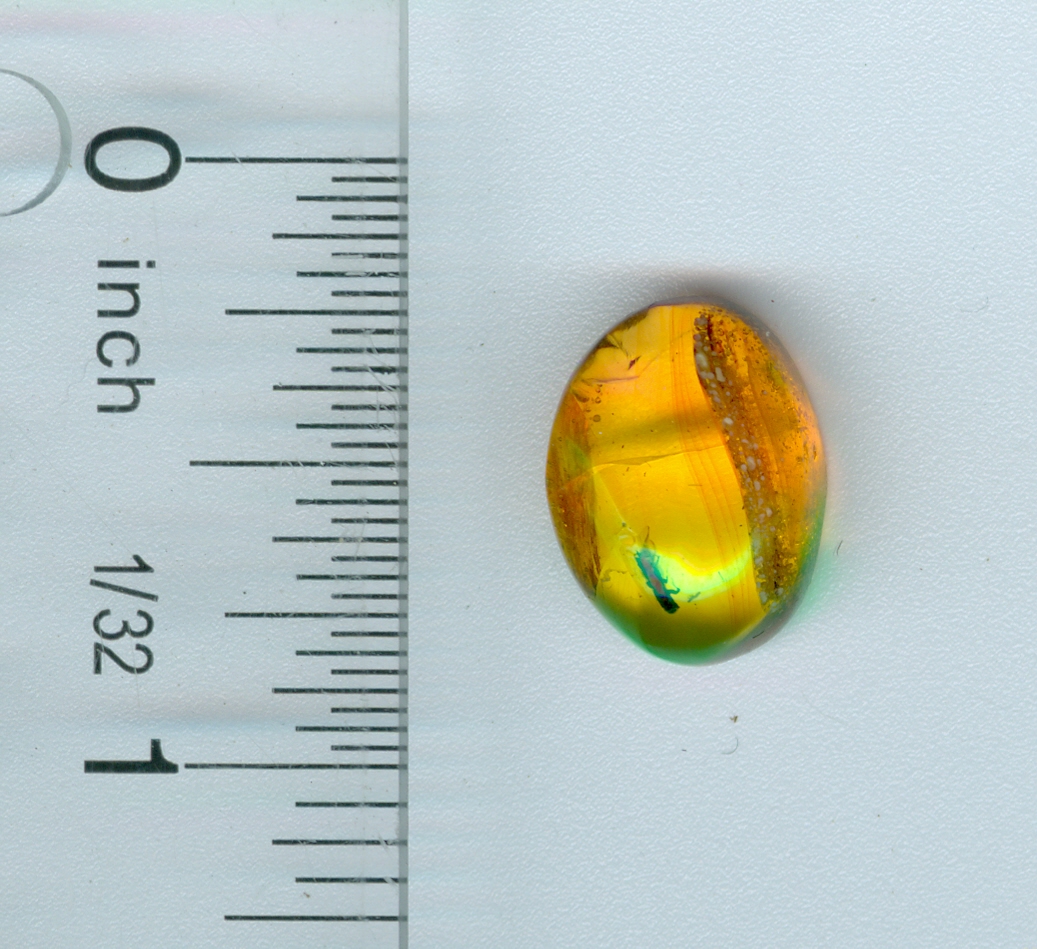
Item 32
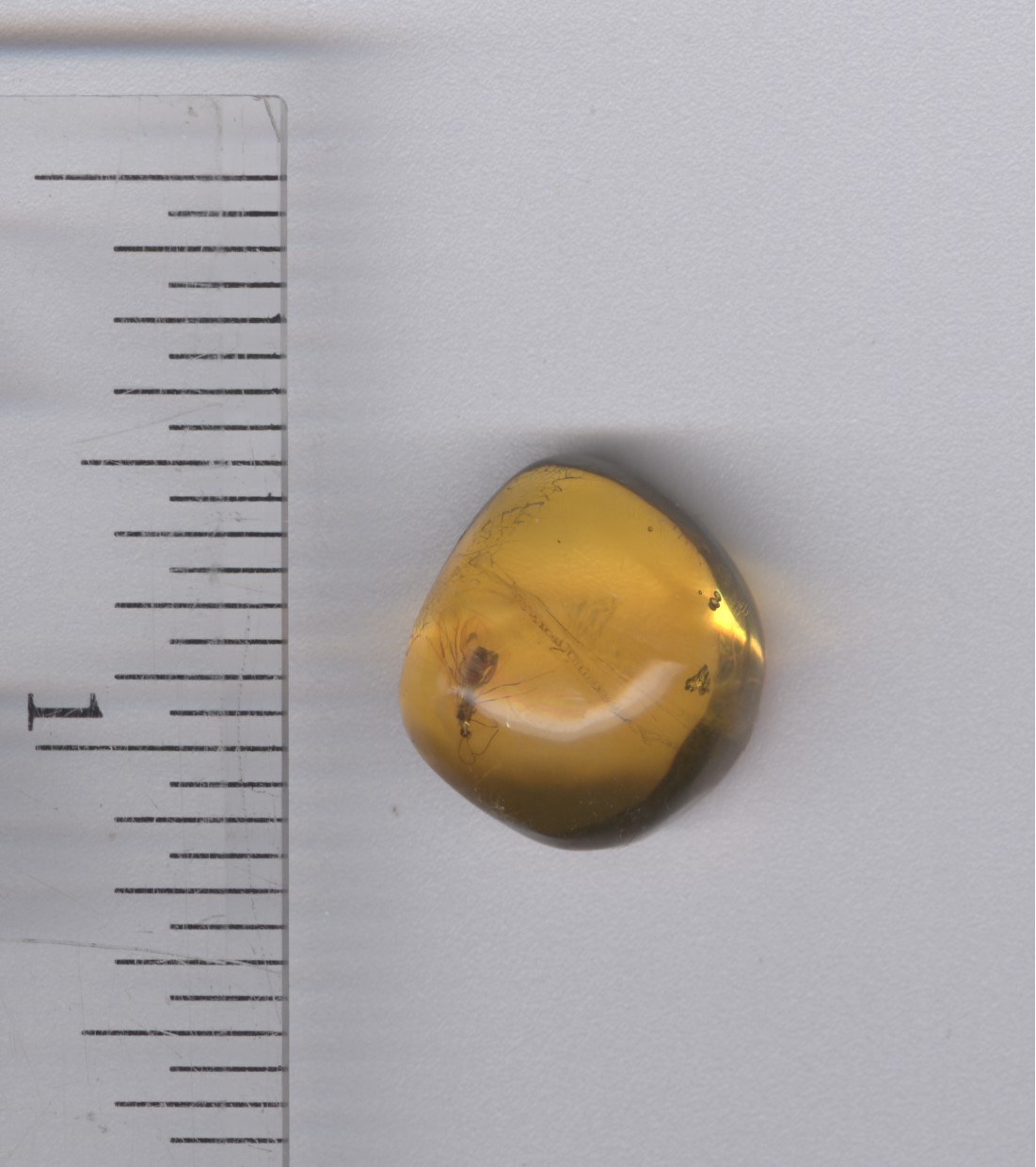
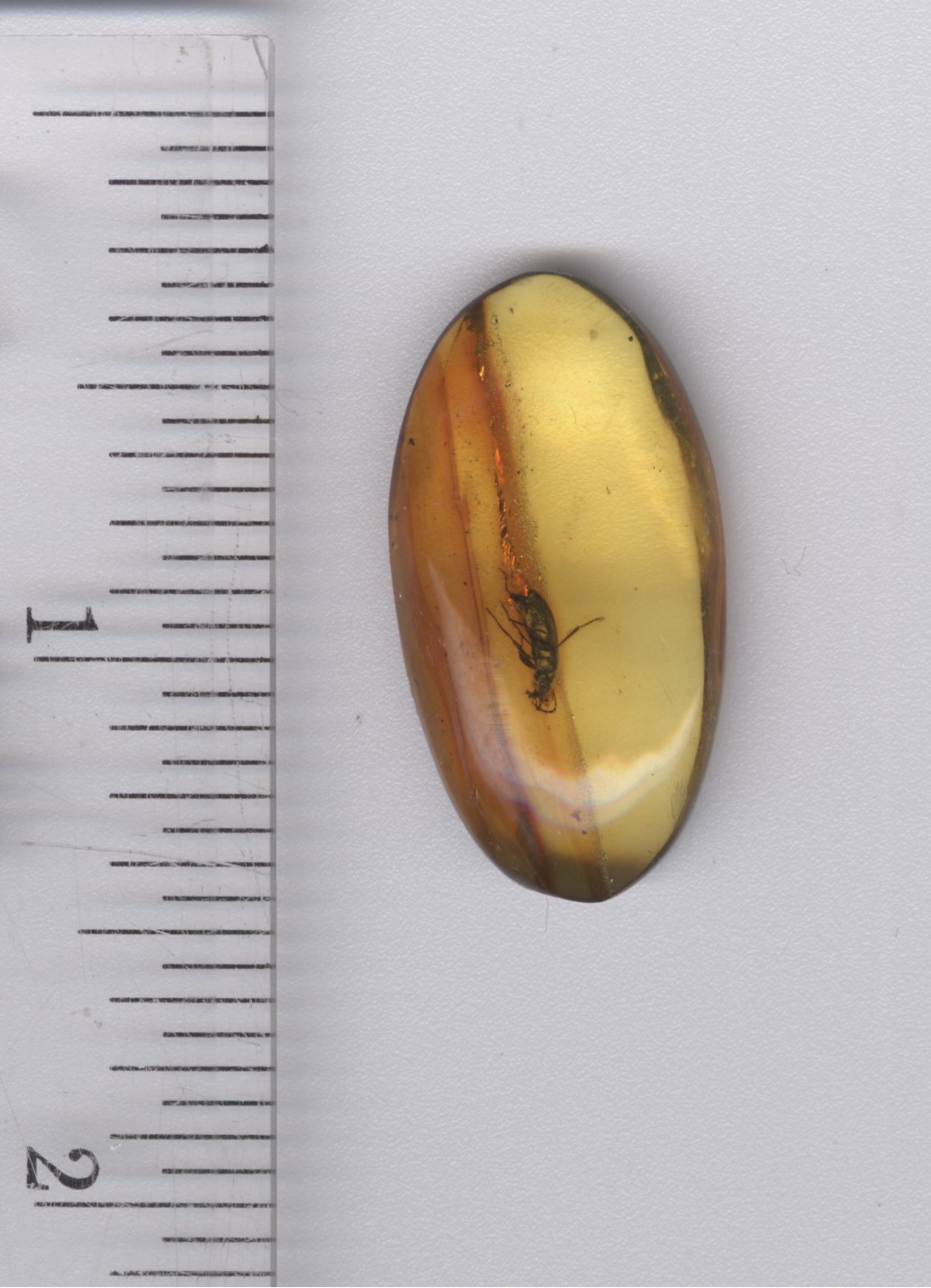
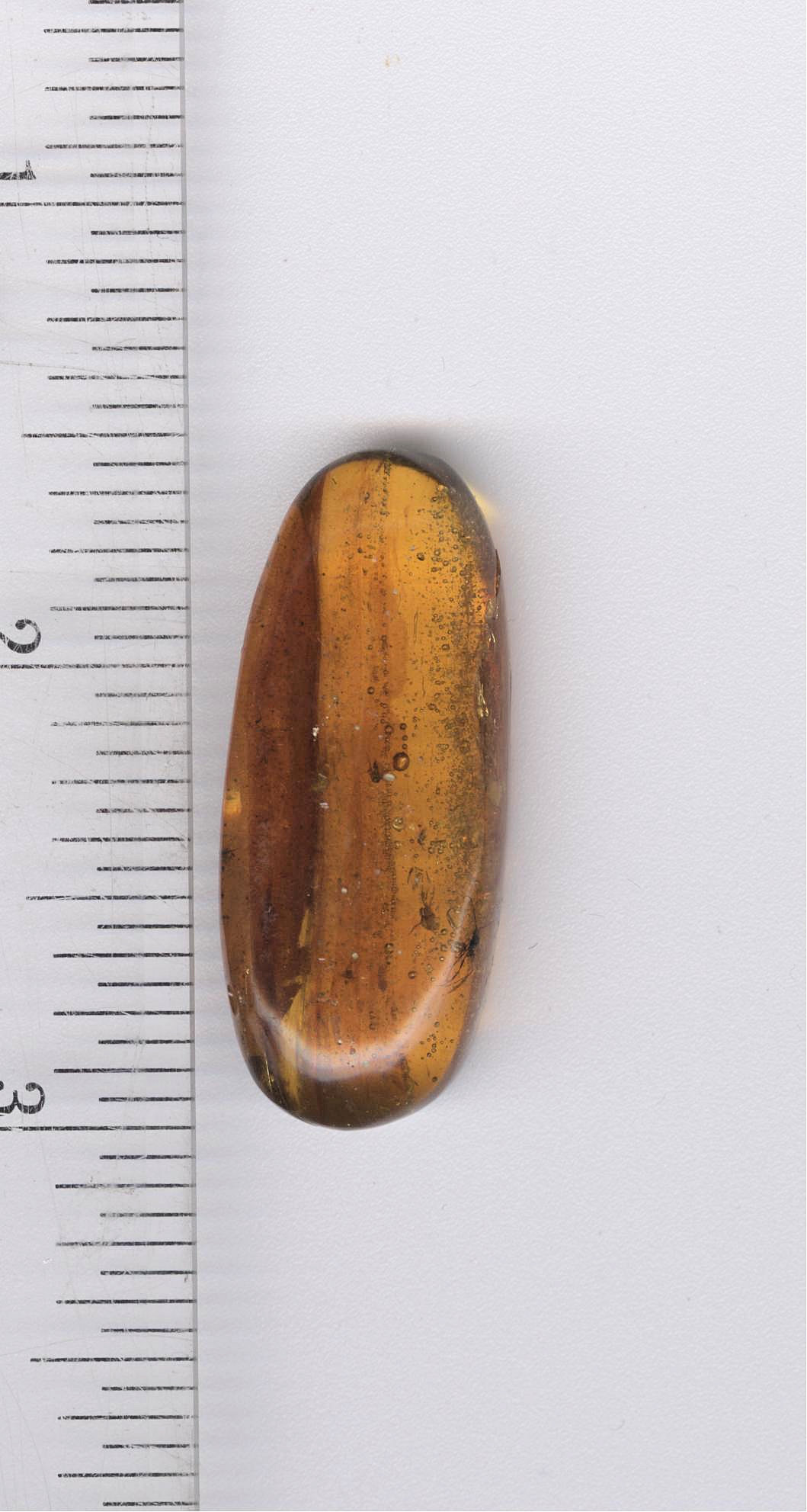
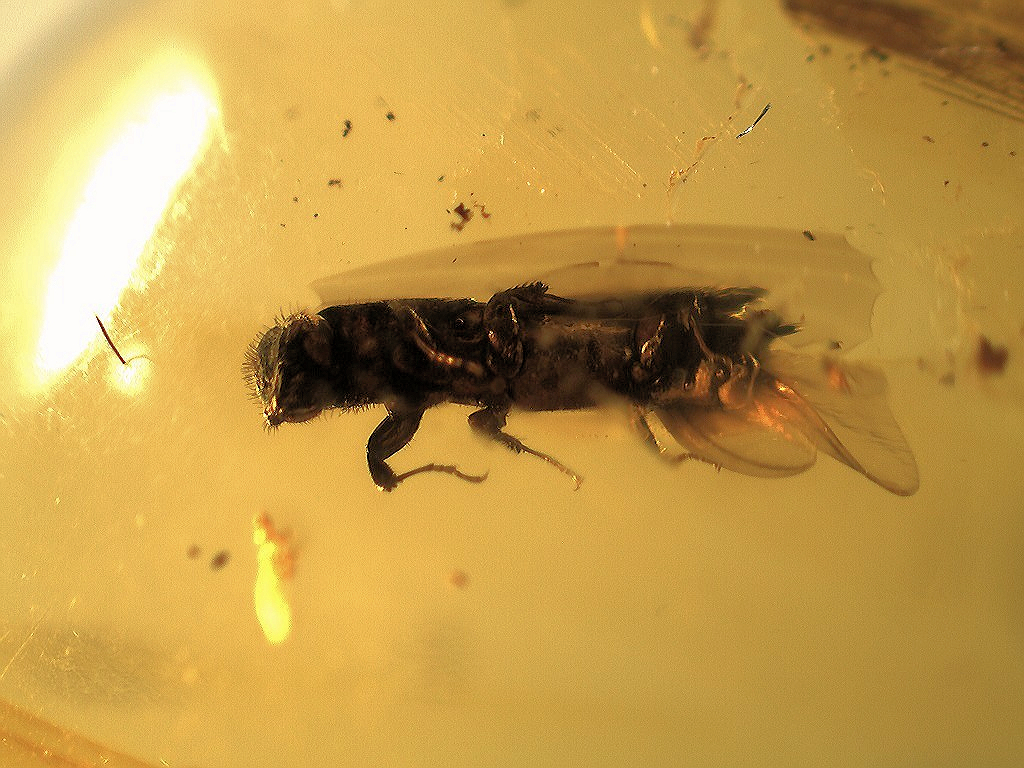
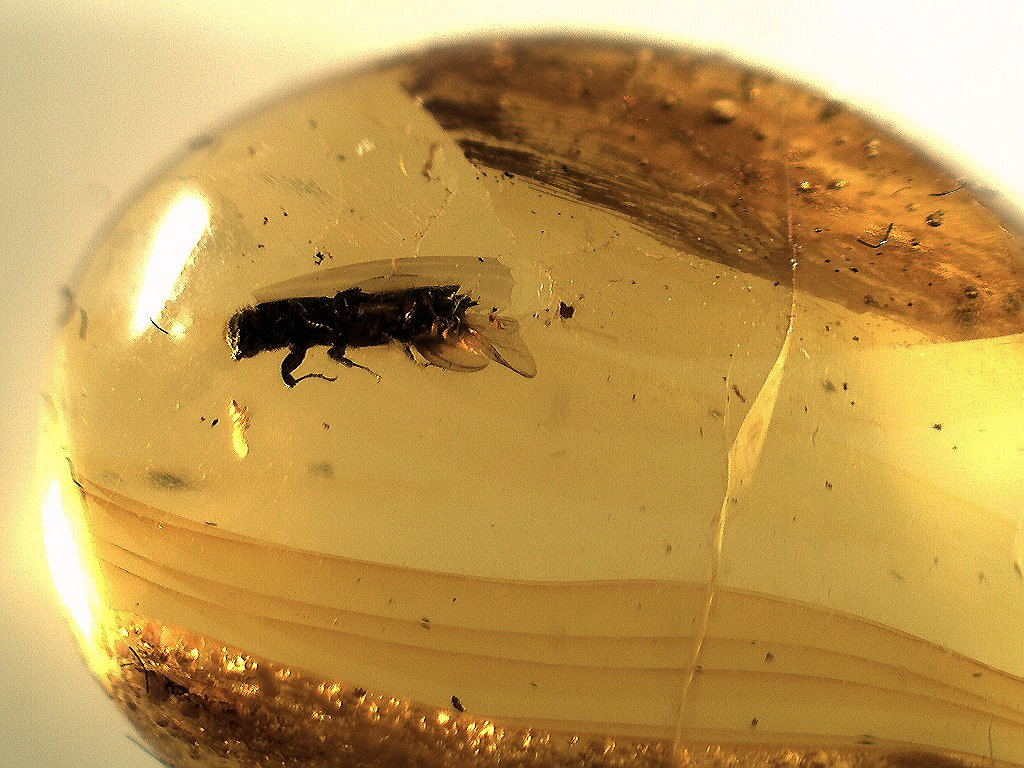
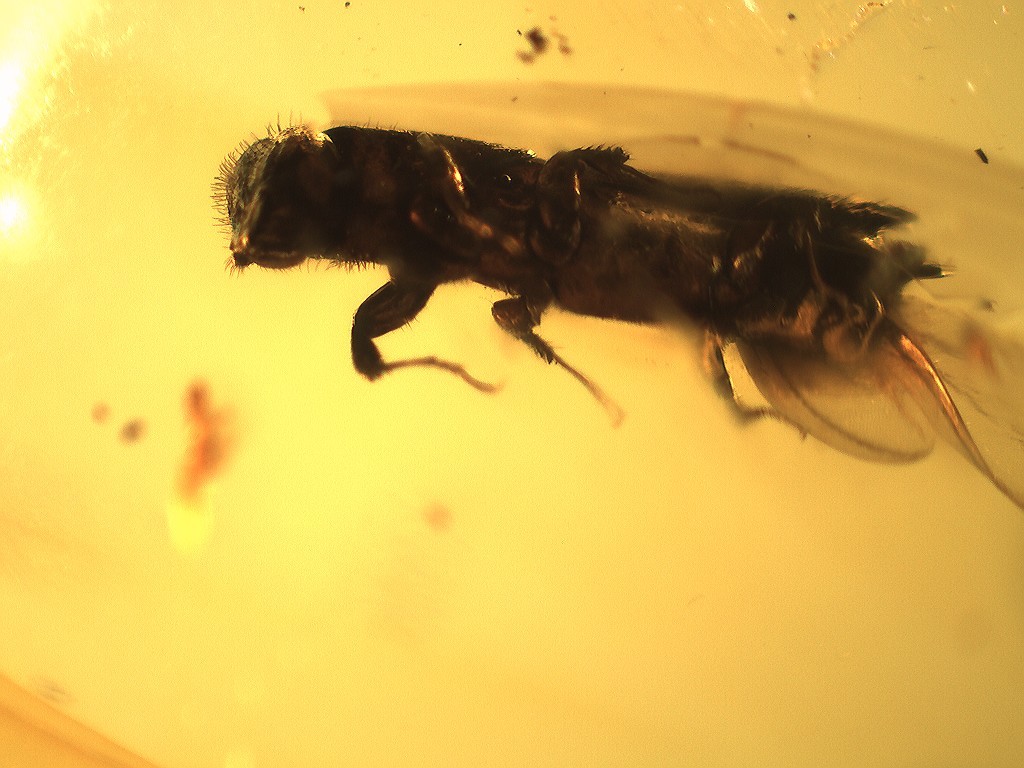
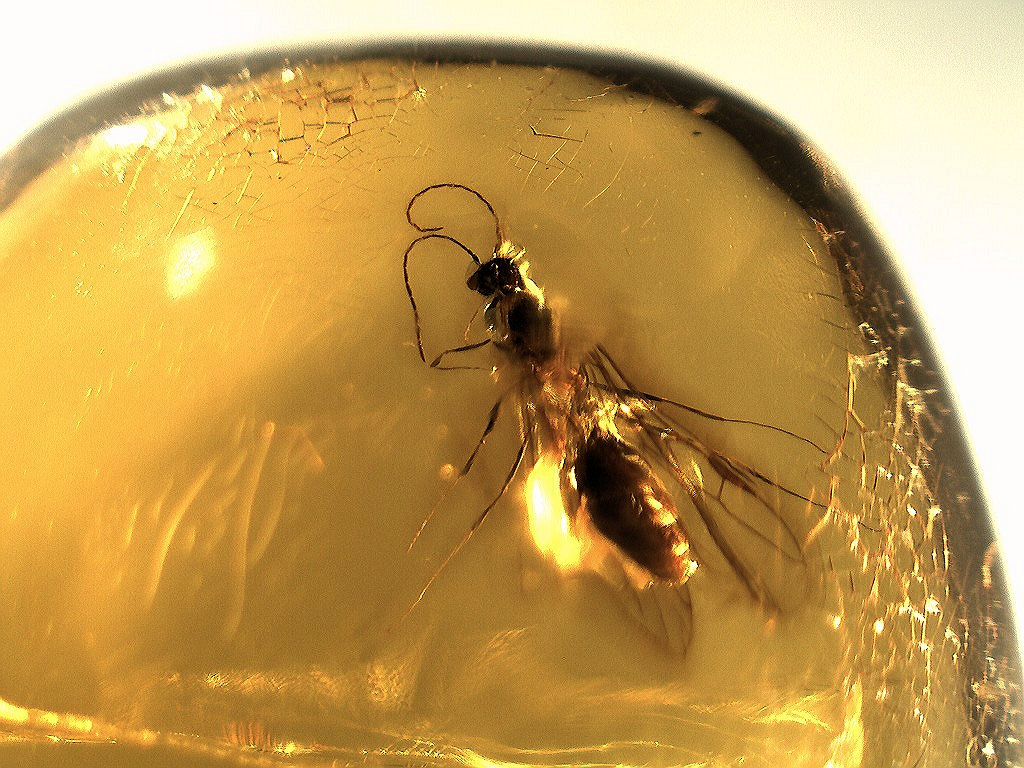
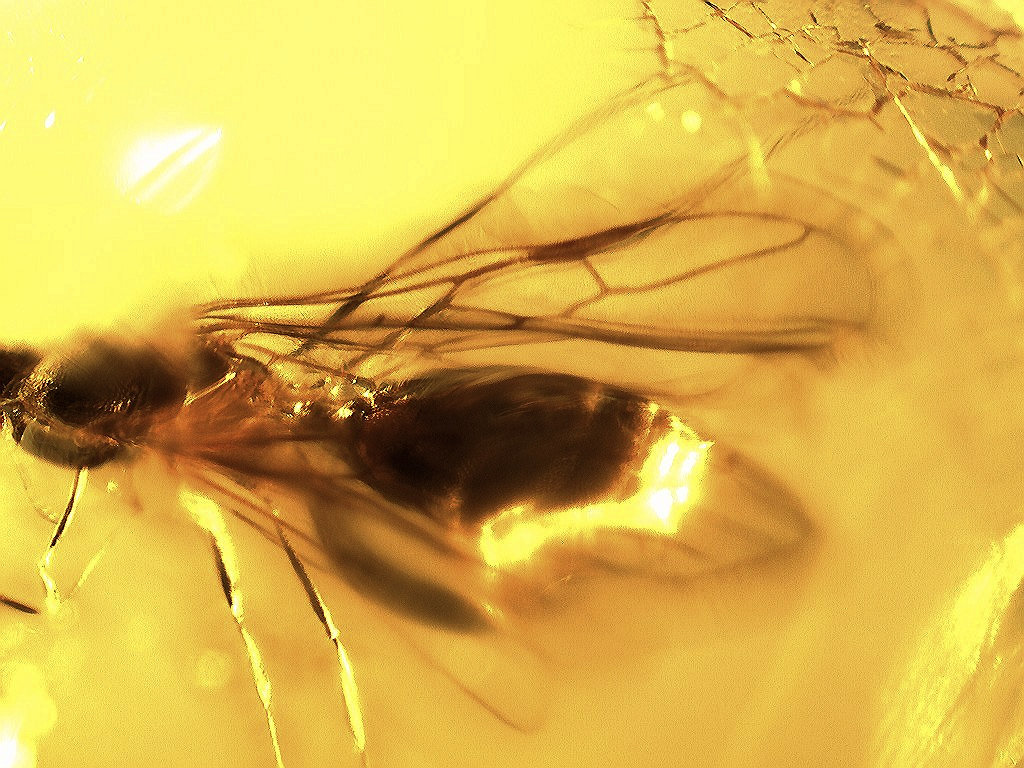
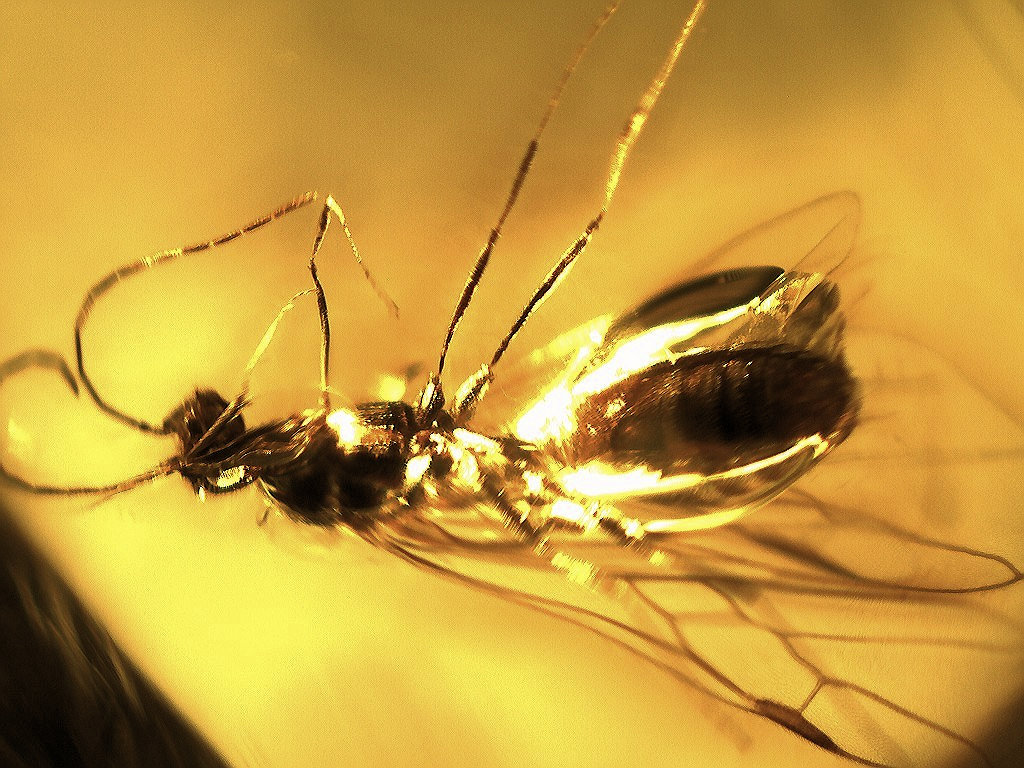
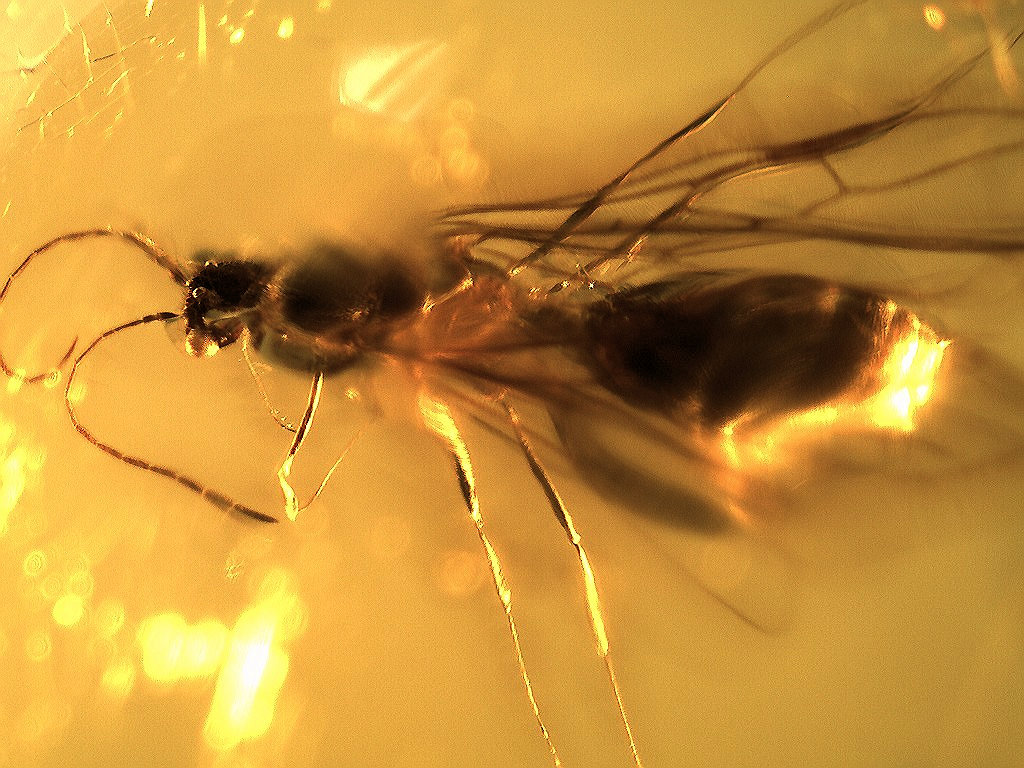
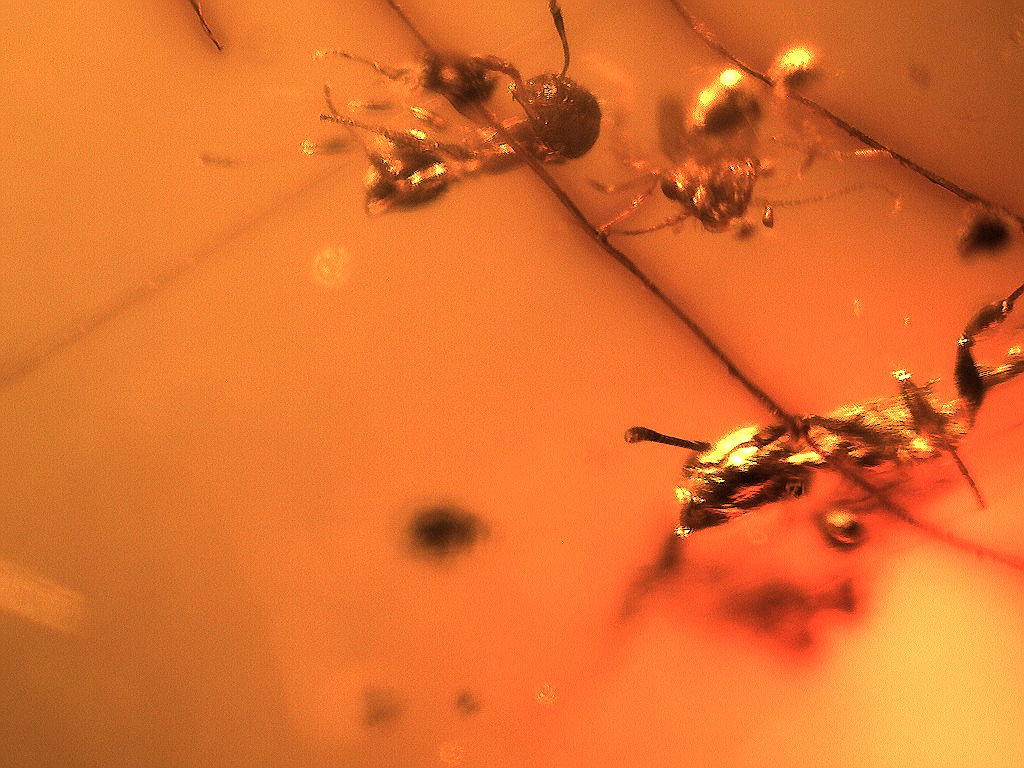
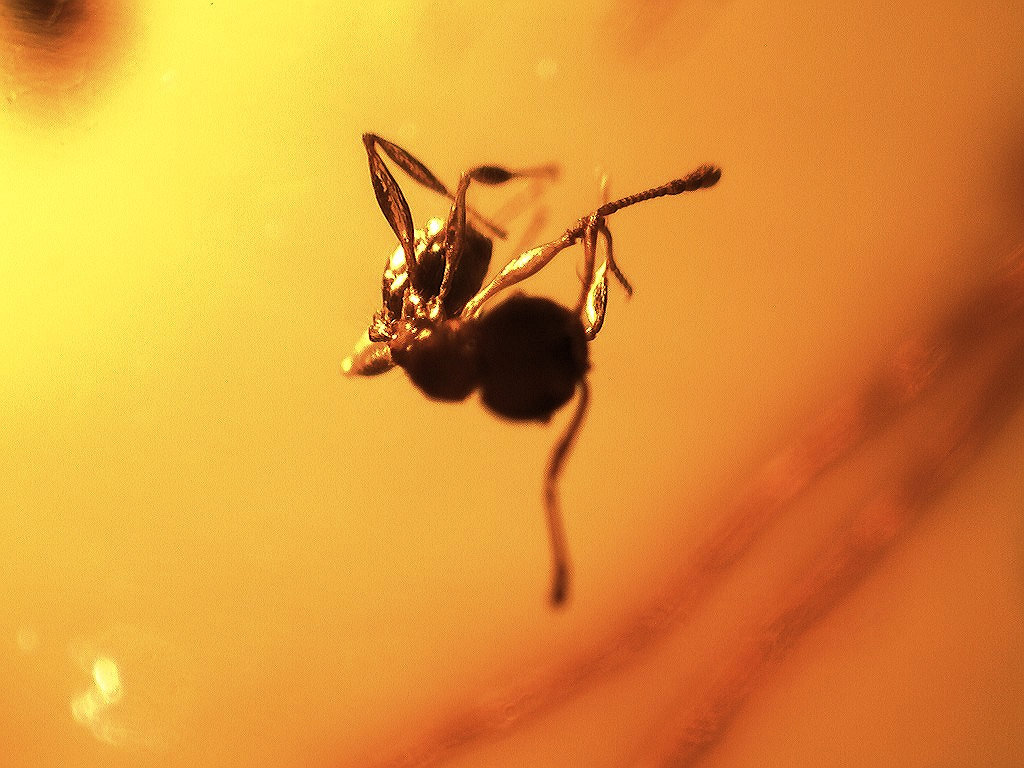
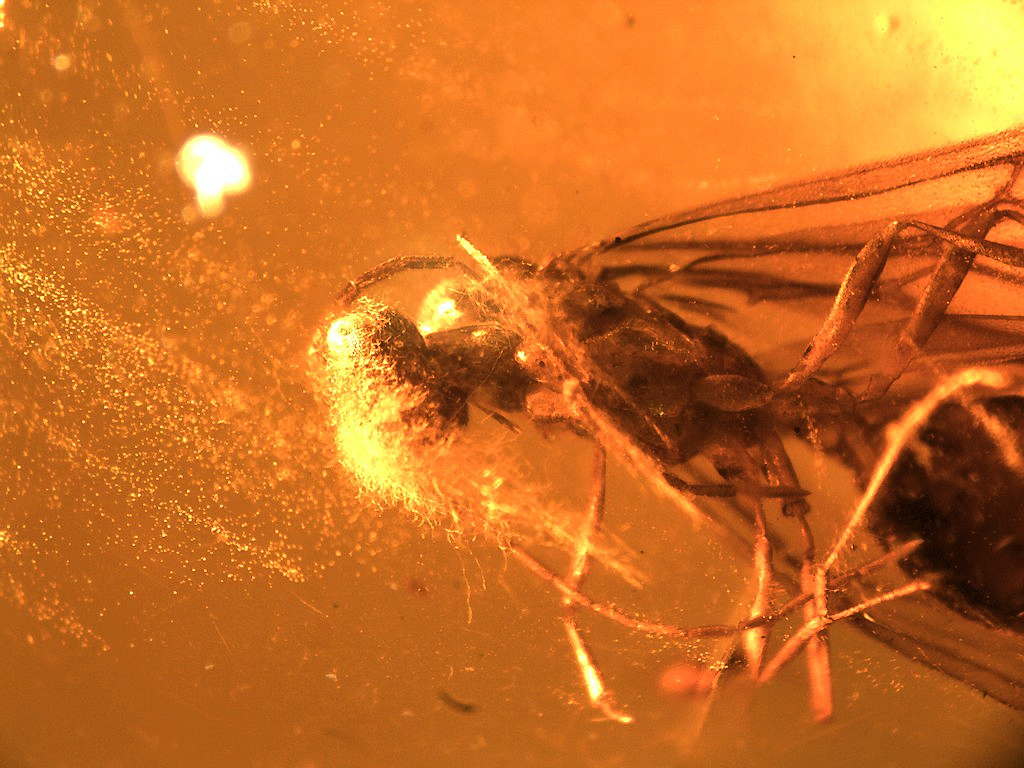
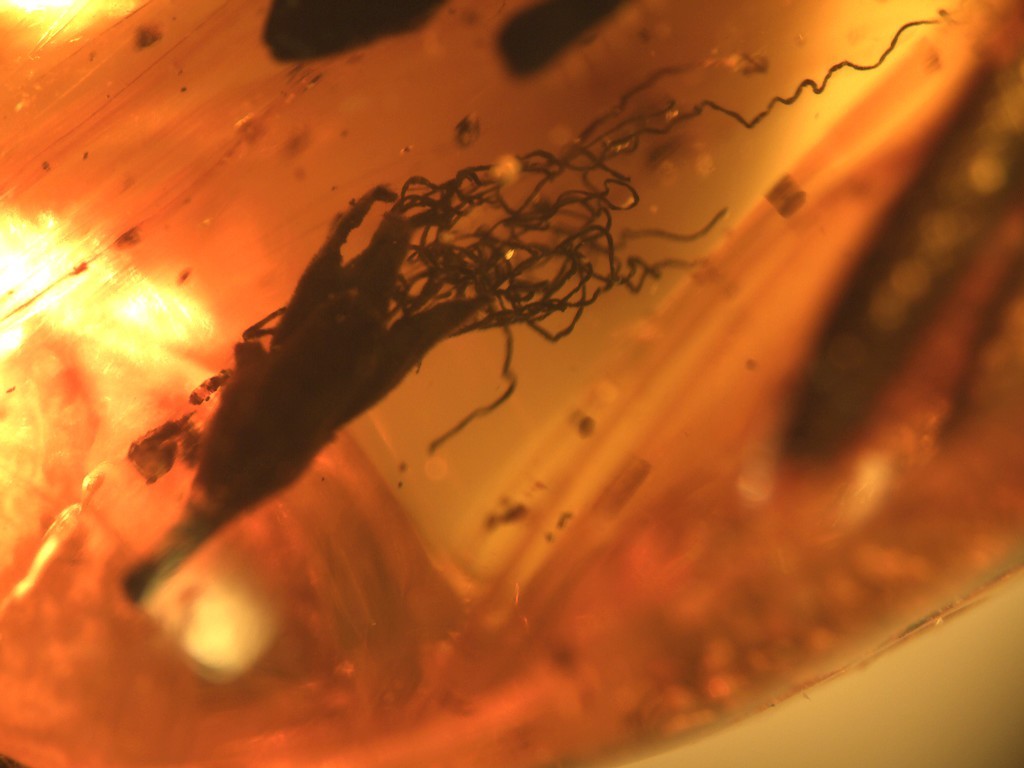
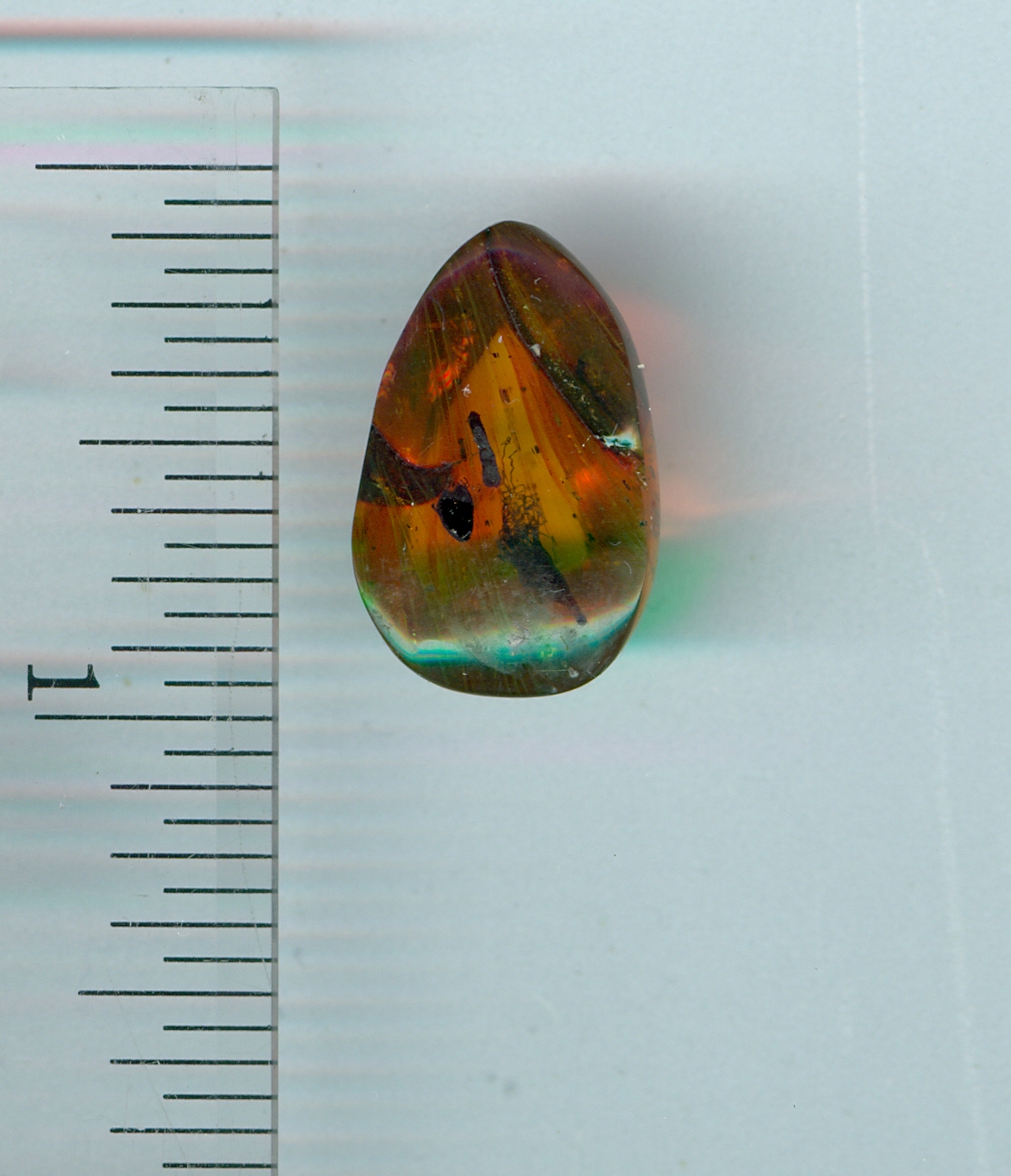
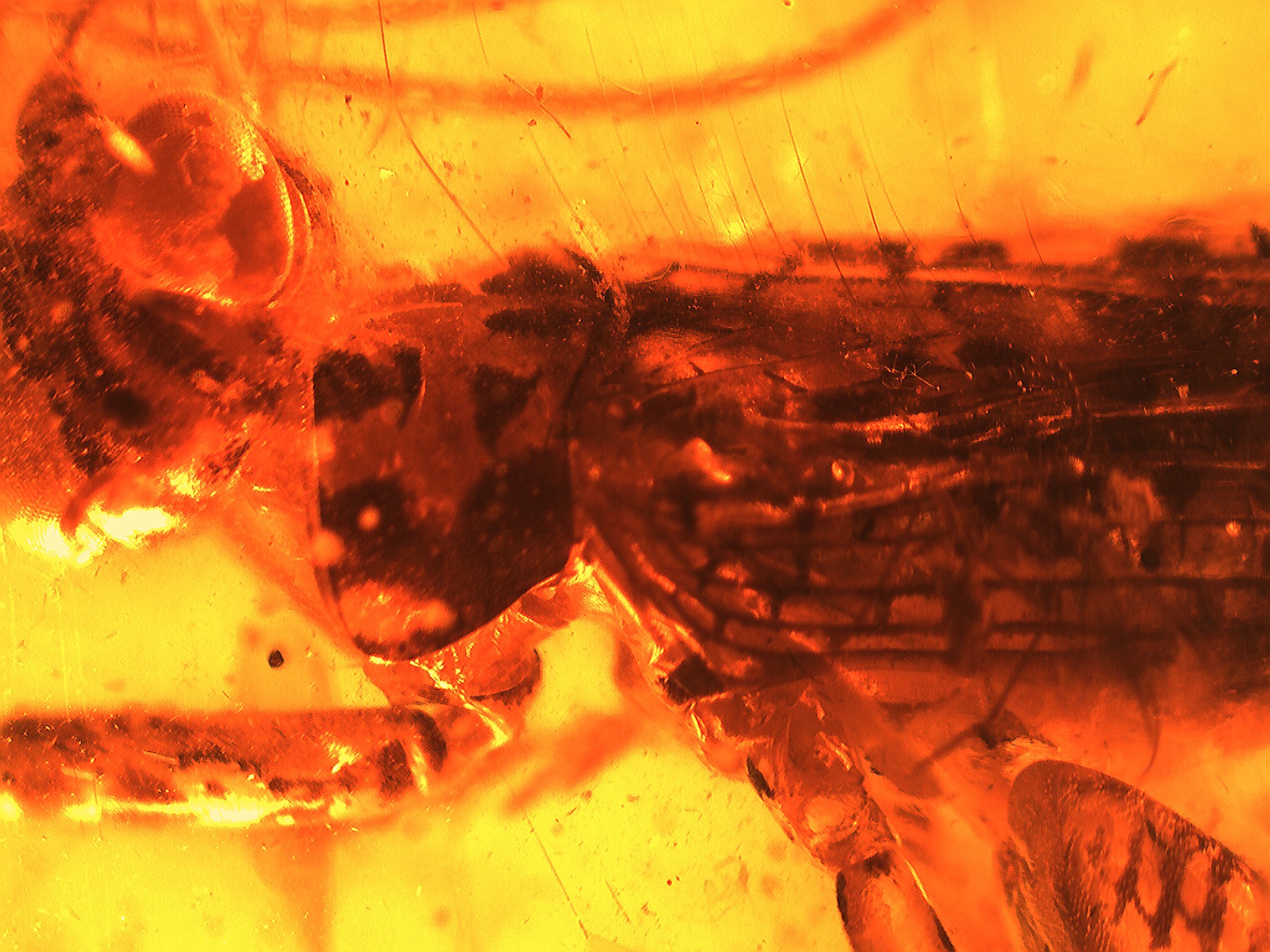
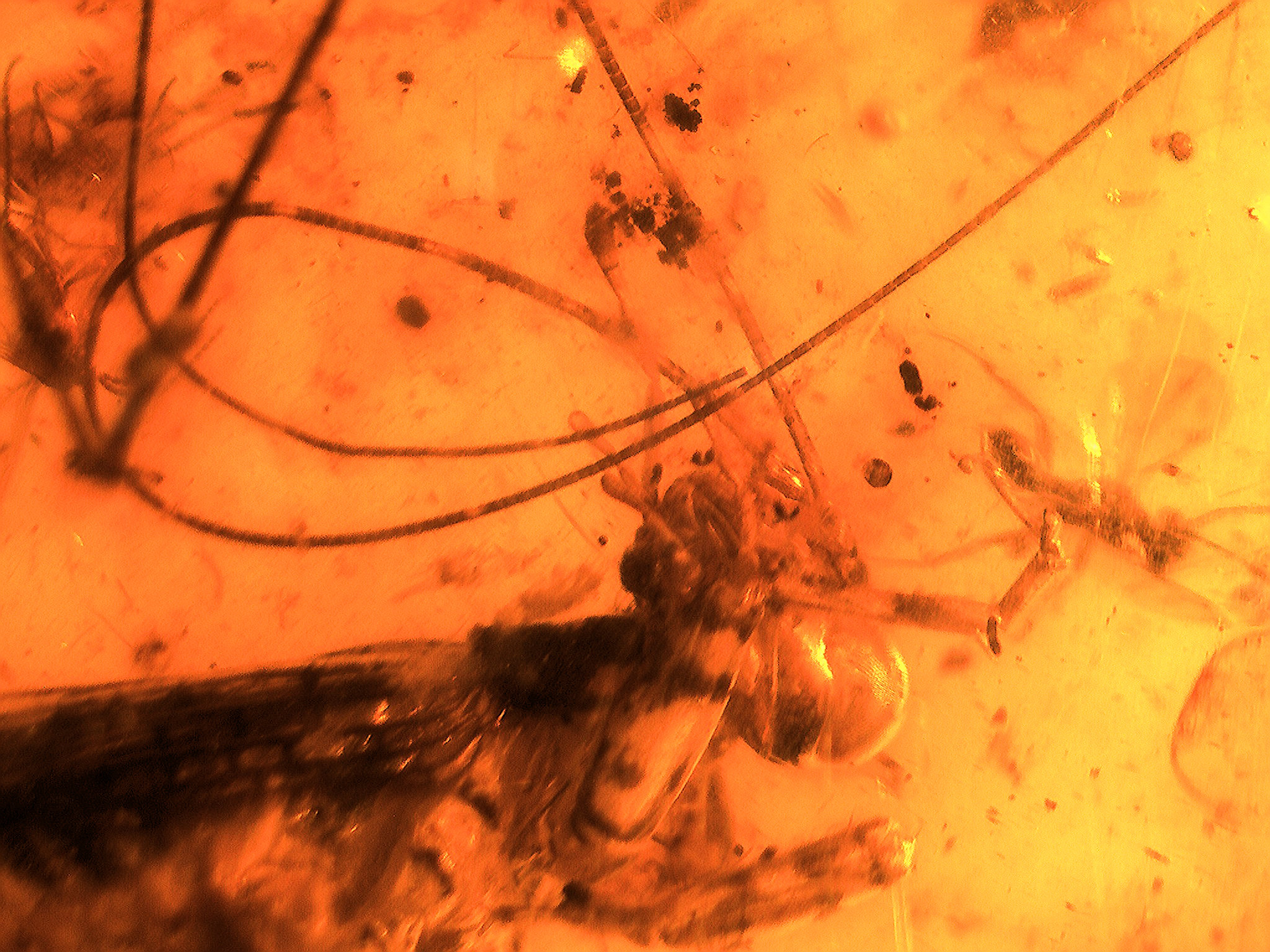
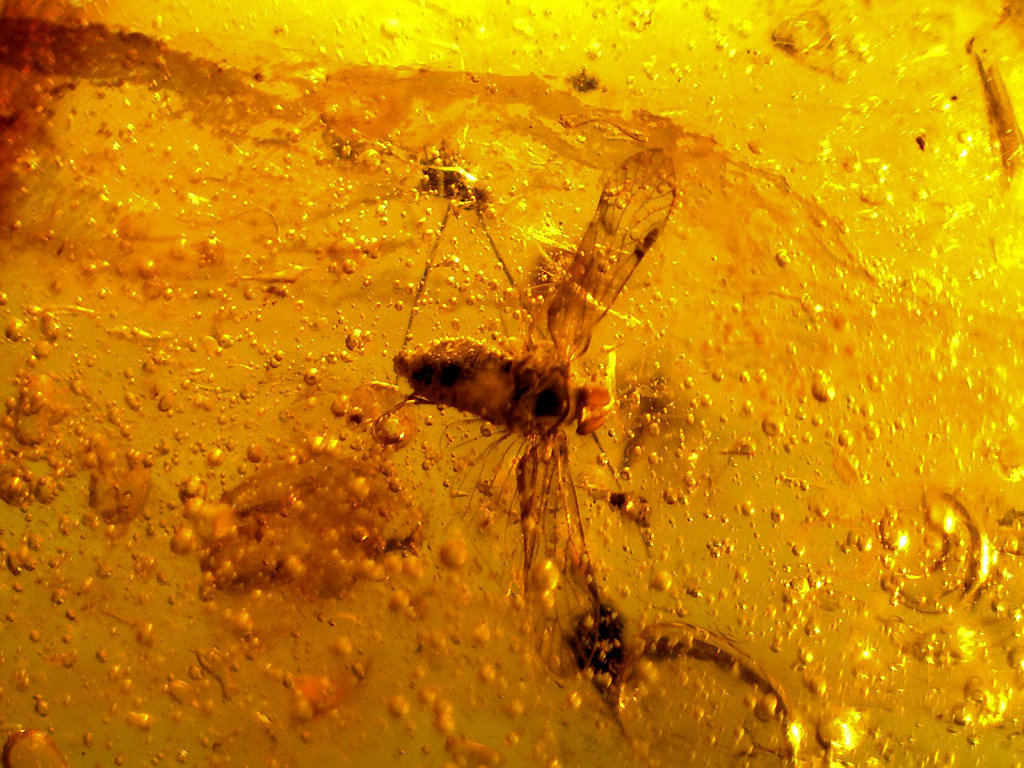
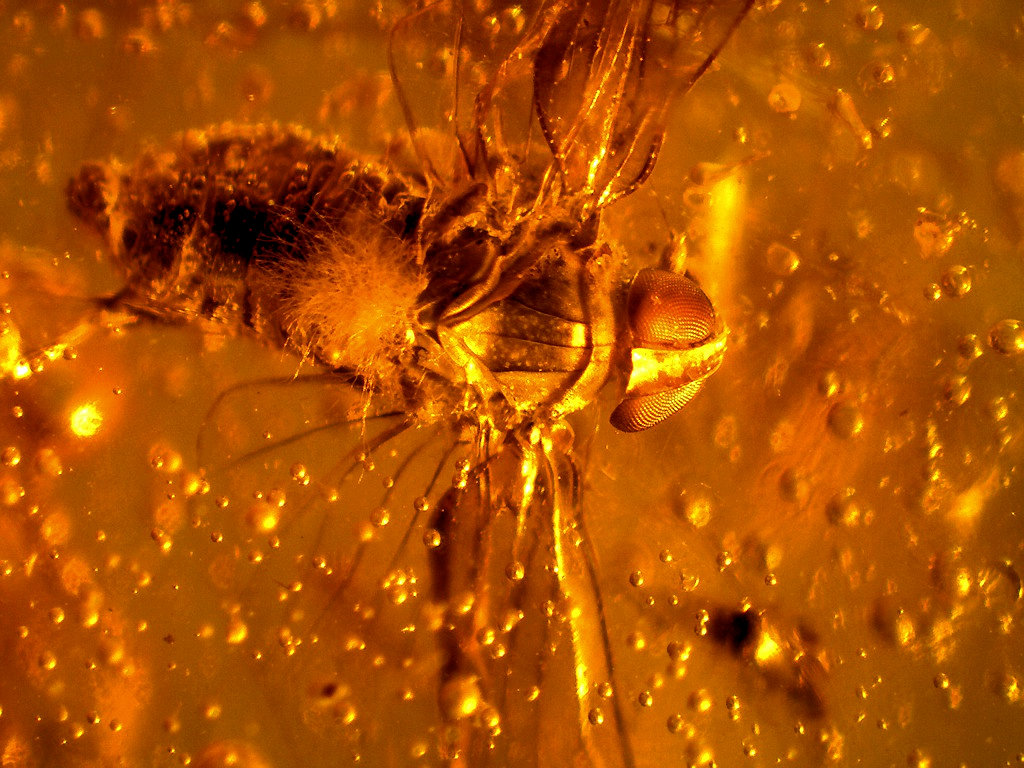
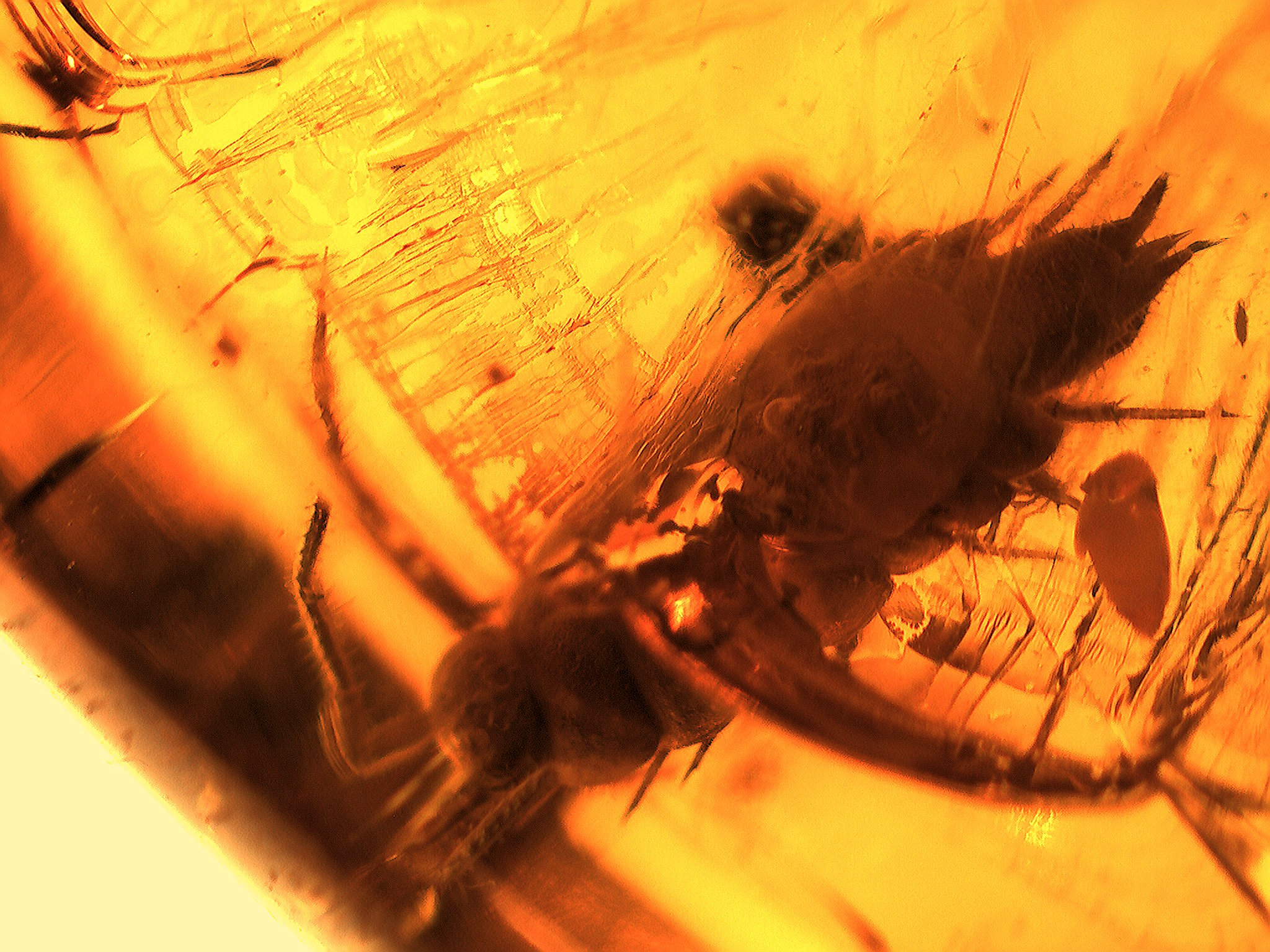
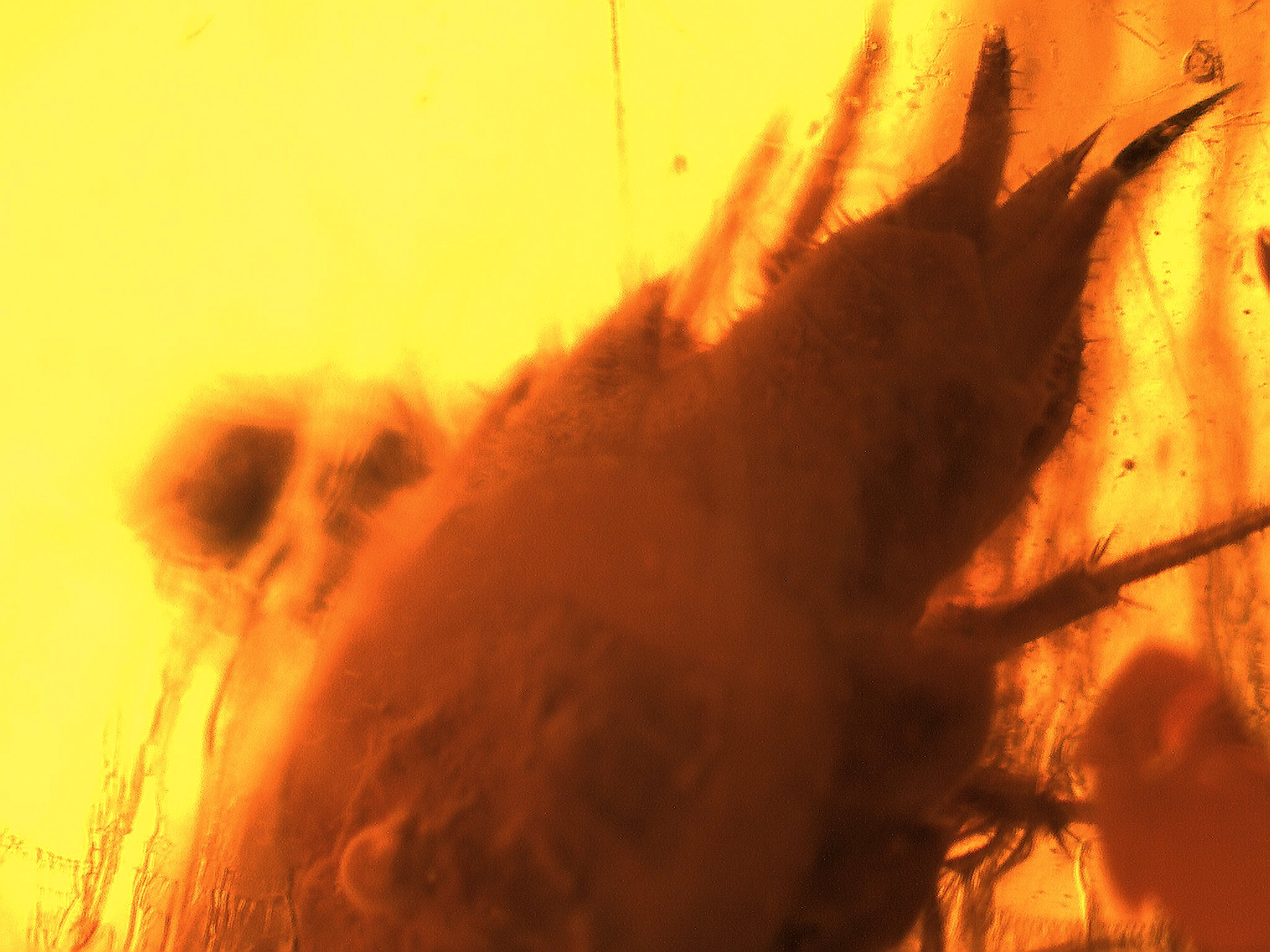
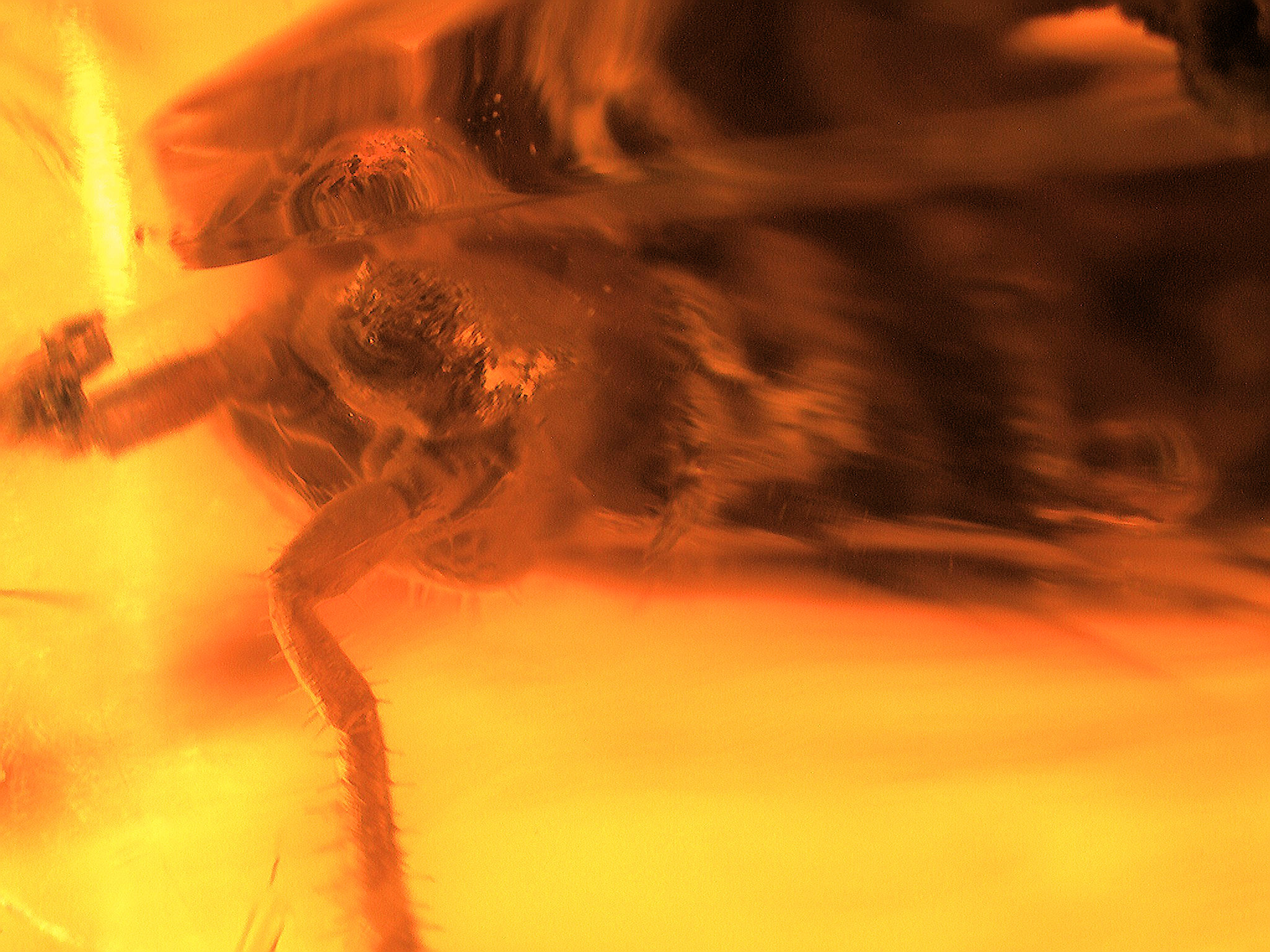
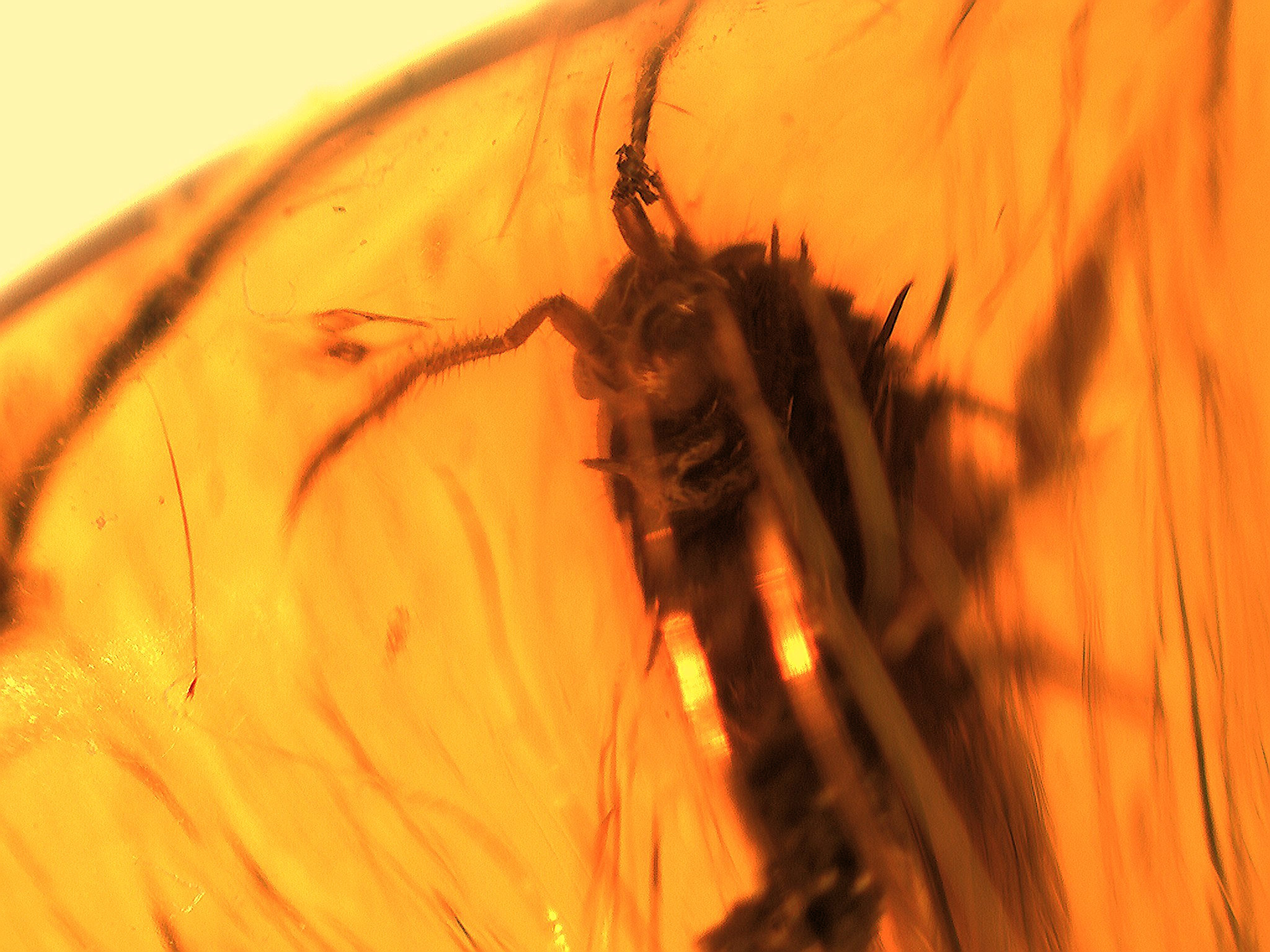
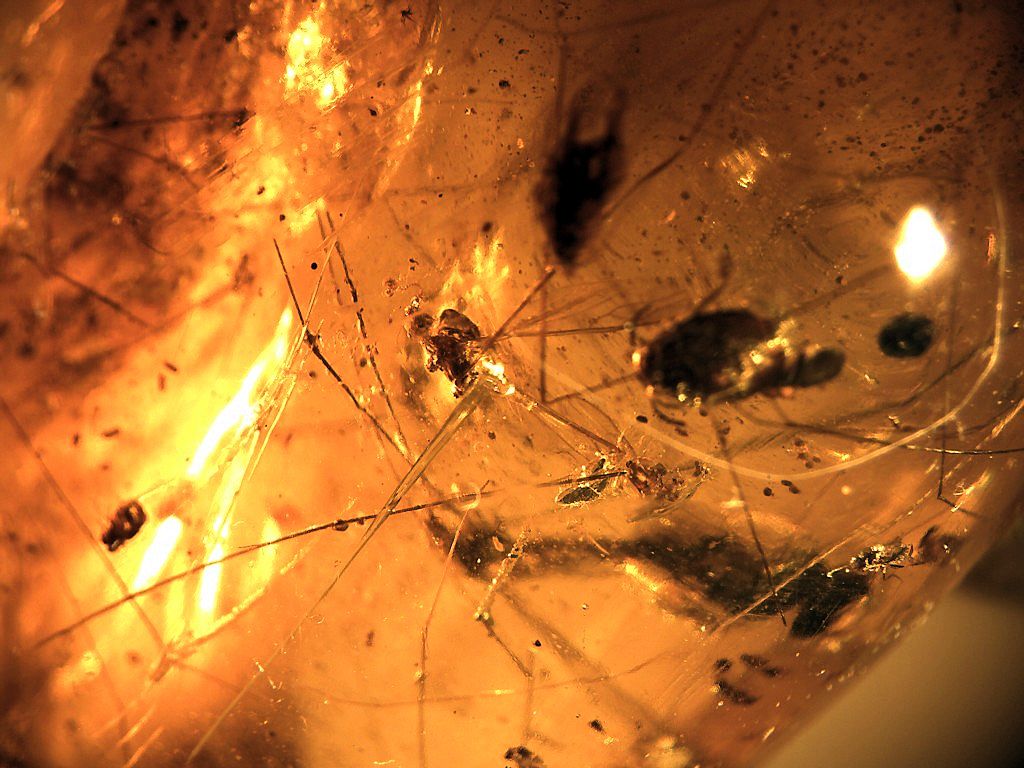
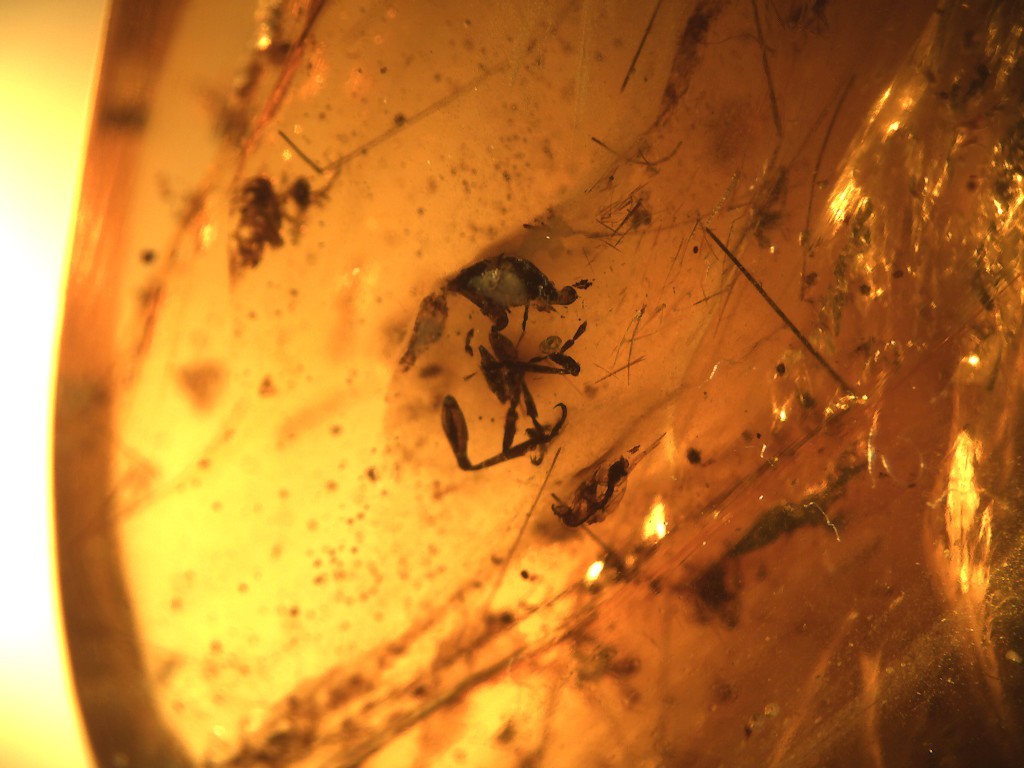
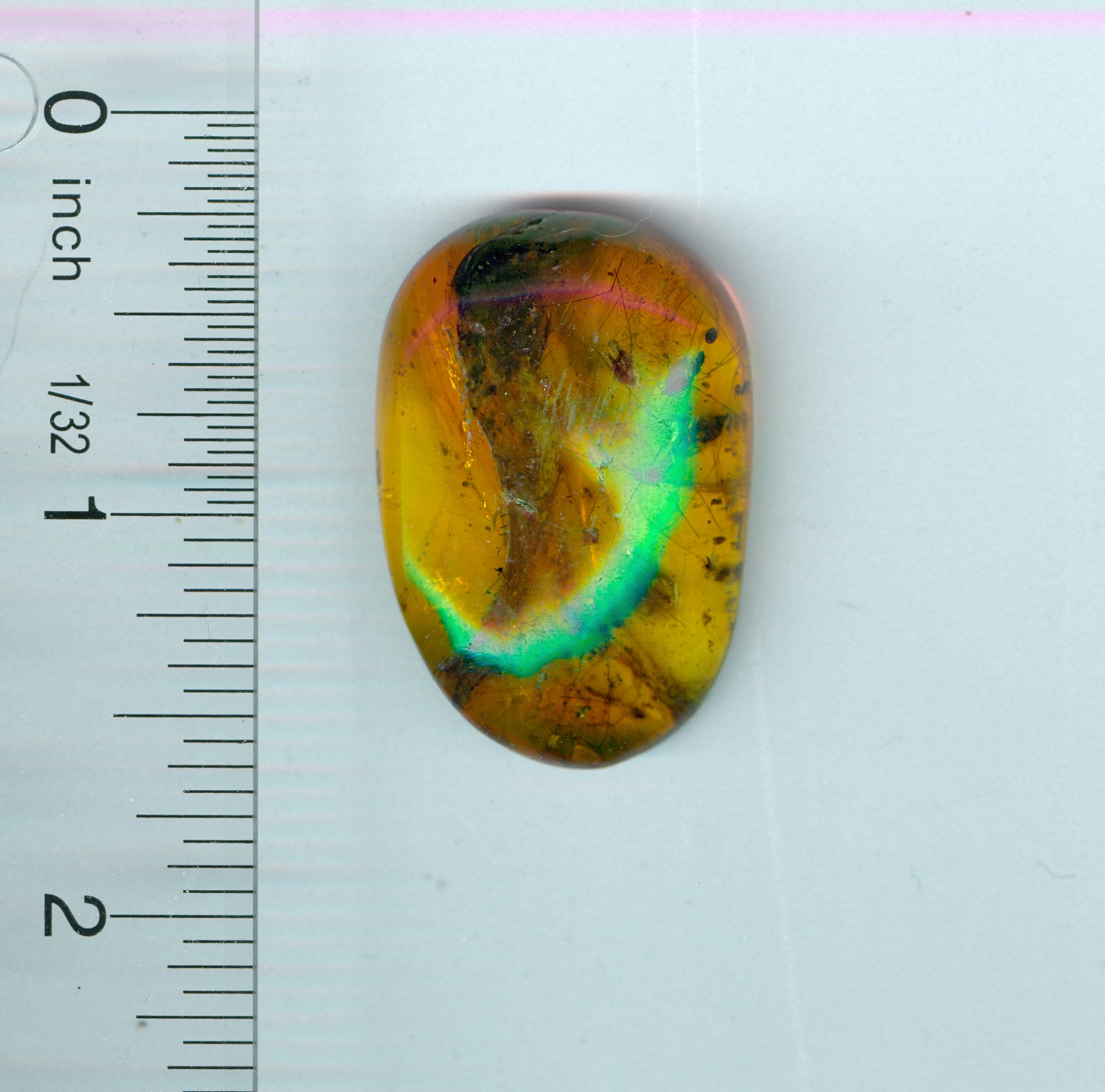
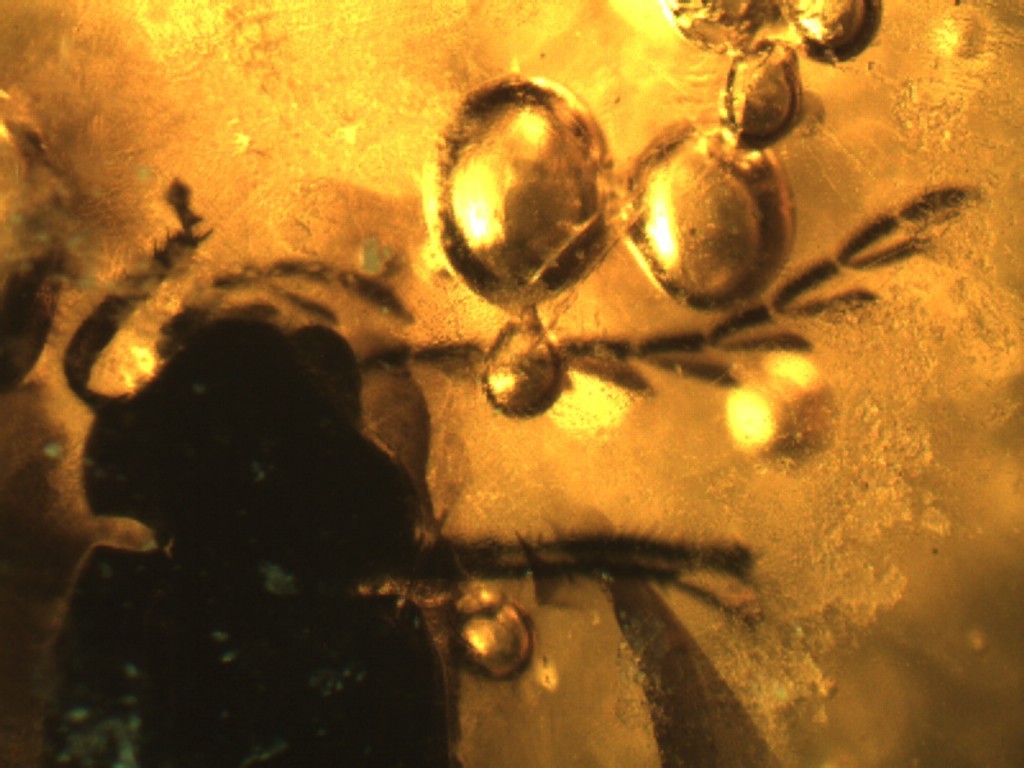
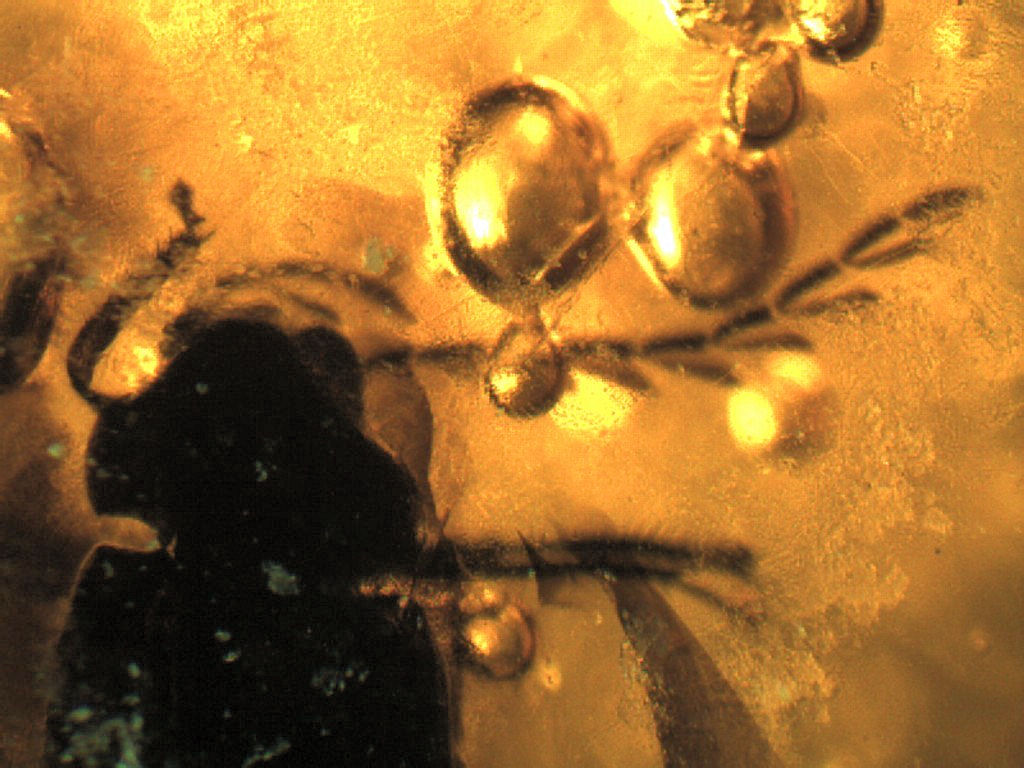
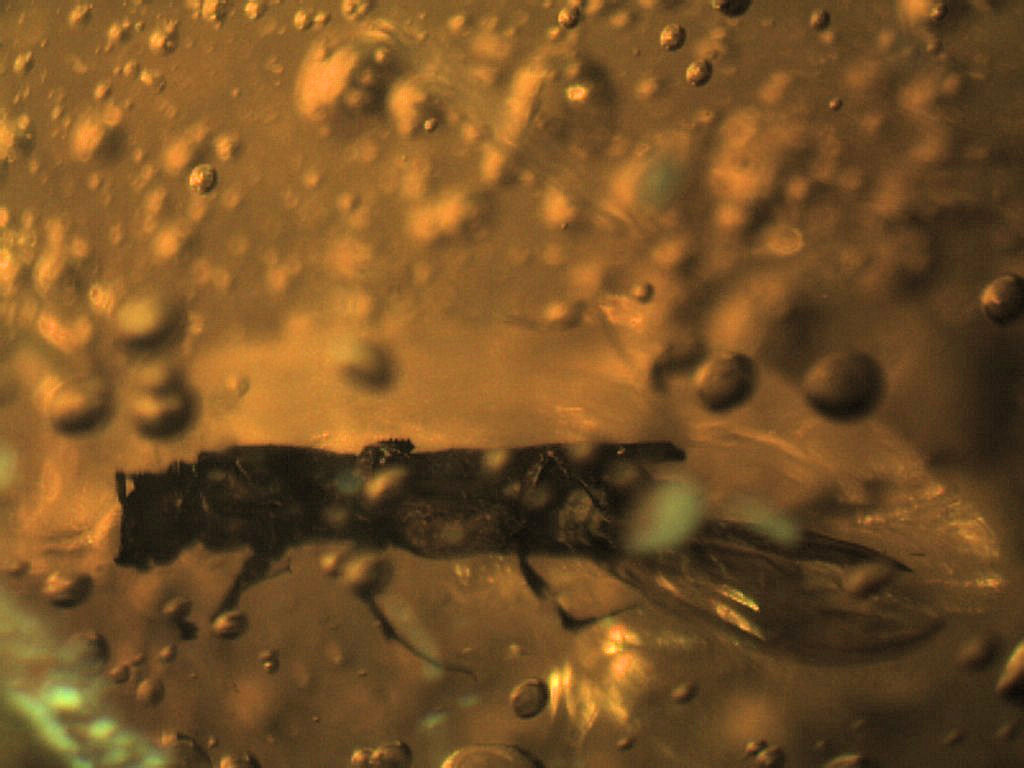
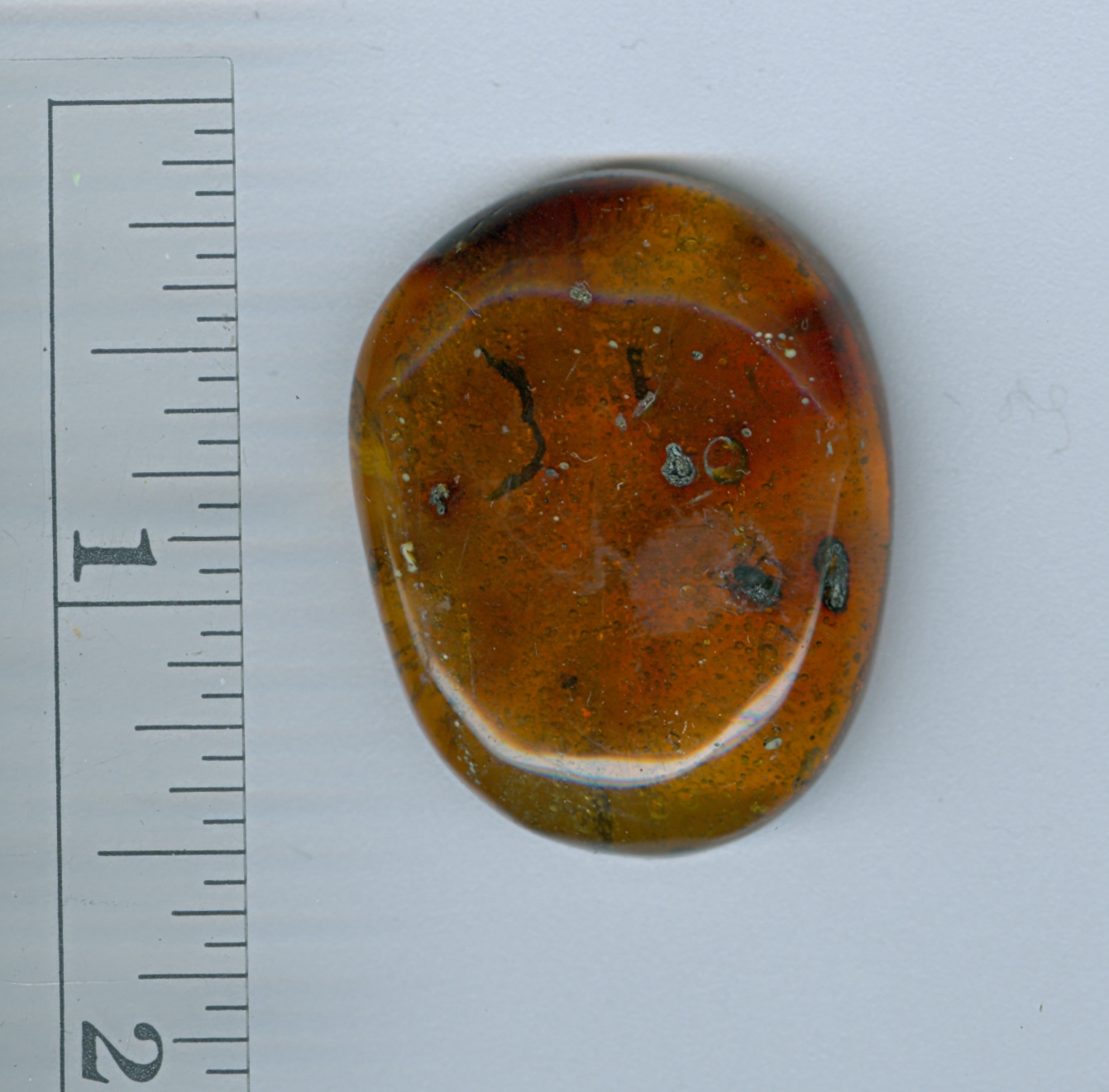
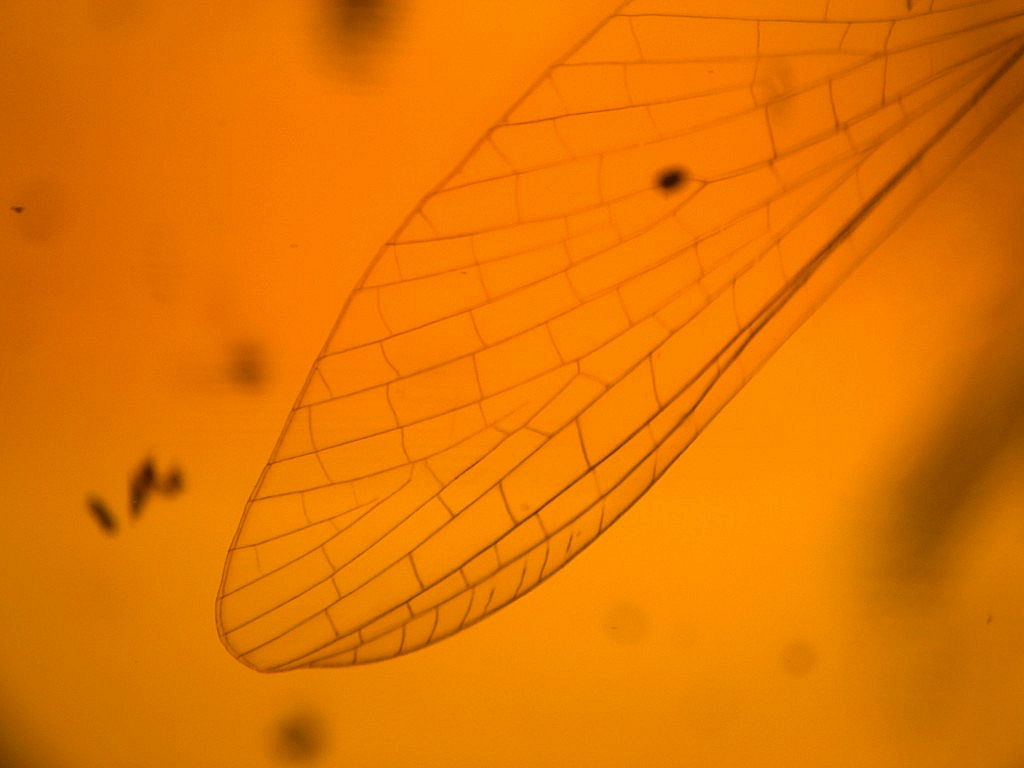
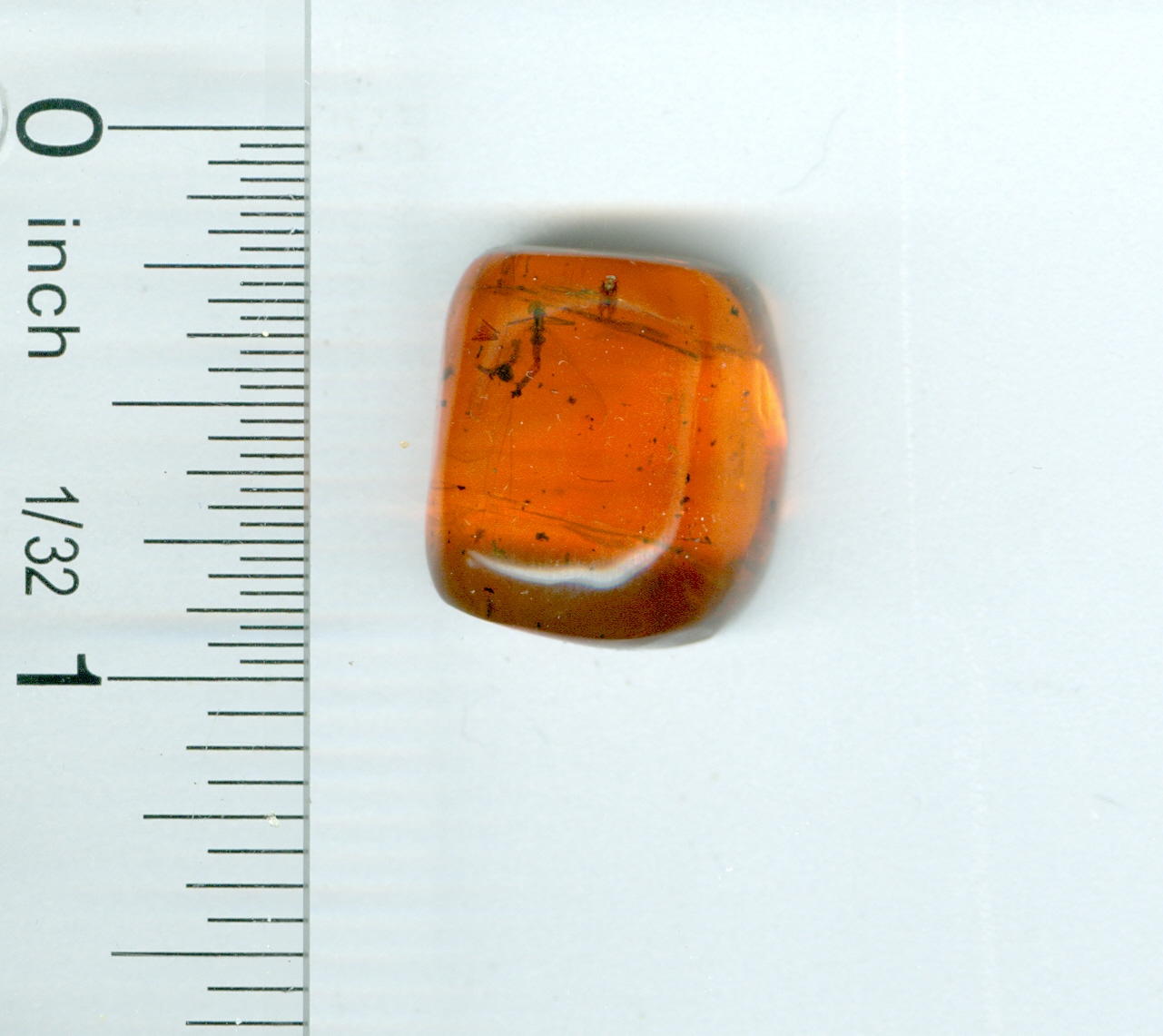
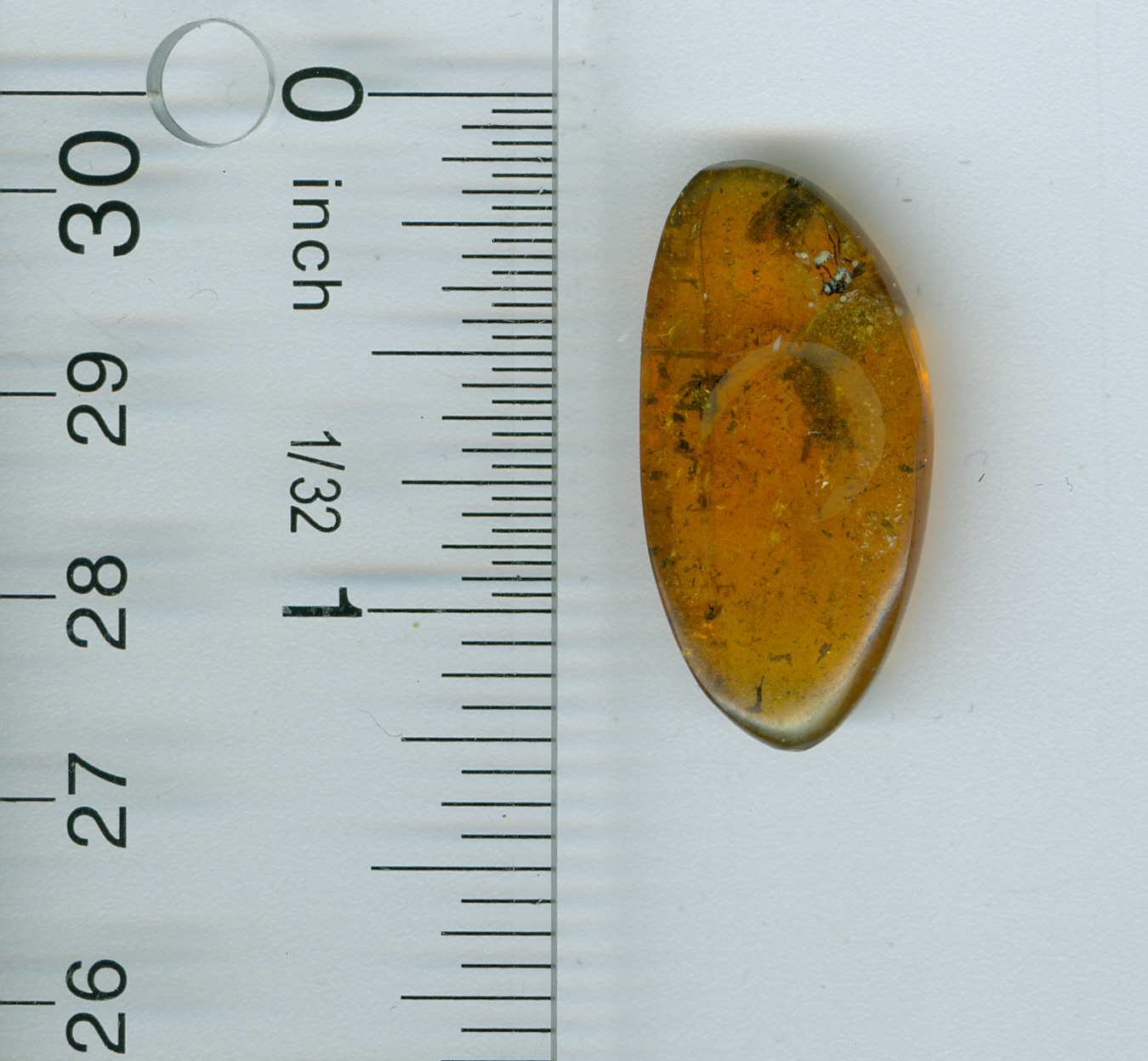
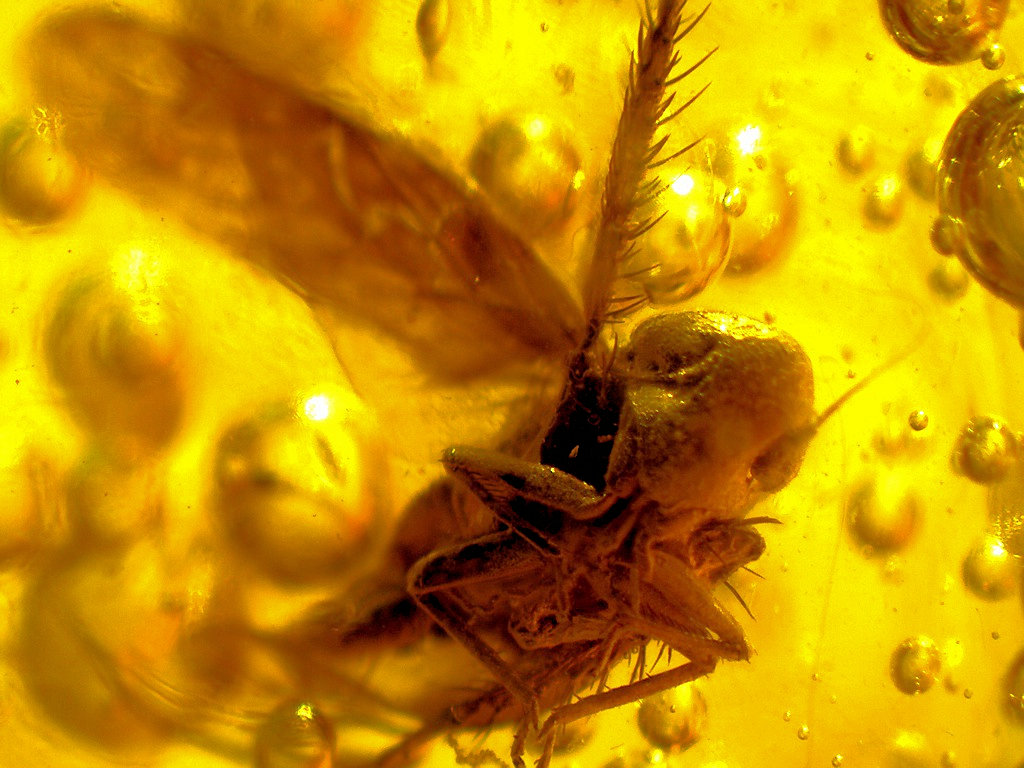
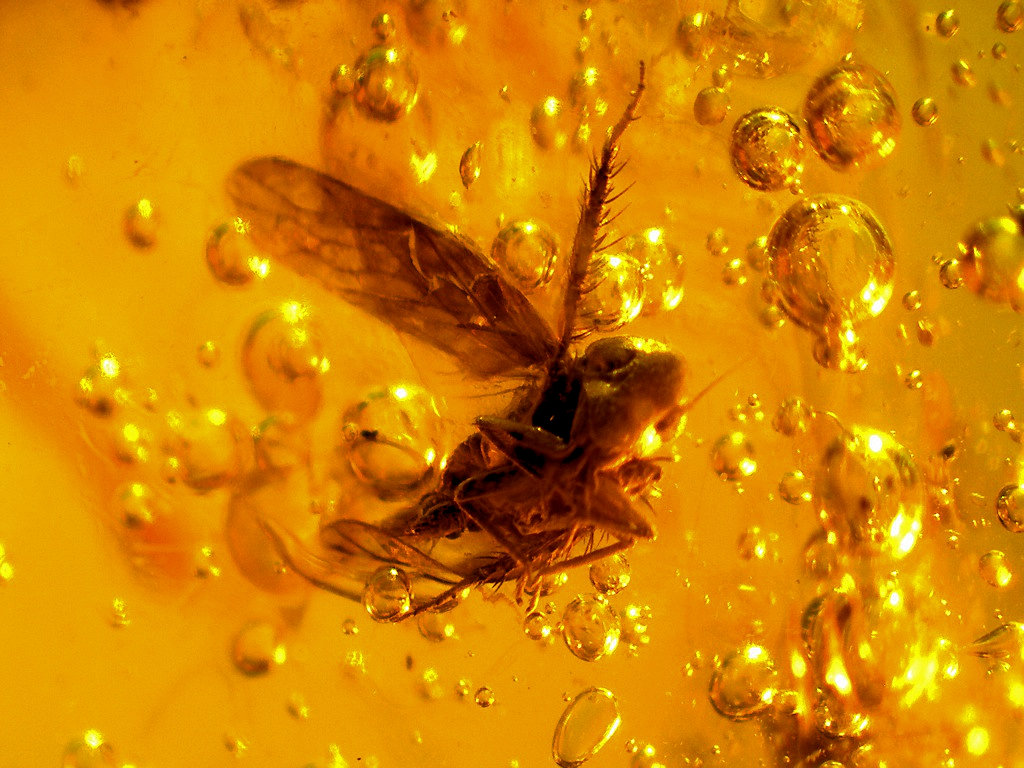
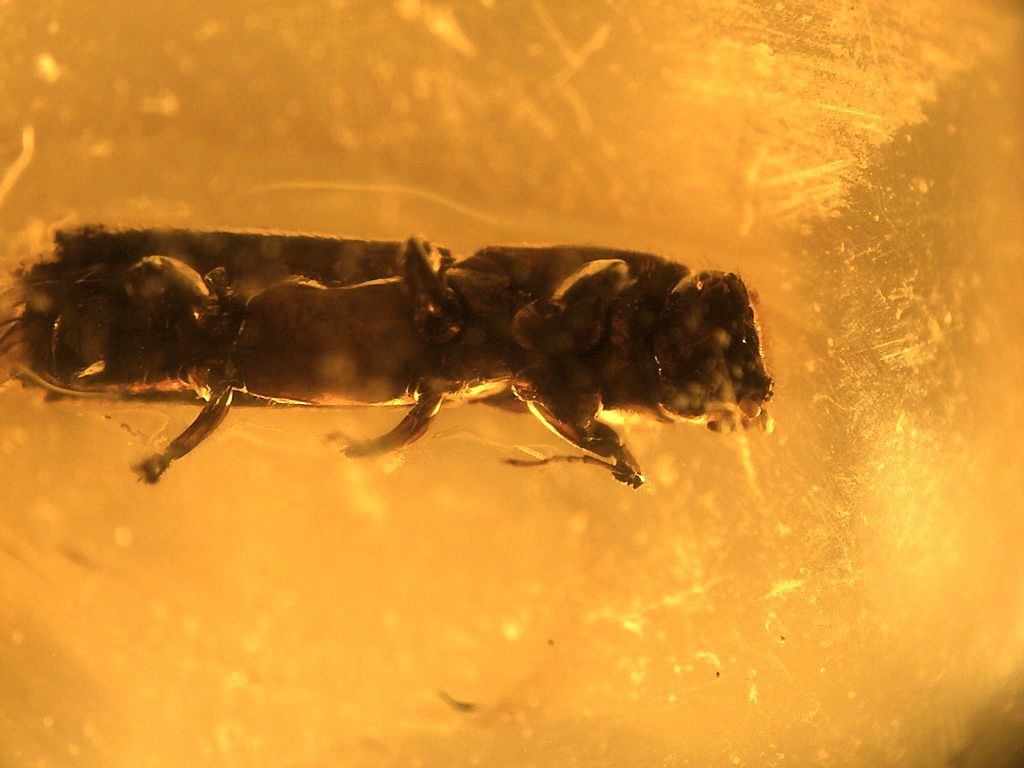
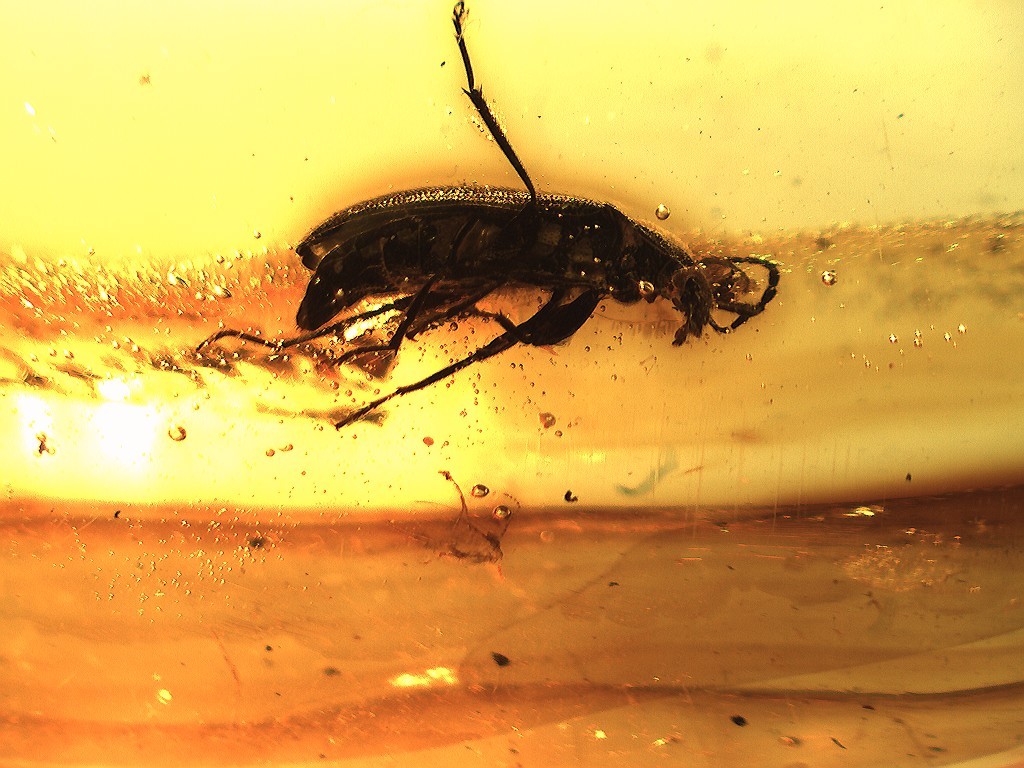
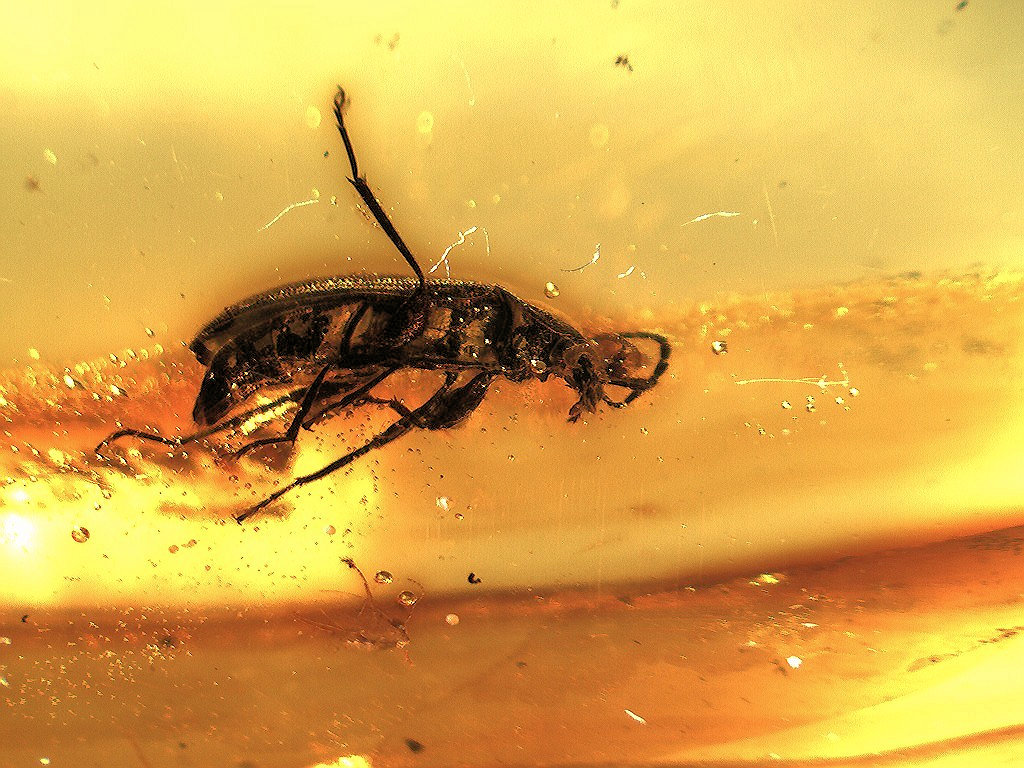
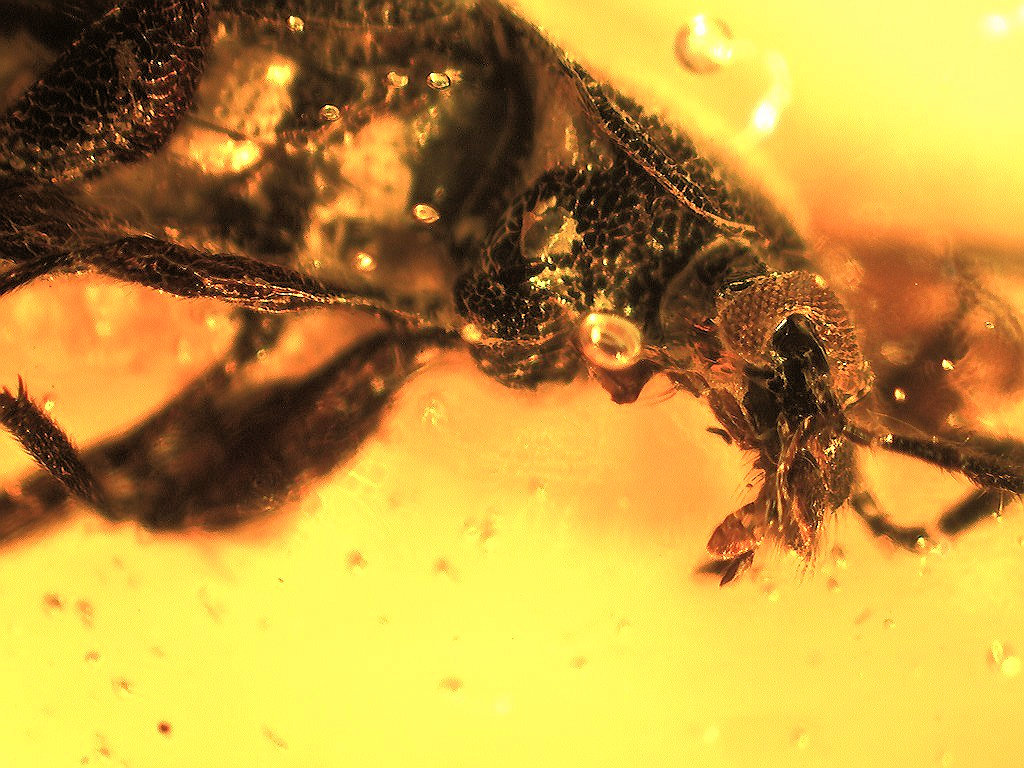
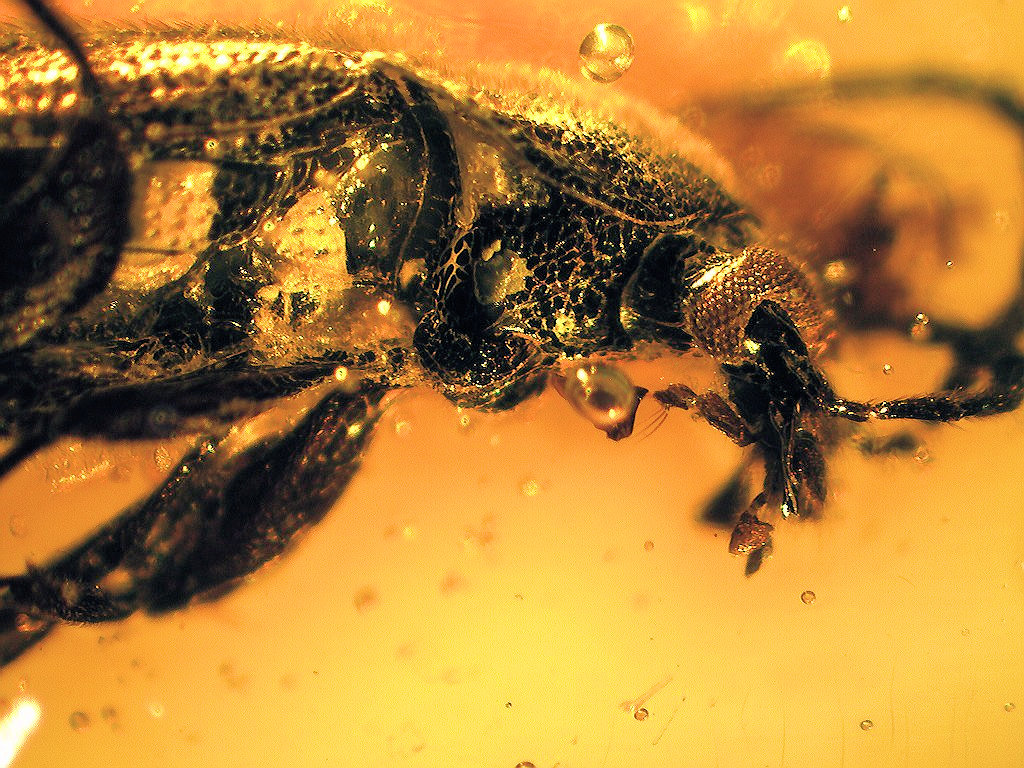
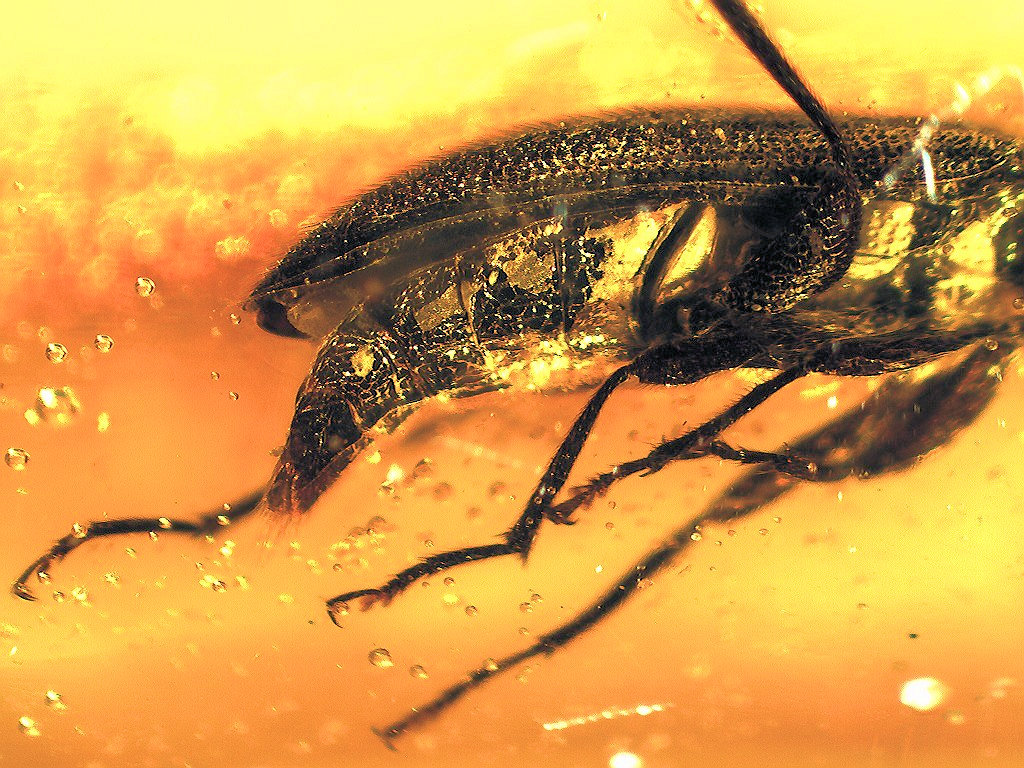
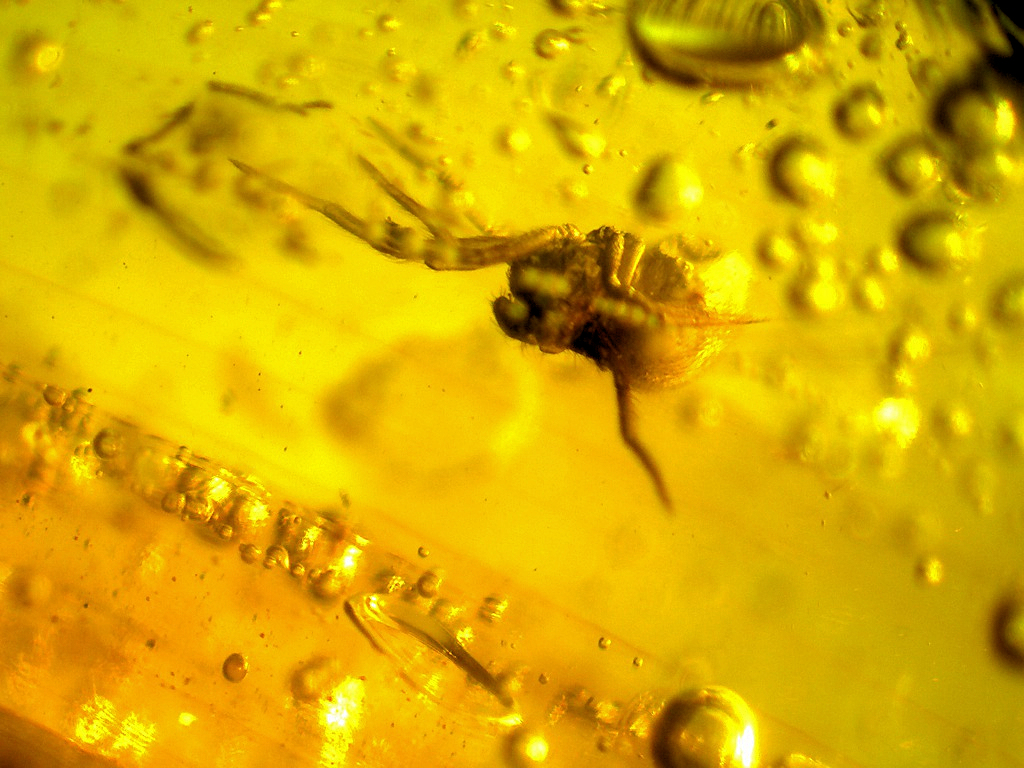
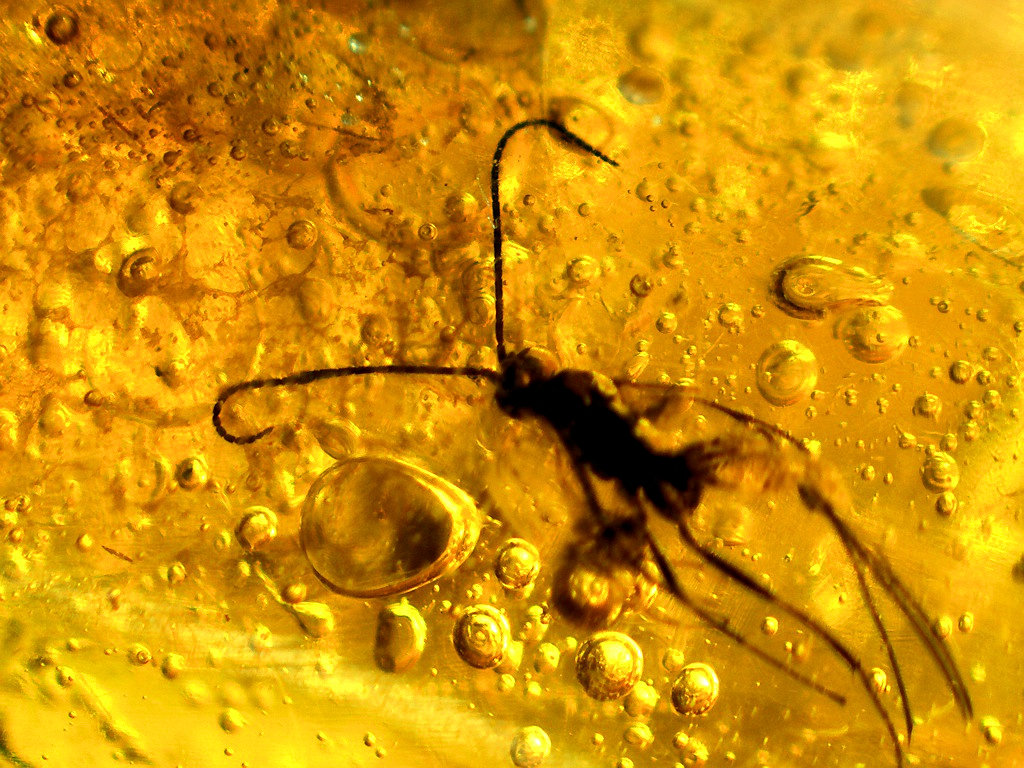
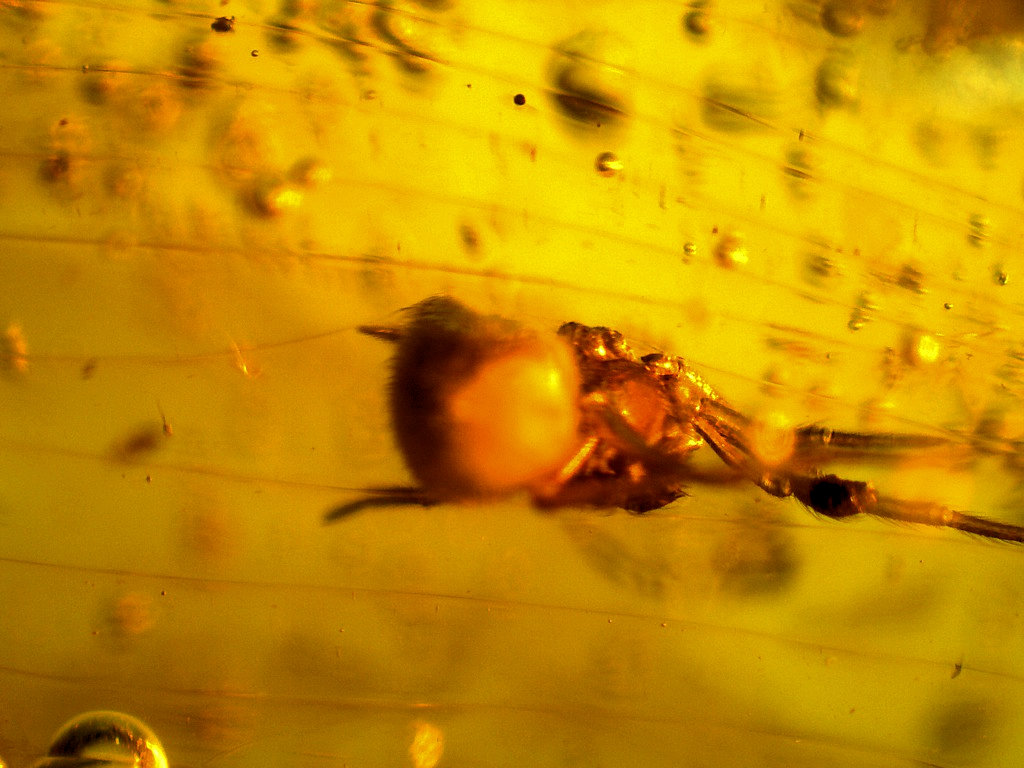
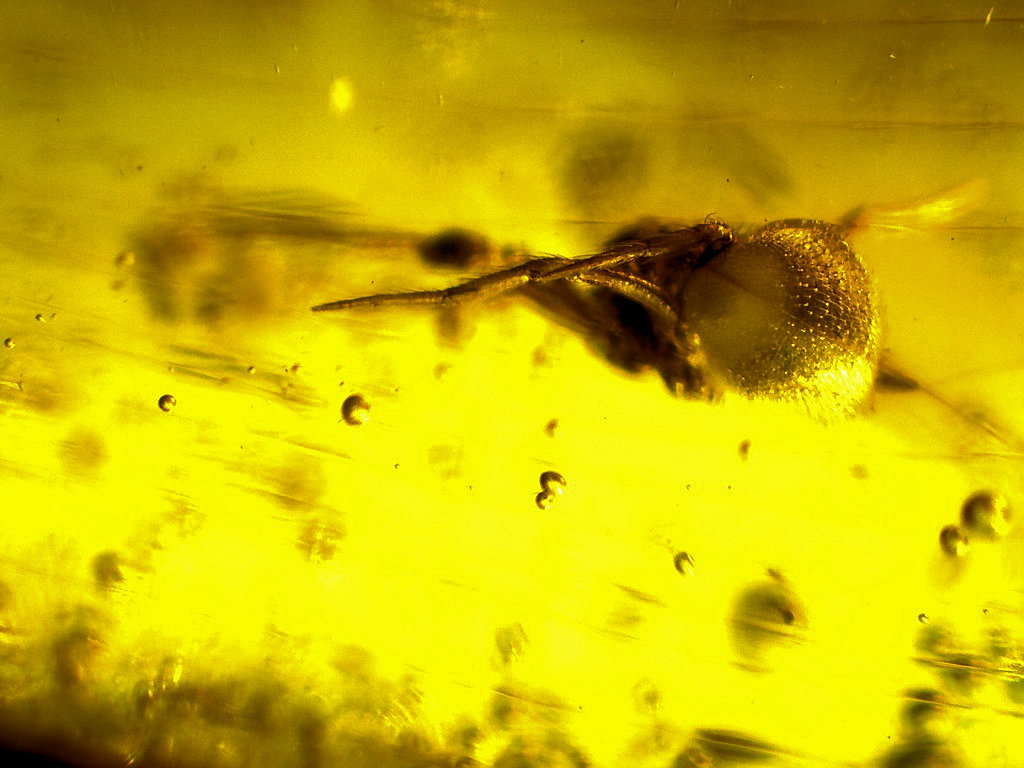
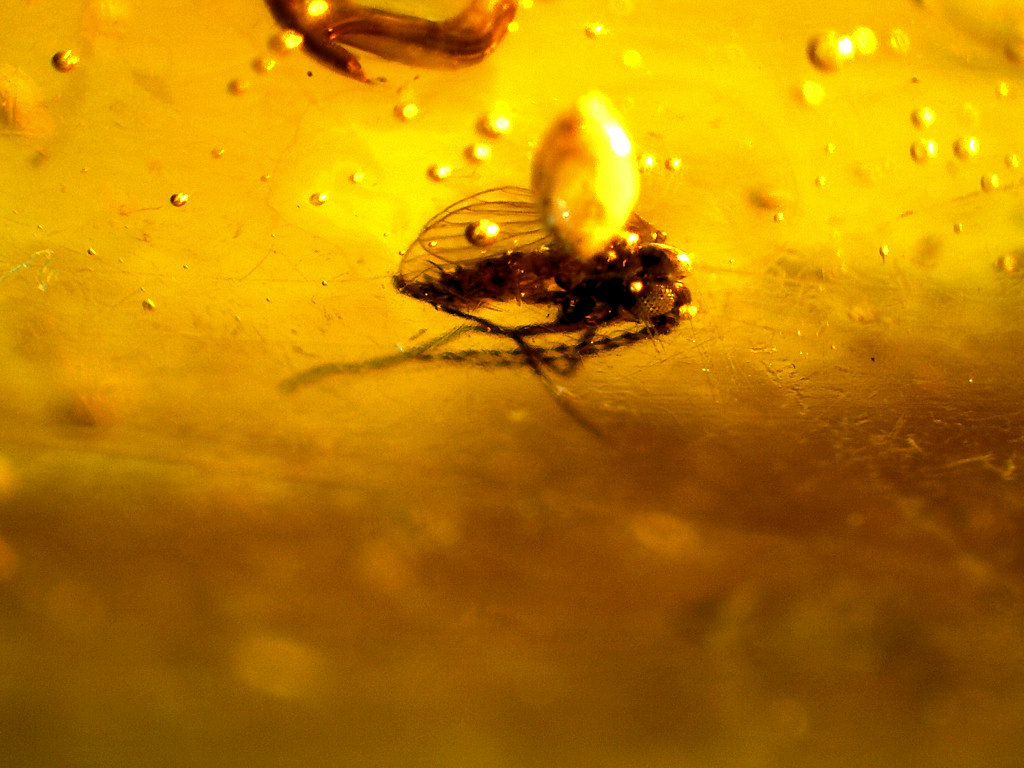
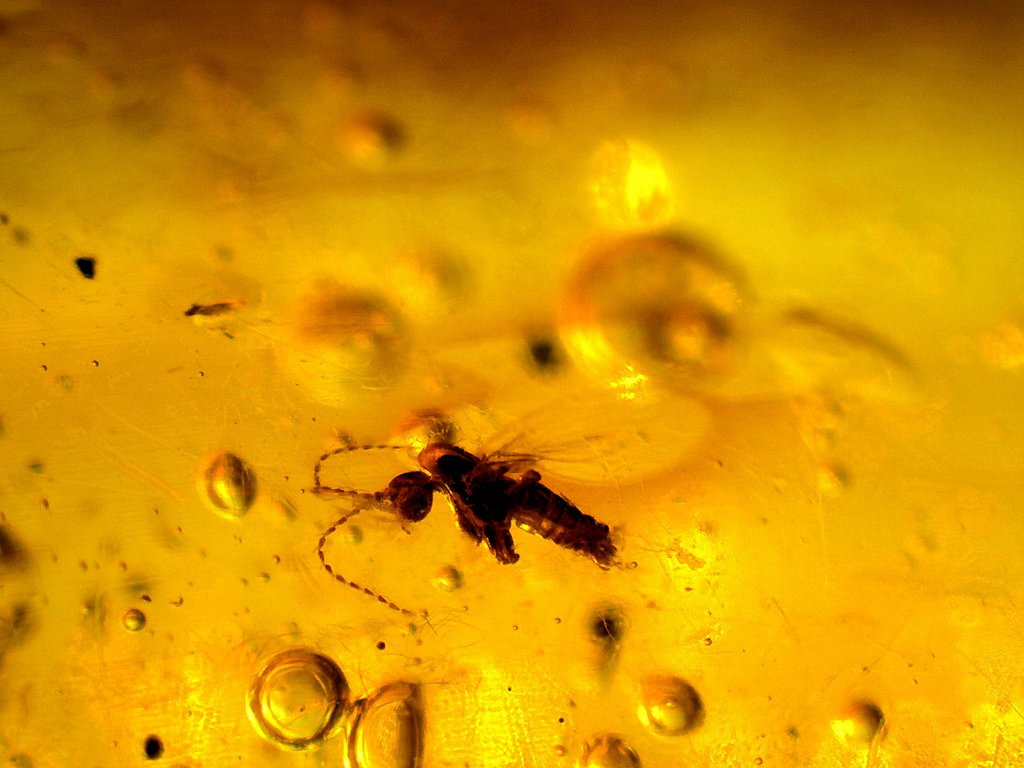
At first I though this was a wasp, but looking at the wings, this is a male winged ant, Hymenoptera, Formicidae. Good price on this one.
Item 33
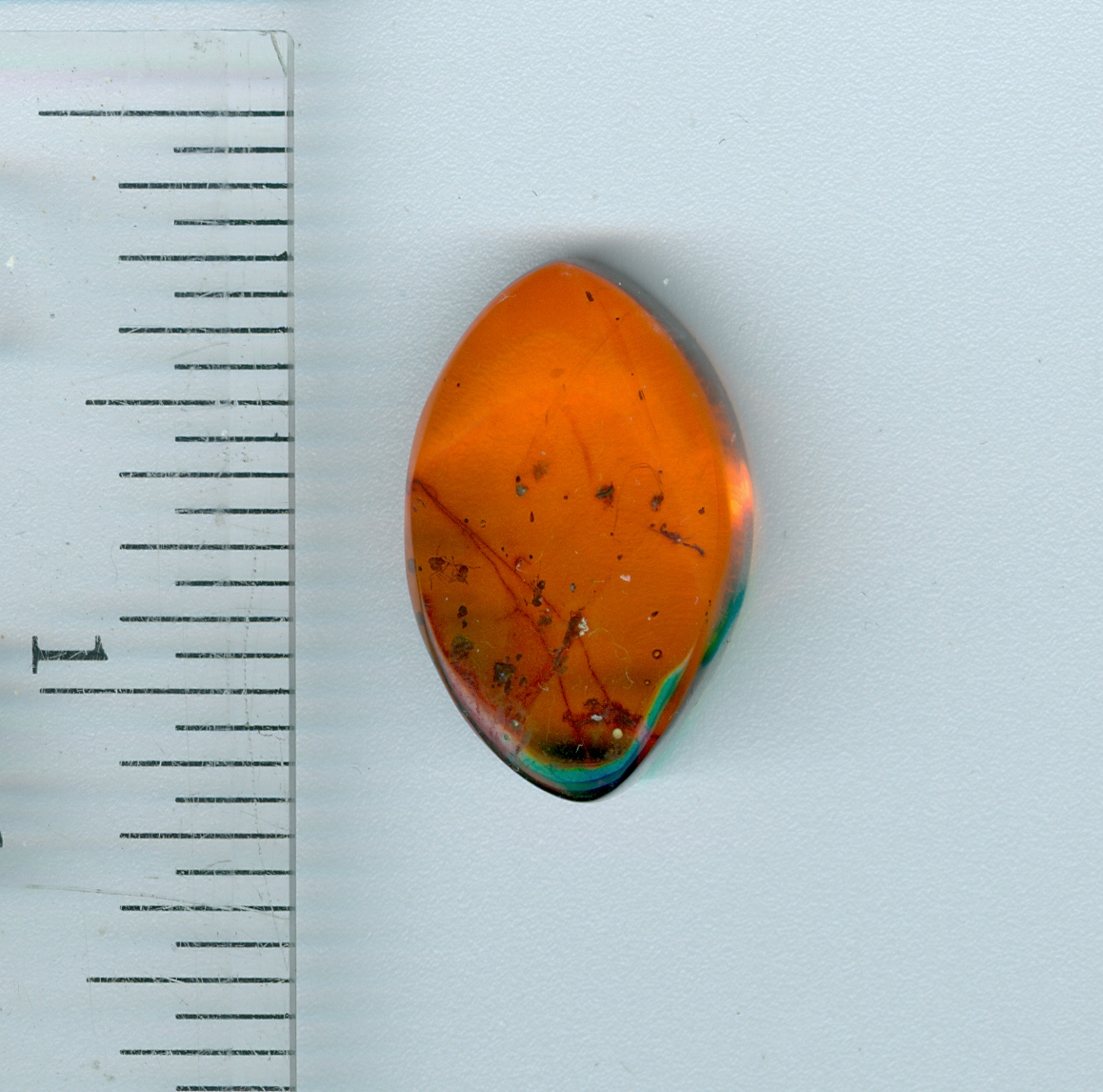
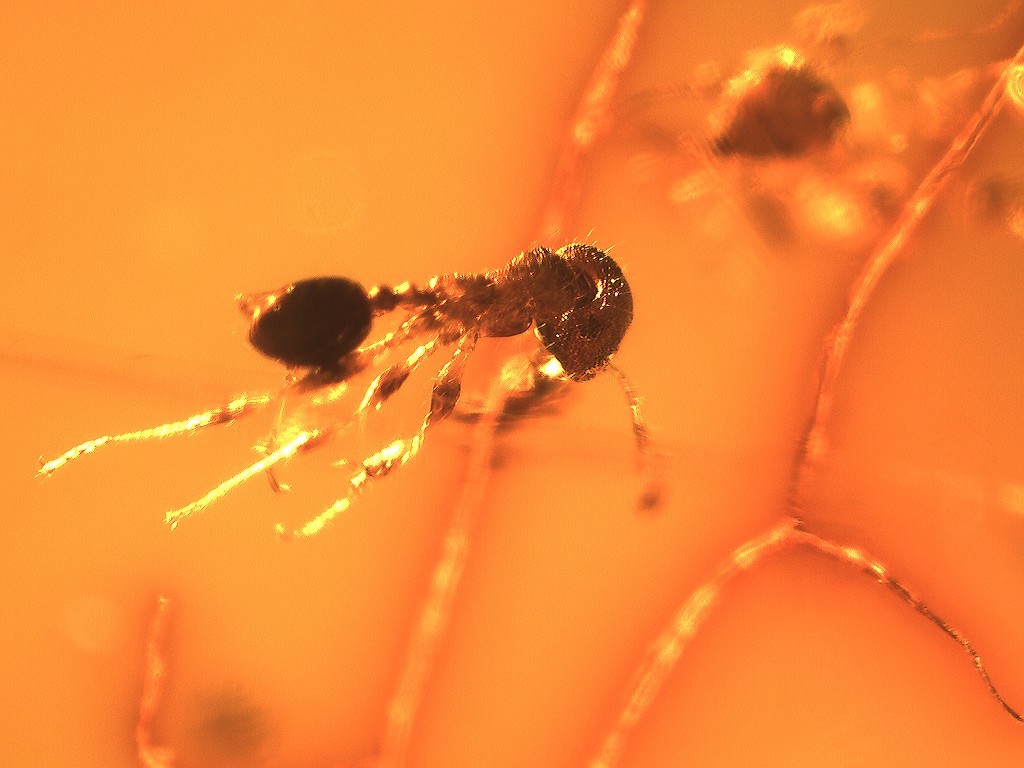
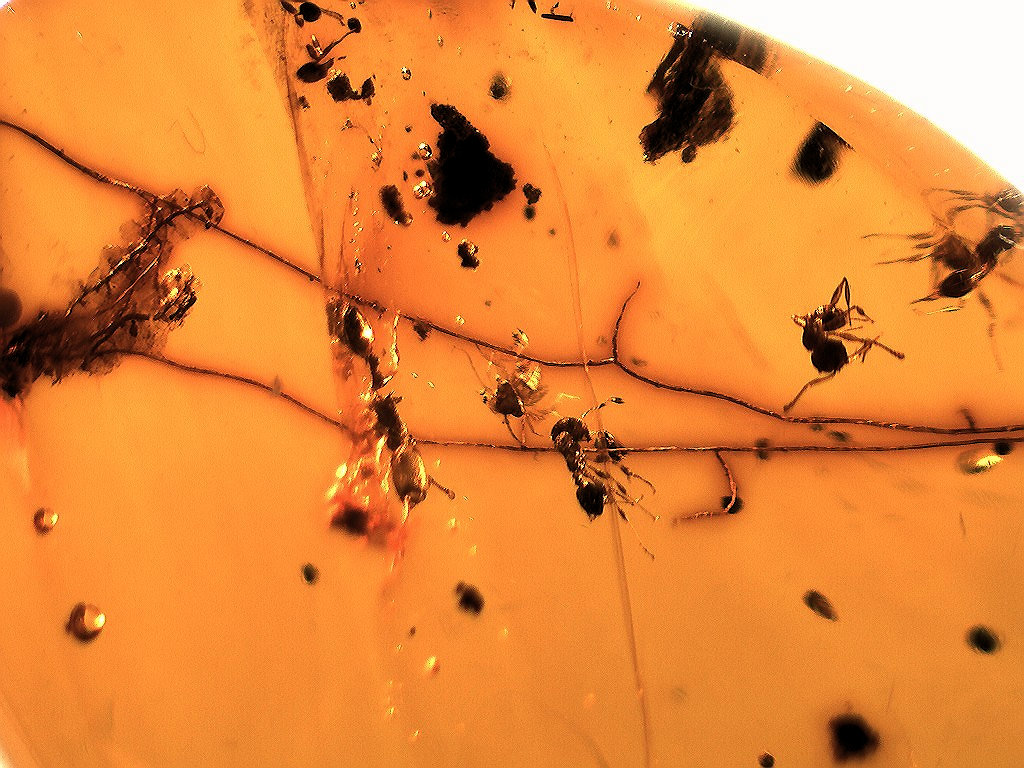
3 female worker ants, Hymenoptera, Formicidae along with a small spring of a Bryophyte and some very easily seen roots.
Item 34
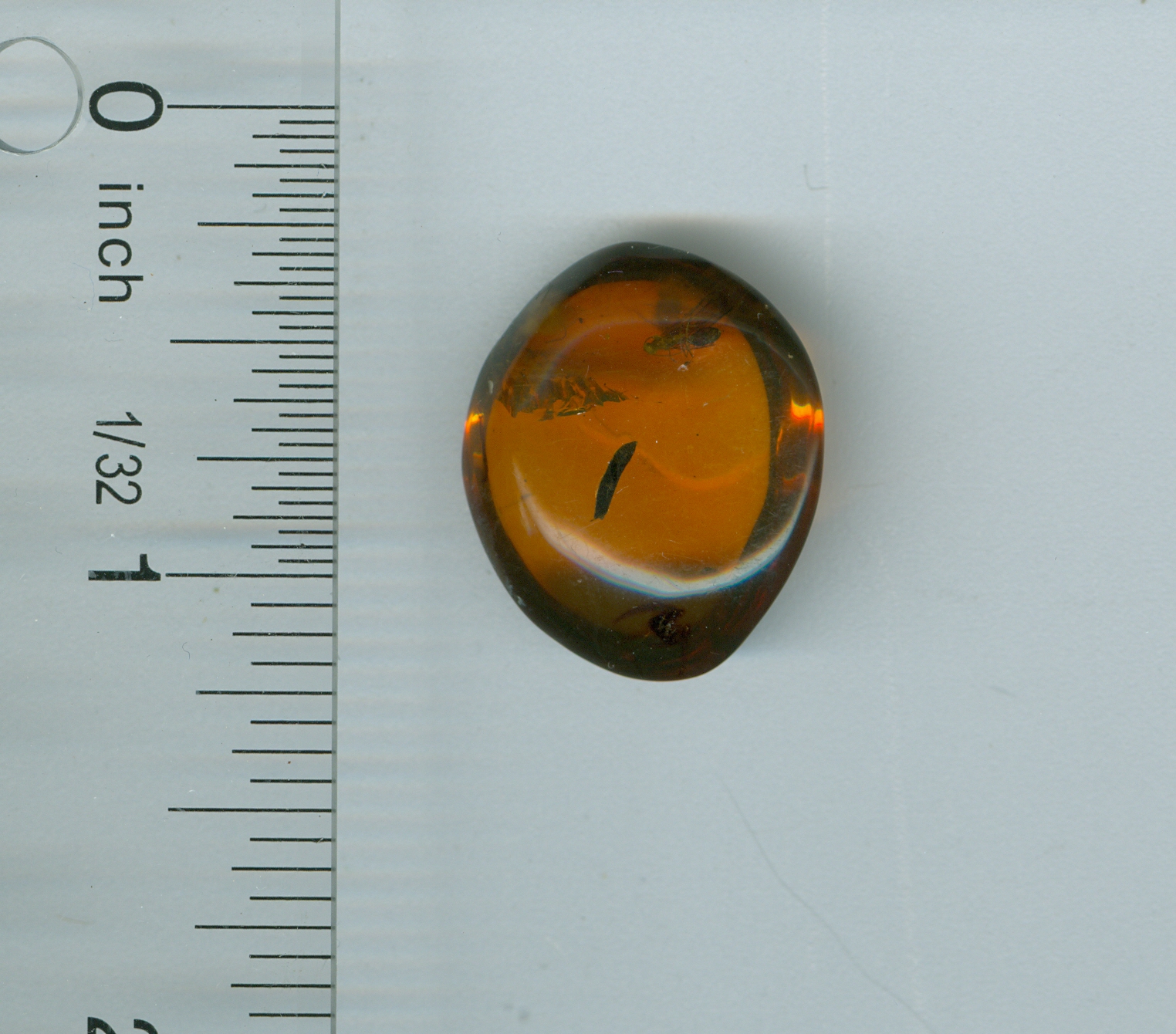
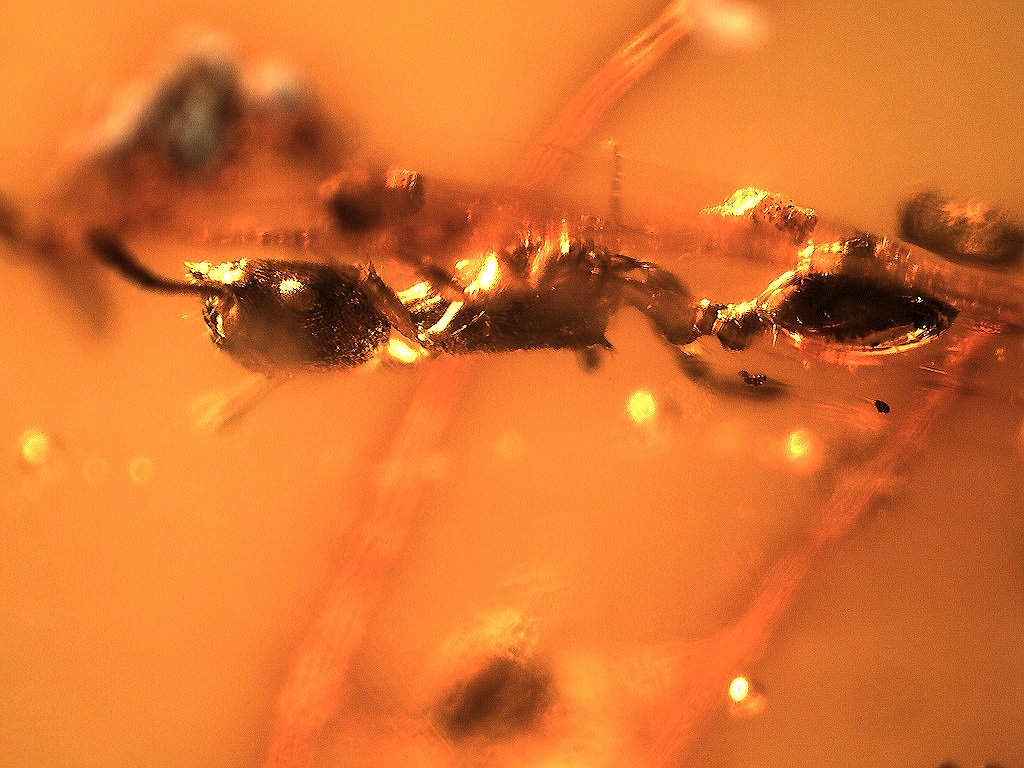
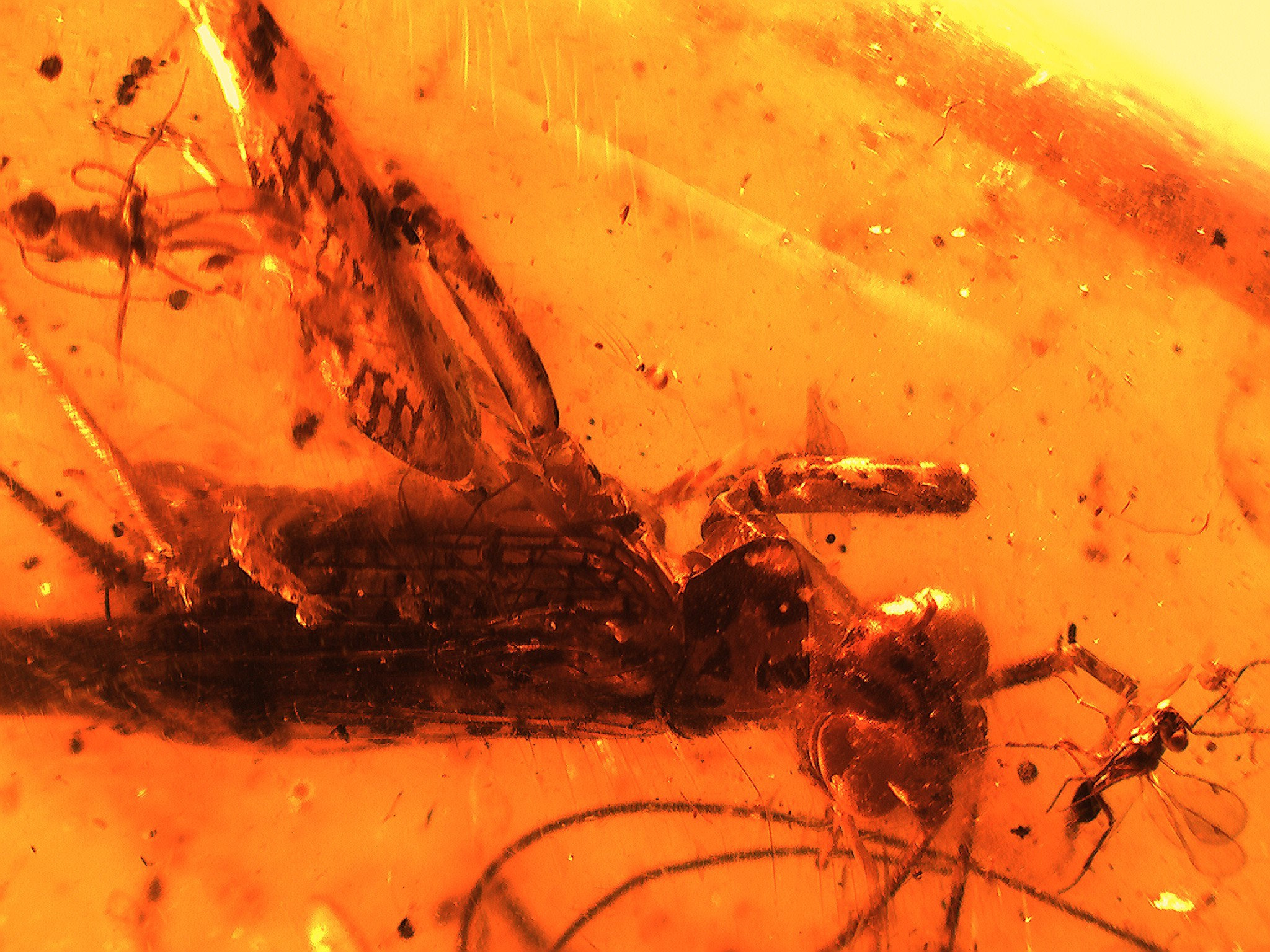
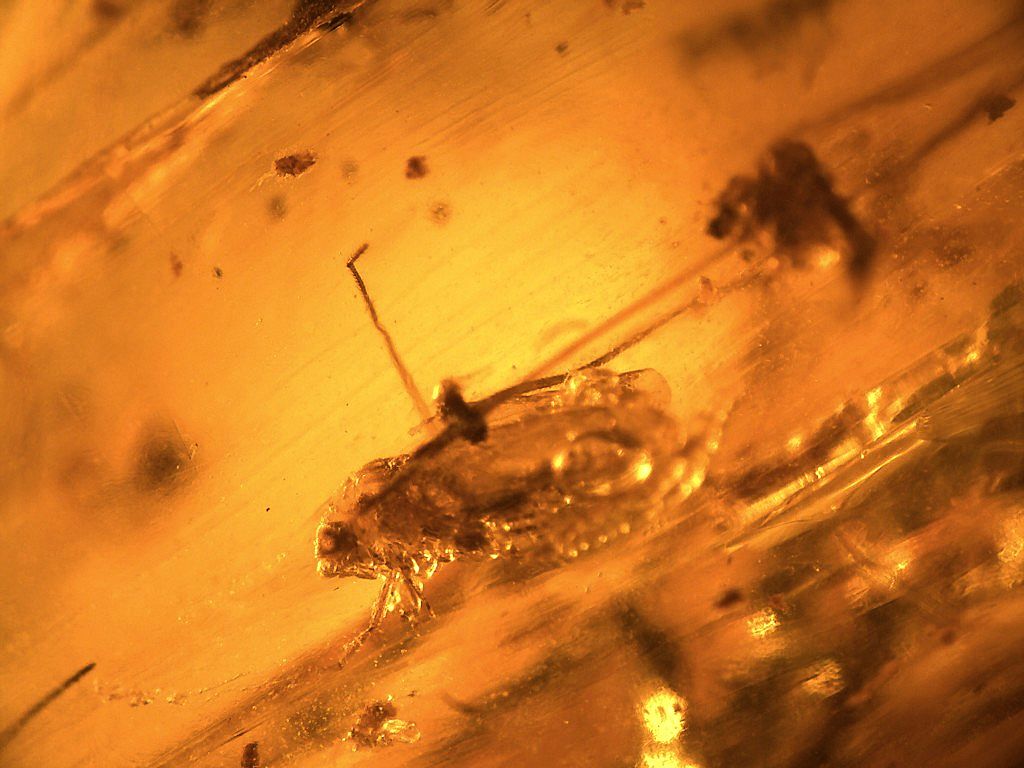
A busy piece. This contains a rather large immature planthopper, Homoptera, Fulgoridea. It shows some good details. In fact, the picture on the left reminds me of the movie, Aliens. There is a rather transparent worker ant and good caddis fly, Trichoptera.
Item 35

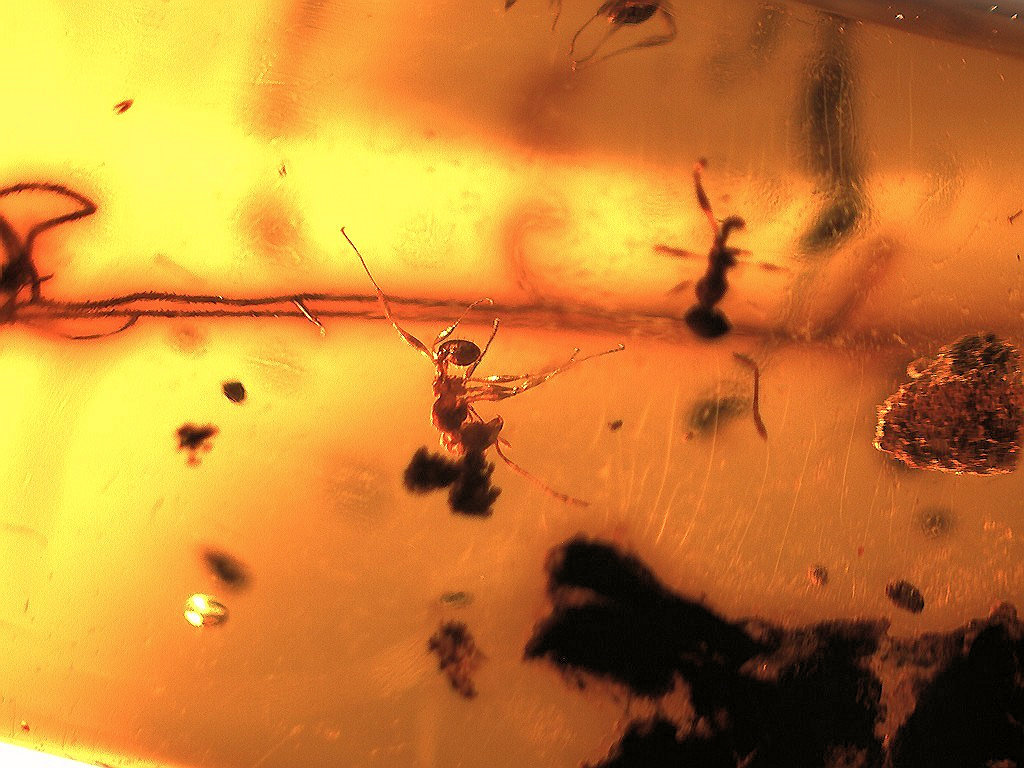
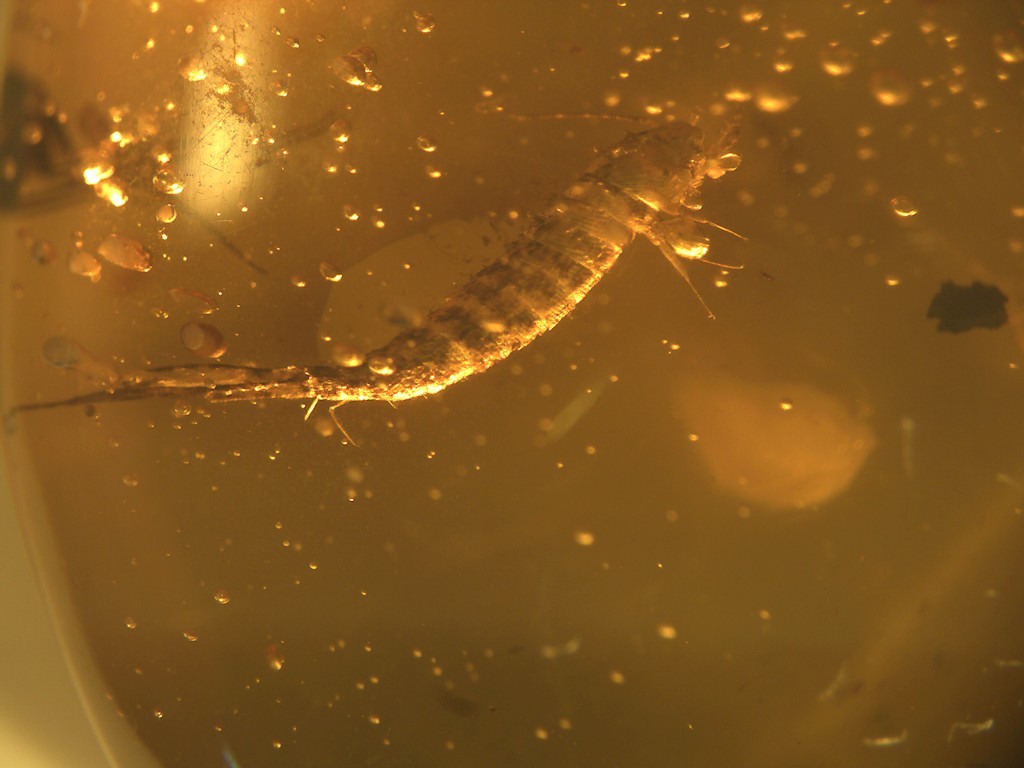
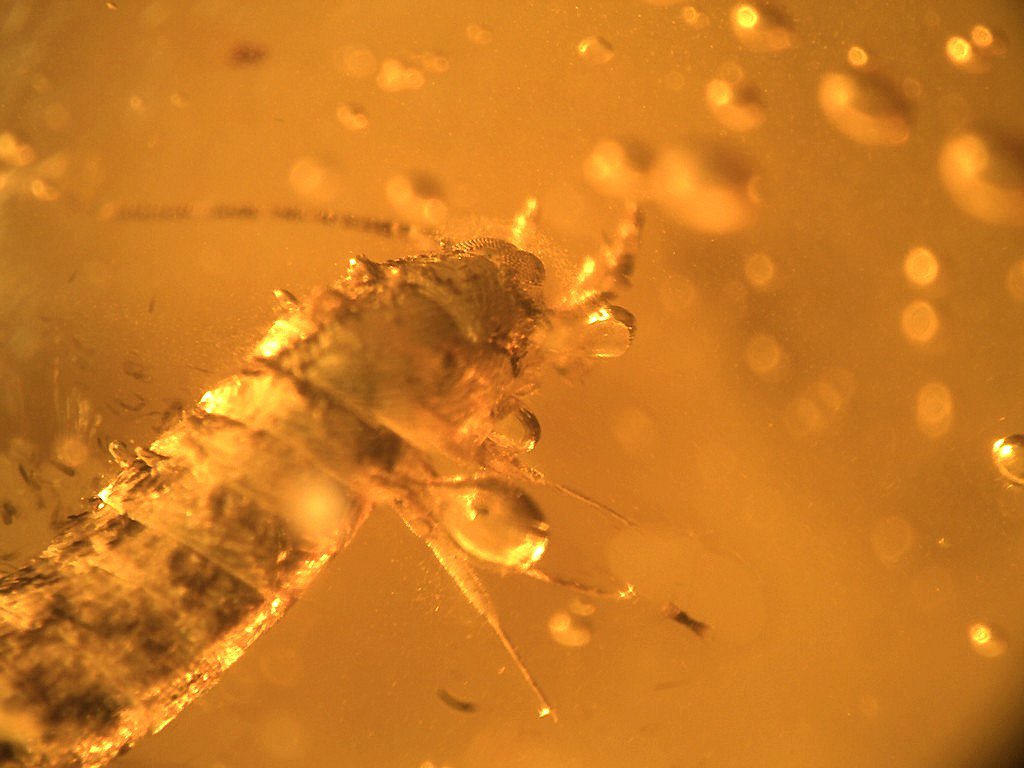
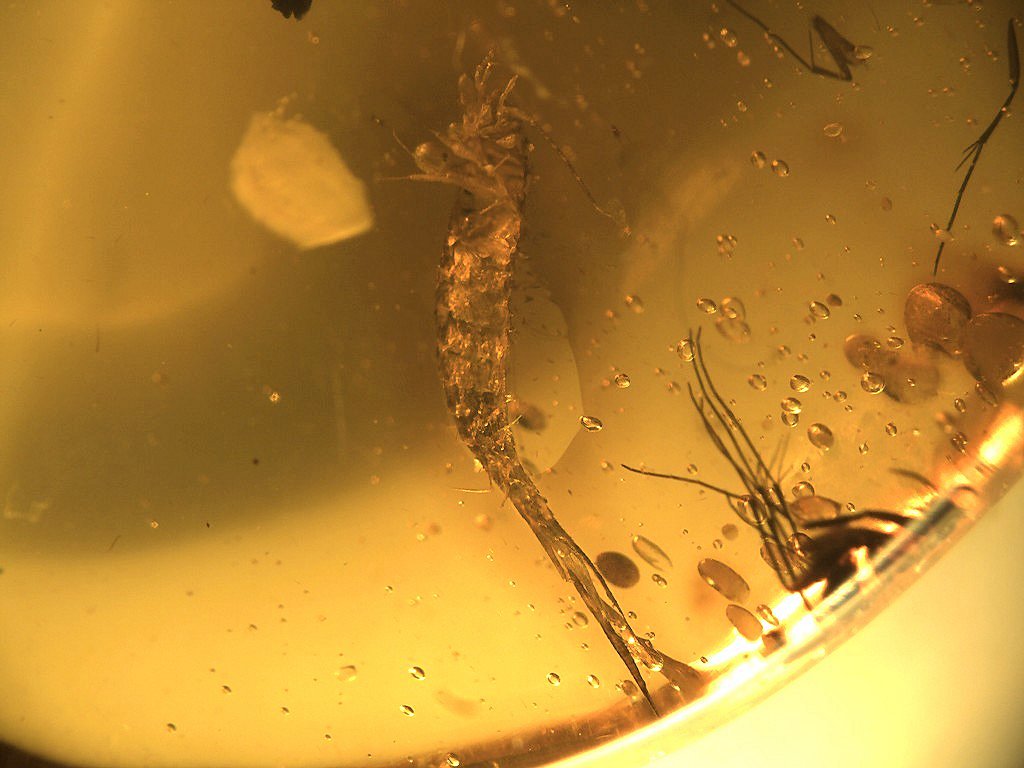
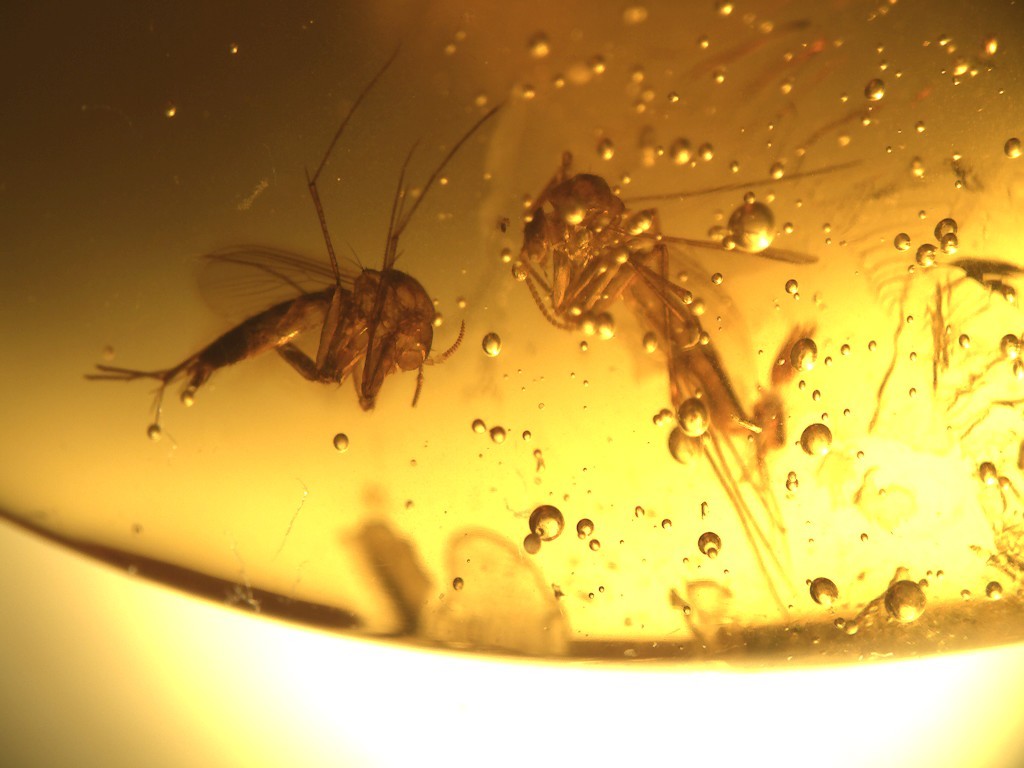
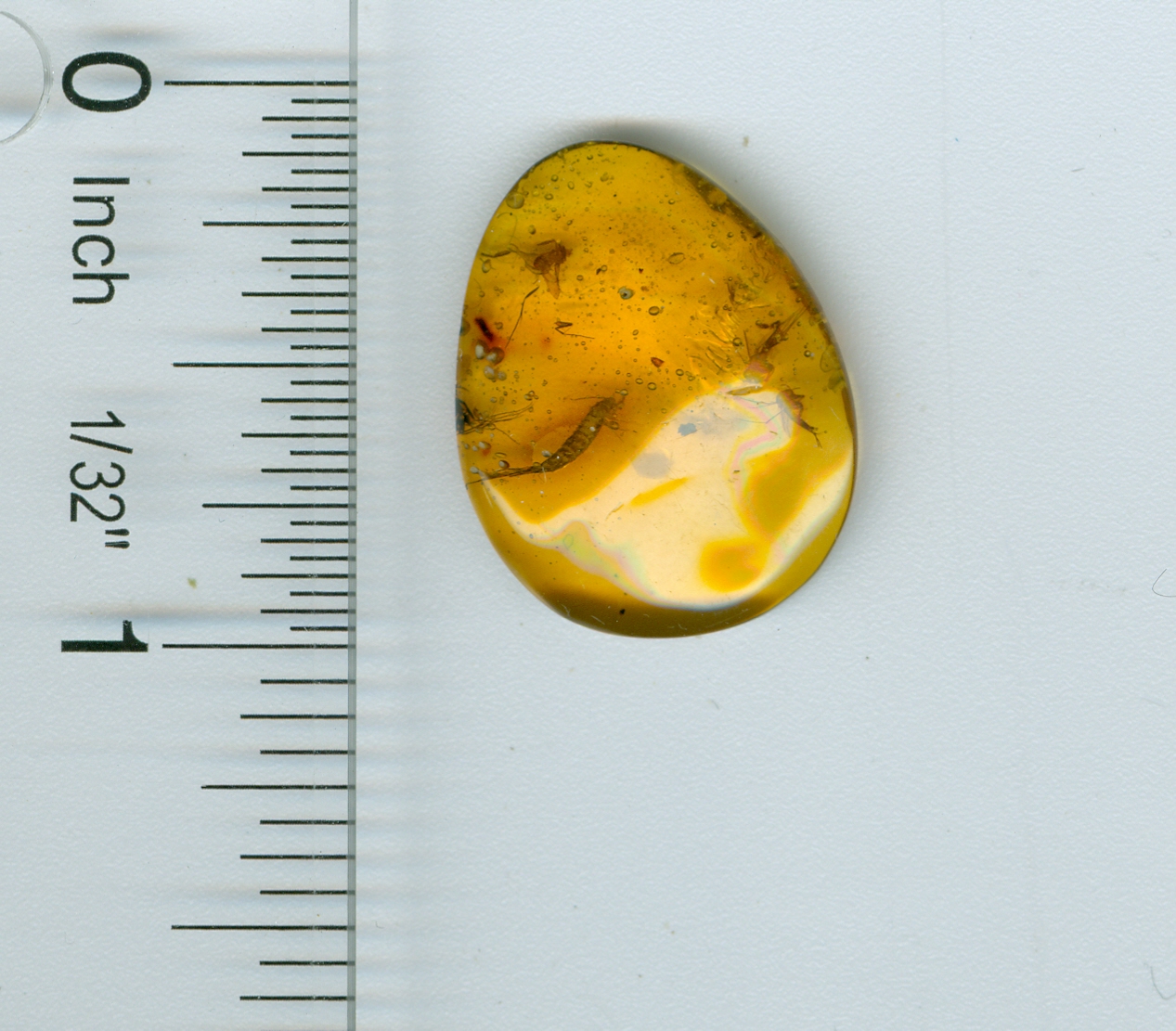
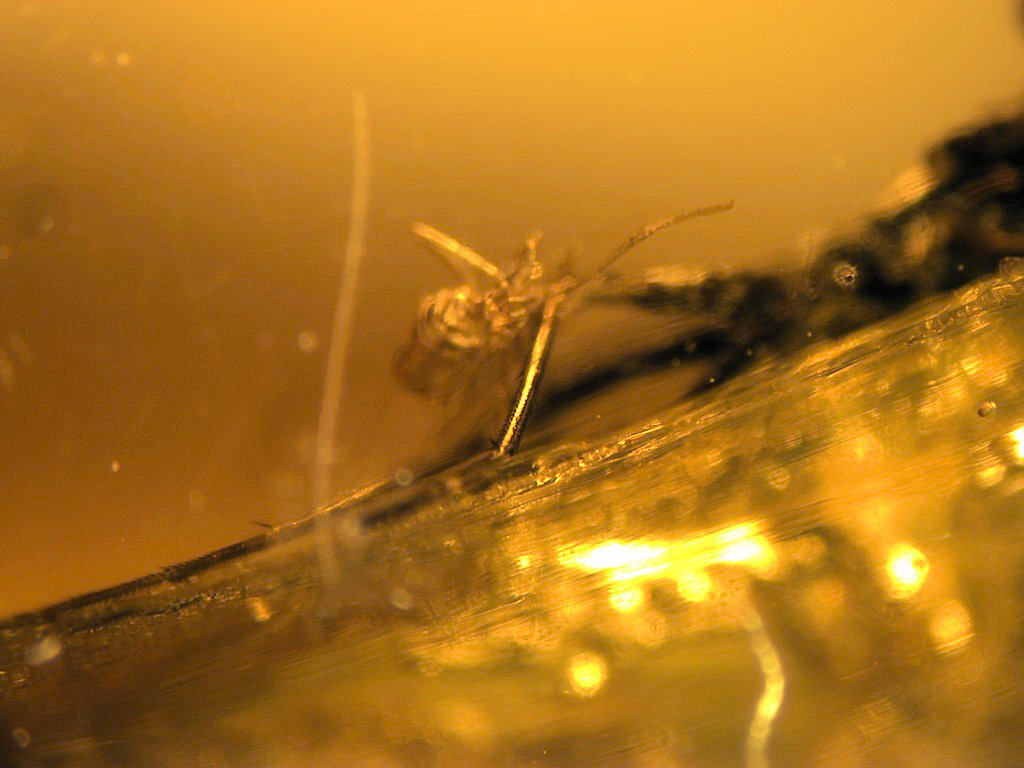
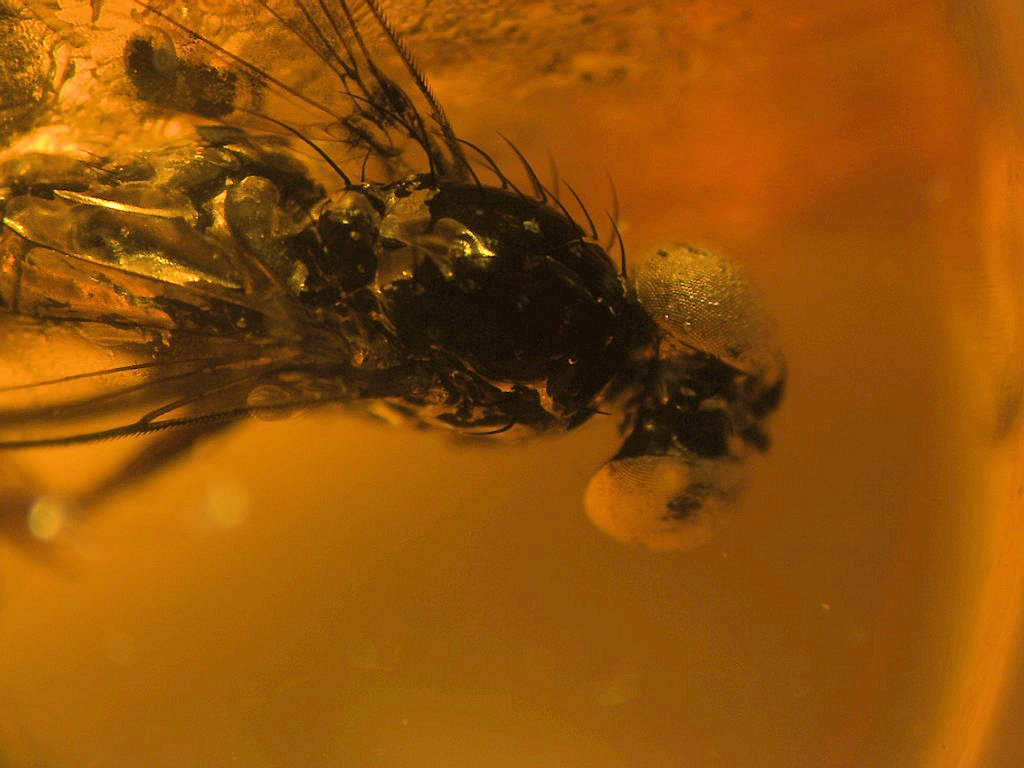
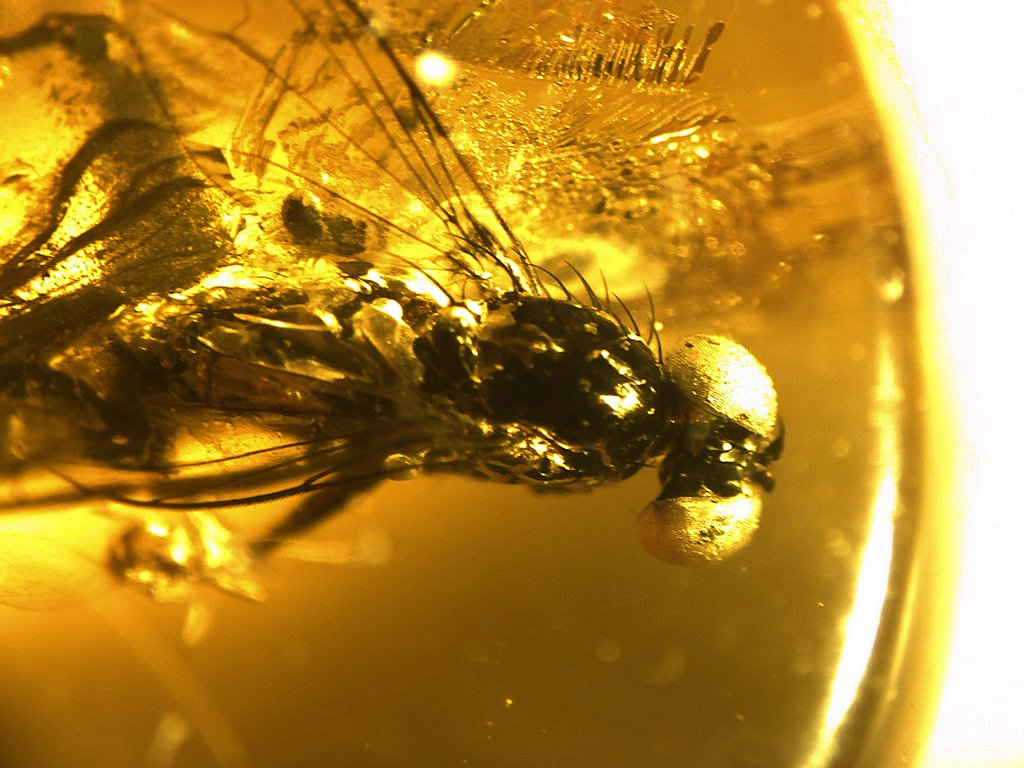
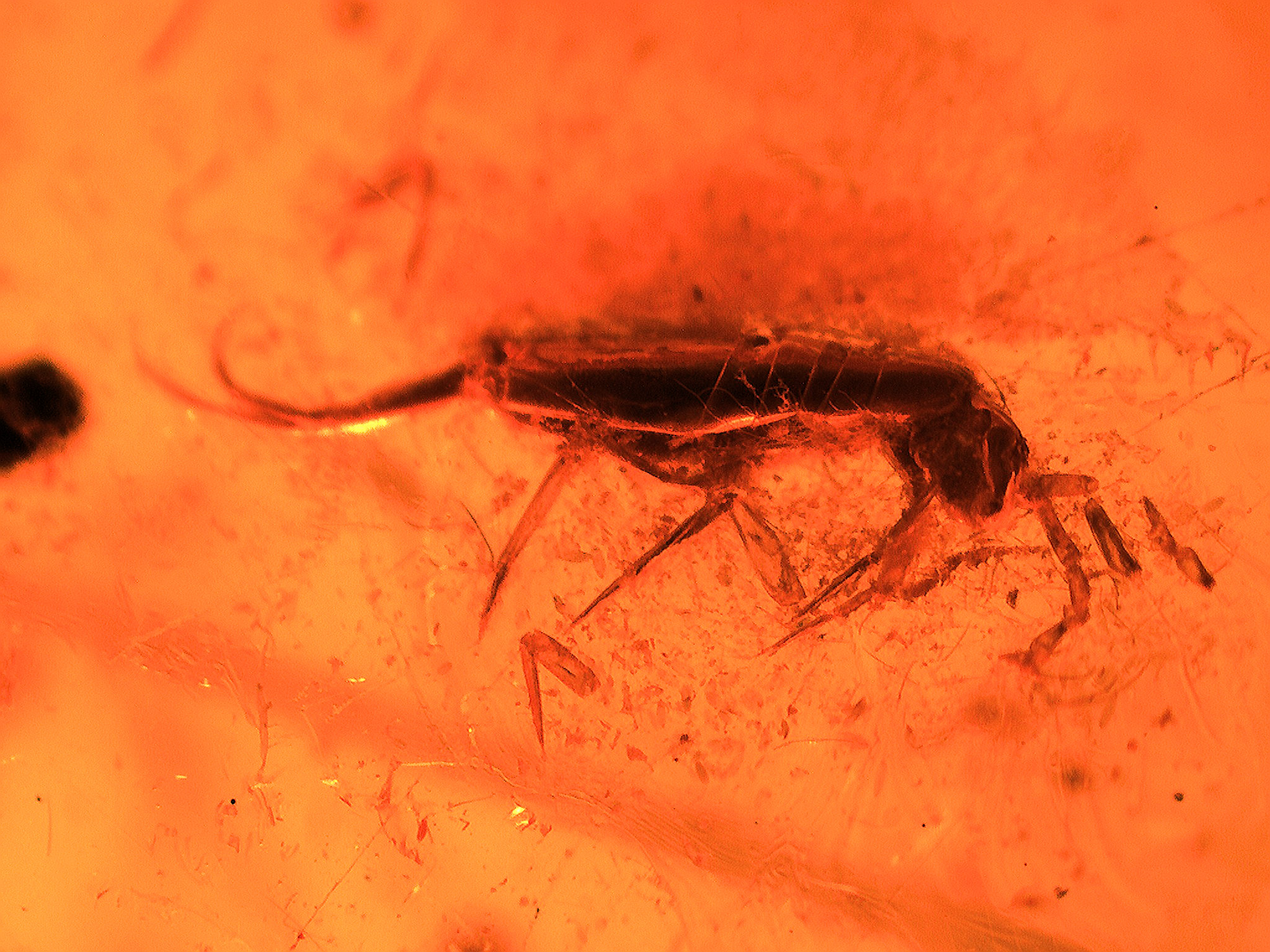
Bristletails are rarely found in Dominican amber. The order Thysanura, is characterized by three long tails and long slender antennae. The body is shrimp-like. Thysanura, in particular, may be the direct ancestor of winged insects. There are also 3 or 4 fungus gnats, Diptera, Mycetophilidae. This is a good piece.
Item 36

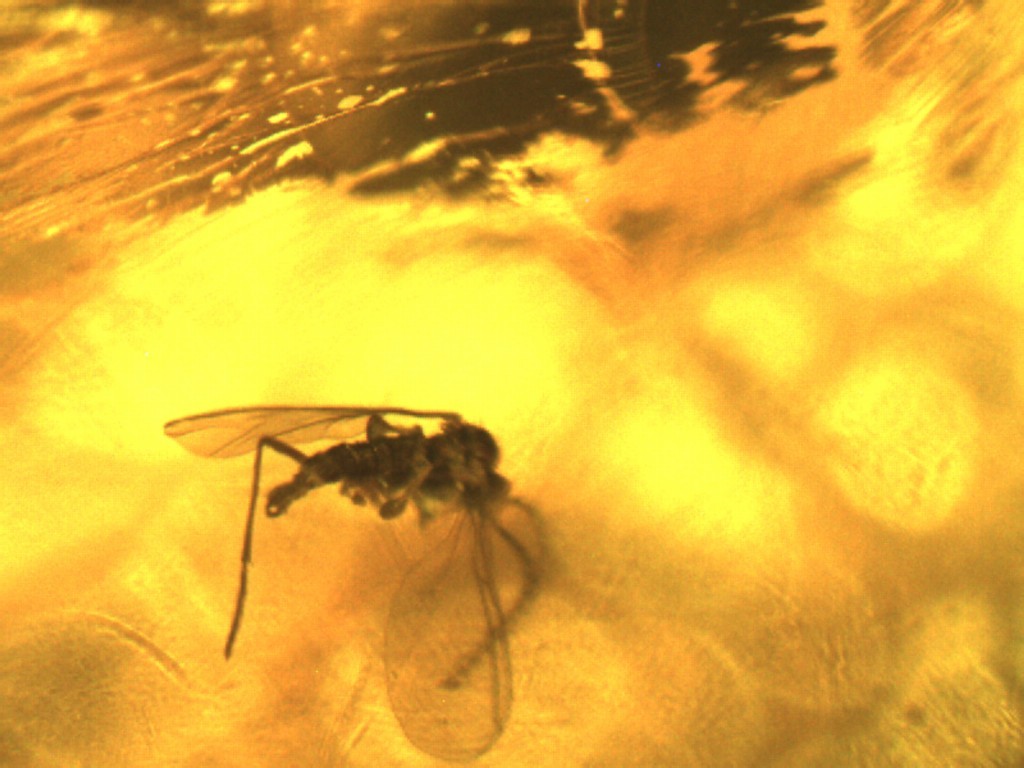
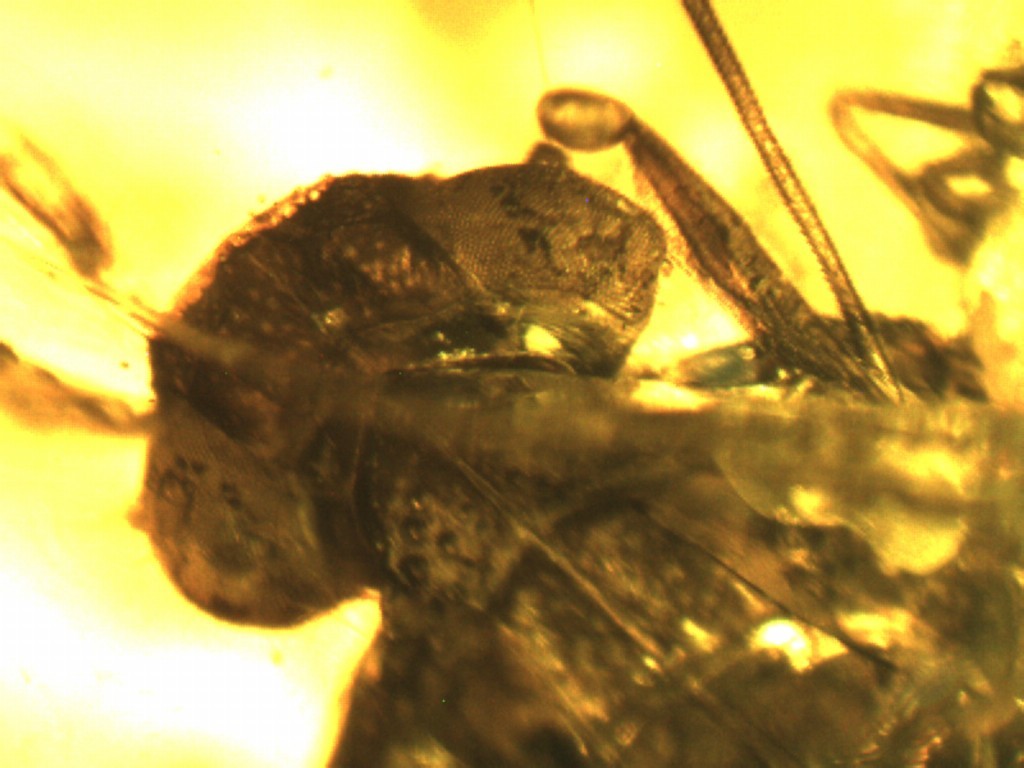
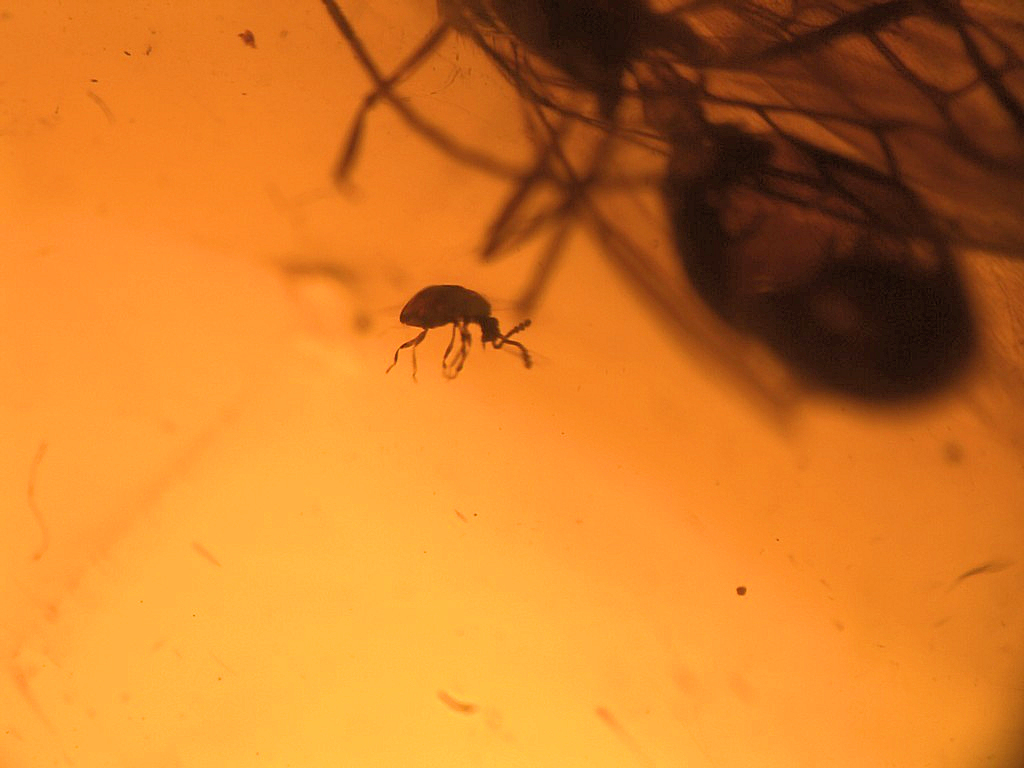
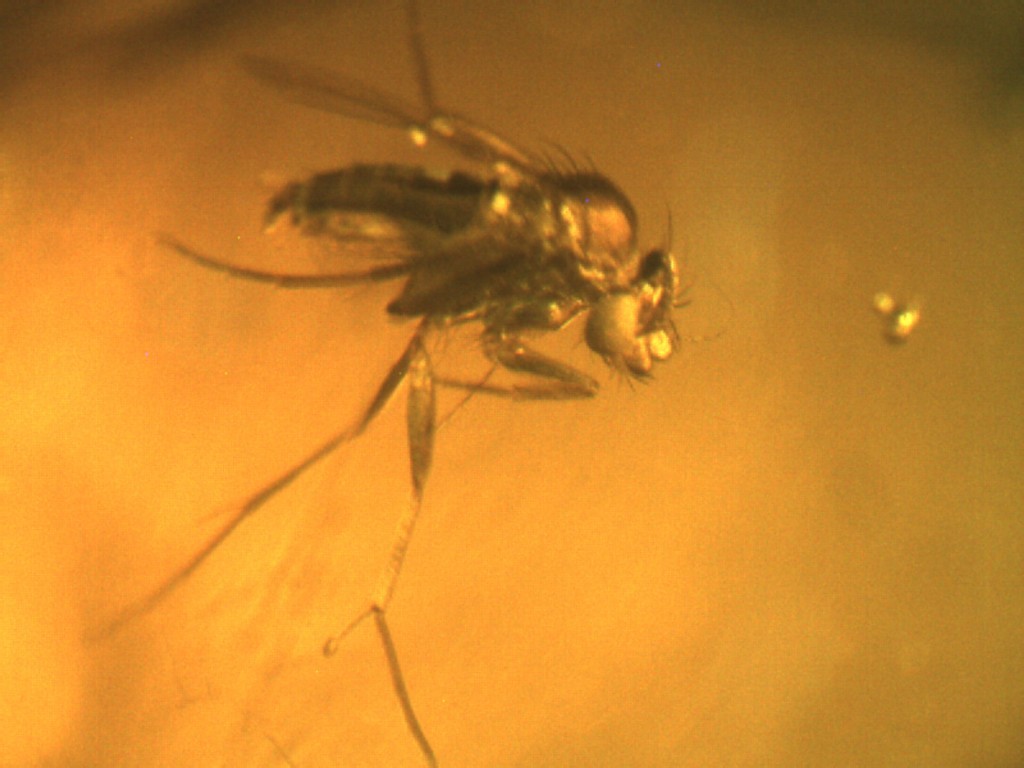
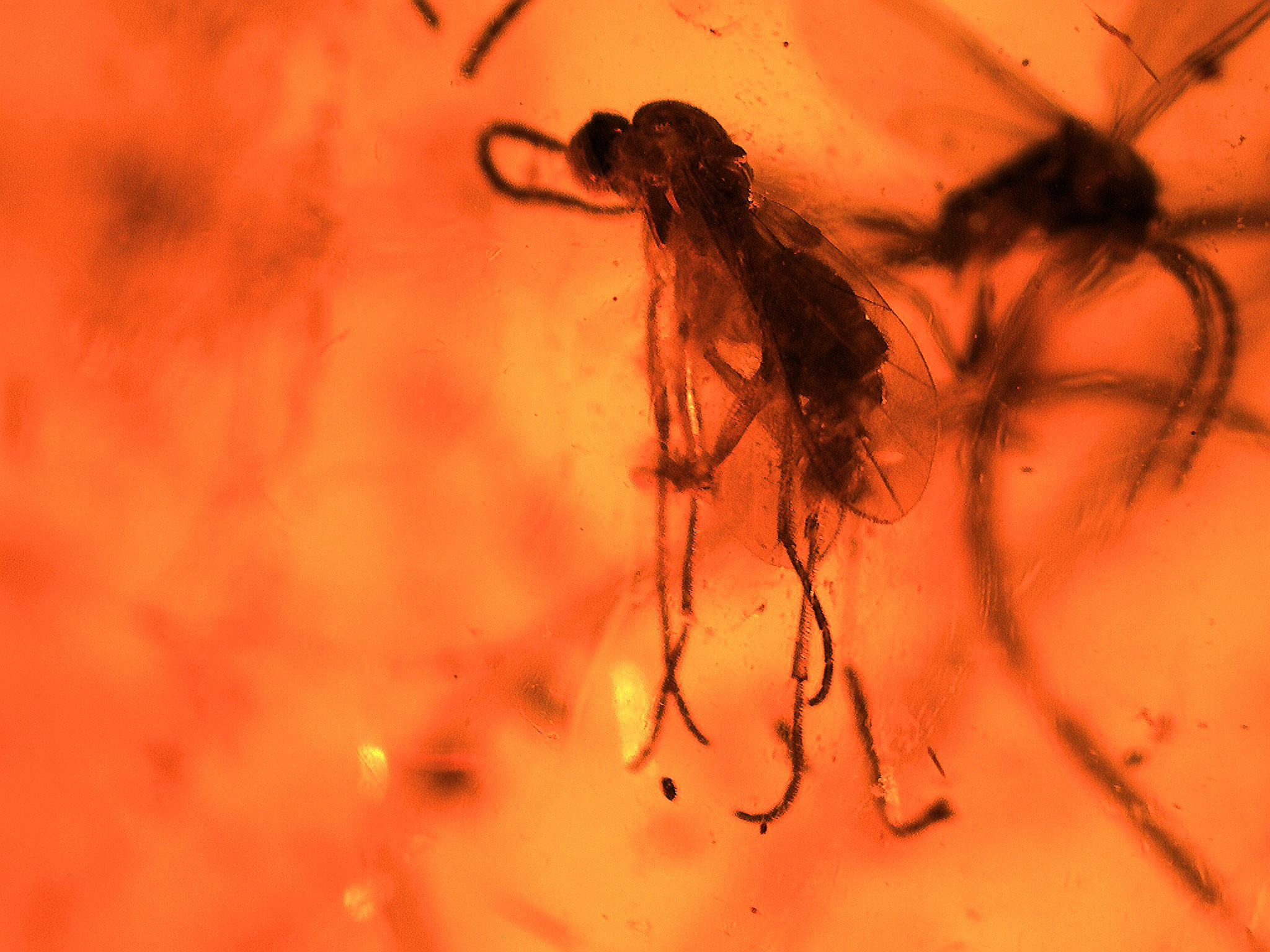
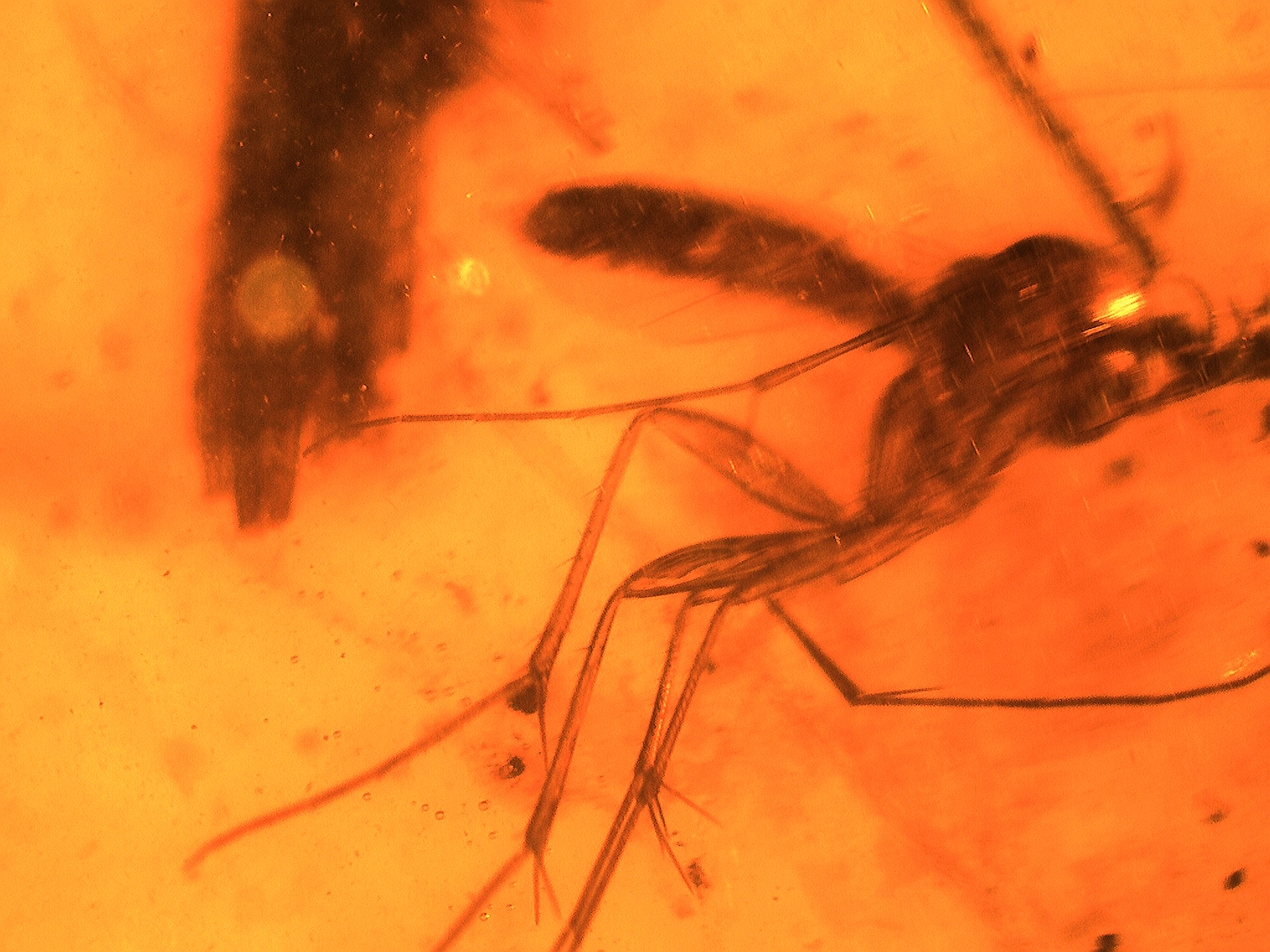
Interesting piece. This has a large long legged fly, Diptera, Dolichopodidae (?), an unknown beetle (not sure about this one), two fungus gnats, Diptera, Mycetophilidae and a moth fly. It has some other stuff also. A lot of the animals were caught at the 'interface' of two layers of resin - easily seen in the photo.
Item 37
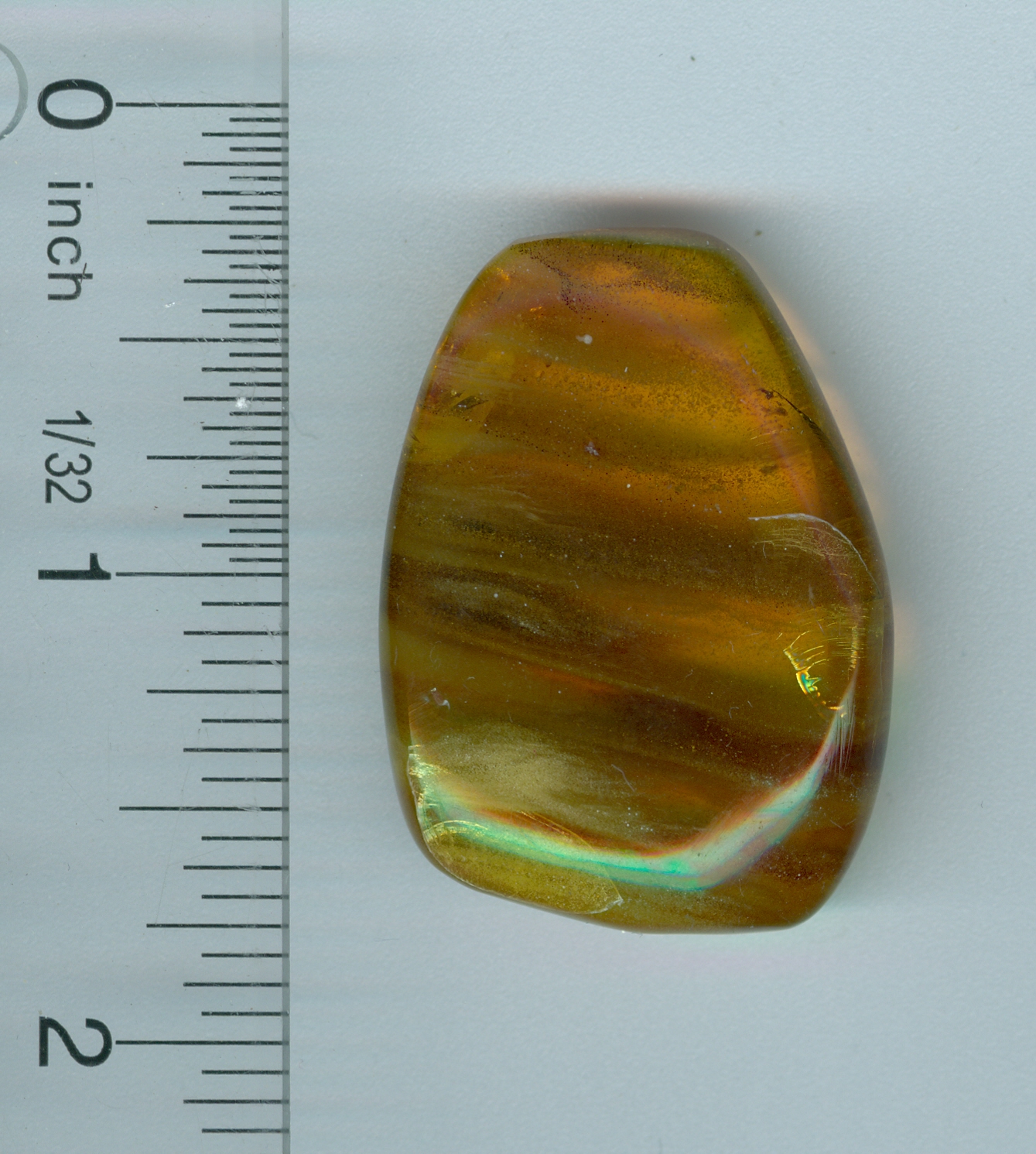
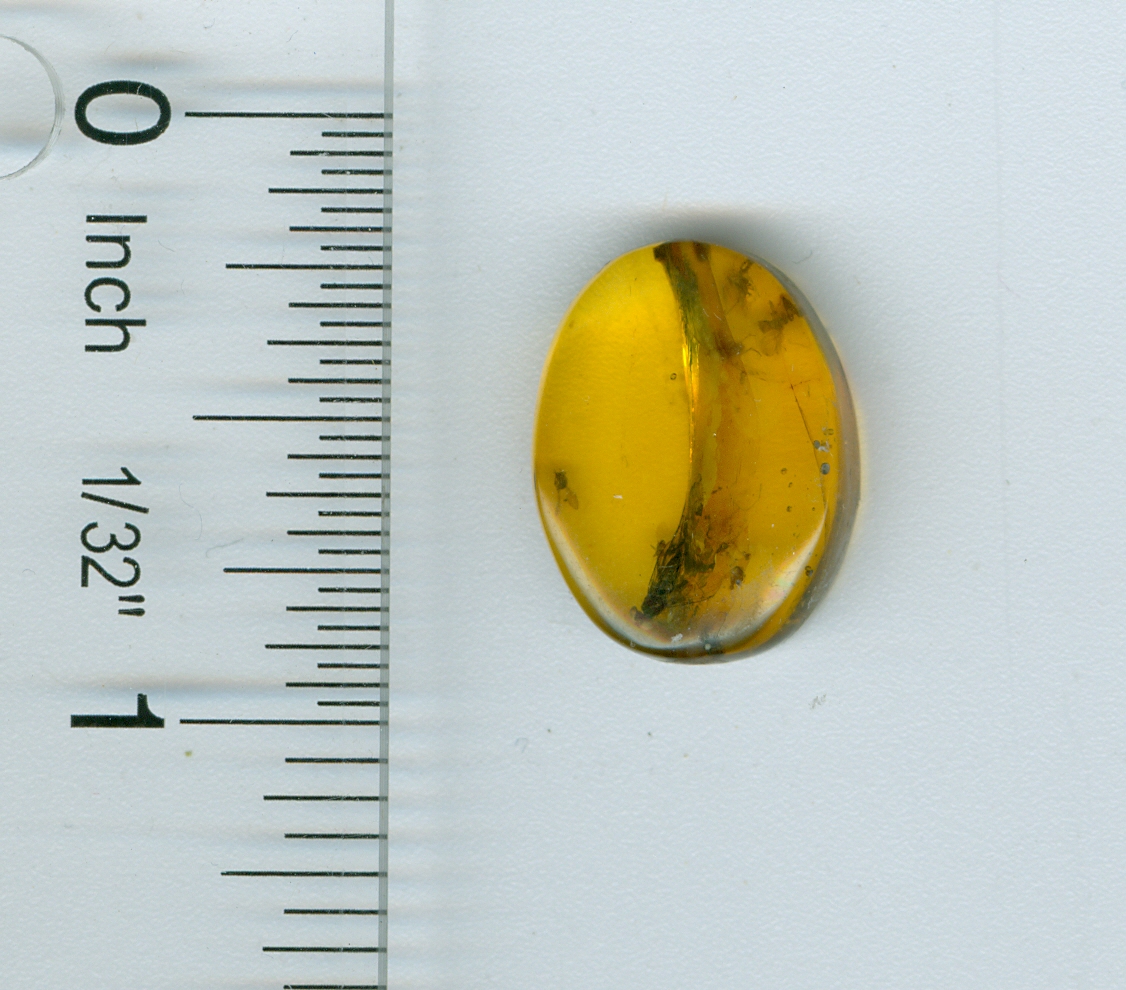
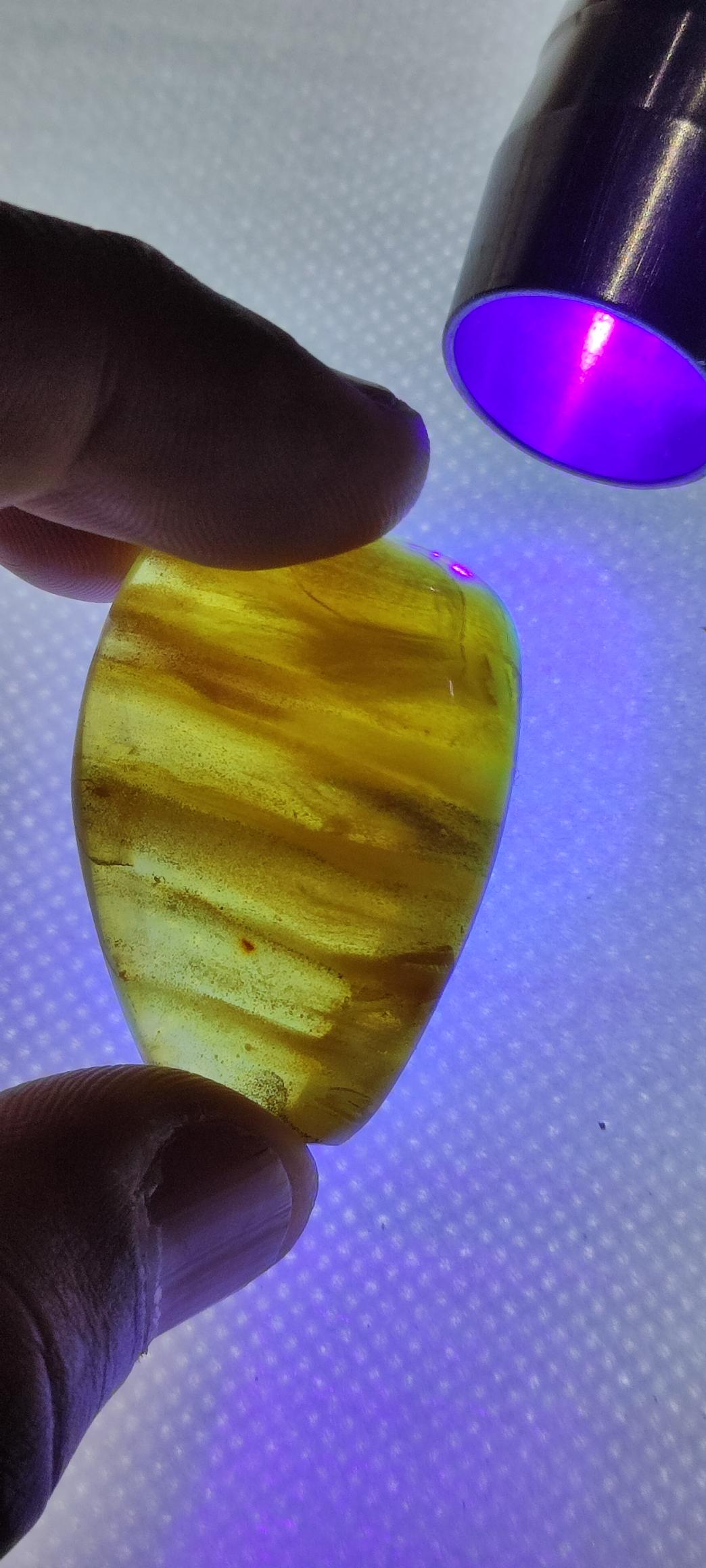
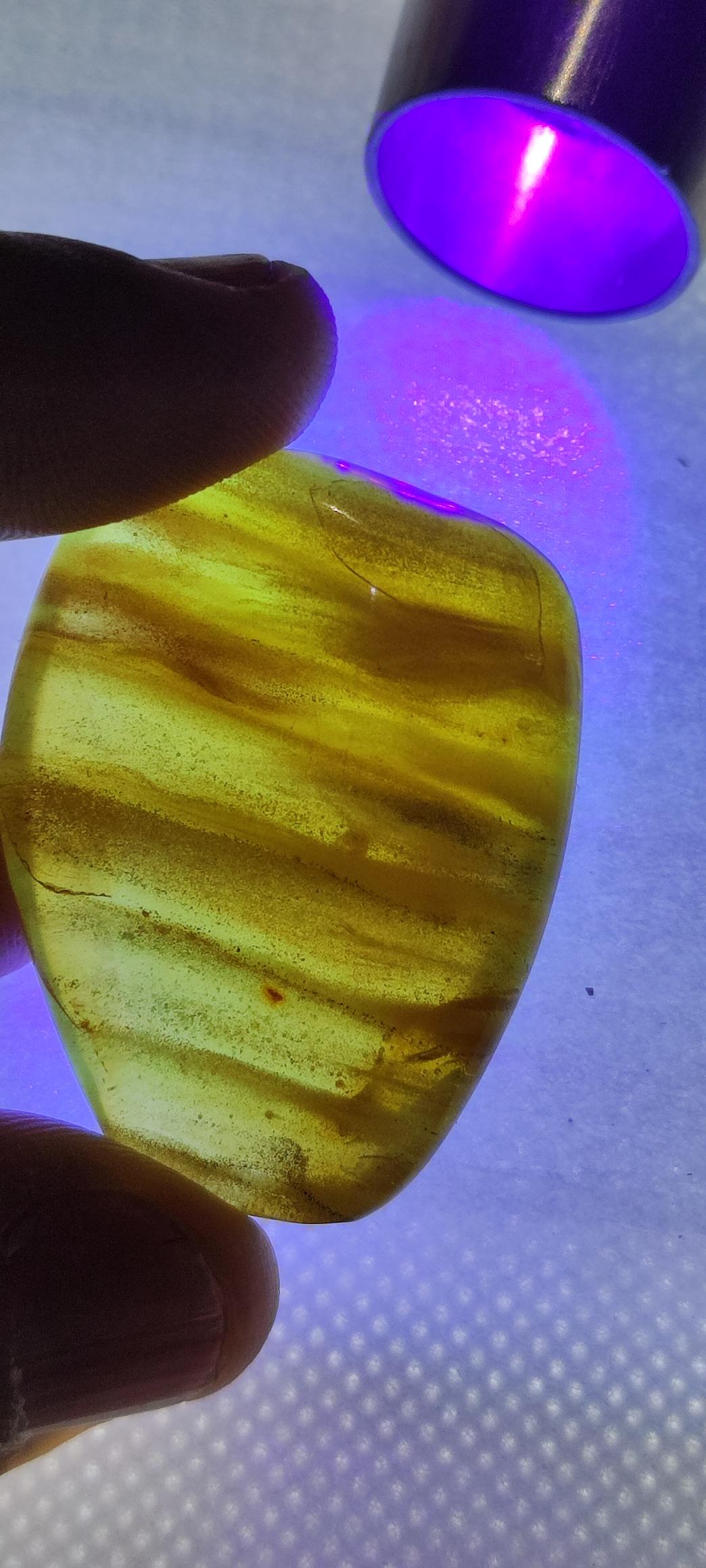
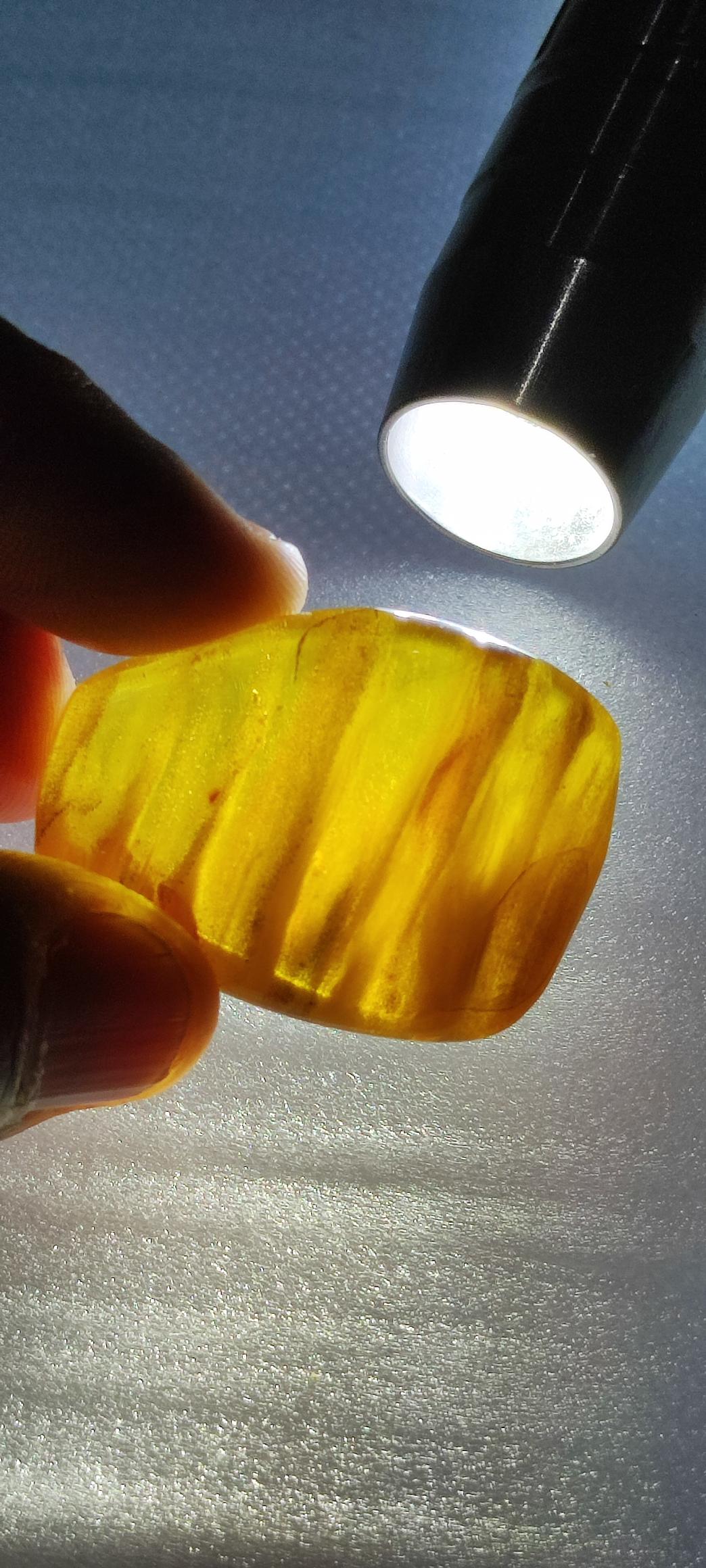
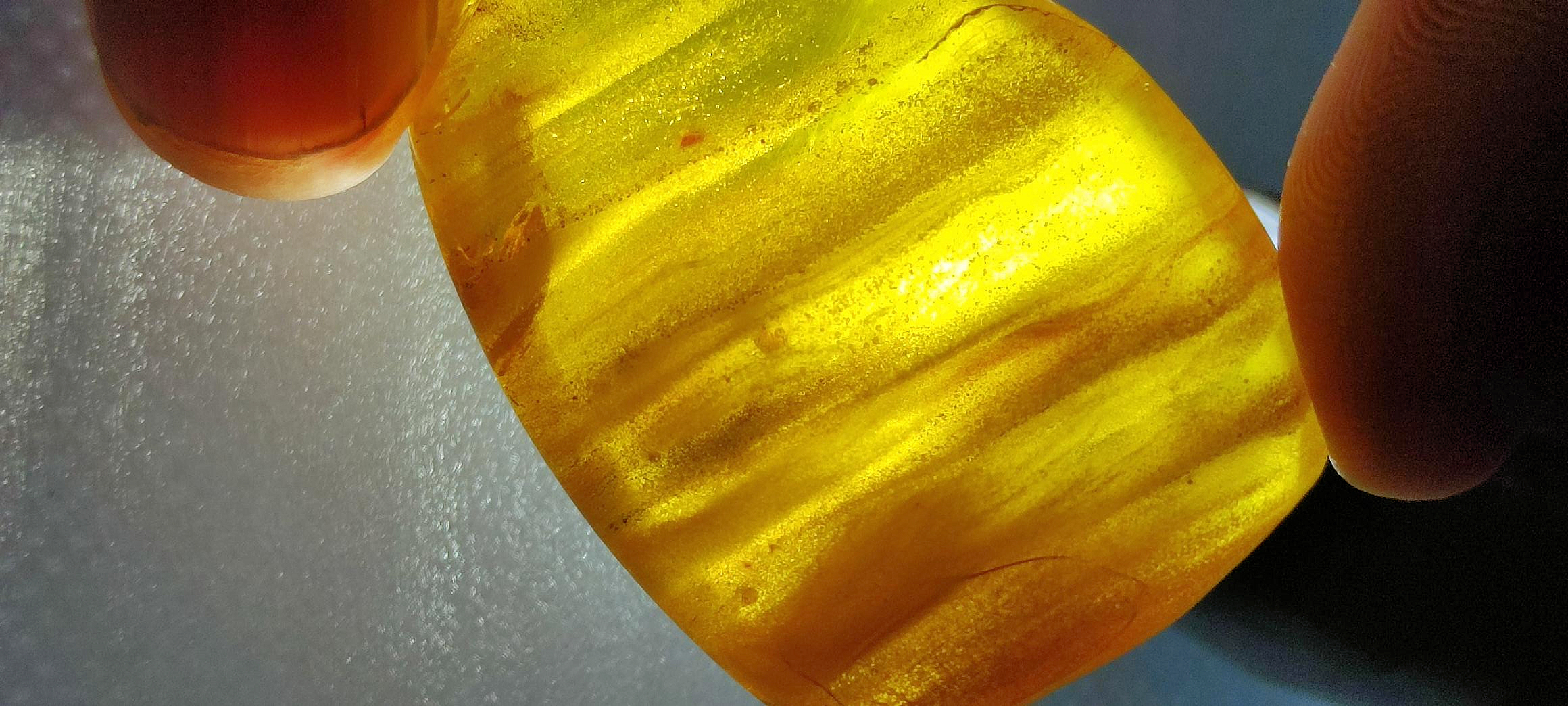
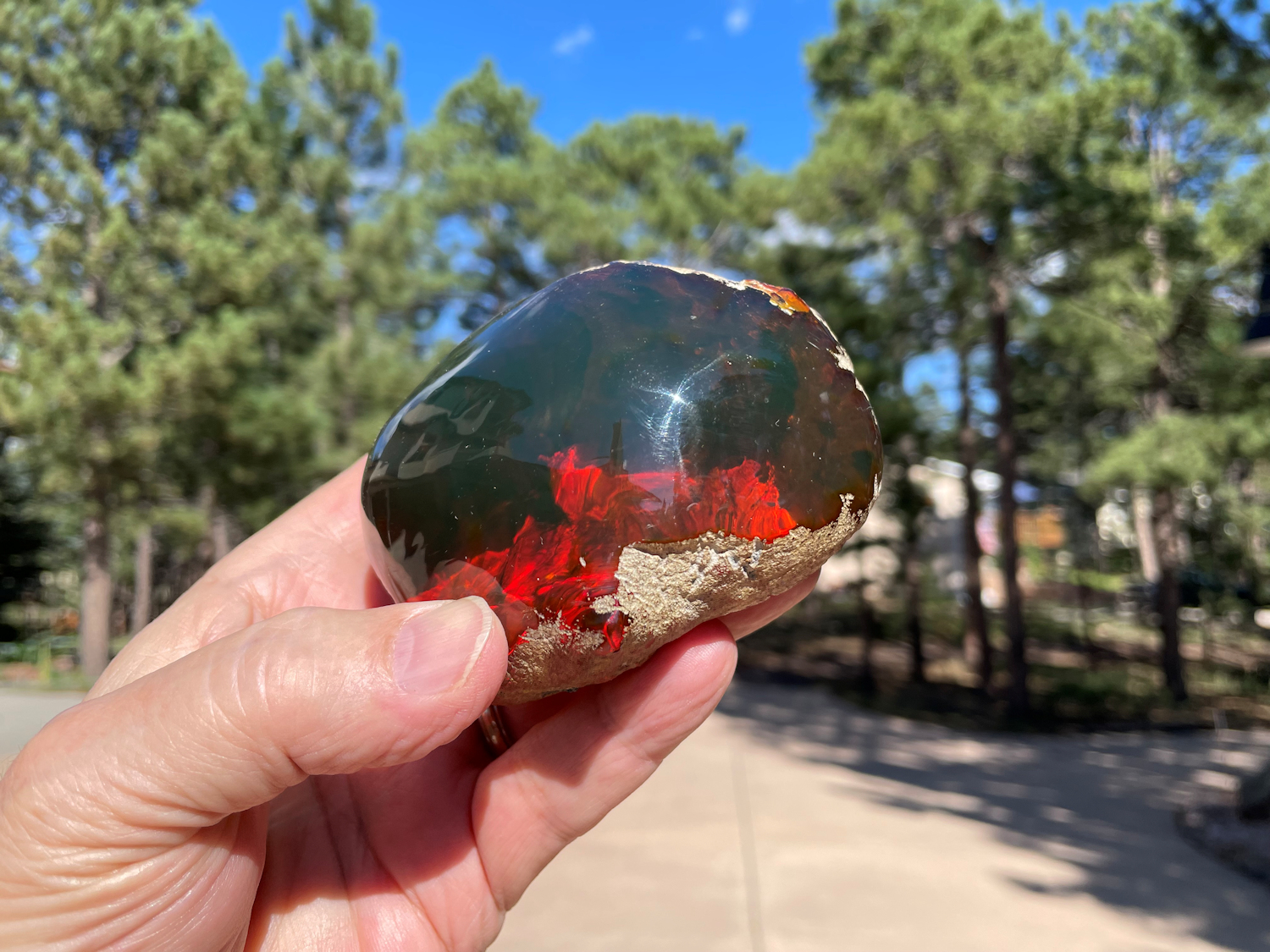
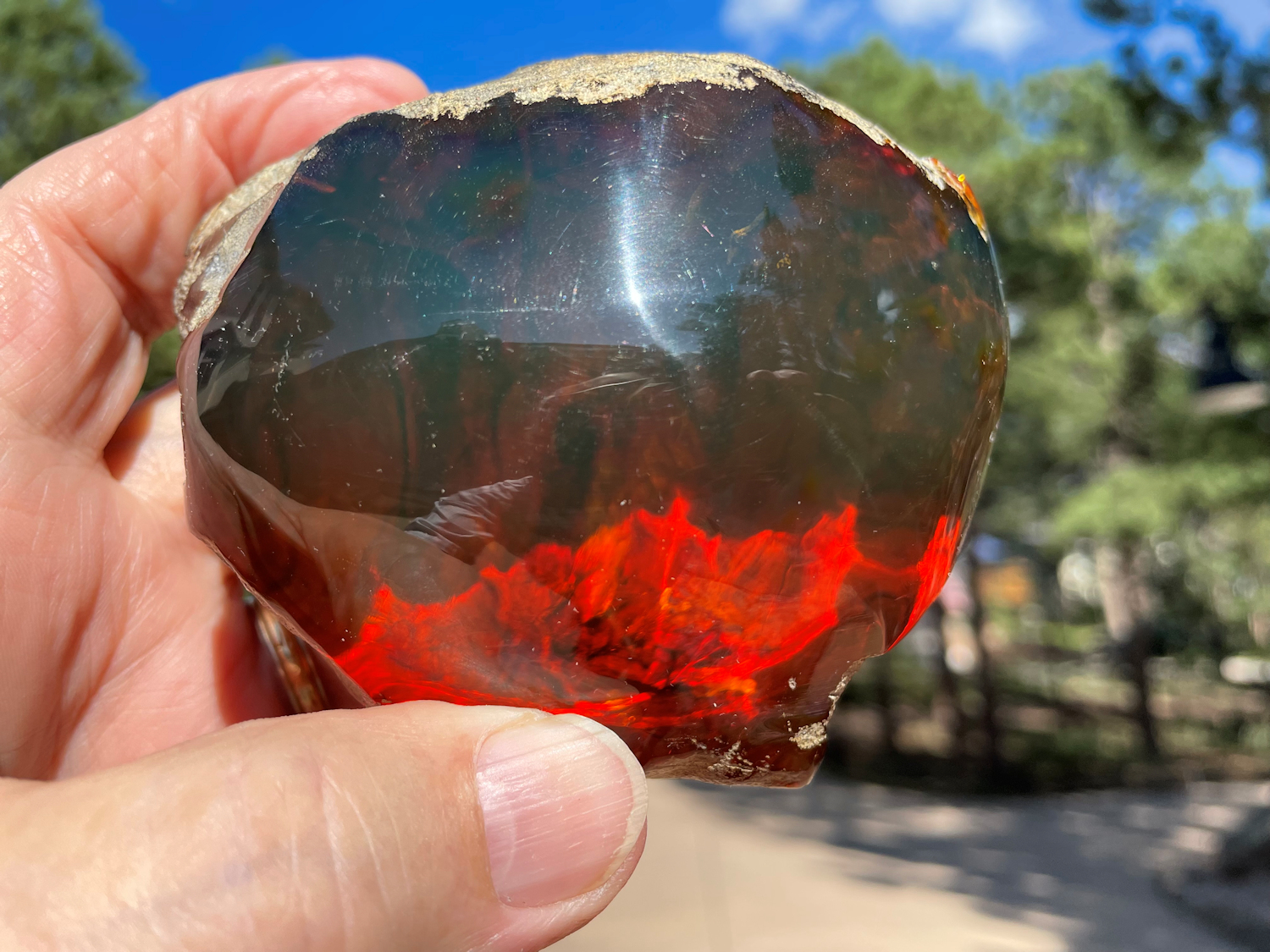
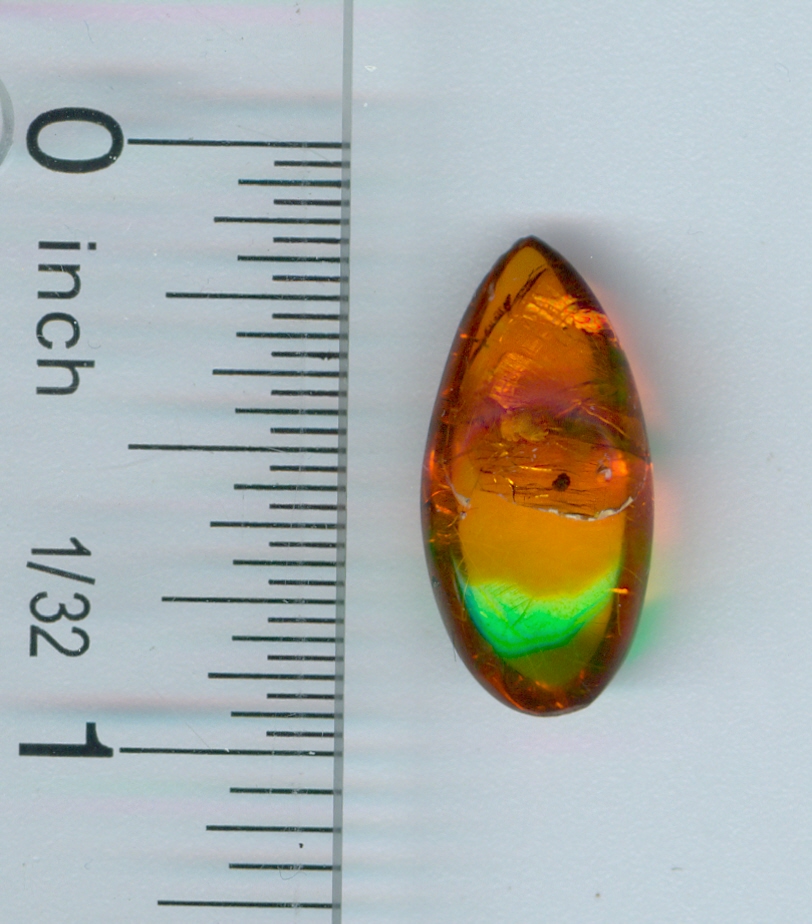
No insects here - just color. And what a color this is, just magnificent. This is the PREFECT piece to be made into a pendant. A thin gold band around it with a hook so a chain can go through it and you have the ideal gift for anyone at anytime. This is an impressive piece of Chiapas amber.
$108
Item 38

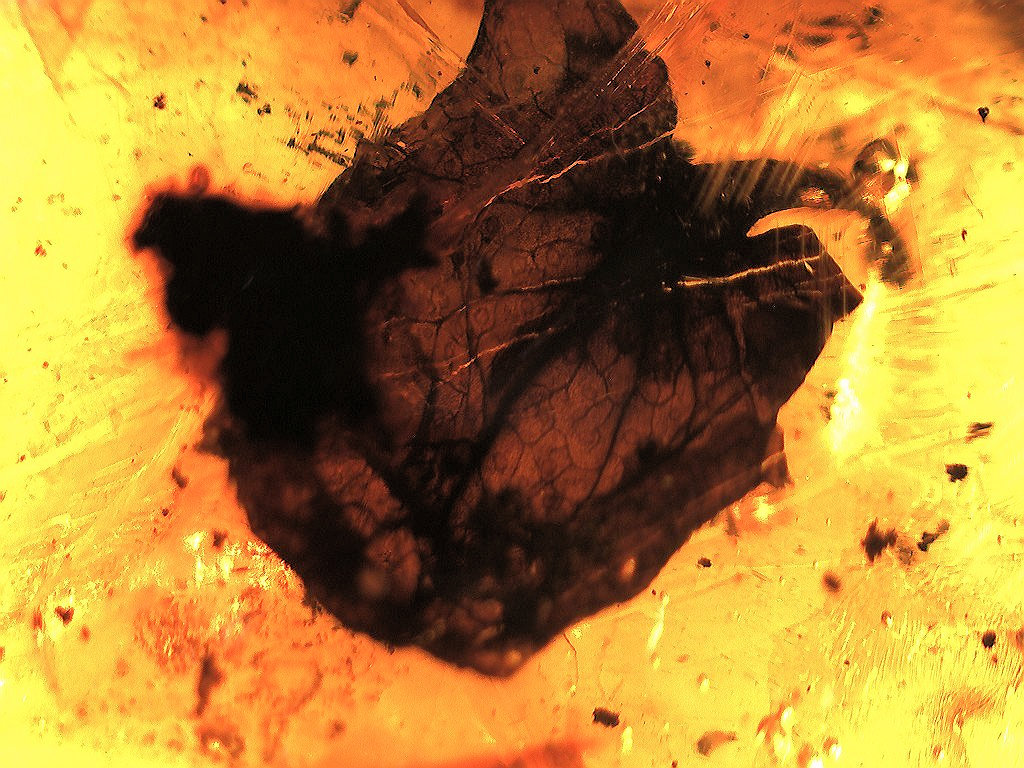
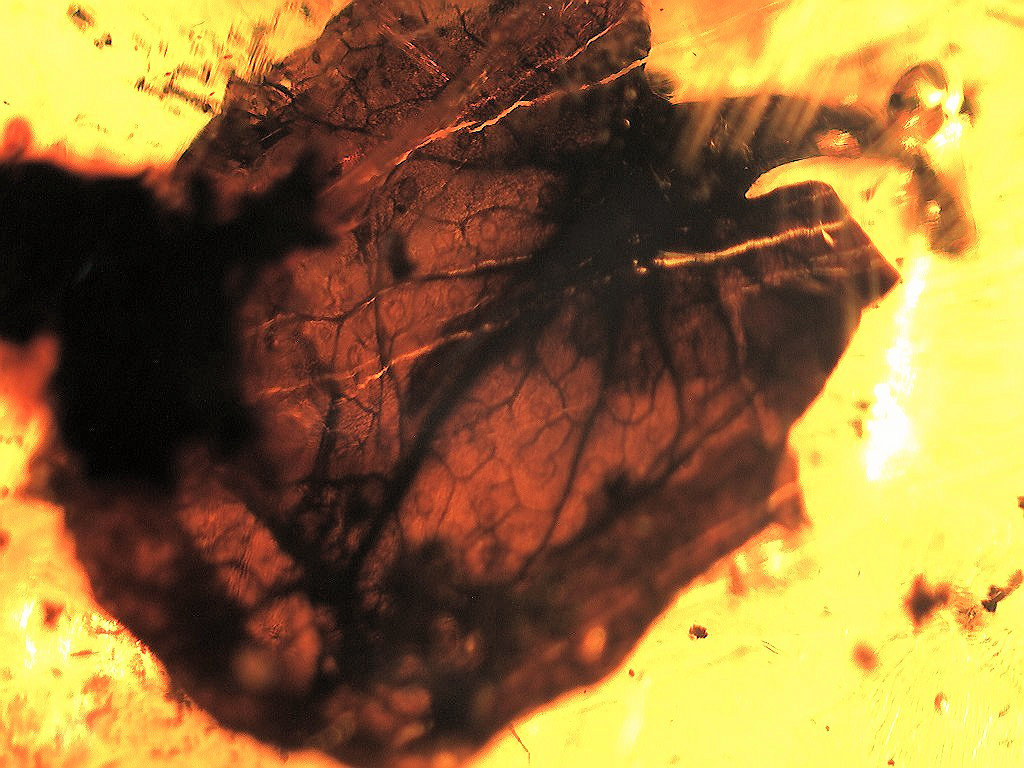
Flowers for my lady? Here is a 24 million year old Acacia flower - similar to the one's now-a-days. Rather unusual to see the stamens intertwined with the pistil in the center awaiting fertilization with pollen. This also has an unknown insect off to the side.
Item 39

Ya' gotta love this one. There is a complete cricket. The long antennae are both present and all the body parts. In fact you can discern the body markings. Quite an impressive fellow. Not far from him is the largest springtail I have ever seen (they are normally VERY small). Thrown in a couple wasps and this is quite the piece. Finally there is a fungus gnat, Diptera, Mycetophilidae.
Item 40

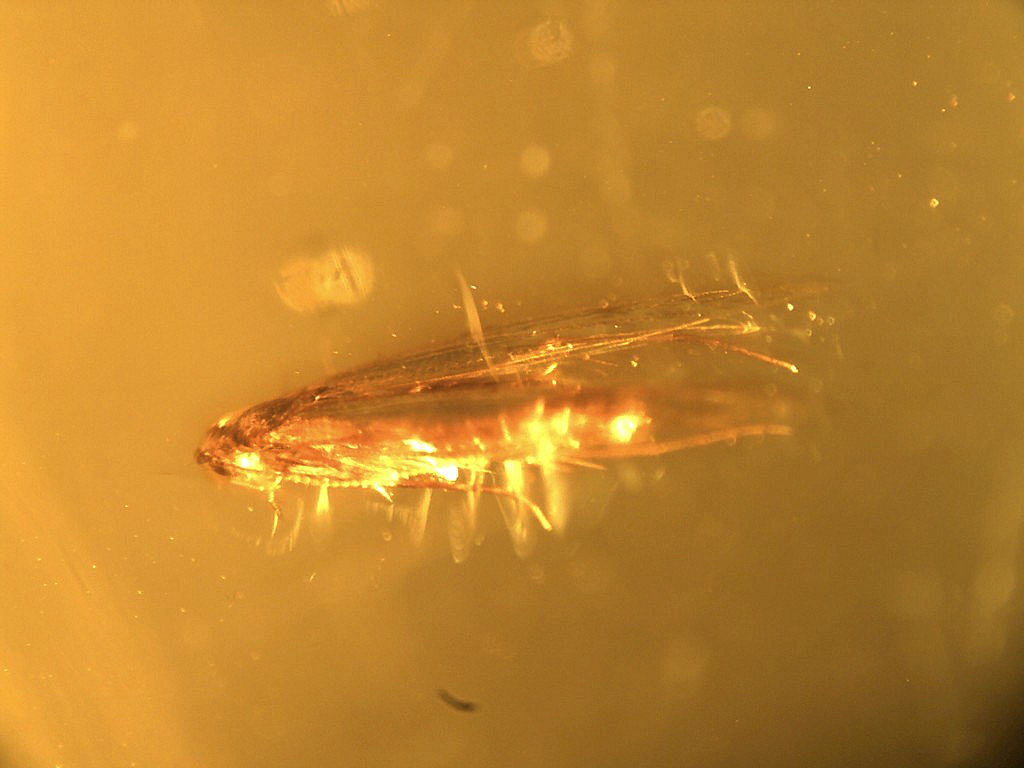
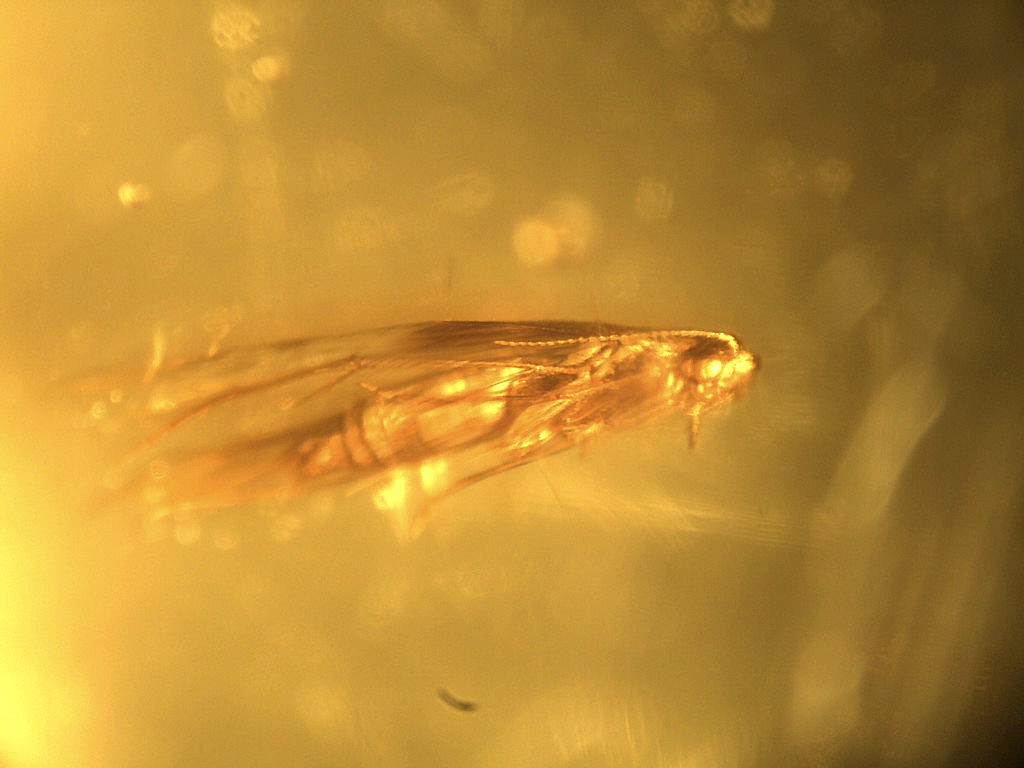
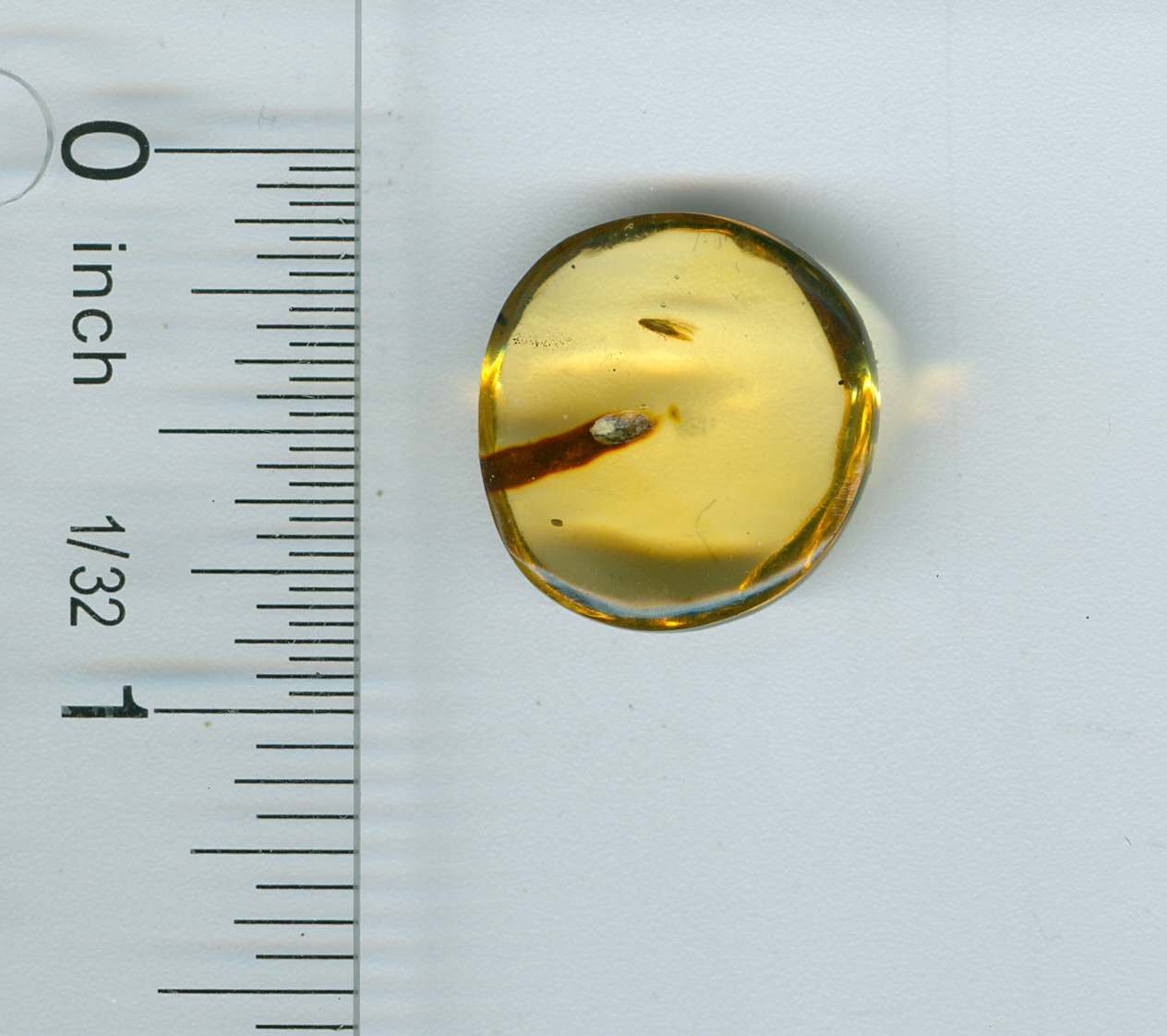
This is a perfect piece to have made into a pendant. Perfect shape, very clear, great color, great size. It has part of a stick going through one side of it. This also has a small, perfect caddis fly, Tricoptera.
Item 41
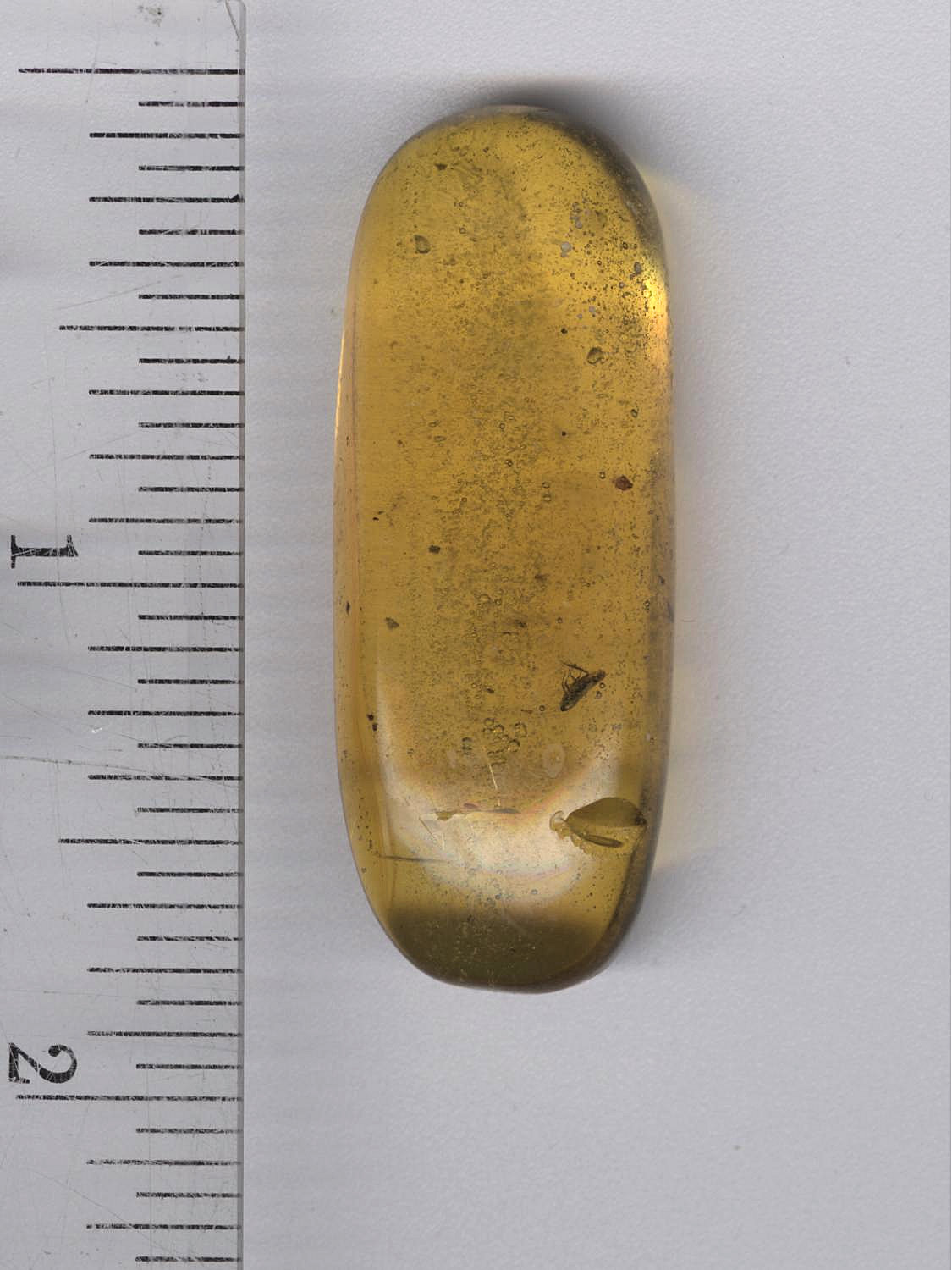
There is a planthopper, Homoptera, Issidae (?) in this long piece of amber. Also a true midge, Chironomidae.
Item 42

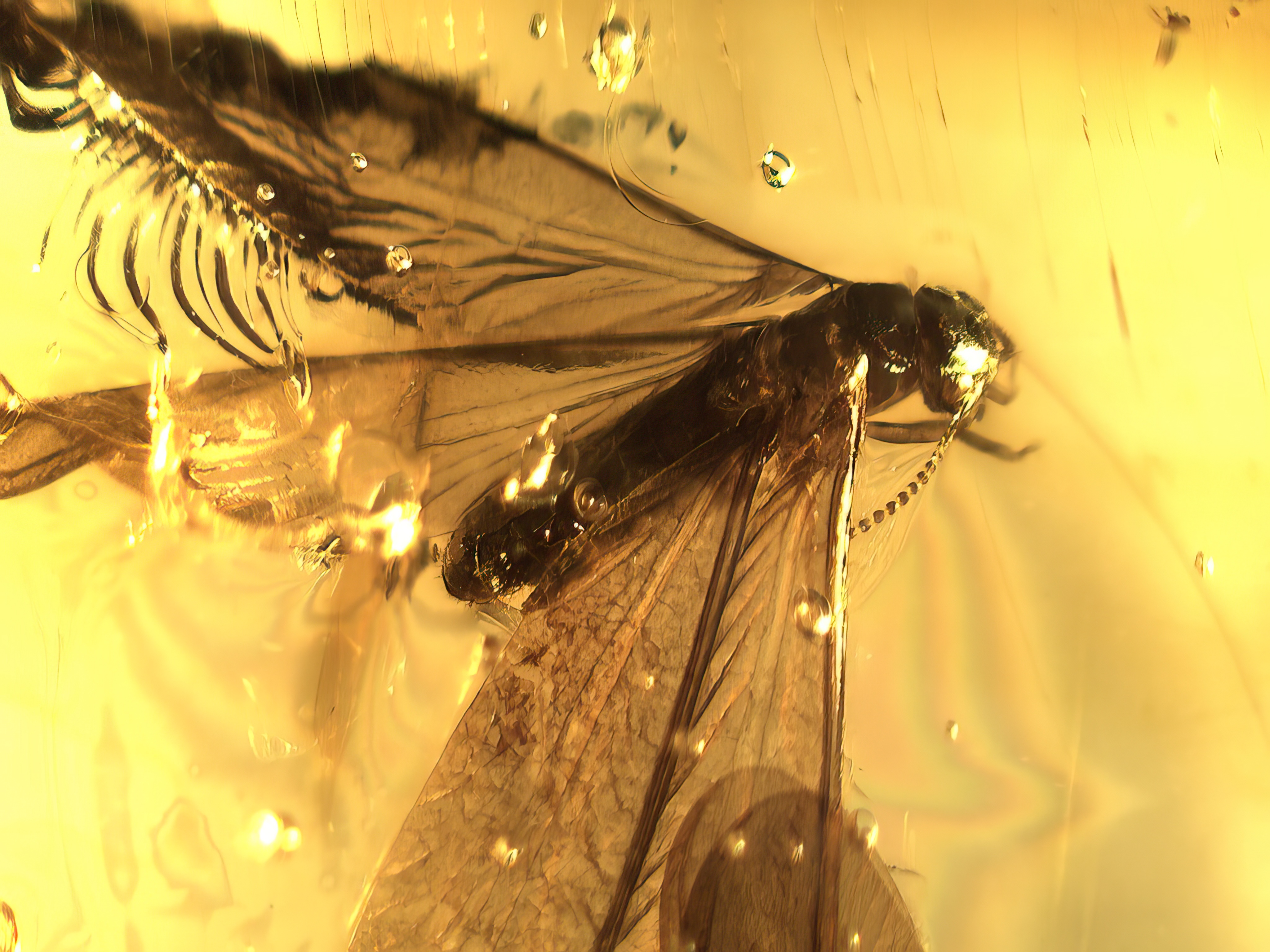
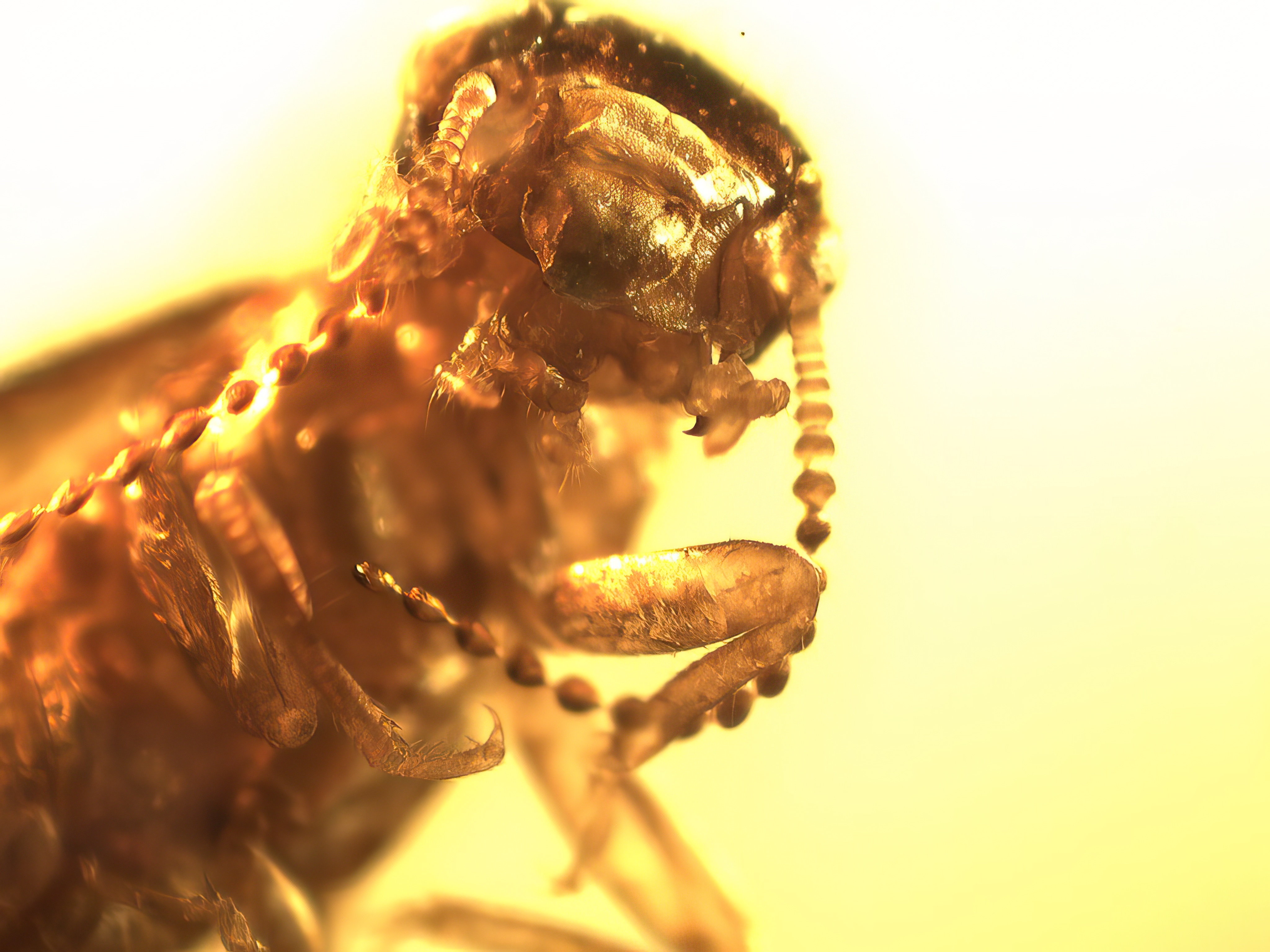
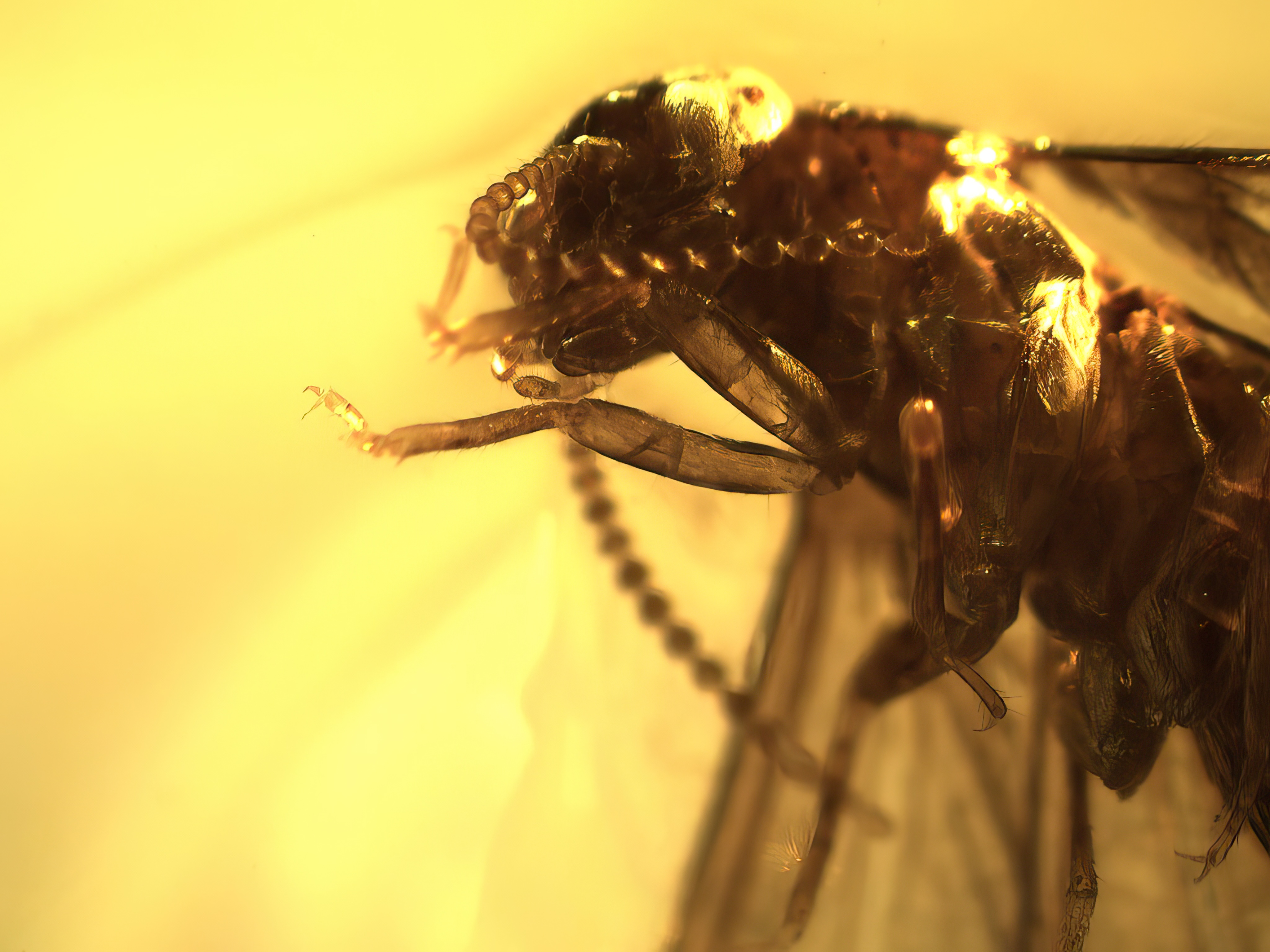
Ever wanted a perfect specimen of termites in amber? Here it is, in Chiapas amber from Mexico. Absolutely perfect - detail are great, the amber is clear, this is the perfect specimen to high-lite anyone's collection.
Item 43
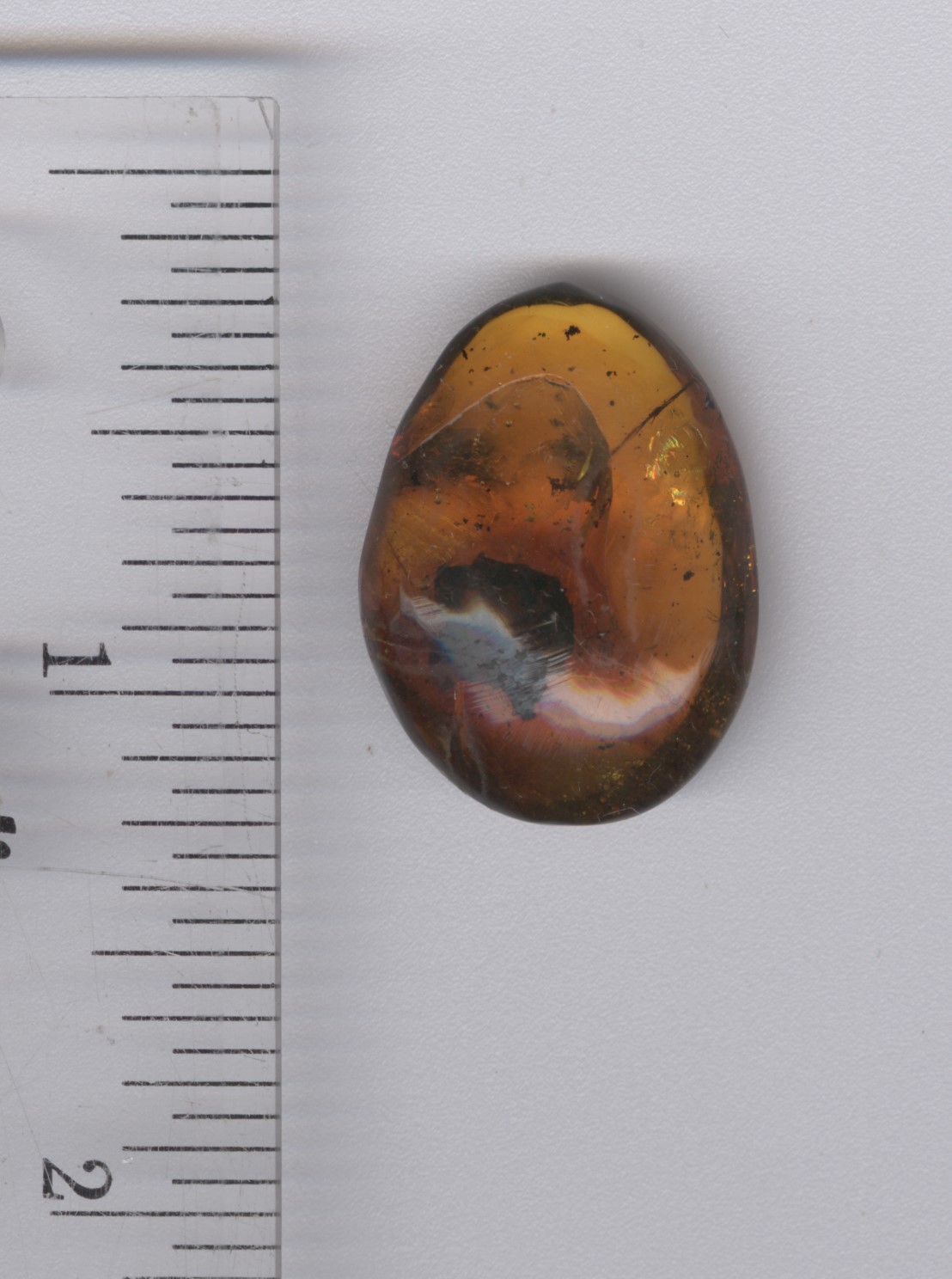
Fascinating piece of amber. First, this does have the rare mosquito, Culicidae - that is rare unto itself - but also has a bee fly, Diptera, Bombyliidae. The Bee fly has some fungus at it's center (really cool). There is also a small midge. I hate to describe midges as small - they all are! Finally there is a crane fly, Tipulidae at the edge.
Item 44

At first I thought it was an Isopod, then decided a wasp and now I think it is an Isopod. Had to say (for me). This is a 'smallish' piece of amber.
Item 45

If you like legs, this is it. There are a scad of crane fly legs all over. Probably a mating swarm that became stuck in the sticky resin. There is a lot more, this has a beetle, a small primitive fly Neuroptera, and even part of a larger unknown animal.
Item 46

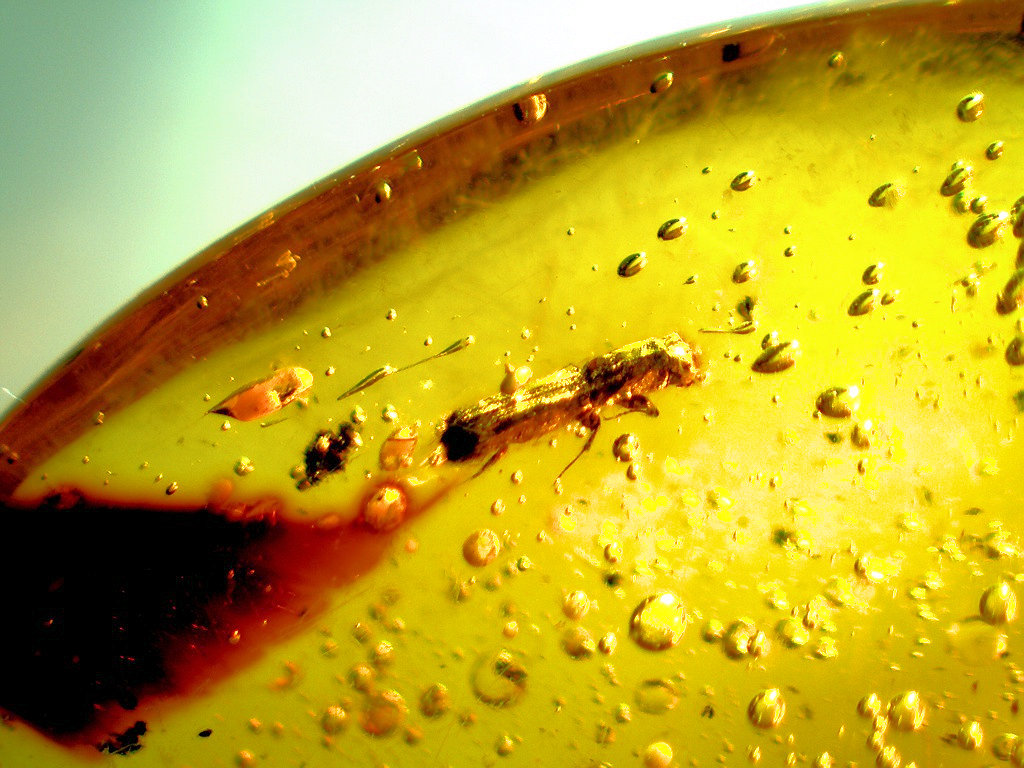
A second look is required here. I think this is a ptilodactlid beetle, Coleoptera, Ptylodactylidae. The piece is very busy with numerous air bubbles and another beetle, flat footed ambrosia beetle, Coleoptera, Platypodidae. the amber is large and very interesting.
Item 47

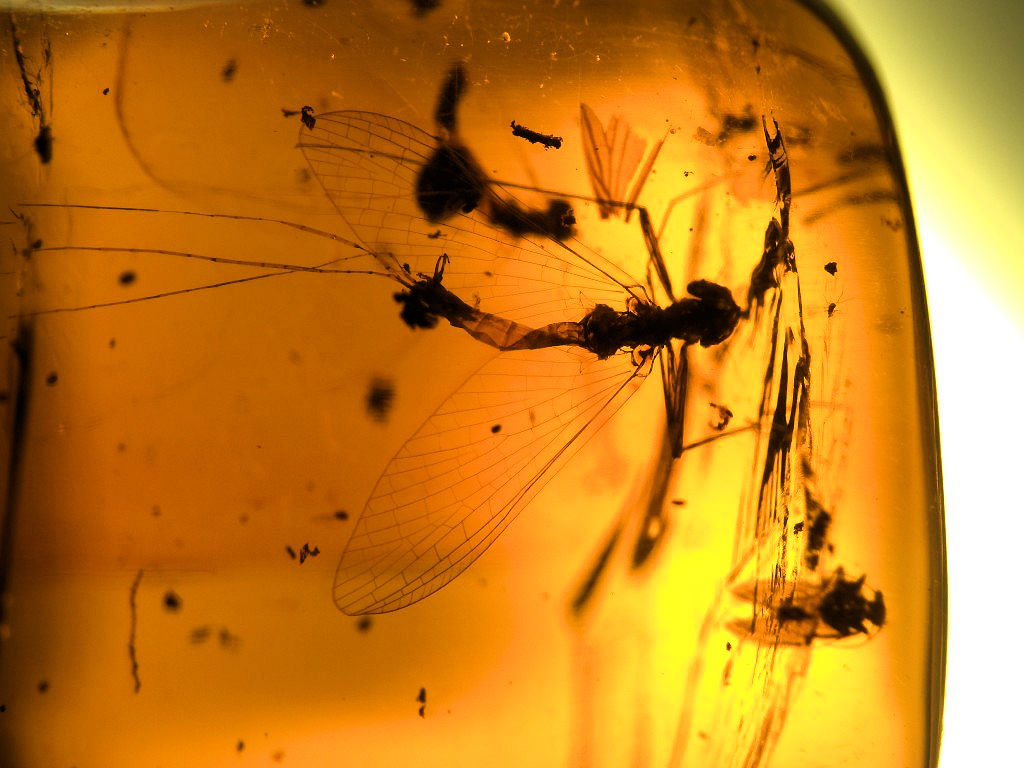
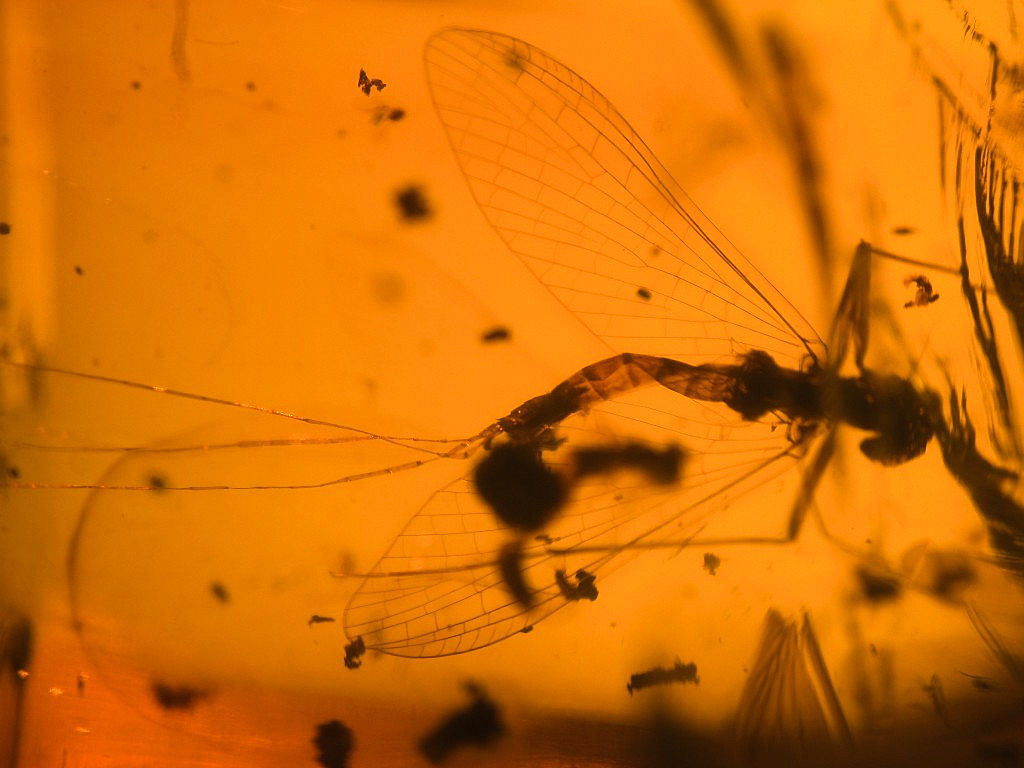
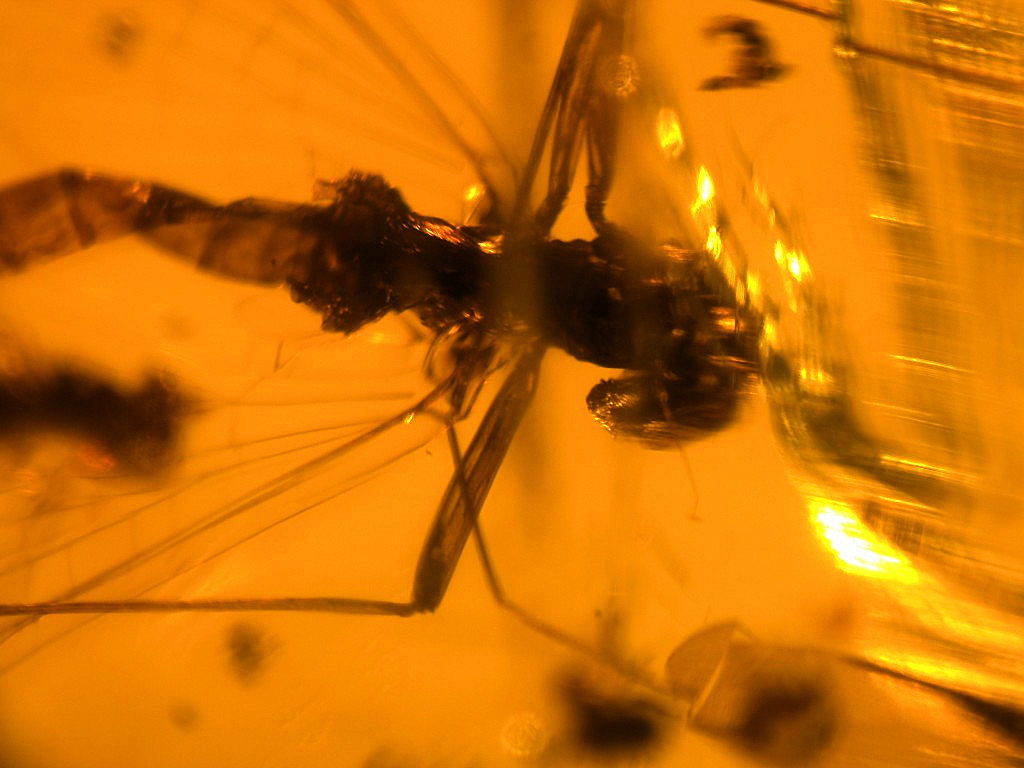
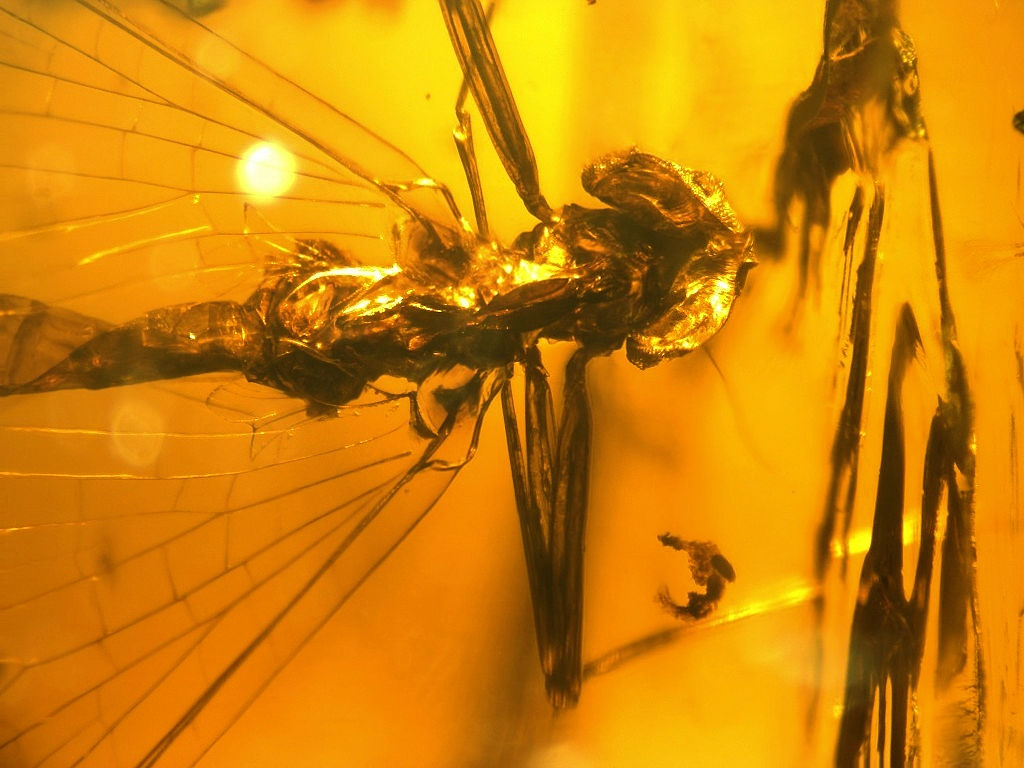
If you recognize the wings, then you know that this is a mayfly Emphemeridae. This is a male since the cerci are so long. This specimen with all three cerci intact is very rare. Mayflies are characterized by protruding eyes. Hind wings are small and rounded or very reduced. Mayfly adults enjoy a life span of no more than two days. On the transition from nymph to adult stage, they fly from the surface of the water for mating, but do not feed. They complete their mating process and die after one or two days. This specimen is perfect.
Item 48
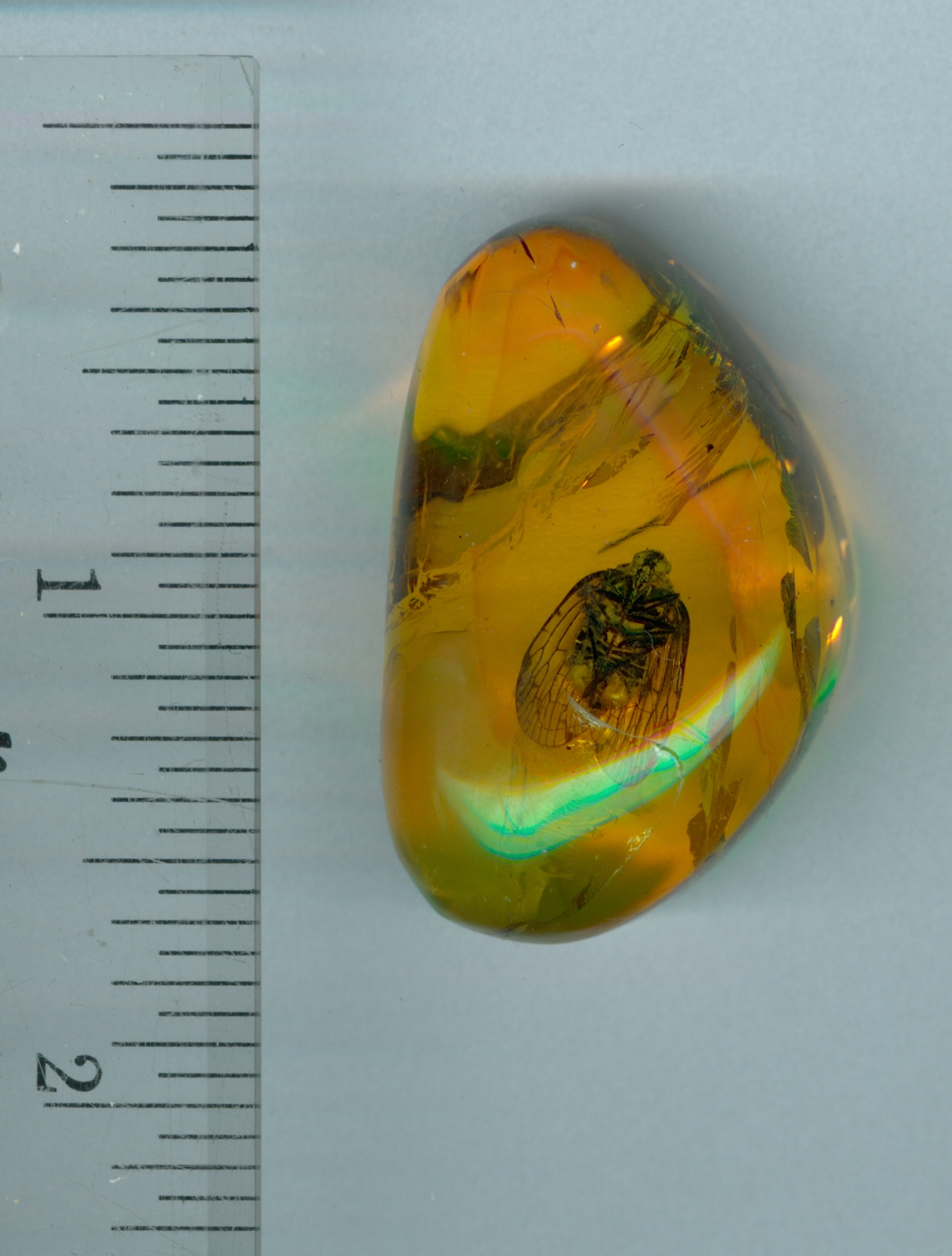
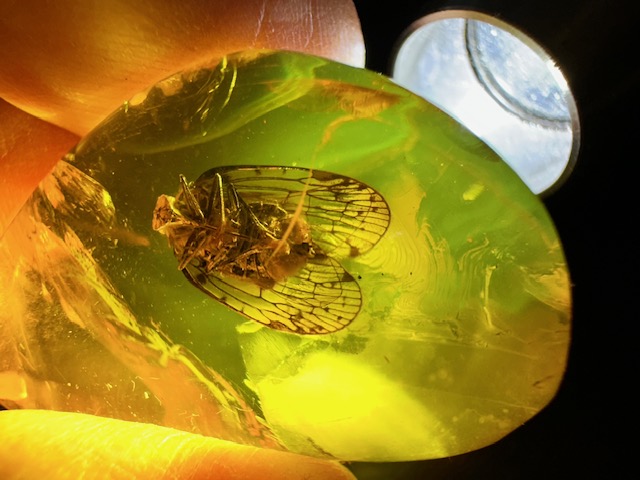
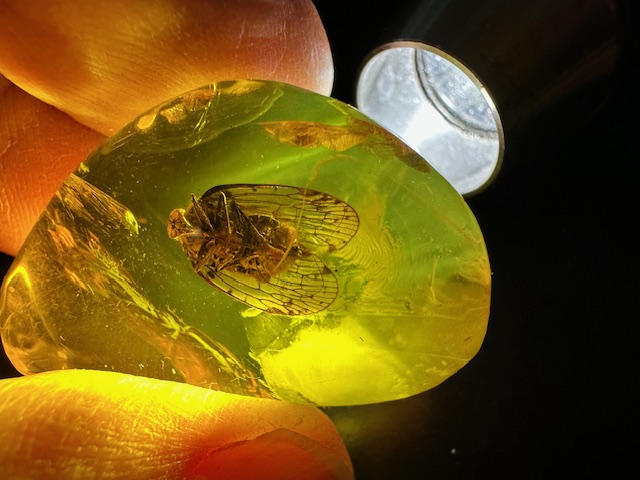
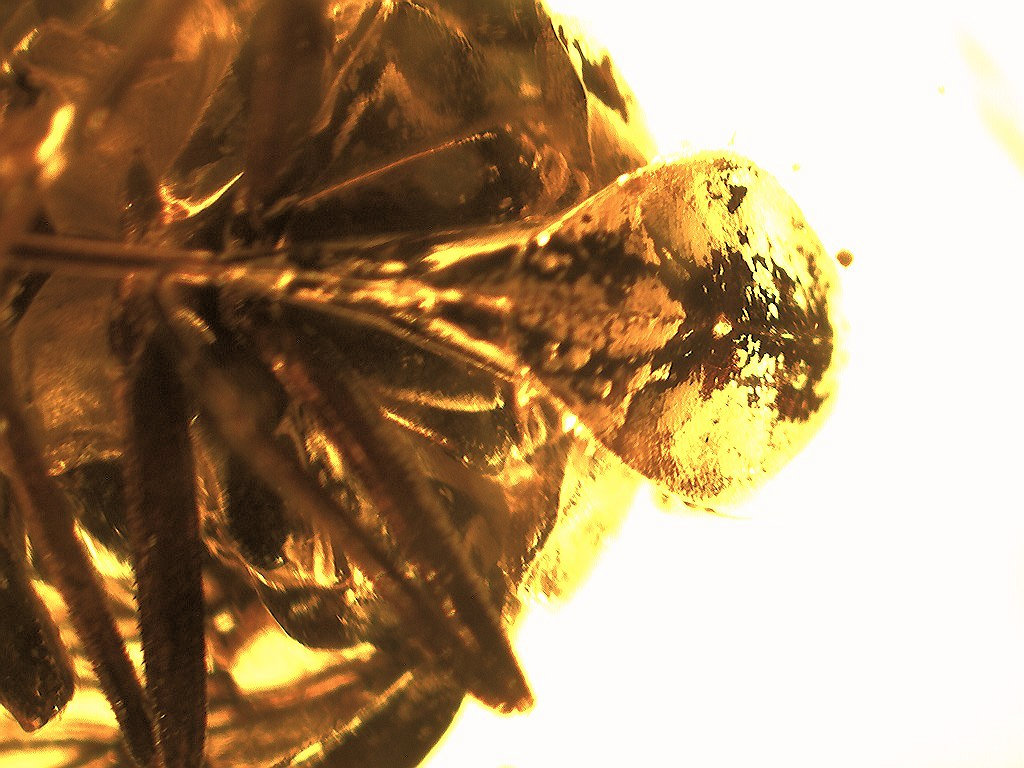
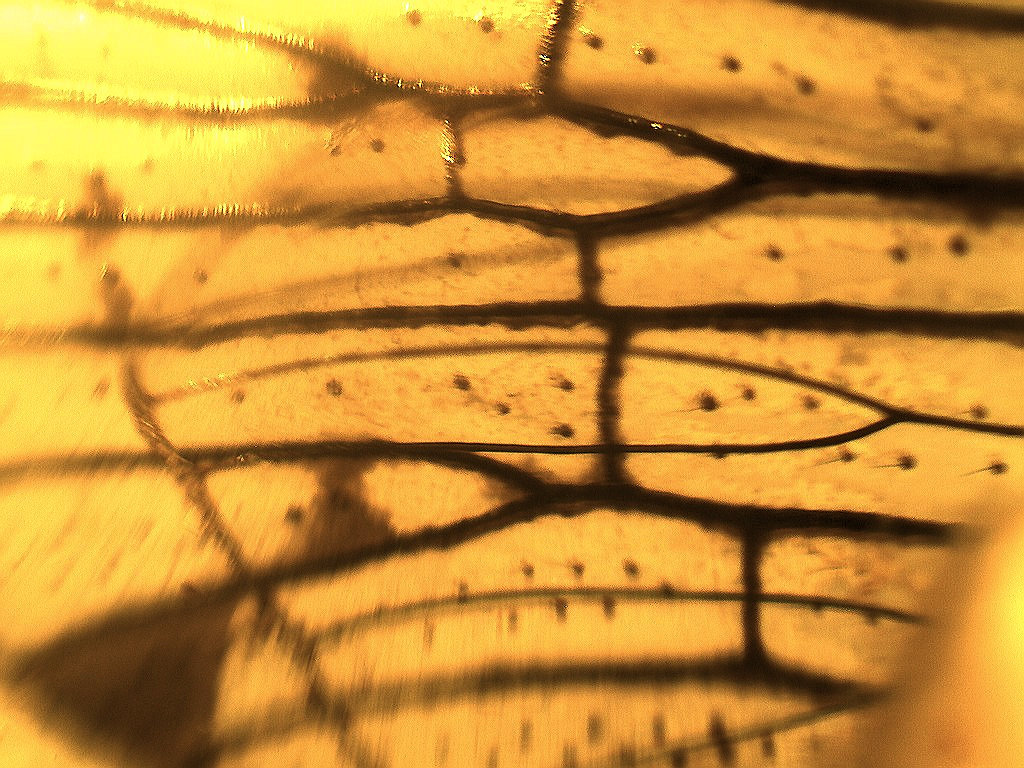
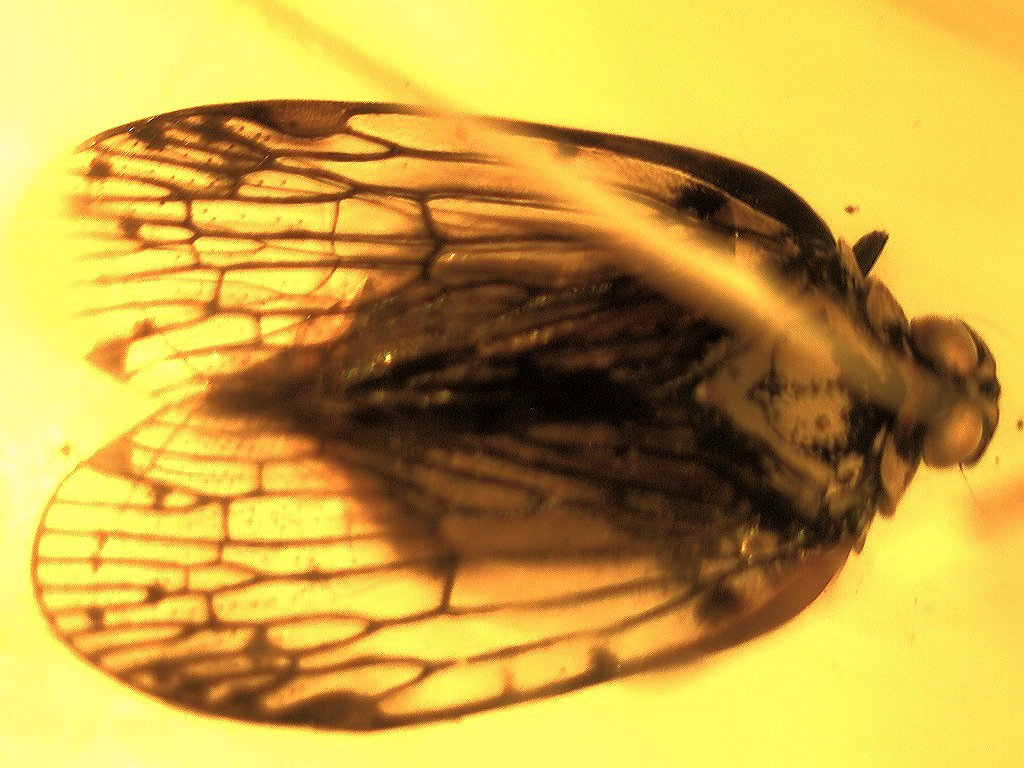
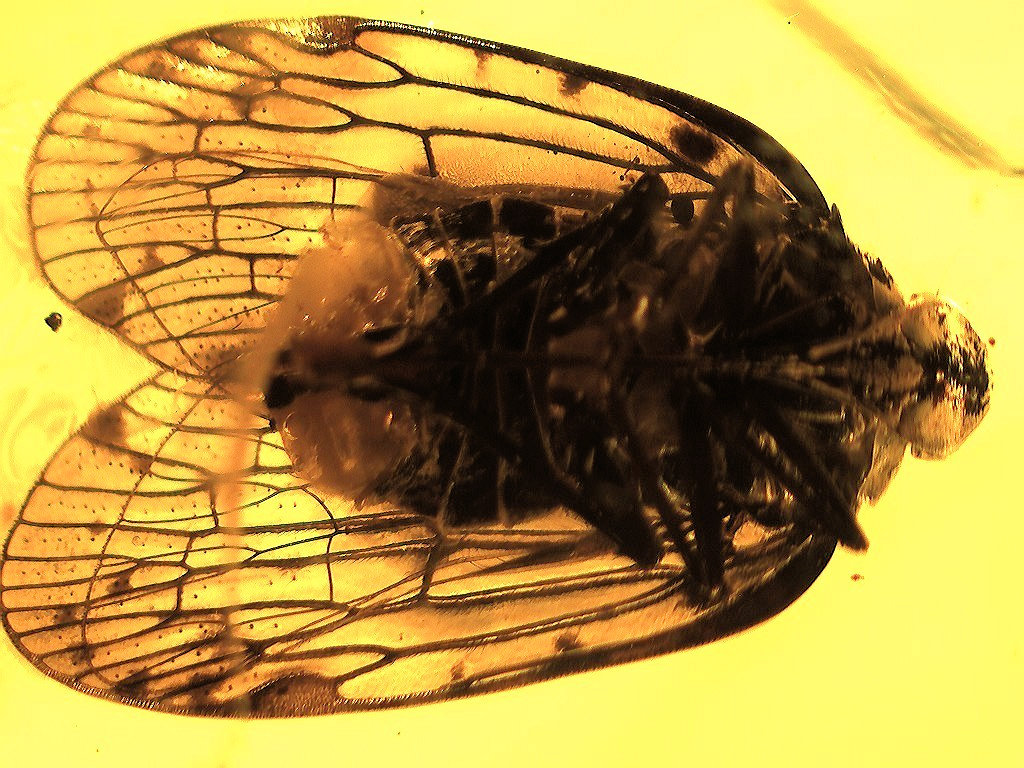
A beautiful planthopper, Homoptera, Fulgoridae, with its wings spread. Impressive and very 'eye-catching'. This specimen has marvelous details on the body, the wings and eyes are breathtaking. This is the type of specimen you cannot go wrong with. Even has a video.
Item 49

A rather busy piece. This has lots of wood debris scattered all over. There is a tropical bee, Hymenoptera, a worker ant and a larger winged ant. Because of the 'forest' debris, some of the insects are harder to see.
Item 50
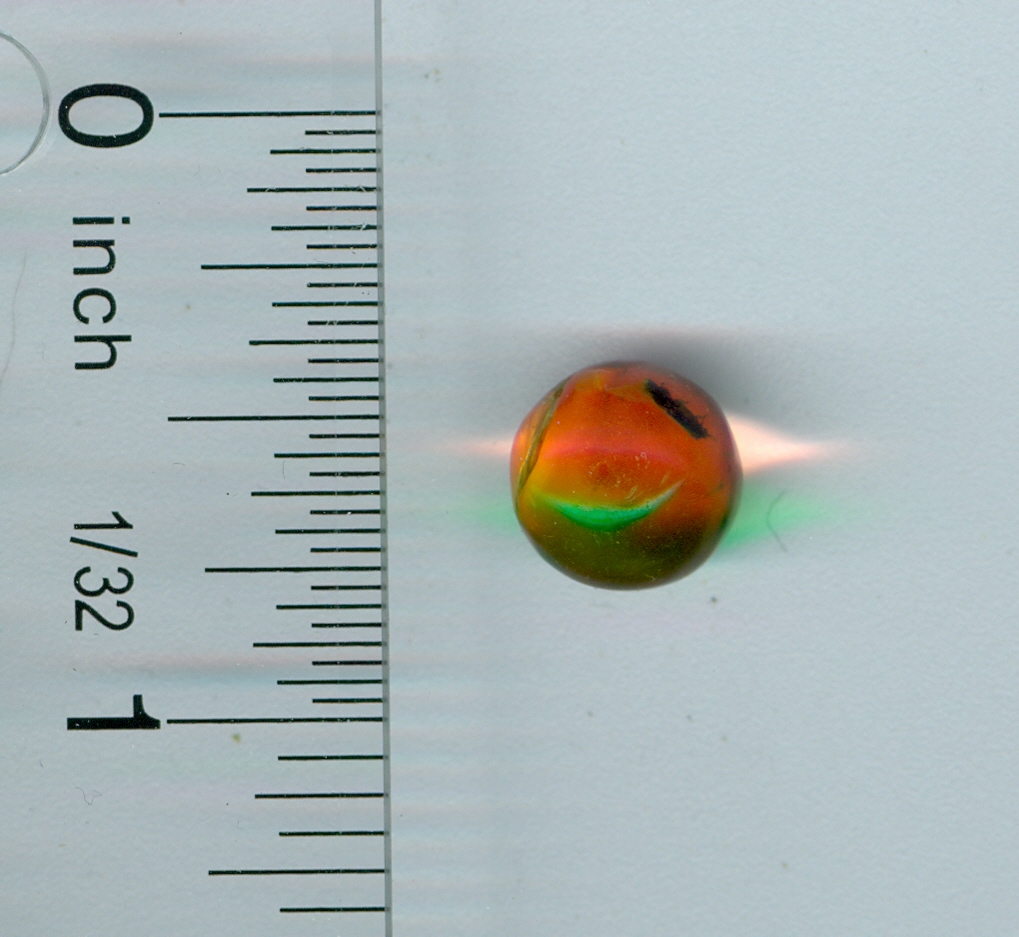
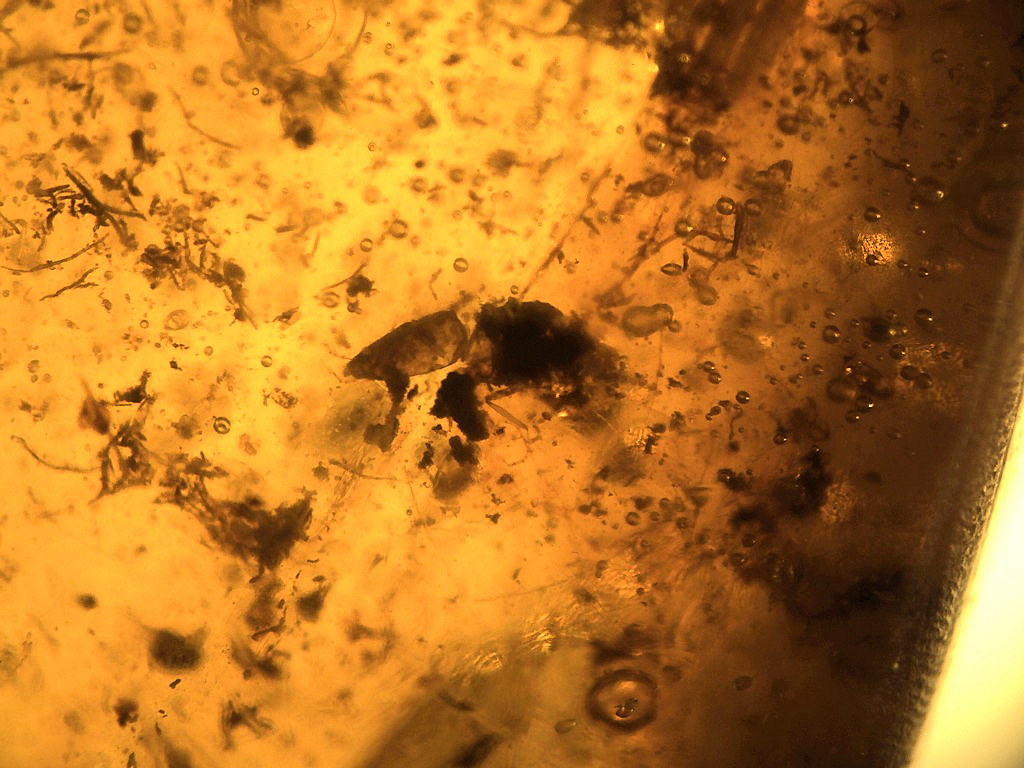
Inside this amber lives a planthopper, Homoptera, Delphacidae along with a wasp, and a large trichopteran (not in good shape).
Item 51
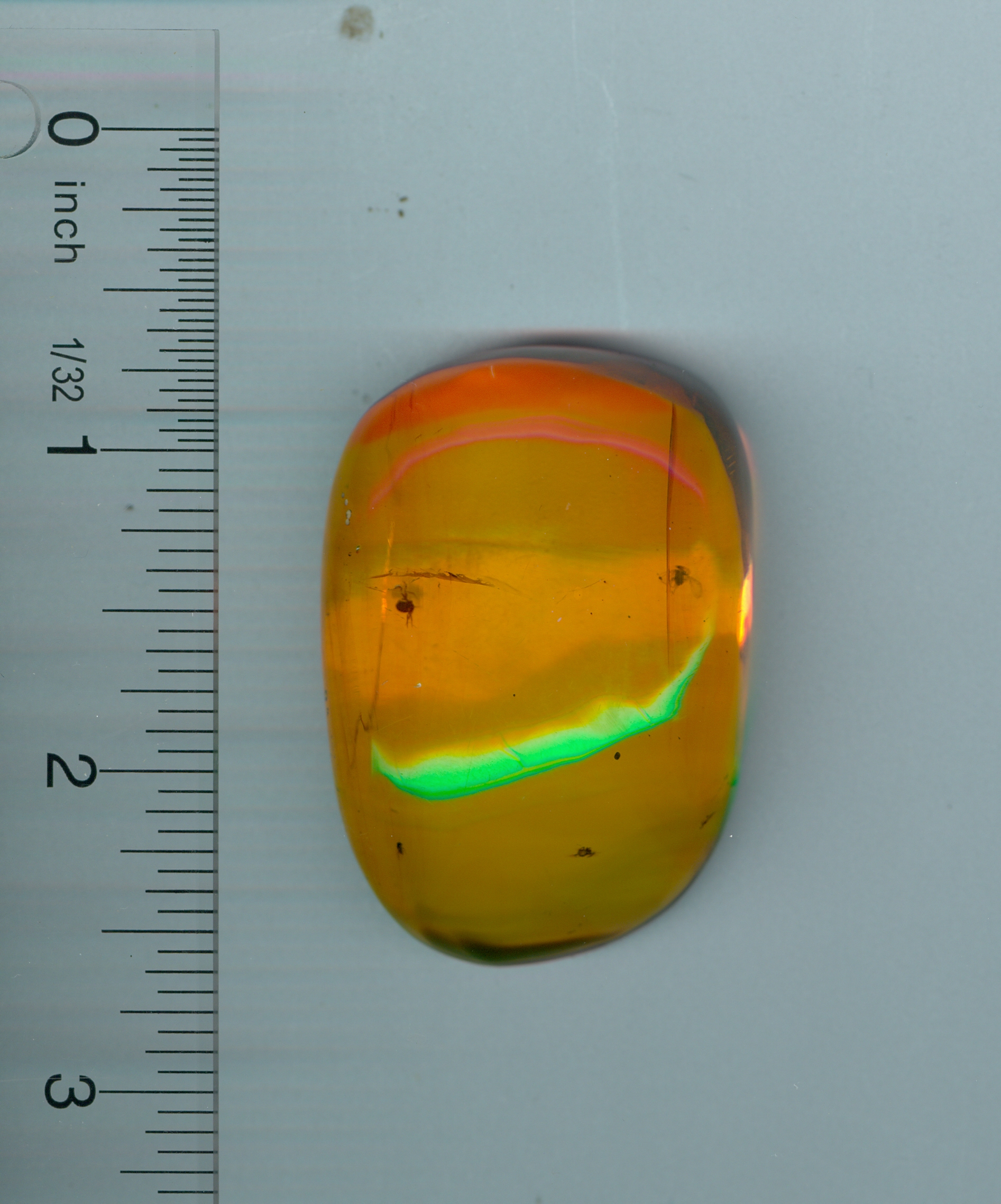
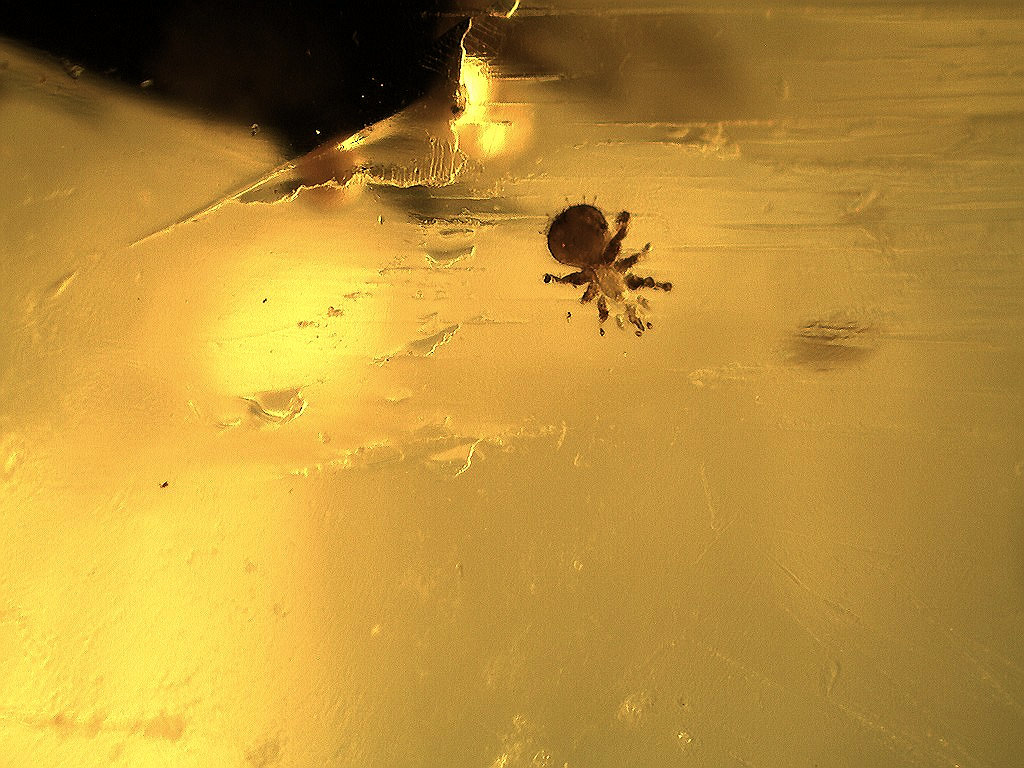
A very large chunk of amber (23 grams). The amber is clear and very good. Inside are 2 small spiders (barely visible with the naked eye) along with some gnats. This is a good piece.
Item 52

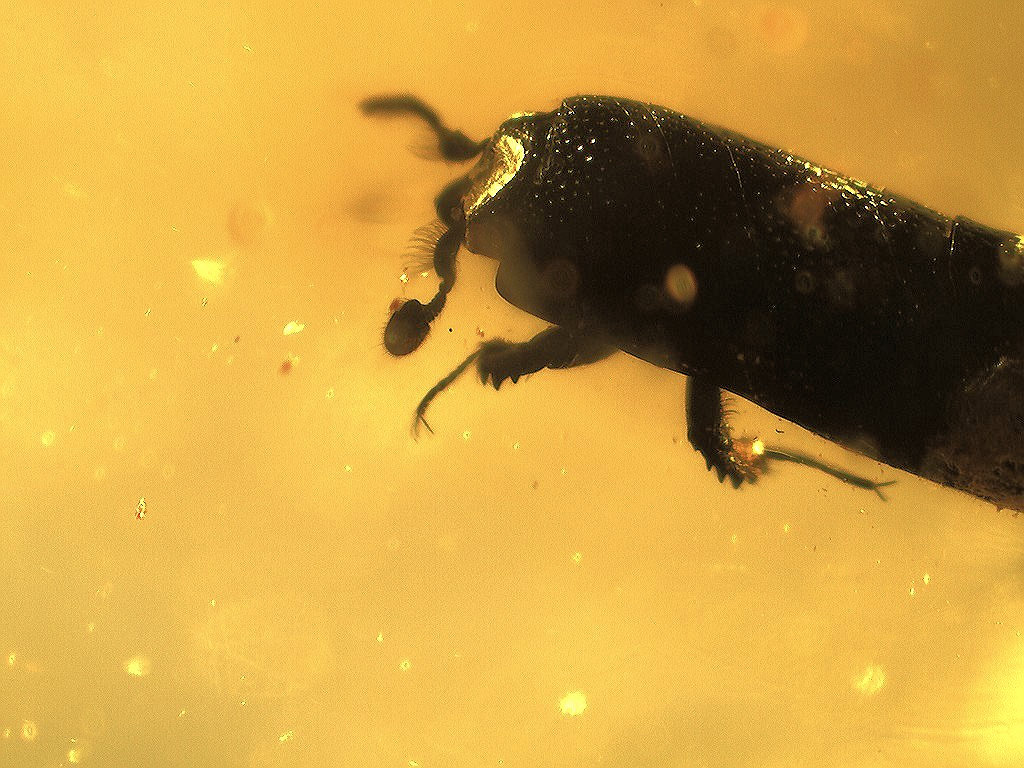
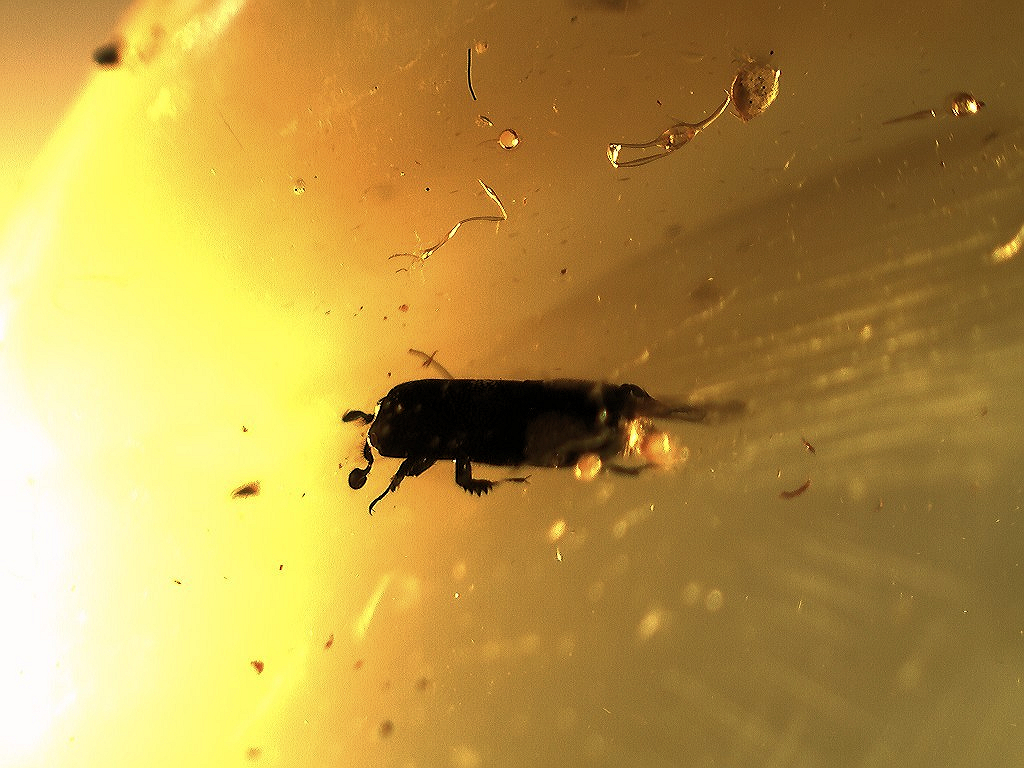
Good sized, clear with good color, this has a flat footed ambrosia beetle, Coleoptera, Platypodidae. There is also an aphelnid wasp, Alphelinidae. Some unusually attractive air bubbles off to the side.